

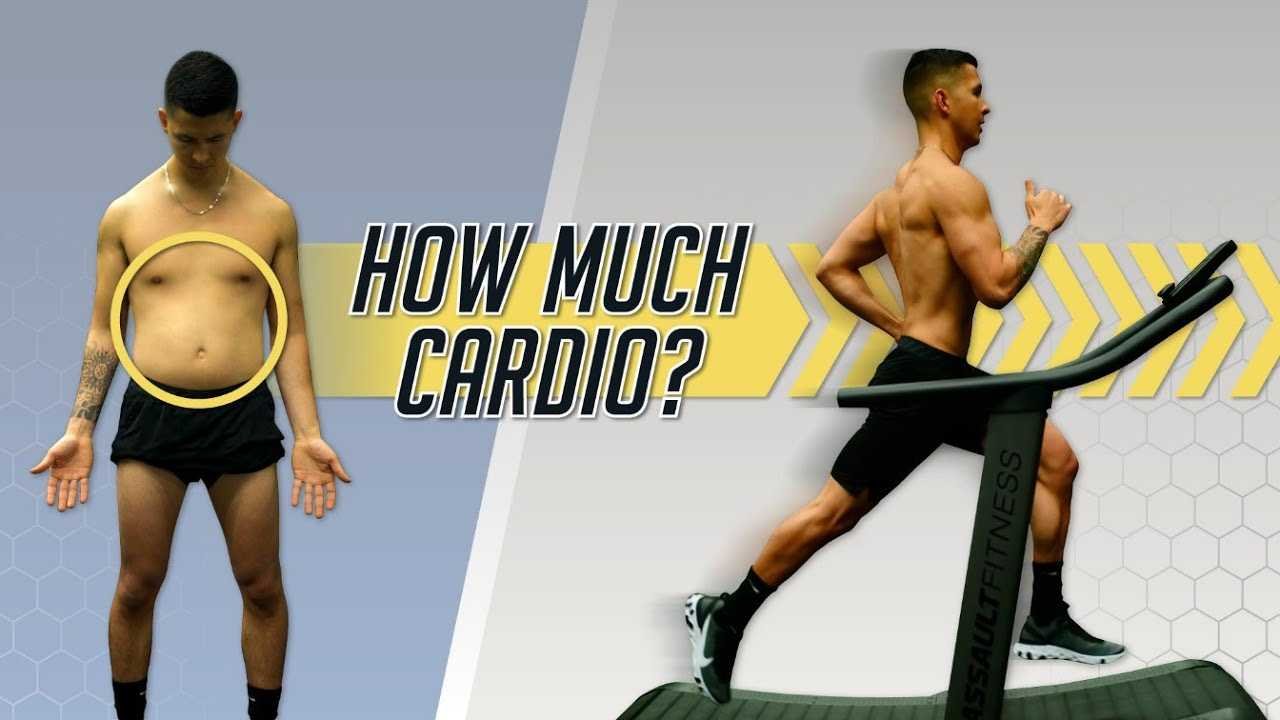
Yes, cardio can effectively burn fat when done correctly and consistently. Incorporating regular cardio workouts into your routine is one of the best ways to shed excess fat, especially when combined with a healthy diet.
Cardio exercises like running, cycling, or swimming boost your heart rate and calorie burn, making it easier to lose fat over time. Many wonder if cardio alone is sufficient for fat loss or if other methods are needed; the truth is, it works best alongside a balanced diet and strength training. Whether you’re aiming to tone up or drop a few pounds, cardio can be a powerful tool to help you reach your goals. As long as your workouts are performed with effort and consistency, cardio will definitely help you burn fat and improve your overall health.

Will Cardio Burn Fat? Exploring How Cardio Exercises Help You Lose Weight
Understanding How Cardio Works
Cardio exercises are activities that increase your heart rate and breathing. They include running, cycling, swimming, and jumping rope. When you do cardio, your body needs energy to keep moving, and it pulls that energy from stored fat and carbs.
How the Body Uses Fat During Cardio
During moderate-intensity cardio, your body primarily uses fat for energy. As your workout intensity increases, your body shifts toward burning more carbs. This means that the type of cardio you choose can influence how much fat you burn.
Different Types of Cardio and Their Impact on Fat Burning
- Steady-State Cardio: Keeping a consistent pace for a long time. This is effective for burning fat because it allows your body to primarily use fat for energy.
- Interval Training: Alternating between high and low intensity. This boosts calorie burn and increases metabolic rate even after the workout ends.
- High-Intensity Interval Training (HIIT): Short bursts of very intense activity followed by rest. HIIT can lead to significant fat loss in less time.
Each type has its benefits, but combining them can maximize fat burning.
How Long Do You Need to Do Cardio to Burn Fat?
Research suggests that doing cardio for at least 30 minutes per session is effective for fat loss. Longer workouts, around 45 to 60 minutes, can burn even more calories. However, consistency matters more than duration in the long run.
The Role of Intensity in Fat Loss
Your workout intensity influences how much fat you burn. Lower-intensity cardio burns a higher percentage of fat relative to carbs during the session. But high-intensity workouts burn more total calories, which can lead to quicker fat loss overall.
Moderate vs. High Intensity
- Moderate-Intensity: Easier to sustain and ideal for beginners.
- High-Intensity: Burn more calories in less time but can be challenging for some people.
Choosing the right level of intensity depends on your fitness level and goals.
Fat Burning and Heart Rate Zones
Monitoring your heart rate helps you stay in the optimal zone for fat burning. The target zone for fat loss is typically 50-70% of your maximum heart rate. Using a fitness tracker or heart rate monitor can help you stay within this range.
Calculating Your Maximum Heart Rate
To estimate your max heart rate, subtract your age from 220. For example, a 30-year-old has a maximum heart rate of approximately 190 beats per minute. Staying between 95 and 133 beats per minute can maximize fat burning.
Why Consistency Is Key for Fat Loss
Regularly doing cardio, three to five times a week, helps create a calorie deficit necessary for fat loss. Even short sessions done consistently can lead to significant results over time.
Combining Cardio with Other Fat Loss Strategies
While cardio is effective, combining it with strength training and healthy eating yields the best outcomes. Building muscle increases metabolism, helping you burn more fat even when resting.
Why Strength Training Complements Cardio
Strength exercises build lean muscle, which burns more calories than fat. Adding resistance workouts two to three times a week enhances fat loss and improves overall body composition.
The Importance of Nutrition in Fat Loss
To maximize fat burning from cardio, eating a balanced diet is essential. Focus on whole foods, lean proteins, vegetables, and healthy fats. Avoid high-calorie processed foods and sugary drinks.
Creating a Calorie Deficit
Consuming fewer calories than you burn is necessary for fat loss. Pairing cardio with mindful eating helps create a sustainable calorie deficit without feeling deprived.
The Role of Rest and Recovery
Rest days allow your body to repair and recover, preventing injuries and fatigue. Overtraining can hinder fat burning and lead to burnout, so listen to your body’s signals.
Tracking Progress and Staying Motivated
Keeping a workout journal or using fitness apps can help you see progress over time. Celebrate small victories to stay motivated and consistent in your routine.
Myths About Cardio and Fat Burning
Many believe that doing endless cardio is necessary for fat loss. In reality, quality and consistency matter more than duration. Overdoing cardio without proper nutrition can also lead to muscle loss.
Summary: Will Cardio Burn Fat? The Bottom Line
Cardio exercises can effectively burn fat, especially when combined with a healthy diet and strength training. The key is to choose activities you enjoy, stay consistent, and incorporate variety to keep your workouts engaging. Remember, the most successful fat loss plans are sustainable and enjoyable.
How To Do Cardio (Without Losing Muscle)
Frequently Asked Questions
Can engaging in cardio activities help reduce body fat effectively?
Yes, participating in cardio exercises such as running, cycling, or swimming can help burn calories, which contributes to reducing overall body fat. Consistent cardio increases your energy expenditure, aiding in creating a calorie deficit necessary for fat loss.
Is there a specific duration or intensity of cardio that maximizes fat burning?
Performing cardio at a moderate intensity for about 30 to 45 minutes each session tends to maximize fat burn. Higher intensities can also be effective but may rely more on carbohydrate stores; therefore, a balanced approach with varied intensities often works best for fat reduction.
How does cardio compare to other forms of exercise when it comes to burning fat?
Cardio workouts are particularly effective at burning calories during the activity itself, making them efficient for fat loss. When combined with strength training, cardio helps boost overall metabolism and enhances fat-burning potential, offering a comprehensive approach to weight management.
Does doing more cardio lead to faster fat loss?
While increasing cardio sessions can contribute to faster fat loss, overdoing it without proper rest and nutrition may lead to fatigue or injury. Combining moderate cardio with a healthy diet and strength training usually results in more sustainable and effective fat reduction.
Final Thoughts
Cardio is an effective way to burn calories and improve overall health. It increases your heart rate and boosts metabolism, which can help shed fat over time.
Will cardio burn fat? Yes, it can help you reduce body fat when combined with proper nutrition and consistency.
In conclusion, incorporating regular cardio sessions supports fat loss goals. Staying committed and maintaining a balanced diet are key.
As an Amazon Associate, We earn from qualifying purchases. When you purchase a product through Amazon links on pulsefitguide.com, we may earn a small commission at no extra cost to you. This helps support the site and keep our content free.