

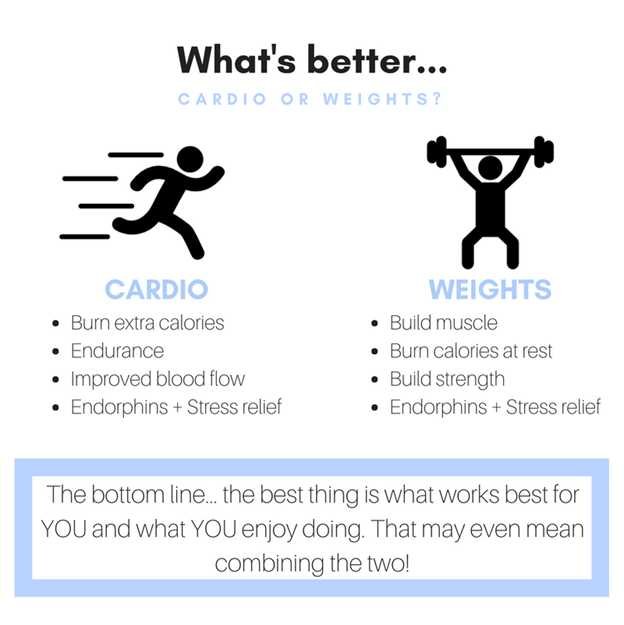
Strength training is more effective than cardio for building muscle, burning fat, and increasing overall strength, making it a smarter choice for long-term fitness gains. It not only boosts your metabolism but also improves bone density and functional movement, helping you look and feel better every day. While cardio is great for cardiovascular health, strength training offers a broader range of benefits that can enhance your quality of life and support your fitness goals more comprehensively.
If you’re wondering why strength training outshines cardio, it’s because it helps you develop muscle, boosts your metabolism even after workout, and improves your overall physical resilience. Unlike cardio, which primarily targets your heart and endurance, strength training builds the foundation for a healthier, more functional body that lasts a lifetime.
Starting a strength training routine today can revolutionize your health and physique, giving you not just immediate fitness results but long-lasting strength and stability. Whether you’re aiming to tone, gain muscle, or simply stay active longer, focusing on strength training could be the game-changer you need.

Why Is Strength Training Better Than Cardio
Understanding the Basics of Strength Training and Cardio
Strength training involves exercises that focus on increasing muscle mass and strength. It typically includes lifting weights, using resistance bands, or bodyweight movements like push-ups and squats. Cardio, on the other hand, emphasizes heart health and endurance through activities like running, cycling, or swimming.
Muscle Growth and Fat Loss
Strength training helps build muscle, which in turn increases your resting metabolic rate. This means you burn more calories even when not exercising. Cardio burns calories during the activity but does not significantly boost muscle growth or metabolism after your workout.
Why Muscle Matters
Muscle tissue is more active than fat tissue. More muscle helps you burn calories faster and supports better body composition. This makes strength training more effective for long-term fat loss and shaping your body.
Boosting Metabolism for Better Results
Strength training creates what is called ‘afterburn,’ where your body continues to burn calories hours after the workout ends. This effect is less pronounced with cardio, making strength training more efficient for calorie burning over time.
Metabolic Rate and Long-Term Benefits
A higher metabolic rate from muscle gain helps you control weight and reduces the risk of obesity. This ongoing calorie burn benefits overall health and weight management.
Bone Health and Injury Prevention
Lifting weights increases bone density, reducing the risk of osteoporosis. It also strengthens muscles and ligaments, which supports joint stability and lowers injury risk. Cardio is good for heart health but does not provide the same benefits for bones and joints.
Reducing the Risk of Osteoporosis
Strength training stresses bones in a healthy way, encouraging mineral growth. This helps maintain bone strength as you age.
Building Functional Strength
Strength training improves everyday movements like lifting groceries or climbing stairs. It enhances stability, posture, and balance, which are crucial as we get older.
Real-Life Benefits
Lifting and carrying heavy objects become easier. Better strength reduces fall risk and helps maintain independence longer.
Time Efficiency and Workout Effectiveness
A well-structured strength training session can yield more comprehensive benefits in less time than long cardio workouts. Alternately, strength training can be done with shorter, intense sessions for maximum results.
Comparing Workout Duration
A 30-minute strength session can provide muscle, bone, and metabolic benefits. In contrast, cardio sessions often need to be longer to match these benefits for fat burning alone.
Enhancing Mental Health and Confidence
Strength training can boost self-confidence as you see physical improvements and increased strength. It also releases endorphins that lift mood and reduce stress more effectively in many cases than cardio.
Building Mental Resilience
Achieving strength goals fosters a sense of accomplishment. This mental boost can translate into improved motivation for other health areas.
Addressing Common Myths and Misconceptions
Many believe cardio is better for weight loss, but strength training can lead to similar or better results. Some think weight lifting makes you bulky; however, for most people, it simply tones and defines muscles.
Debunking Myths
In reality, muscle is dense and compact, not bulky unless intentionally trained that way. Proper strength training combined with nutrition leads to a leaner, more toned physique.
Comparing Long-Term Health Benefits
Studies show strength training reduces risks of chronic diseases like type 2 diabetes and heart disease. It also enhances mobility and reduces age-related decline.
A Long-Lasting Impact
Muscle preservation and bone strengthening from strength training help maintain independence and quality of life as you age.
Practical Tips for Incorporating Strength Training
Start with basic exercises like squats, push-ups, and deadlifts. Use proper form to prevent injuries and gradually increase resistance. Combining strength with light cardio can produce balanced fitness.
Designing a Routine
Aim for two to three sessions weekly, covering major muscle groups. Incorporate rest days to allow muscles to recover and grow.
Comparing Cost and Accessibility
Strength training can be done at home with minimal equipment or at gyms, often costing less than extensive cardio classes or equipment. It offers convenience and flexibility for busy schedules.
Equipment Options
Bodyweight exercises require no equipment, resistance bands are affordable, and weights can be added gradually. Cardio often needs specific gear or facilities, which might add to the cost.
Summary of Why Strength Training Is Superior
Strength training promotes better muscle development, boosts metabolism, improves bone health, and builds functional strength. It offers longer-lasting health benefits and can be more time-efficient than traditional cardio routines.
Related Topics for Further Exploration
- Balanced fitness routines combining strength and cardio
- Nutrition tips to maximize strength training results
- Best strength exercises for beginners
- How strength training supports aging gracefully
By focusing on strength training, you invest in your body’s future, supporting not just weight management but also overall health, mobility, and confidence. For sustainable fitness gains and lifelong health, making strength training a key part of your routine is a smart choice.
Is Cardio Better than Strength Training for Fat Loss? How Exercise Impacts Weight Loss
Frequently Asked Questions
How does strength training improve overall muscle health better than cardio?
Strength training stimulates muscle growth and increases muscle strength, which helps maintain muscle mass as you age. It also enhances the ability of muscles to perform daily activities efficiently. Unlike cardio, which primarily improves cardiovascular endurance, strength training directly targets muscle fibers, leading to better muscle health and function over time.
In what ways does strength training contribute to better metabolic health compared to cardio?
Engaging in strength exercises increases muscle mass, which boosts your resting metabolic rate. This means your body burns more calories even when at rest. Strength training also improves insulin sensitivity, helping manage blood sugar levels effectively. While cardio burns calories during activity, building muscle through strength training provides ongoing metabolic benefits long after your workout ends.
Why might strength training lead to improved bone density over cardio?
Strength training applies direct stress to bones, stimulating the bones to become denser and stronger. This process helps prevent osteoporosis and other bone-related issues. Cardio exercises, while beneficial for cardiovascular health, do not exert the same mechanical load on bones, making strength training more effective for maintaining or increasing bone density.
How does strength training impact daily functional abilities more effectively than cardio?
Strength training improves the muscles involved in everyday movements such as lifting, bending, and carrying. Enhancing muscle strength and stability helps reduce the risk of falls and injuries. While cardio improves endurance, strength training specifically prepares your body for the physical demands of daily life, promoting better functional performance.
Final Thoughts
Strength training offers long-term benefits by increasing muscle mass and boosting metabolism, which cardio alone cannot achieve. It also enhances bone density, reducing the risk of fractures and osteoporosis. Additionally, strength training helps with weight management and improves overall body composition.
Compared to cardio, strength workouts provide functional strength that improves daily activities and athletic performance. They also prevent injuries by strengthening stabilizing muscles.
Why is strength training better than cardio? Because it builds muscle, increases metabolic rate, and promotes better physical resilience, making it a more efficient and sustainable exercise choice.
As an Amazon Associate, We earn from qualifying purchases. When you purchase a product through Amazon links on pulsefitguide.com, we may earn a small commission at no extra cost to you. This helps support the site and keep our content free.