

Feeling out of breath after just a few stairs or struggling to keep up during a run? Your poor cardio fitness might be more common than you think and often easier to improve than you realize. The quick answer is that your cardio may be suffering due to lack of regular exercise, poor nutrition, or underlying health issues. Consistent, targeted cardio workouts, along with healthier habits, can significantly boost your stamina and heart health.
If you’re wondering why your cardio seems so poor, it’s important to examine your activity levels, lifestyle choices, and overall health. Many people underestimate how simple changes—like adding regular walking or cardio exercises—can make a huge difference. In this article, we’ll explore common reasons behind weak cardiovascular fitness and practical steps to get your heart pumping stronger and longer.

Why Is My Cardio So Bad? Understanding the Reasons and How to Improve
What Does It Mean When Your Cardio Is Poor?
When your cardio feels weak, it means your heart and lungs aren’t delivering oxygen efficiently during exercise. This can make activities like running, cycling, or even climbing stairs seem more tiring than they should be. Recognizing why your cardio is lacking helps you target the right areas to improve.
Common Causes of Poor Cardio Fitness
There are many reasons why your cardiovascular system might not be performing well. Some are related to lifestyle choices, while others are health-related issues. Here are the most typical causes:
- Lack of Regular Exercise: If you don’t do cardio regularly, your heart and lungs can become weaker over time.
- Sedentary Lifestyle: Sitting for long periods can lead to reduced cardiovascular capacity.
- Poor Diet: Eating habits that lack essential nutrients and are high in processed foods can affect your heart health.
- Obesity: Carrying excess weight puts extra strain on your heart and lungs, making cardio more challenging.
- Smoking: Smoking damages lung tissue and decreases your oxygen intake, impairing cardio function.
- Health Conditions: Conditions like asthma, high blood pressure, or heart disease can hinder your ability to perform cardio exercises.
How Your Body Responds to Cardio Limitations
When your cardio is poor, you may notice symptoms like shortness of breath, rapid heartbeat, or fatigue during physical activity. These are signs that your heart and lungs are struggling to meet your body’s oxygen needs. Over time, this can lead to decreased stamina and further health issues.
Assessing Your Cardio Fitness
Knowing where you stand can help set realistic goals. Simple tests like the 1-minute step test or a timed walk can give insight into your cardiovascular health. Consulting a healthcare professional for a comprehensive assessment is also a good idea, especially if you have existing health concerns.
How to Improve Your Cardio Endurance
Improving cardio takes time and consistent effort. Here are practical ways to boost your fitness:
Start Slow and Build Gradually
If you’re new to exercise, begin with light activities like walking or gentle biking. Increase intensity and duration gradually to avoid injury and burnout.
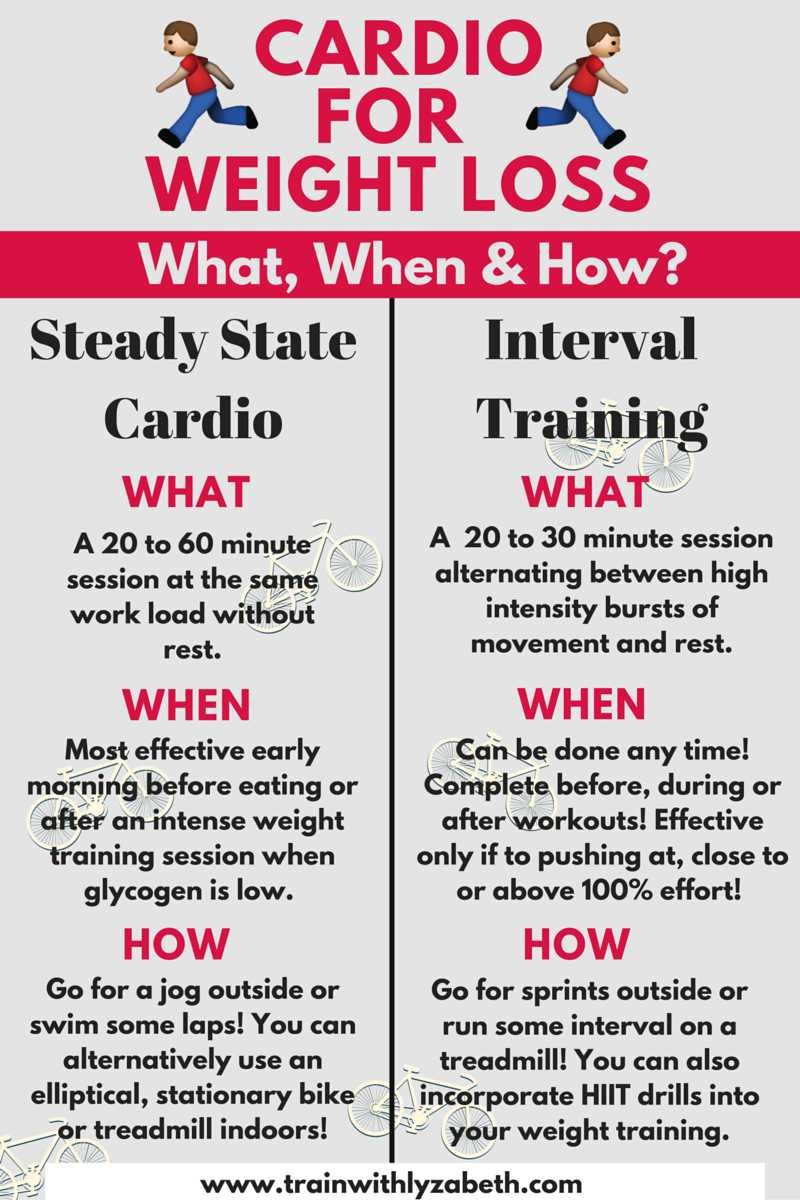
Incorporate Interval Training
Short bursts of high-intensity activity followed by recovery periods can significantly improve your cardiovascular capacity. For example, sprint for 30 seconds then walk for 1 minute.
Consistency Is Key
Aim for at least 150 minutes of moderate exercise each week, such as brisk walking or swimming. Consistent activity helps your heart adapt and become stronger over time.
Mix Up Your Activities
Varying workouts prevents boredom and works different muscle groups, which benefits your entire cardiovascular system. Try running, jumping rope, dancing, or cycling.
Role of Nutrition in Cardio Health
Eating the right foods can boost your heart health and improve performance. Focus on a balanced diet rich in:
- Whole grains
- Fruits and vegetables
- Lean proteins like chicken and fish
- Healthy fats from nuts, seeds, and olive oil
Limit intake of processed foods, sugary snacks, and saturated fats, as these can negatively impact your cardio health.
Importance of Rest and Recovery
Pushing yourself too hard without proper rest can lead to fatigue and injury, hampering your progress. Ensure you get enough sleep and include rest days in your workout plan to allow your body to recover.
Monitoring Progress and Staying Motivated
Tracking your workouts and improvements can keep you motivated. Use apps, journals, or fitness trackers to see how your stamina increases over time. Celebrate small victories to stay committed.
When to Seek Professional Help
If your cardio issues persist despite regular effort, consult a healthcare professional. They can rule out underlying medical conditions and recommend personalized exercise routines. A trainer can also assist with proper technique and injury prevention.
Additional Tips to Enhance Your Cardio Fitness
Consider these extra strategies for better results:
- Stay Hydrated: Proper hydration supports good circulation and performance.
- Manage Stress: Stress can affect your heart rate and overall cardio health. Practice relaxation techniques like breathing exercises or meditation.
- Set Realistic Goals: Small, achievable goals make progress manageable and keep you motivated.
Common Mistakes That Hinder Cardio Improvement
Avoid these pitfalls to ensure steady progress:
- Overtraining Without Rest: Ignoring rest days can lead to fatigue and injury.
- Skipping Warm-Up and Cool-Down: These reduce injury risk and improve recovery.
- Ignoring Symptoms of Overexertion: Pain, dizziness, or extreme fatigue should not be ignored.
- Not Tracking Progress: Without monitoring, it’s hard to see improvements and stay motivated.
Addressing why your cardio is bad involves understanding the causes, making lifestyle adjustments, and staying consistent. Small changes like regular activity, healthy eating, and proper rest can lead to noticeable improvements in your stamina. Remember, increasing cardiovascular fitness takes patience and persistence, but the benefits for your overall health and energy are well worth the effort.
How To Do Cardio (Without Losing Muscle)
Frequently Asked Questions
What factors could be preventing me from improving my cardiovascular endurance?
Several factors may hinder your cardiovascular progress. Poor nutrition, insufficient rest, or inadequate training routines can all impact your endurance levels. Stress and inconsistent workout schedules also play a role. To enhance your cardio, focus on a balanced diet, prioritize recovery, and develop a consistent exercise routine that gradually increases in intensity.
How does my current fitness level affect my cardiovascular performance?
If you’re starting from a low fitness baseline, it may take more time and effort to see improvements. Regular activity is essential to build stamina, and skipping sessions or overexerting yourself can slow progress. Consistency and patience are key. Incorporate moderate, steady workouts and gradually challenge yourself to see steady gains in your endurance.
Could underlying health issues be contributing to my poor cardio results?
Yes, certain health conditions like respiratory problems, anemia, or cardiovascular diseases can affect your ability to perform cardio exercises effectively. If you’ve experienced persistent fatigue or shortness of breath during workouts, consult a healthcare provider. They can diagnose any underlying issues and recommend appropriate treatment or modifications to your exercise plan.
How does my training intensity impact my cardiovascular improvements?
If your workouts are too easy or too intense, they may not provide the stimulus needed for improvement. Training at a moderate, consistent intensity often yields the best progress. Incorporate a mix of steady-state and interval training sessions, gradually increasing intensity to challenge your heart and lungs without risking injury or burnout.
Can lifestyle habits influence my cardiovascular fitness?
Absolutely. Factors such as smoking, excessive alcohol consumption, poor sleep, and high stress levels can all negatively impact your cardiovascular health. Improving these habits by quitting smoking, reducing alcohol intake, ensuring adequate sleep, and managing stress can significantly enhance your endurance and overall fitness.
Final Thoughts
If your cardio feels lacking, several factors may be at play. Poor diet, inadequate training, or insufficient rest can all hinder your progress.
Your body needs consistent effort coupled with proper recovery to improve cardiovascular fitness.
So, why is my cardio so bad? Often, it results from inconsistent routines or not challenging yourself enough. Stay dedicated, adjust your workouts, and you’ll see better results over time.
As an Amazon Associate, We earn from qualifying purchases. When you purchase a product through Amazon links on pulsefitguide.com, we may earn a small commission at no extra cost to you. This helps support the site and keep our content free.