

Engaging in cardio exercises is like giving your heart a powerful boost, helping it stay strong and healthy for years to come. A quick answer? Cardio improves heart health by strengthening the heart muscle, enhancing blood circulation, and reducing risks of heart disease. These activities get your heart pumping faster, which in turn makes it more efficient at delivering oxygen-rich blood throughout your body, lowering blood pressure, and controlling cholesterol levels. Incorporating regular cardio into your routine can significantly cut your chances of developing cardiovascular problems, boost your overall energy, and enhance your mood. So, if you’re looking for a simple way to protect and improve your heart health, cardio is one of the best exercises you can do. It’s not just about staying in shape—it’s about keeping your heart happy and resilient for the long run.

Why Cardio Is Good for the Heart
Understanding Heart Health and Cardio Exercise
Cardio exercise, also known as aerobic exercise, is any activity that increases your heart rate and keeps it elevated for a period of time. This type of exercise includes activities like walking, jogging, biking, swimming, and dancing. Engaging in regular cardio helps strengthen your heart muscle, making it more efficient at pumping blood throughout your body.
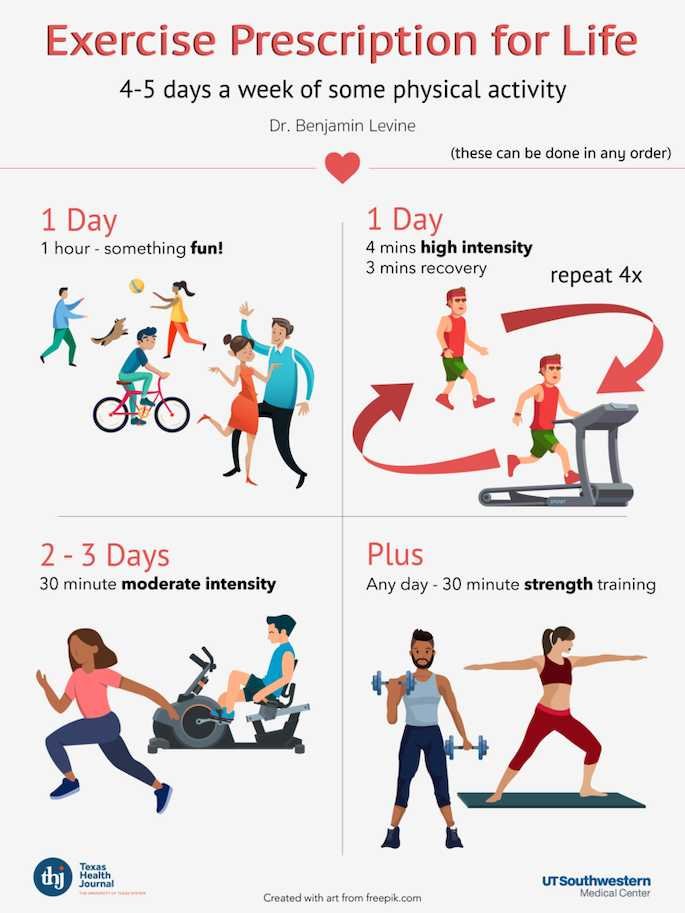
A strong heart can pump more blood with each beat, which means less strain on your heart over time. When your heart functions well, it better supplies oxygen and nutrients to all parts of your body, keeping you healthier. Just 150 minutes of moderate cardio activity per week can have significant benefits for your heart.
How Cardio Lowers Blood Pressure
High blood pressure puts extra pressure on your heart and arteries, increasing the risk of heart disease. Cardio exercises help lower blood pressure by making blood vessels more flexible. When you do cardio regularly, your blood vessels expand and contract more easily, reducing resistance and helping blood flow smoothly.
Research shows that consistent aerobic activity can lower systolic and diastolic blood pressure by up to 10 points. This decrease reduces strain on your heart and decreases the risk of developing hypertension. Maintaining healthy blood pressure levels is essential for overall heart health.
Improving Cholesterol Levels Through Cardio
Your cholesterol levels influence your risk of heart disease. Cardio exercise helps raise your HDL, or “good” cholesterol, which helps remove excess cholesterol from your bloodstream. Simultaneously, it can lower LDL, or “bad” cholesterol, that contributes to plaque buildup in arteries.
A balanced cholesterol profile means your arteries stay clear and flexible. Regular cardiovascular activity can improve your cholesterol levels within just a few weeks, reducing your chances of suffering from a heart attack or stroke. Keeping these levels in check is vital for maintaining a healthy heart.
Managing Weight for Heart Disease Prevention
Carrying extra weight strains your heart because it has to work harder to supply blood to additional tissue. Cardio exercises are effective for burning calories and reducing body fat. Losing weight through aerobic activities decreases blood pressure, cholesterol, and insulin levels.
Losing even a small amount of weight can significantly lower your risk of heart disease. Incorporating cardio into your daily routine helps you manage weight healthily and sustainably. It also boosts your energy levels and improves overall well-being.
Strengthening Heart Muscles and Improving Circulation
Cardio workouts stimulate the heart muscle, helping it become stronger and more efficient. As your heart gets stronger, it pumps blood more effectively, improving circulation throughout your body. Better circulation means your organs and muscles receive oxygen-rich blood faster.
Enhanced blood flow also helps with recovery after physical activity and reduces the risk of blood clots. A healthy, robust heart can better withstand daily stresses and fight off diseases. Consistent cardio training keeps your heart and blood vessels in top shape.
Reducing the Risk of Heart Disease and Stroke
Regular aerobic exercise decreases the chances of developing coronary artery disease, which can lead to a heart attack. It also reduces the risk factors like high blood pressure, high cholesterol, and obesity. Cardio exercise promotes healthy blood vessels that do not become clogged or damaged.
By maintaining a healthy lifestyle with regular cardio, you decrease the likelihood of strokes caused by blocked arteries or blood clots. It also helps lower inflammation levels that are linked to heart disease. Staying active is an important step toward long-term heart health.
The Role of Cardio in Blood Sugar Control
High blood sugar levels or insulin resistance can harm your heart and lead to diabetes. Cardio exercises help improve how your body uses insulin, lowering blood sugar levels. Regular activity increases muscle cells’ ability to absorb glucose, reducing the risk of diabetes.
Controlling blood sugar through cardio also prevents damage to blood vessels and nerves, which are common complications of diabetes. Maintaining healthy blood sugar levels is essential for protecting your heart and overall health.
Enhancing Mental Health and Heart Well-being
Exercise is not only good for your body but also benefits your mental health. Cardio releases endorphins, which improve mood and reduce stress. Lower stress levels are linked to a decreased risk of cardiovascular problems.
A happier, less stressed mind contributes to better heart health by lowering blood pressure and heart rate. Regular aerobic activities can help improve sleep quality too, which supports heart function. Feeling good mentally and physically encourages a sustained commitment to active living.
Maintaining a Healthy Lifestyle with Cardio
Incorporating cardio exercise into your daily routine sets the foundation for a healthy lifestyle. It can be done at any age and fitness level, making it accessible for everyone. Combine cardio with proper diet, adequate sleep, and stress management for optimal heart health.
Start slow if you are new to exercise and gradually increase intensity and duration. Find activities you enjoy to stay motivated in the long run. Staying consistent with cardio helps you enjoy a longer, healthier life with a strong, resilient heart.
Engaging in regular cardio activity provides numerous benefits for your heart health. It improves circulation, lowers blood pressure, manages cholesterol levels, and helps control weight. Additionally, it reduces the risk of cardiovascular disease and stroke, making it a vital part of a heart-healthy lifestyle.
Making cardio a consistent part of your routine can significantly enhance your overall well-being. Remember, even small steps like walking or cycling regularly can lead to lasting improvements in your heart health. Prioritize cardio to support your heart today and for years to come.
The Minimum Cardio Needed For A Healthy Heart & Lungs
Frequently Asked Questions
How does cardio improve blood circulation in the body?
Engaging in regular cardio exercises increases heart efficiency, which helps pump blood more effectively throughout the body. This improved circulation delivers oxygen and nutrients to tissues and organs more rapidly, supporting their optimal function and promoting overall health.
Why does cardio help in reducing the risk of cardiovascular diseases?
Cardio activities strengthen the heart muscle, lower blood pressure, and improve cholesterol levels. These effects reduce the strain on the arteries and decrease the likelihood of blockages, significantly lowering the chances of heart attacks, strokes, and other cardiovascular conditions.
In what ways does cardio contribute to maintaining healthy blood pressure levels?
Regular cardio workouts help keep blood pressure within a healthy range by improving the elasticity of blood vessels. As a result, the heart doesn’t have to exert extra effort to circulate blood, which prevents hypertension and supports long-term heart health.
How can cardio exercise influence overall heart strength and endurance?
Consistent cardio training challenges the heart, making it stronger and more efficient over time. This increased strength enhances the heart’s ability to pump blood with less effort, boosting endurance and reducing fatigue during daily activities or physical exertion.
Final Thoughts
Cardio exercises strengthen the heart muscles and improve blood circulation. They help lower blood pressure and reduce the risk of heart disease. Regular cardio activity boosts overall cardiovascular health and enhances endurance.
Engaging in cardio also helps maintain a healthy weight, reducing strain on the heart. It promotes better cholesterol levels and improves lung capacity. These benefits support a healthier and more resilient heart.
Why cardio is good for the heart because it keeps the heart efficient and resilient. Consistent cardio activity contributes to long-term heart health and reduces disease risk. Staying active makes the heart stronger and healthier with every workout.
As an Amazon Associate, We earn from qualifying purchases. When you purchase a product through Amazon links on pulsefitguide.com, we may earn a small commission at no extra cost to you. This helps support the site and keep our content free.