

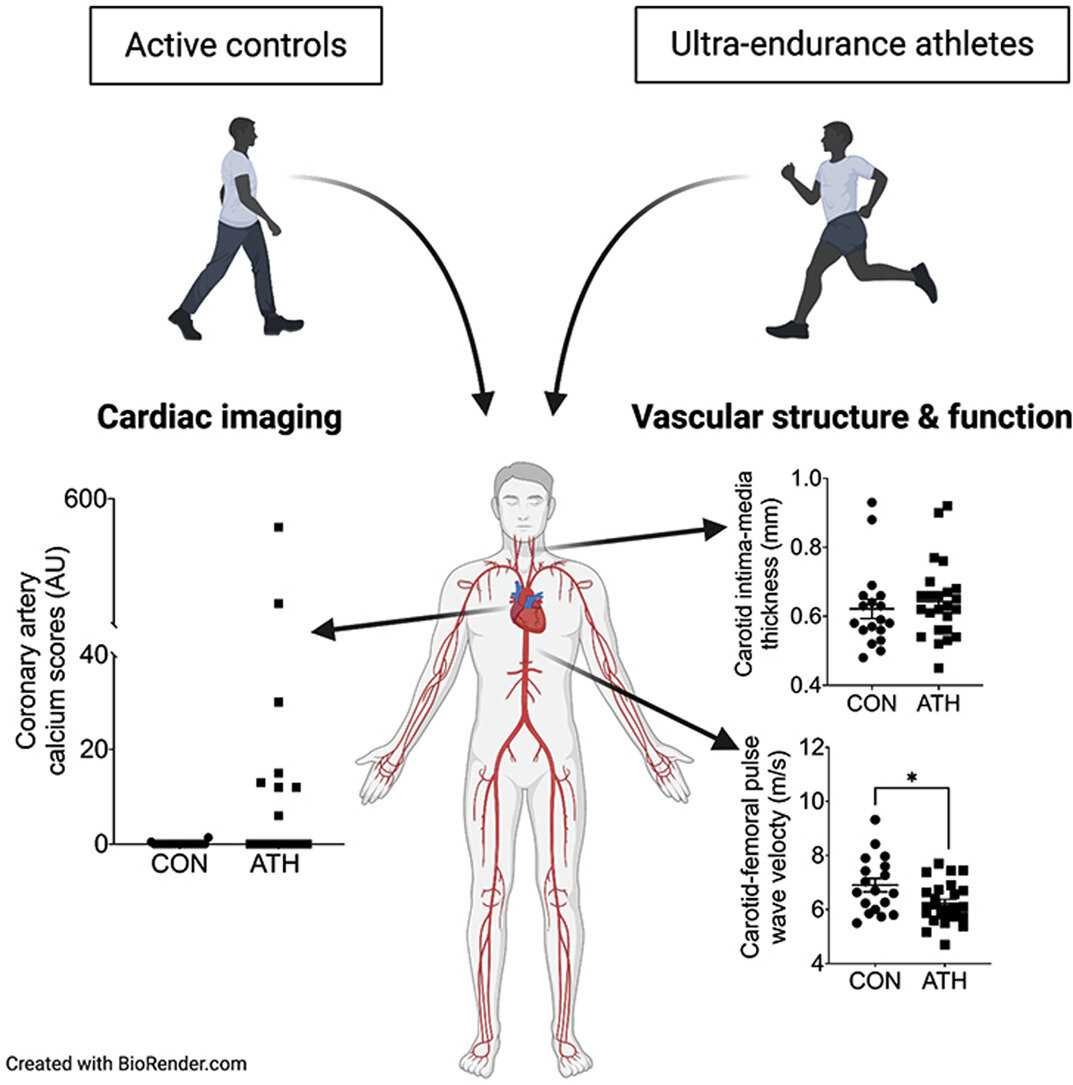
Cardio isn’t the only or necessarily the best way to stay fit; in fact, overdoing it can sometimes do more harm than good. Engaging excessively in aerobic exercises may lead to burnout, muscle loss, and even health issues like heart stress or joint problems. The key is balance, mixing cardio with strength training and proper rest to achieve better overall health.
In short, cardio can be problematic when overperformed or done obsessively, potentially causing muscle loss and stress on the heart. Moderation and variety are essential for a safe and effective fitness routine. Understanding its limits helps prevent injury and ensures long-term progress.
Too often, people assume that cardio is the ultimate solution for weight loss and fitness, but this mindset can backfire. Many individuals push themselves into high-intensity cardio sessions without realizing the risks involved. Excessive cardio can lead to fatigue, decreased muscle mass, hormonal imbalances, and even impair recovery. Instead of relying solely on cardio, incorporating strength training, flexibility exercises, and proper rest promotes healthier, sustained progress. Recognizing that cardio isn’t the only path to fitness allows you to craft a smarter, more balanced workout plan that safeguards your health and enhances results over time.

Why Cardio is Bad
Understanding the Truth About Cardio Exercise
Many people believe that cardio workouts like running, cycling, or swimming are essential for losing weight and staying healthy. However, recent studies show that too much cardio can actually harm your body and hinder your fitness goals. It is important to understand the downsides of cardio before making it the main part of your exercise routine.
The Impact of Excessive Cardio on Muscle Mass
When you do a lot of cardio, your body can start to break down muscle tissue for energy. This process, called muscle catabolism, leads to muscle loss over time. Losing muscle slows your metabolism and makes it harder to burn calories even when resting. Instead of building a lean physique, too much cardio can leave you weaker and less toned.
Cardio and Hormonal Imbalance
Engaging in prolonged cardio sessions can disrupt your hormonal balance. Specifically, it can increase cortisol levels, which is a stress hormone. High cortisol can lead to increased fat storage, especially around the abdomen, and may also cause anxiety, fatigue, and poor sleep. This hormonal imbalance makes it harder to achieve your fitness goals and maintain good health.
Cardiovascular Benefits Are Overstated
Many believe cardio is the best way to improve heart health. While moderate amounts are beneficial, excessive cardio can be counterproductive. Overdoing it may cause inflammation and oxidative stress, which can harm your arteries and overall heart health. Strength training and other forms of exercise offer similar or better benefits with fewer risks.
Injury Risks from Too Much Cardio
Long hours of repetitive movement, such as running or cycling, increase the risk of overuse injuries. Common problems include stress fractures, shin splints, knee pain, and tendinitis. These injuries can sideline you for weeks or months, making it harder to stay active and reach your fitness goals.
The Effect of Cardio on Bone Health
While weight-bearing exercises can strengthen bones, excessive cardio may actually weaken them. High-impact activities, if overdone, can cause microfractures and reduce bone density. This is particularly concerning for older adults who need to protect their bones from osteoporosis.
Cardio and Energy Levels
Doing too much cardio can leave you feeling drained and exhausted. Instead of feeling energized, you may experience persistent fatigue, which affects daily life and motivation to exercise. Overtraining depletes your body’s energy stores and hampers recovery.
The Myth of Cardio for Weight Loss
Many think cardio is the fastest way to shed pounds. However, studies show that relying solely on cardio can lead to a phenomenon called “weight loss plateaus.” Combining strength training with moderate cardio provides better long-term fat loss and muscle preservation.
The drawbacks for Body Composition
While cardio can help burn calories, it often does not improve body composition as well as strength training. Cardio alone tends to burn both fat and muscle, which can lead to a less toned appearance. Building muscle through resistance exercises creates a more sculpted and healthier body.
Time Efficiency and Effectiveness
Cardio workouts can take a lot of time—sometimes up to an hour or more—for minimal results. In contrast, strength training sessions tend to be shorter but more effective at increasing muscle mass and boosting metabolism. This makes strength training a smarter choice for busy individuals.
The Role of Mental Health
Although cardio can temporarily boost mood, overdoing it can cause stress and anxiety. Excessive cardio may also lead to obsessive exercise habits. Incorporating variety in workouts and focusing on strength or flexibility can improve mental well-being without the negative side effects.
Alternatives to Cardio for Better Results
Instead of overemphasizing cardio, consider these options:
- Strength Training: Builds muscle, increases metabolism, and improves body composition.
- High-Intensity Interval Training: Offers the benefits of cardio in less time and with less stress on joints.
- Flexibility Exercises: Enhance mobility, reduce injury risk, and promote relaxation.
Diversifying your workouts ensures a balanced approach to fitness that minimizes risks associated with excessive cardio.
The Importance of Balance and Moderation
While cardio can have benefits when done in moderation, it should not dominate your exercise routine. Combining strength, flexibility, and moderate cardio creates a comprehensive approach to health. Remember, quality and consistency matter more than the quantity of cardio sessions.
Summary of Key Points
- Excessive cardio can lead to muscle loss and hormonal imbalance.
- It increases injury risk and may negatively affect bone health.
- Cardio is not the only or best way to improve cardiovascular health or lose weight.
- Strength training provides many benefits with fewer downsides.
- A balanced workout routine is the most effective and safest approach to fitness.
By understanding these facts, you can make smarter choices about your fitness routine. Incorporating strength, flexibility, and moderate cardio can lead to better health, improved body composition, and increased energy. Remember, exercising smart is always better than simply exercising hard.
How To Do Cardio (Without Losing Muscle)
Frequently Asked Questions
Can excessive cardio lead to muscle loss?
Yes, engaging in too much cardio can cause your body to break down muscle tissue for energy, especially if you do not consume enough calories or protein. This muscle loss can decrease strength and metabolic rate, making it harder to maintain overall fitness and body composition.
Does cardio interfere with strength training gains?
Performing high volumes of cardio too frequently can hinder muscle growth and strength development. It may lead to fatigue that affects your ability to lift heavy weights or perform intense training, ultimately limiting your progress in gaining muscle and strength.
Is cardio linked to increased stress on the joints?
Certain types of cardio, especially high-impact activities like running, can place significant stress on your joints. Over time, this stress can contribute to joint wear, pain, or injuries, especially if you do not incorporate proper rest or choose lower-impact alternatives.
Does excessive cardio positively impact cardiovascular health?
While moderate cardio improves heart health, overdoing it can have negative effects, such as increased inflammation, elevated cortisol levels, and cardiovascular strain. Balancing cardio with other forms of exercise ensures better overall health benefits without adverse effects.
Can too much cardio lead to hormonal imbalances?
Overtraining with excessive cardio can disrupt hormone levels, including a decrease in testosterone and an increase in cortisol. These changes can impair recovery, reduce muscle mass, and negatively affect mood and overall well-being.
Final Thoughts
Cardio often leads to overtraining and stress on the body. It can cause muscle loss and hinder strength gains, impacting overall fitness. Excessive cardio also increases the risk of injury and burnout.
Focusing solely on cardio may neglect important muscle building and recovery. This imbalance can reduce long-term health benefits and athletic performance.
Why cardio is bad lies in its tendency to promote fatigue and limit progress. Prioritizing strength and functional workouts proves more effective and healthier in the long run.
As an Amazon Associate, We earn from qualifying purchases. When you purchase a product through Amazon links on pulsefitguide.com, we may earn a small commission at no extra cost to you. This helps support the site and keep our content free.