

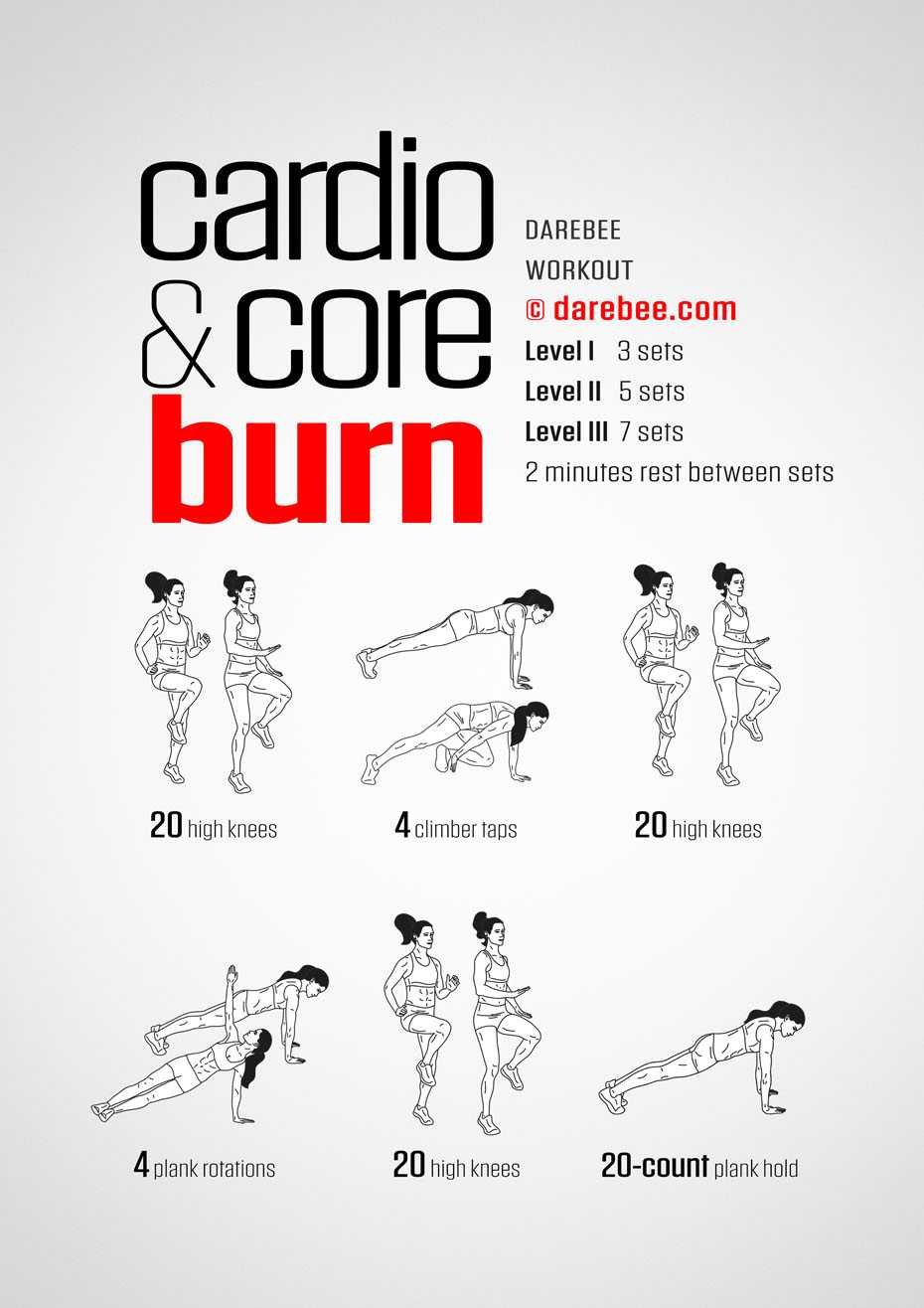
Cardio is one of the most effective ways to torch fat quickly. When you engage in cardiovascular exercise, your body relies on fat stores for energy, especially during sustained activity. This process helps you burn calories even after you’ve finished working out, boosting fat loss over time.
In short, cardio burns fat because it increases your heart rate, leading your body to use fat as its primary energy source during sustained effort. It also boosts your metabolism, which helps you burn more calories throughout the day. Regular cardio workouts can accelerate fat reduction, making it a popular and efficient method to achieve a leaner physique.
Think of cardio as your fat-burning powerhouse—prompting your body to tap into its fat reserves while improving your heart health and endurance. It’s a simple yet powerful way to see real results in your weight loss journey, especially when combined with good nutrition and consistency.

Why Cardio Burns Fat
Cardio exercises are popular for burning fat because they increase your heart rate and boost calorie burn. When you do cardio, your body needs more energy, which it gets from burning stored fat and carbohydrates. This process helps you lose weight and improves your overall health.
How Cardio Boosts Your Heart Rate and Burns Calories
During cardio workouts, your heart beats faster to supply oxygen and nutrients to your muscles. This increased activity burns more calories than you would burn during rest. The more intense your cardio workout, the more calories you burn in a shorter period.
For example, a 150-pound person can burn approximately 300 calories during a 30-minute brisk walk. Running, cycling, and swimming are examples of high-calorie-burning cardio activities. This calorie deficit is essential for fat loss over time.
The Science Behind Fat Burning During Cardio
When you exercise, your body uses stored energy to fuel your muscles. Initially, it uses carbohydrates in the form of glycogen. As the workout continues, your body shifts to burning more fat to meet energy demands.
Research shows that moderate-intensity cardio, like brisk walking or light jogging, is especially effective at burning a higher percentage of calories from fat. This is because fat becomes the primary fuel source during sustained, moderate efforts.
Understanding How Fat Is Broken Down During Cardio
Fat burning during cardio involves a process called lipolysis. During this process, stored fats are broken down into fatty acids and glycerol. These components then enter your bloodstream and are used by muscles for energy.
Higher intensity workouts may burn more total calories, but at moderate intensities, a larger proportion of energy comes from fat. Balancing your workout intensity is key to maximizing fat loss.
The Role of Heart Rate Zones in Fat Burning
Your heart rate zone influences how your body uses fats and carbs. The “fat-burning zone” typically falls between 50% and 70% of your maximum heart rate. Exercising in this zone encourages your body to burn a higher percentage of fat for energy.
To identify your maximum heart rate, subtract your age from 220. During workouts, aim to stay within the fat-burning zone for optimal fat loss. However, higher-intensity zones burn more total calories, which also aid weight loss.
Why Consistency Is Key for Effective Fat Loss
Regular cardio sessions help your body become more efficient at burning fat. Consistent exercise increases your resting metabolism, allowing you to burn more calories even when at rest.
For sustainable weight loss, aim for at least 150 minutes of moderate-intensity cardio weekly. This consistent effort helps your body adapt and become better at using fat as fuel.
How Different Types of Cardio Affect Fat Burning
Various cardio activities burn calories differently, but all can promote fat loss if performed regularly. Examples include walking, jogging, cycling, swimming, and dancing.
High-Intensity Interval Training (HIIT) alternates short bursts of intense activity with rest periods. HIIT has been shown to burn a high number of calories in less time and boost post-exercise fat burning through increased metabolism.
Post-Workout Fat Burning or Excess Post-Exercise Oxygen Consumption
After intense cardio, your body continues to burn calories at an elevated rate, a phenomenon called excess post-exercise oxygen consumption (EPOC). This process increases fat oxidation even after your workout ends.
Engaging in high-intensity exercise enhances EPOC, leading to more effective fat burning over 24 to 48 hours after your workout.
Impact of Nutrition on Cardio Fat Burning
Your diet plays a crucial role in maximizing fat loss during cardio. Consuming a balanced diet with healthy fats, proteins, and complex carbs ensures your body has enough fuel for workouts.
Avoid high-sugar and processed foods that can cause insulin spikes, which may hinder fat burning. Proper nutrition supports your cardio efforts and helps you recover faster.
Building a Cardio Routine for Effective Fat Loss
Start with moderate activities and gradually increase intensity and duration. Incorporate variety such as walking, cycling, and swimming to prevent boredom and plateaus.
Mixing different cardio styles can also prevent overuse injuries and keep your motivation high. Remember, consistency and gradual progress are essential for seeing results.
Monitoring Progress and Adjusting Your Cardio Plan
Use tools like heart rate monitors or fitness trackers to stay in your target heart rate zone. Record your workouts to identify patterns and improvements over time.
Adjust your routines by increasing the intensity, duration, or frequency as your fitness level improves. This ensures continual fat-burning and prevents stagnation.
Potential Challenges and How to Overcome Them
Common issues include lack of motivation and fat plateaus. Set achievable goals and celebrate small victories to stay motivated.
Incorporate social activities or group classes to make cardio more enjoyable. Periodically changing your workout routine can also help break through plateaus.
Additional Benefits of Cardio Beyond Fat Burning
Besides helping you shed fat, cardio improves cardiovascular health, boosts mood, and increases stamina. These benefits support your overall well-being and long-term fitness goals.
A healthy heart, improved mood, and greater energy levels make cardio a vital part of a balanced lifestyle focused on health and wellness.
In summary, cardio exercises promote fat burning through increased calorie expenditure, efficient fuel usage, and metabolic boosts. By choosing the right activities and maintaining consistency, you can achieve lasting weight loss and better health.
The BEST Way to Use Cardio to Lose Fat (Based on Science)
Frequently Asked Questions
How does cardio activity increase the rate of fat burning in the body?
Cardio workouts elevate your heart rate, which prompts your body to utilize stored fat as a primary energy source. During sustained aerobic exercise, your body mobilizes fat stores and converts them into usable energy, making fat burning more efficient compared to rest or less intense activities.
Why does engaging in regular cardio lead to a higher metabolic rate that supports fat loss?
Consistent cardio exercise boosts your metabolic rate both during and after workouts. This heightened metabolism helps your body continue burning calories, including fat, even when you are at rest. Over time, this creates a calorie deficit that promotes fat reduction.
In what ways does cardio stimulate hormonal responses that favor fat loss?
Cardio exercises stimulate the release of hormones like adrenaline and noradrenaline, which enhance fat breakdown. These hormones signal fat cells to release stored triglycerides into the bloodstream, making it easier for your body to burn fat during and immediately after exercise sessions.
How does the duration and intensity of cardio influence fat burning effectiveness?
The longer and more intense your cardio workouts, the more energy your body requires, leading to increased fat utilization. Moderate to high-intensity sessions, in particular, stimulate greater fat oxidation, especially when maintained over extended periods, supporting more significant fat loss.
Can cardio workouts help prevent the body from storing excess fat over time?
Yes, engaging in regular cardio helps regulate blood sugar levels and improves overall energy expenditure. This ongoing activity prevents excess calories from being stored as fat, maintaining a balanced energy system and reducing fat accumulation over time.
Final Thoughts
Cardio exercises increase your heart rate and boost calorie burn during and after your workout. They promote fat loss by using stored fat as energy. Consistent cardio helps maintain a calorie deficit essential for burning fat.
Why cardio burns fat lies in its ability to elevate metabolism and encourage the breakdown of fat stores. Incorporating regular cardio sessions accelerates fat loss and improves overall health.
As an Amazon Associate, We earn from qualifying purchases. When you purchase a product through Amazon links on pulsefitguide.com, we may earn a small commission at no extra cost to you. This helps support the site and keep our content free.