

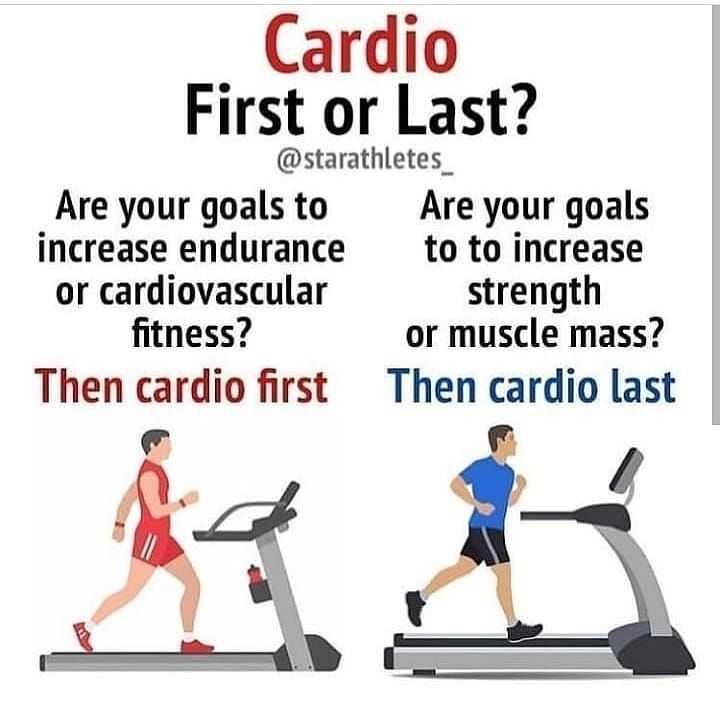
Doing cardio before weights can boost your workout efficiency and help you achieve better results. By warming up with cardio, you increase blood flow, elevate your heart rate, and prime your muscles for strength training, potentially reducing injury risk. Additionally, this approach can help burn more calories and improve overall endurance.
Starting your workout with cardio is generally recommended if you’re aiming to improve cardiovascular health, lose weight, or prepare your body for intense lifting. It’s a smart strategy that enhances your energy levels and performance during weight training while helping you stay safe and motivated throughout your session.
When deciding whether to do cardio first or lift weights first, consider your primary fitness goals. If weight loss or cardiovascular improvement is your priority, beginning with cardio might be the best choice. For building strength, however, starting with weights could be more effective. Ultimately, listening to your body and planning around your goals will help you optimize your workout routine.

Why Cardio Before Weights: Exploring the Best Workout Order
Understanding the Importance of Workout Order
Starting your workout with cardio can significantly influence your overall training session. It helps warm up your muscles and prepares your body for more intense activities. Choosing to do cardio first can also impact how effectively you build strength and improve endurance.
The Benefits of Doing Cardio Before Weights
Performing cardio before lifting weights offers many advantages. It helps increase your heart rate gradually, reducing the risk of injury. Additionally, a good cardio warm-up can boost your energy levels and mental focus for weight training.
Enhanced Warm-Up
Engaging in light cardio activities like brisk walking or cycling warms up your muscles and joints. This process prepares your body for heavier lifting sessions by improving blood flow and flexibility. As a result, your muscles are less prone to strains or tears.
Increased Heart Rate and Blood Circulation
Starting with cardio raises your heart rate early in the workout. Better circulation ensures that oxygen reaches your muscles more efficiently. This can improve your performance during weightlifting and reduce fatigue afterward.
Better Fat Burning Potential
Performing cardio first may increase your body’s ability to burn fat during exercise. Since glycogen stores are not yet depleted, your body may turn to fat as a primary energy source, aiding weight loss efforts.
Impact on Strength and Muscle Gains
Many people wonder if doing cardio before weights can affect muscle growth. The key is understanding how energy levels and fatigue play a role in strength training.
Energy Availability
Cardio before weights uses some of your stored glycogen, which could reduce energy for lifting heavy. However, light to moderate cardio typically doesn’t deplete enough glycogen to hinder strength gains.
Muscle Fatigue Considerations
If cardio is too intense or lasts too long, it may lead to muscle fatigue. This can lessen your ability to lift maximal weights or perform at your best during resistance exercises.
Balancing Cardio and Weight Training
To optimize both cardio benefits and muscle growth, consider doing moderate cardio first and saving some energy for weightlifting. Alternatively, separate your cardio and weight days to avoid fatigue.
Cardio Intensity and Duration: What Works Best?
The type of cardio you choose and how long you perform it influences your workout’s overall effectiveness.
Moderate vs. High-Intensity Cardio
Moderate-intensity cardio, like brisk walking or light cycling, is ideal before weights. It warms up muscles without draining too much energy. High-intensity cardio, such as sprinting, can be too taxing and may impair your strength training.
Optimal Duration
A 5 to 10-minute warm-up is enough when doing cardio before weights. Prolonged cardio sessions can deplete energy stores and reduce your lifting performance.
How to Structure Your Workout for the Best Results
Planning your workout around your goals can help decide whether to do cardio first or after weights.
For Fat Loss
Starting with cardio can maximize fat burning, especially during low to moderate-intensity sessions. It also helps maintain a steady heart rate throughout the workout.
For Building Strength
Many experts recommend doing weights first, when your energy levels are highest. This approach allows you to lift heavier and perform more reps.
Combining Both for Overall Fitness
If your goal is both strength and cardiovascular health, alternate workout days. Some prefer doing cardio first on one day and weights first on another.
Special Considerations for Different Fitness Levels
Your fitness level influences how your body responds to workout order choices.
Beginners
Starting with light cardio helps ease into exercise routines. It prevents early fatigue and builds a habit of warming up properly.
Advanced Athletes
Experienced individuals can tailor their workout order based on specific goals. They might do cardio after weights for recovery or split sessions across different times.
Nutrition and Hydration Tips
Proper fueling supports your workout order choices and overall performance.
Pre-Workout Nutrition
Eating a small meal or snack rich in carbohydrates and protein about an hour before exercise provides energy. Hydrate well to prevent dehydration during both cardio and lifting.
Post-Workout Recovery
Refuel with protein and complex carbs after exercising. Hydrate and give your muscles time to recover, especially if you performed intense cardio or heavy lifting.
Additional Tips for Maximizing Your Exercise Routine
Maximize your workout effectiveness with these simple strategies.
- Warm up with 5 minutes of dynamic stretches before cardio.
- Perform cardio at a moderate pace to prevent early fatigue.
- Incorporate intervals to boost fat burning without compromising strength.
- Listen to your body and adjust intensity based on how you feel.
- Ensure proper cool-down and stretching after your workout.
Integrating Cardio and Weights Seamlessly
Combine both forms of exercise effectively to achieve balanced fitness.
Split Sessions
Perform cardio in the morning and weights later in the day. This approach allows maximum energy for each session.
Superset Workouts
Alternating between cardio and weights in a circuit keeps your heart rate elevated, burning more calories.
Giving Priority to Your Goals
Focus on what matters most—whether burning fat, building muscle, or improving endurance—and plan your workout order accordingly.
Summary of Key Points
Choosing to do cardio before weights offers benefits like improved warm-up, increased circulation, and enhanced fat burning. It can support your overall fitness goals when integrated thoughtfully into your routine. Balance intensity, duration, and your specific goals to optimize the order of exercises.
Final Takeaway
While many factors influence the best workout order, doing cardio first can set a solid foundation for a productive session. It prepares your body, reduces injury risk, and boosts calorie burn. Keep your goals and fitness level in mind, and adjust your routine for the best results.
How To Do Cardio (Without Losing Muscle)
Frequently Asked Questions
How does doing cardio first affect my energy levels during weight training?
Engaging in cardio before lifting weights can deplete your glycogen stores, which might leave you feeling less energetic during your strength workouts. This initial fatigue can hinder your ability to lift heavy or perform multiple sets effectively. To maximize strength gains, consider doing shorter cardio sessions or reducing their intensity if you plan to focus heavily on weight training afterward.
What impact does cardio before weights have on muscle performance?
Performing cardio beforehand can warm up your muscles and increase blood flow, which prepares your body for lifting. However, excessive cardio can lead to muscle fatigue, decreasing your strength and performance during weight exercises. If your goal emphasizes strength, limit cardio duration or intensity before lifting to preserve muscle performance.
Does the order of cardio and weights influence recovery time?
Yes, cardio performed before weights can sometimes prolong recovery periods by adding additional stress to your muscles and nervous system. Doing intense cardio first may cause fatigue that requires longer rest, potentially reducing the quality of your subsequent strength session. Balancing both activities thoughtfully helps optimize recovery and overall workout effectiveness.
Is there a benefit to doing cardio before weights for cardiovascular health?
Yes, incorporating cardio before weights can serve as an effective warm-up, increasing your heart rate and preparing your cardiovascular system for the workout. This approach helps improve circulation, flexibility, and reduces injury risk, making your session both safer and more efficient.
How does doing cardio first influence workout focus and mental readiness?
Starting with cardio can boost mental alertness and improve focus by increasing blood flow to the brain. However, if the cardio is too intense or lengthy, it might lead to mental fatigue, making it harder to concentrate during weightlifting. Striking a balance ensures you stay alert and motivated throughout your entire session.
Final Thoughts
In summary, why cardio before weights is beneficial. Doing cardio first warms up your muscles, making your strength training more effective. It also helps improve endurance and prepares your body for intense workouts. Incorporating cardio initially can lead to better overall fitness results and reduce injury risk.
As an Amazon Associate, We earn from qualifying purchases. When you purchase a product through Amazon links on pulsefitguide.com, we may earn a small commission at no extra cost to you. This helps support the site and keep our content free.