

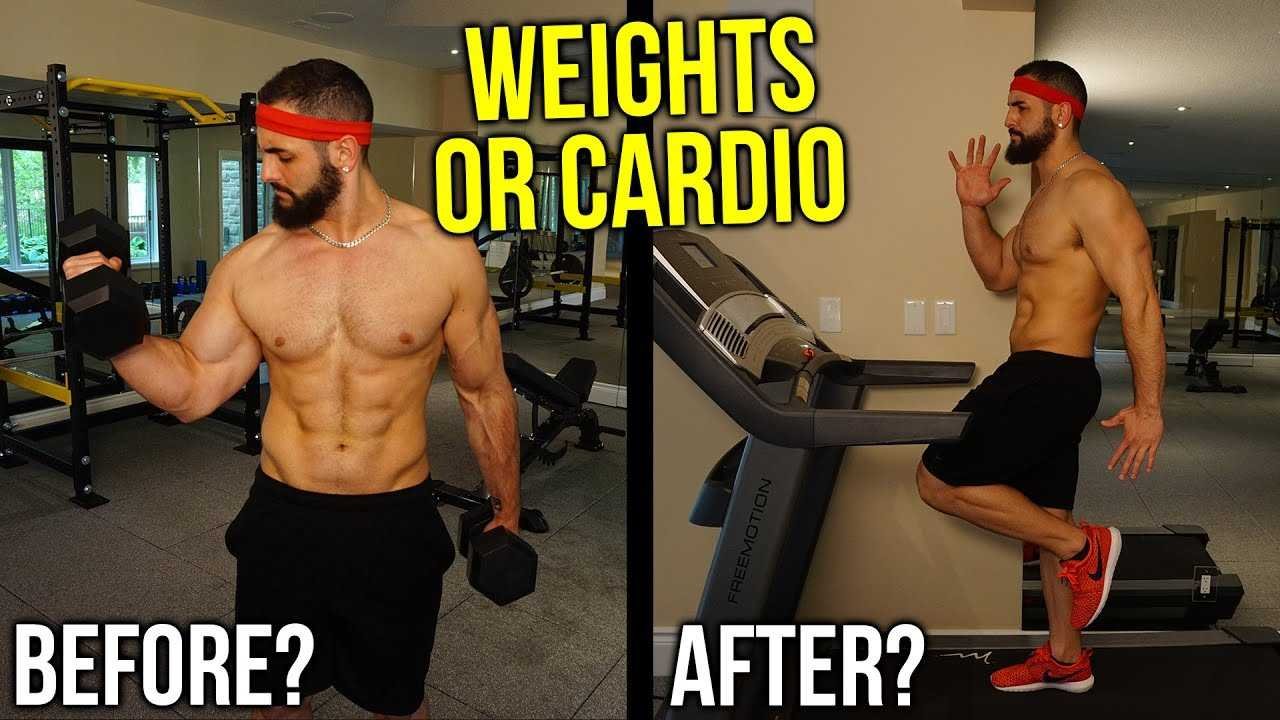
Starting your workout with cardio before weights can boost your fat-burning potential and improve your workout performance. Doing cardio after weights helps you maximize muscle strength gains and enhances fat loss by utilizing stored fat more efficiently. Additionally, it allows you to lift heavier weights first, when your energy levels are highest, leading to more effective strength training.
In short, performing cardio after weights is better because it preserves your energy for lifting heavier and more effectively promotes fat burning without compromising muscle gains. This sequence optimizes both strength and cardiovascular benefits, making your workout more efficient and effective.
Getting your workout routine right can make a big difference in reaching your fitness goals, especially when considering the timing of cardio and weights. Many people wonder whether to do cardio before or after lifting weights, and the answer lies in understanding how each approach impacts your body. Doing cardio after weights can help you burn more fat, improve recovery, and ensure your muscles are fresh for strength training. It also prevents fatigue that could limit your lifting performance if you start with cardio. Understanding why this order works best can help you craft a workout plan that maximizes results while keeping your routine enjoyable.

Why Cardio After Weights Is Better
Understanding the Workout Order
Many fitness enthusiasts wonder whether to do cardio before or after lifting weights. Doing cardio after weights is often recommended because it helps you maximize fat burning and improve overall fitness. When you lift weights first, your muscles have more energy, enabling you to lift heavier and perform better during your strength session. Subsequently, the cardio session then benefits from your warmed-up body, making it more effective and safer.
Fat Burning Efficiency
One key reason why doing cardio after weights is better is related to fat burning. When you start with weights, your glycogen stores in muscles become depleted. After lifting, your body shifts to burn more fat during cardio because glycogen levels are lower. This process, known as “post-exercise fat oxidation,” helps burn more calories from fat, especially during low to moderate intensity cardio.
Preserving Strength and Performance
Performing cardio before lifting can reduce your workout performance. Cardio depletes glycogen, which is your muscles’ main energy source for lifting. This depletion can leave you feeling weaker, limiting your ability to lift heavy weights or perform numerous repetitions. Doing cardio after weights allows you to lift with full strength first, leading to better gains.
Muscle Preservation and Growth
Doing cardio after weights supports muscle preservation. High-intensity or long-duration cardio before lifting might cause muscle fatigue, increasing the risk of injury or muscle breakdown. Post-workout cardio helps to burn fat without compromising the quality of your strength session. It also enhances blood flow, which can aid in muscle recovery.
Enhanced Recovery and Reduced Fatigue
Cardio after weights can boost recovery because it encourages blood flow, transporting nutrients to muscles. This increased circulation helps remove waste products like lactic acid, reducing soreness and fatigue. Additionally, if you do steady-state cardio after weights, it can promote relaxation and mental well-being.
Impact on Hormones and Metabolism
Lifting weights first increases testosterone and human growth hormone levels, which are beneficial for muscle building. Cardio after weights extends the period of elevated hormones, further supporting fat loss and muscle recovery. This sequence can also boost your resting metabolic rate for hours after finishing your workout.
Minimizing the Risk of Overtraining
Starting with cardio might cause fatigue that hampers your weightlifting performance. Doing cardio after weights ensures your muscles are fresh when they need to exert maximum effort. This approach minimizes the risk of overtraining and injury while maintaining workout quality.
Time Efficiency and Workout Effectiveness
Combining both cardio and weights in a session is time-efficient when done in the right order. Doing weights first means your cardio is more effective because your muscles are warmed up, making the session more productive. This sequencing ensures you get the most benefits from each part of your workout within a manageable timeframe.
Variations for Better Results
Many trainers suggest alternating the order depending on current fitness goals. For example, if your goal is endurance, starting with cardio might be better. However, for fat loss and muscle preservation, doing cardio after weights is generally more advantageous. Mixing up your routine can prevent plateaus and keep training engaging.
Additional Benefits of Cardio After Weights
Post-lifting cardio can improve cardiovascular health. It also helps boost your stamina and endurance, making everyday activities easier and more enjoyable. Plus, it can serve as a cooldown, helping you relax after intense strength training.
Related Topics to Consider
- Optimal workout schedules for fat loss
- How to combine cardio and strength training effectively
- The best types of cardio for beginners
- Nutrition tips to support cardio and weight training
Summary
Performing cardio after weights optimizes fat burning, supports muscle growth, preserves strength, and enhances recovery. This order leverages your body’s energy stores and hormonal response for better overall results. Incorporating cardio after lifting can make your workouts more efficient, effective, and safe for long-term progress.
How To Do Cardio (Without Losing Muscle)
Frequently Asked Questions
How does doing cardio after weight training help improve overall workout efficiency?
Performing cardio after lifting allows you to fully engage your muscles during resistance training without fatigue. This sequence ensures your body uses stored fat for energy during cardio, enhancing fat-burning potential. Additionally, finishing with cardio helps you recover faster and leaves you feeling accomplished since you’ve completed both strength and endurance components in one session.
Why does completing cardio after weights aid in better muscle preservation?
When you lift weights first, your muscles are fresh and can handle heavier loads, promoting muscle growth and strength. Afterward, cardio utilizes fat stores for energy rather than breaking down muscle tissue. This order helps preserve your lean muscle mass while still promoting fat loss, ensuring your hard-earned muscles stay intact.
In what ways does doing cardio after weights contribute to increased fat oxidation?
Starting with weights depletes glycogen stores in your muscles, which makes your body turn more quickly to fat stores for energy during cardio. As a result, performing cardio afterward enhances fat oxidation, leading to more effective fat loss over time. This sequence optimizes your body’s ability to burn fat efficiently during exercise.
How does doing cardio after resistance training affect workout recovery and soreness?
Engaging in cardio after lifting promotes blood flow to muscles, which helps remove metabolic waste products and supplies essential nutrients. This process can reduce muscle soreness and accelerate recovery. Additionally, mild cardio after strength sessions can loosen tight muscles, making you feel more comfortable and ready for subsequent workouts.
What impact does this sequence have on workout stamina and energy levels?
Performing weights first allows you to lift with maximum intensity while you are freshest. Doing cardio afterward means you can focus on maintaining steady effort without sacrificing strength. This approach helps improve overall stamina by training both strength and endurance within the same session, without one component compromising the other.
Final Thoughts
Cardio after weights enhances fat burning by maintaining a higher metabolic rate post-exercise. This sequence also preserves muscle strength, ensuring effective strength training. Additionally, doing cardio afterward reduces fatigue, allowing for a more focused workout.
Choosing cardio after weights optimizes workout results and promotes better recovery. That’s why cardio after weights is better for overall fitness and fat loss.
As an Amazon Associate, We earn from qualifying purchases. When you purchase a product through Amazon links on pulsefitguide.com, we may earn a small commission at no extra cost to you. This helps support the site and keep our content free.