

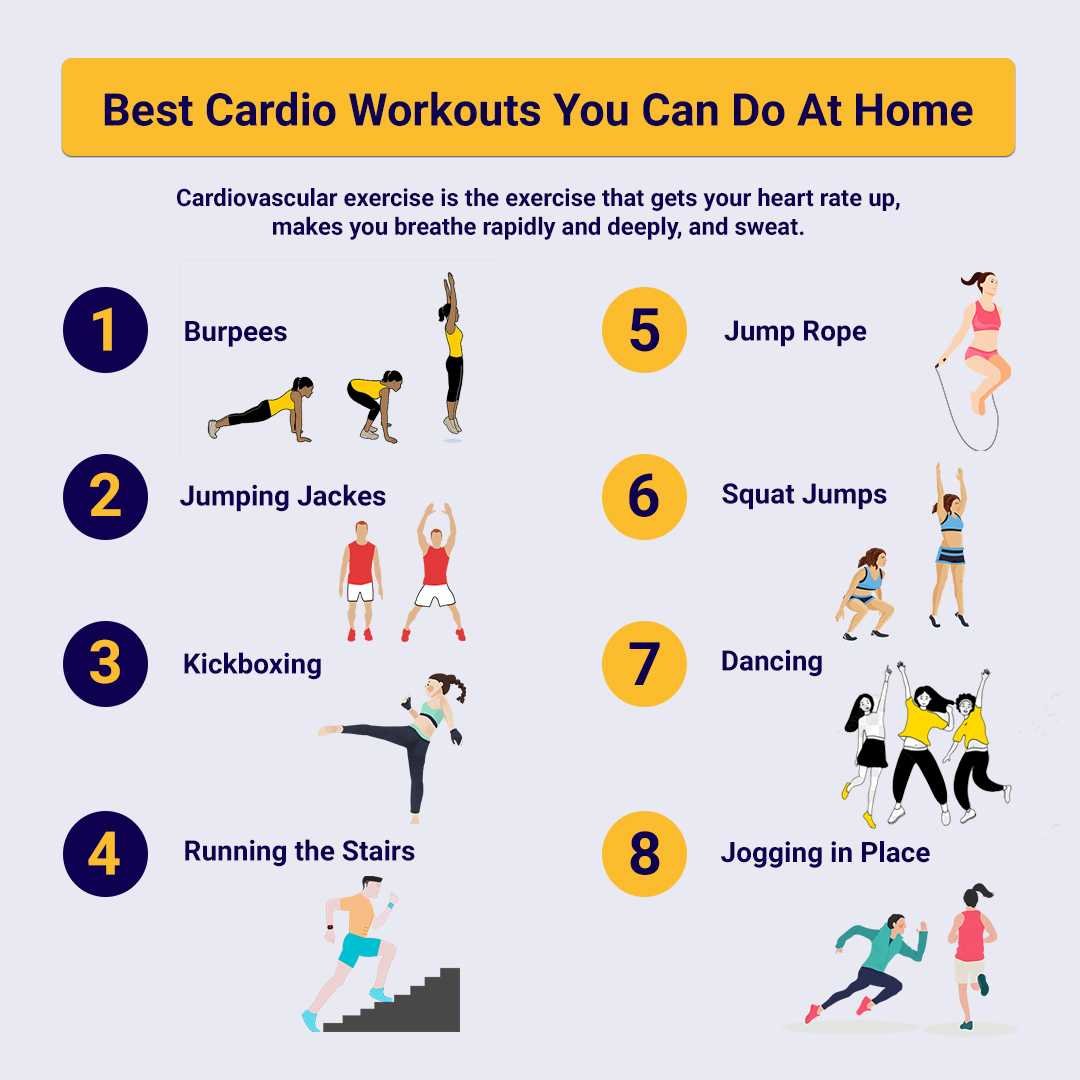
Cardio exercise is for anyone looking to boost their heart health, burn calories, and improve overall fitness. Whether you’re a beginner or an athlete, anyone can benefit from incorporating cardio into their routine. It’s not about competition; it’s about feeling energized and staying healthy. Cardio workouts can range from brisk walking and cycling to high-intensity interval sessions, making it accessible for all fitness levels. The key is consistency and choosing activities you enjoy. So, if you’re wondering who should do cardio, the answer is simple: everyone! It’s a versatile, essential part of a balanced fitness plan that helps you stay active and vibrant at any age. Keep reading to learn more about who can benefit most from cardio exercise and how to get started.

Who Should Do Cardio Exercise and Why It Matters
Cardio exercise, also known as aerobic exercise, is a type of workout that gets your heart pumping faster. It improves your heart health, increases stamina, and helps you burn calories efficiently. But not everyone needs the same type or amount of cardio, so understanding who should do it is important.
People Who Want to Improve Heart Health
If you want to keep your heart strong, cardio exercises are essential. Regular aerobic activity increases circulation and lowers the risk of heart disease. People with a family history of heart problems can especially benefit from consistent cardio workouts.
Activities like brisk walking, cycling, or swimming strengthen the heart muscle, making it more efficient at pumping blood. This reduces blood pressure and improves cholesterol levels over time.
Individuals Looking to Manage Weight
Cardio is one of the best exercises for burning calories and fat. It increases your metabolism, helping you shed unwanted pounds or maintain a healthy weight. Combining cardio with a balanced diet enhances weight loss efforts.
For those aiming to control their weight, engaging in activities like jogging, jump rope, or dancing several times a week can make a noticeable difference.
People Seeking Improved Mental Health
Cardio exercises release endorphins, which boost mood and reduce stress. Regular aerobic activity can help fight depression and anxiety. It also improves sleep quality and overall mental well-being.
This benefit makes cardio a good choice for people experiencing mental health challenges or those going through stressful life changes.
Active Adults and Seniors
Maintaining mobility and balance is crucial as we age. Cardio workouts help strengthen muscles and improve coordination. They also promote cardiovascular health, which is vital for seniors.
Gentle options like walking, water aerobics, or low-impact cycling are suitable for older adults. Always consult a doctor before starting a new exercise routine.
People in Recovery or with Chronic Conditions
Rehabilitation Patients
Cardio exercises are often prescribed during recovery from injuries or surgeries. Light activities like walking or swimming can aid in healing and restore proper function.
Managing Chronic Illnesses
Those with conditions such as diabetes or high blood pressure can benefit from regular aerobic activity. It helps control blood sugar levels and manage symptoms effectively.
However, they should work with healthcare providers to develop a safe exercise plan tailored to their needs.
Beginners and Those Returning to Exercise
Starting with moderate cardio like brisk walking or easy cycling is ideal for beginners. It helps build stamina gradually without overwhelming the body.
If someone has been inactive for a while, slowly increasing intensity and duration prevents injuries and ensures sustained progress.
People Who Want to Boost Endurance and Athletic Performance
Athletes or those training for events can incorporate cardio to improve stamina and stamina. It increases their ability to perform longer and recover faster.
Interval training, running drills, and cycling sessions help develop a high level of cardiovascular fitness for competitive sports.
People Looking for Fun and Social Activities
Group classes like Zumba, aerobics, or dance clubs offer a fun way to stay active. Social interaction during exercise can motivate people to stick with their routines.
Enjoyable activities make cardio feel less like a chore and more like a hobby.
Considerations for Different Age Groups and Fitness Levels
Children and Teenagers
Active play, sports, and dance are excellent cardio options for young people. They support healthy growth and develop coordination skills.
Adults and Middle-Aged Individuals
Moderate to vigorous workouts, such as running, swimming, or cycling, fit well into busy schedules. They help maintain health and prevent age-related decline.
Seniors
Low-impact activities that protect joints, like walking or water exercises, are preferable. Regular movement keeps seniors active and reduces health risks.
How to Incorporate Cardio into Daily Life
- Start with short sessions and increase gradually.
- Mix different activities to keep things interesting.
- Set realistic goals based on your fitness level.
- Find activities you enjoy to stay motivated.
- Incorporate movement into daily routines, like taking stairs or walking during breaks.
Types of Cardio Exercises Suitable for Different Needs
Low-Impact Cardio
- Walking
- Swimming
- Elliptical training
Moderate-Impact Cardio
- Jogging
- Jump rope
- Dancing
High-Impact Cardio
- Running
- High-intensity interval training (HIIT)
- Stair running
Safety Tips for Effective Cardio Workouts
- Always warm up before starting.
- Wear appropriate footwear to prevent injuries.
- Stay hydrated during and after exercise.
- Listen to your body and avoid overexertion.
- Cool down and stretch after workouts to reduce soreness.
Knowing who should do cardio exercise helps tailor routines to individual needs and health goals. Whether you aim to enhance heart health, manage weight, or simply enjoy a fun activity, cardio can fit into any lifestyle. Remember to start slowly, choose enjoyable activities, and stay consistent to see lasting benefits. Making cardio a regular part of your routine can boost your overall health and well-being in many ways.
10 Cardio Exercises At Home
Frequently Asked Questions
How can cardio exercises improve overall heart health?
Cardio exercises strengthen the heart muscle, making it more efficient at pumping blood throughout the body. This reduces the risk of heart disease, lowers blood pressure, and improves circulation. Regular cardio activity also helps maintain healthy cholesterol levels, which further supports heart health.
What are the best types of cardio workouts for beginners?
Beginners can start with low-impact activities such as brisk walking, cycling, or swimming. These exercises are gentle on joints while effectively increasing your heart rate. As fitness levels improve, you can gradually incorporate more intense activities like running or aerobic classes to challenge yourself further.
How often should I perform cardio exercises for optimal benefits?
For general health, aim for at least 150 minutes of moderate-intensity cardio per week, such as 30 minutes five days a week. If you prefer higher-intensity workouts, try to do 75 minutes of vigorous activity weekly. Break sessions into manageable periods if needed, ensuring consistency over time.
Are there any precautions I should take when starting a cardio routine?
Yes, consult with a healthcare professional before beginning, especially if you have existing health conditions. Warm up before exercise and cool down afterward to prevent injuries. Listen to your body, avoid pushing through pain, and gradually increase intensity and duration as your fitness improves.
What are effective ways to stay motivated to continue with cardio exercises?
Set achievable goals and track your progress to stay motivated. Choose activities you enjoy to make workouts more enjoyable. Vary your routine to prevent boredom and consider exercising with friends or joining group classes for added encouragement.
Final Thoughts
Who cardio exercise benefits anyone looking to improve their health and boost energy levels. It is suitable for beginners as well as seasoned athletes. Regular cardio helps burn calories, strengthen the heart, and increase stamina. Ultimately, choosing the right exercise depends on individual goals and preferences, making it accessible for everyone.
As an Amazon Associate, We earn from qualifying purchases. When you purchase a product through Amazon links on pulsefitguide.com, we may earn a small commission at no extra cost to you. This helps support the site and keep our content free.