

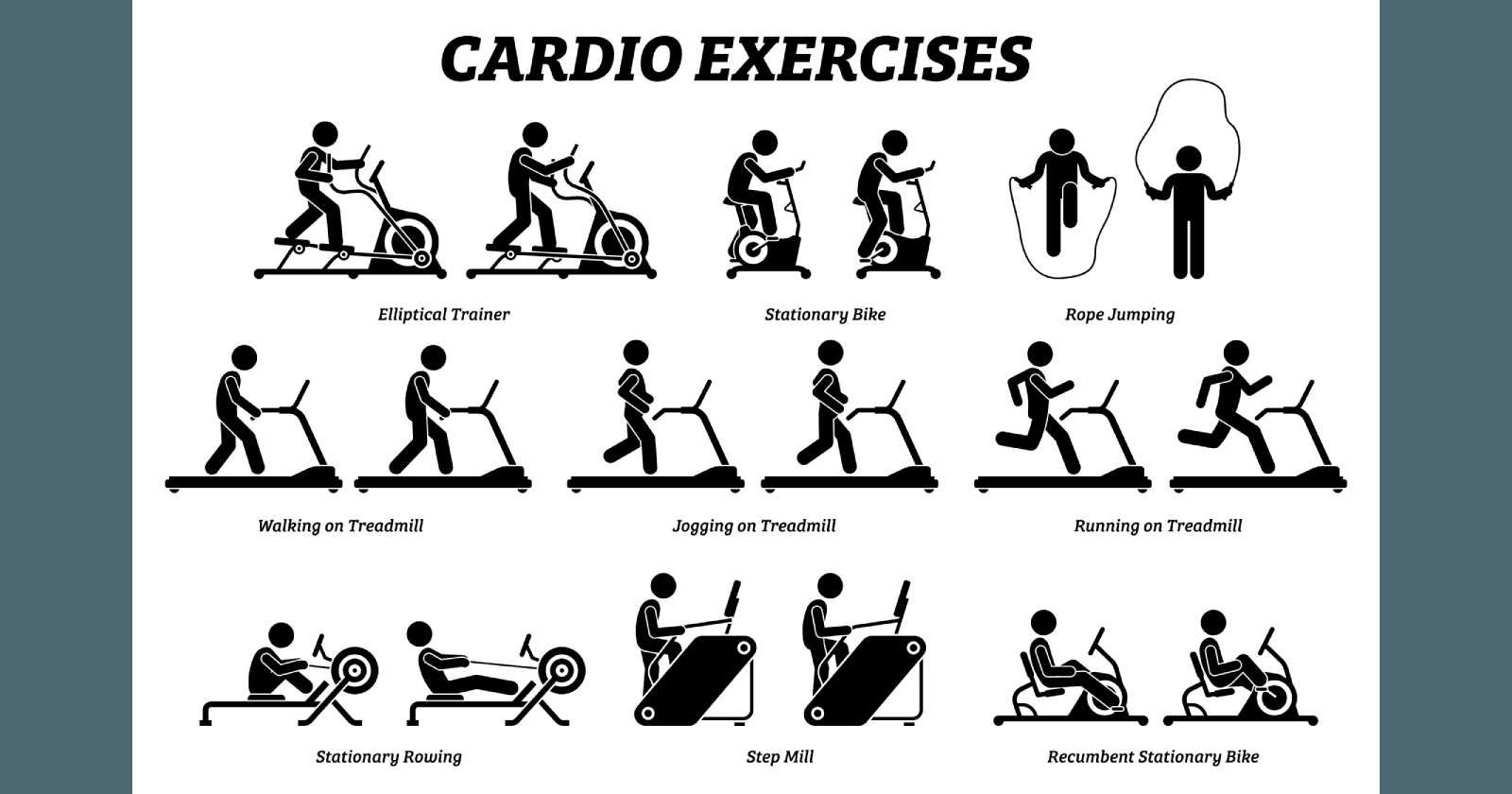
The best cardio for losing weight is high-intensity interval training (HIIT) because it torches calories quickly and boosts metabolism even after your workout. Incorporating steady-state cardio like running or cycling can also be effective, but HIIT tends to deliver faster results in a shorter amount of time. Ultimately, choosing the right cardio depends on your fitness level, preferences, and goals, but variety and consistency are key for weight loss.
If you’re looking to shed pounds efficiently, HIIT is often considered the top choice due to its intensity and time-saving benefits. However, the most effective cardio is the one you enjoy and can stick with regularly. Combining different types of cardio can optimize fat burning while keeping your routine exciting.
Getting started on the journey to weight loss can be overwhelming, especially with so many cardio options available. Some people sway toward running, cycling, swimming, or even dancing, but the best method is one that fits your lifestyle and keeps you motivated. Consistency, enjoyment, and pushing yourself just enough are what truly make a difference in reaching your weight loss goals.

Which Cardio Is Best for Losing Weight
Understanding Cardio and Its Role in Weight Loss
Cardio exercises increase your heart rate and help burn calories efficiently. They are essential because they boost metabolism and support fat loss. Choosing the right cardio can make your weight loss journey faster and easier.
Different Types of Cardio Exercises
There are many forms of cardio exercises, each with unique benefits. Some popular options include running, cycling, swimming, rowing, and walking. Understanding these helps you pick the best fit for your goals and preferences.
High-Intensity Interval Training (HIIT)
HIIT is a workout that alternates between intense activity and short recovery periods. It burns a lot of calories in a short time and keeps your metabolism elevated even after exercise. Many find HIIT effective for quick weight loss and improving fitness.
Advantages of HIIT for Weight Loss
- Burns more calories in less time compared to steady-state cardio
- Increases post-exercise calorie burn through excess oxygen consumption
- Preserves muscle mass while losing fat
However, it may be intense for beginners and requires proper technique to avoid injuries.
Steady-State Cardio: Maintaining a Consistent Pace
Steady-state cardio involves exercising at a moderate, consistent pace for an extended period, usually between 30 to 60 minutes. It’s ideal for building endurance and burning fat steadily.
Benefits of Steady-State Cardio
- Less stressful on joints and muscles
- Suitable for beginners or those with joint issues
- Can be done in many forms, like walking, jogging, or cycling
While it may burn fewer calories per minute than HIIT, it still effectively supports weight loss if done regularly.
Walking: The Accessible Cardio Option
Walking is one of the simplest, safest, and most accessible forms of cardio. It requires no special equipment and can be incorporated into daily routines easily.
Why Walk for Weight Loss?
- Low impact and easy on joints
- Can be done anywhere, anytime
- Supports consistent calorie burning without fatigue
Walking is especially good for beginners or people recovering from injuries, making it a solid foundation for weight loss.
Running and Jogging: More Intense Cardio
Running and jogging are higher-impact activities that burn more calories per minute than walking. They are effective for those looking to shed pounds quickly.
Benefits and Risks of Running
- High calorie burn and fat loss
- Builds strong bones and muscles
- Potential for joint strain if not done properly
Starting gradually and wearing supportive footwear can help prevent injuries.
Cycling: Low-Impact Cardio
Cycling, whether on a stationary bike or outdoors, is great for burning calories without stressing joints. It allows for a sustained effort that promotes fat loss.
Advantages of Cycling for Weight Loss
- Low impact, suitable for all ages
- Helps tone leg muscles and improve cardiovascular health
- Can be integrated into daily commutes or leisure activities
Cycling at a moderate to high intensity can significantly contribute to your weight loss goals.
Swimming: Total Body Workout
Swimming is an excellent full-body workout that combines resistance training with cardio. It’s especially beneficial for people with joint problems or injuries.
Why Swimming Supports Weight Loss
- Burns calories from multiple muscle groups
- Improves flexibility and strength
- Provides low-impact exercise suitable during injury recovery
Regular swimming sessions can help burn fat while being gentle on the body.
Choosing the Best Cardio for Your Weight Loss Journey
Selecting the right cardio depends on your fitness level, preferences, and any health issues. Combining different types can prevent boredom and enhance results.
Factors to Consider
- Current fitness level
- Availability of equipment or locations
- Personal preferences and enjoyment
- Potential joint or injury concerns
Consistency is key, so pick activities you enjoy and can perform regularly.
Combining Cardio Types for Optimal Results
Mixing different cardio exercises can optimize fat loss and keep workouts engaging. For example, alternating between walking, cycling, and swimming provides variety and challenges your body in different ways.
Sample Weekly Cardio Plan
- Monday: 30-minute brisk walk
- Tuesday: 20-minute HIIT session
- Wednesday: Rest or gentle stretching
- Thursday: 45-minute cycling
- Friday: Swimming laps for 30 minutes
- Saturday: Jogging or running for 30 minutes
- Sunday: Rest or light activity like stretching or yoga
- Start slow and gradually increase intensity
- Warm up and cool down to prevent injuries
- Stay hydrated during exercise
- Combine cardio with Strength Training for better results
- Maintain a healthy diet alongside workouts
- One pound of body fat roughly equals 3500 calories
- Cardio helps burn these excess calories
- Sustained cardio sessions promote fat loss over muscle loss
- Fitness apps
- Wearable fitness trackers
- Workout journals
This plan balances intensity and recovery for consistent weight loss progress.
Important Tips for Effective Cardio Workouts
To maximize weight loss, keep these tips in mind:
Tracking your progress helps stay motivated and makes adjustments easier.
The Science Behind Cardio and Fat Loss
Cardio exercises burn calories, creating a calorie deficit essential for losing weight. The more calories you burn than you consume, the more fat you shed.
Understanding Calories and Fat Burn
Combining cardio with a balanced diet enhances fat-burning efficiency.
Monitoring Progress and Adjusting Your Routine
Keep track of your workouts, calories burned, and weight changes to stay motivated. If progress stalls, consider increasing workout intensity or duration.
Tools to Help Track Progress
Adjusting your routine periodically prevents plateaus and keeps your weight loss on track.
Summary: Which Cardio Is Best for Losing Weight?
While each cardio type has unique benefits, consistency and enjoyment are essential. For quick results, HIIT is effective, but steady-state exercises like walking and cycling are sustainable long-term. Combining various cardio forms provides variety, preventing boredom and supporting steady weight loss.
Ultimately, the best cardio for losing weight is the one you enjoy and can stick to regularly. Incorporate different exercises into your routine, maintain a healthy diet, and stay committed to your goals for the best results.
The BEST Way to Use Cardio to Lose Fat (Based on Science)
Frequently Asked Questions
What are some effective low-impact cardio exercises for weight loss?
Activities like walking, cycling, or swimming provide excellent low-impact options for shedding pounds. These exercises reduce stress on your joints while helping you burn calories effectively. Incorporate them into your routine consistently to see noticeable weight loss results over time.
How does high-intensity interval training (HIIT) compare to steady-state cardio for weight loss?
HIIT involves short bursts of intense activity followed by recovery periods, which can lead to higher calorie burn in a shorter time frame. It also promotes increased metabolic rate even after you finish exercising. Steady-state cardio, such as jogging or cycling at a consistent pace, burns calories steadily but may require longer sessions for similar weight loss benefits.
Is it better to do cardio on an empty stomach or after eating when trying to lose weight?
Performing cardio in a fasted state may help burn a higher proportion of fat for energy, but it can also lead to fatigue or dizziness for some individuals. Eating a small, balanced meal beforehand can provide sustained energy, allowing you to work out more effectively. Choose the approach that fits your comfort and energy levels best.
How often should I incorporate cardio into my weight loss plan?
For effective weight loss, aim for at least 150 minutes of moderate-intensity or 75 minutes of vigorous-intensity cardio each week. Break this into sessions lasting 30-45 minutes, three to five times a week. Consistency is key to achieving and maintaining your weight loss goals.
Are there specific cardio machines that help burn more calories?
Machines like the treadmill, elliptical trainer, and rowing machine can help burn calories effectively, depending on the intensity and duration of your workout. Incorporating interval training on these devices can further boost calorie expenditure and support your weight loss efforts.
Final Thoughts
which cardio is best for losing weight depends on your preferences and fitness level. For sustained calorie burn, running or brisk walking works well. High-intensity interval training offers quick fat loss and boosts metabolism. Incorporating variety keeps workouts engaging and effective. Ultimately, consistency matters most.
As an Amazon Associate, We earn from qualifying purchases. When you purchase a product through Amazon links on pulsefitguide.com, we may earn a small commission at no extra cost to you. This helps support the site and keep our content free.