

Cardio primarily focuses on improving heart health and burning calories, but did you know it can also help build muscle in certain areas? Yes, doing cardio can promote muscle growth, especially in your legs, glutes, and core. The key is in choosing the right type of cardio and combining it with strength training for best results.
In short, cardio can help develop muscle endurance and definition in specific muscle groups, particularly in the lower body, by engaging those muscles repeatedly during workouts. While it’s not a substitute for weightlifting, incorporating cardio can enhance muscle tone and support overall fitness.
When people think of cardio, they often imagine a way to shed fat rather than build muscle, but the two can go hand in hand. Activities like running, cycling, swimming, and jump rope target large muscle groups, helping them grow stronger and more toned over time. By aligning your cardio routines with strength exercises, you can sculpt and strengthen muscles effectively while reaping cardiovascular benefits.

Where Does Cardio Build Muscle? Exploring the Connection Between Cardio and Muscle Growth
Many people wonder if doing cardio helps build muscle. The truth is that cardio can influence muscle development in several ways. It’s important to understand how different types of cardio impact your muscles and how to incorporate it into your fitness routine effectively.
Understanding Cardio and Muscle Growth
Cardio, short for cardiovascular exercise, involves activities that raise your heart rate. Common examples include running, cycling, swimming, and brisk walking. These exercises primarily improve your endurance and cardiovascular health.
Muscle growth happens mainly through resistance training like lifting weights. However, cardio can influence muscle development by affecting your body composition and recovery. Knowing how these two types of exercise interact can help you optimize your routines.
How Does Cardio Affect Muscle Building?
Cardio and Muscle Preservation
Doing moderate cardio supports muscle preservation during weight loss. It helps burn calories without excessive muscle loss when combined with proper nutrition. This is important for maintaining muscle mass while reducing body fat.
Cardio Enhances Blood Flow and Muscle Recovery
Cardio improves blood circulation, which delivers oxygen and nutrients to muscles. Better blood flow speeds up recovery after resistance workouts and can reduce soreness. This allows you to train more effectively over time.
Impact of Excessive Cardio on Muscle Growth
Too much high-intensity or long-duration cardio can hinder muscle growth. Excessive cardio may lead to muscle fatigue and breakdown because your body uses amino acids for energy when glycogen stores are low. Balance is key to prevent muscle loss.
The Types of Cardio That Can Help Build Muscle
Low-Intensity Steady State (LISS) Cardio
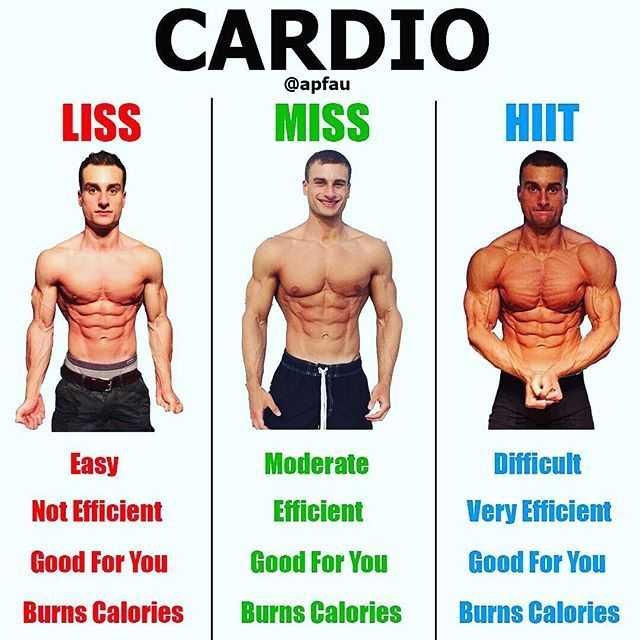
LISS involves activities like walking or light cycling at a steady pace. It helps improve cardiovascular health with minimal muscle fatigue. LISS can be a good complement to resistance training without risking muscle loss.
High-Intensity Interval Training (HIIT)
HIIT involves short bursts of intense activity followed by rest periods. It burns calories quickly and can increase muscle endurance. When done properly, HIIT can reinforce muscle tone and improve stamina.
Swimming and Rowing
Both swimming and rowing are excellent full-body workouts that combine cardio with muscle engagement. They activate multiple muscle groups while providing cardiovascular benefits. These exercises are especially good for building muscular endurance.
How to Incorporate Cardio for Muscle Growth
Balancing Cardio and Resistance Training
To build muscle while doing cardio, schedule your workouts wisely. Limit cardio sessions to three or four times a week. Place resistance training on separate days or after cardio sessions to avoid fatigue.
Timing Matters
Perform cardio either before or after resistance workouts depending on your goals. Doing cardio after lifting weights can optimize muscle recovery and minimize fatigue. For endurance-focused sessions, do cardio first to warm up.
Nutrition and Rest
Proper nutrition, especially adequate protein intake, supports muscle repair after cardio. Rest days are crucial to allow muscles to recover and grow. Combining balanced nutrition with sufficient sleep enhances results.
Sample Cardio and Resistance Workout Plan
| Day | Workout Focus | Details |
|---|---|---|
| Monday | Resistance Training | Upper body strength exercises |
| Tuesday | Light Cardio | 20-minute brisk walk or cycling (LISS) |
| Wednesday | Resistance Training | Lower body and core exercises |
| Thursday | HIIT Session | 20-minute high-intensity intervals (e.g., sprinting, jumping) |
| Friday | Recovery or Active Rest | Stretching, yoga, or light walk |
| Saturday | Full-body Workout | Rowing or swimming session |
| Sunday | Rest Day | Full recovery for muscle growth |
Additional Tips for Building Muscle with Cardio
- Adjust intensity: Use moderate cardio to avoid muscle breakdown.
- Prioritize recovery: Incorporate rest and nutrition to facilitate muscle growth.
- Track progress: Keep a workout journal to monitor how your body responds.
- Stay consistent: Regular exercise and proper diet lead to better results over time.
Common Mistakes and How to Avoid Them
Doing Too Much Cardio
Excessive cardio can cause muscle loss and reduce strength gains. Limit cardio sessions to avoid overtraining your muscles.
Neglecting Nutrition
Without enough protein and calories, your muscles won’t recover and grow efficiently. Focus on balanced eating to support your workouts.
Not Allowing Recovery Time
Muscle growth occurs during rest, not during workouts. Ensure you give your body enough time to recover between sessions.
While cardio is mainly associated with stamina and fat loss, it also plays a role in muscle preservation and endurance. The key lies in choosing the right type of cardio, balancing it with resistance training, and maintaining proper nutrition. By understanding how cardio impacts muscle building, you can develop a well-rounded fitness plan that enhances both your strength and cardiovascular health.
How To Do Cardio (Without Losing Muscle)
Frequently Asked Questions
How does cardio contribute to muscle development in different parts of the body?
Cardio exercises primarily boost cardiovascular health and endurance, but they can also aid in muscle development by engaging various muscle groups. Activities like running, cycling, or rowing activate muscles such as the legs, glutes, and core. When performed regularly, these exercises help build lean muscle, especially in the lower body, by increasing muscle endurance and stimulating growth through repetitive movement and resistance.
What role does high-intensity interval training (HIIT) play in muscle building?
High-intensity interval training combines bursts of intense activity with periods of rest, which challenges muscles differently than steady-state cardio. HIIT questions muscles to work at maximum effort, promoting muscle fiber recruitment and encouraging growth in muscles such as the quadriceps, hamstrings, and calves. This form of cardio not only improves stamina but also supports muscle hypertrophy when combined with proper nutrition and strength training.
Can cardio exercises help in sculpting specific muscle groups?
Yes, certain cardio routines can target specific muscles depending on the movement patterns involved. For example, stair climbing emphasizes the glutes, hamstrings, and calves, while cycling strengthens the quadriceps and calves. Incorporating varied cardio exercises into your routine allows you to focus on specific areas you wish to develop, helping to shape and tone those muscle groups effectively.
How does consistent cardio impact muscular endurance and size?
Regular cardio workouts enhance muscular endurance by increasing the muscles’ ability to sustain activity over time. This improves overall stamina, allowing you to perform strength training exercises more effectively. While cardio alone may not significantly increase muscle size, combined with resistance training, it supports muscle growth by improving circulation, recovery, and muscle fiber efficiency.
What types of cardio are most effective for building muscle in the lower body?
Running, cycling, rowing, and stair climbing are highly effective for developing lower body muscles. These activities involve repetitive movement that targets the thighs, glutes, hamstrings, and calves. Incorporating a mix of these exercises into your routine ensures balanced muscle development and contributes to overall strength and muscular tone in the lower limbs.
Final Thoughts
where does cardio build muscle influences how you integrate cardio into your fitness routine. Cardio primarily improves endurance and burns fat, but it can also promote muscle growth in specific areas like the legs and core through sustained effort.
Focusing on interval training or incorporating weight-bearing cardio exercises can enhance muscle development. Remember, combining cardio with strength training maximizes muscle building and fat loss.
In conclusion, where does cardio build muscle varies depending on the activity, but targeted cardio can support muscle growth and overall fitness.
As an Amazon Associate, We earn from qualifying purchases. When you purchase a product through Amazon links on pulsefitguide.com, we may earn a small commission at no extra cost to you. This helps support the site and keep our content free.