

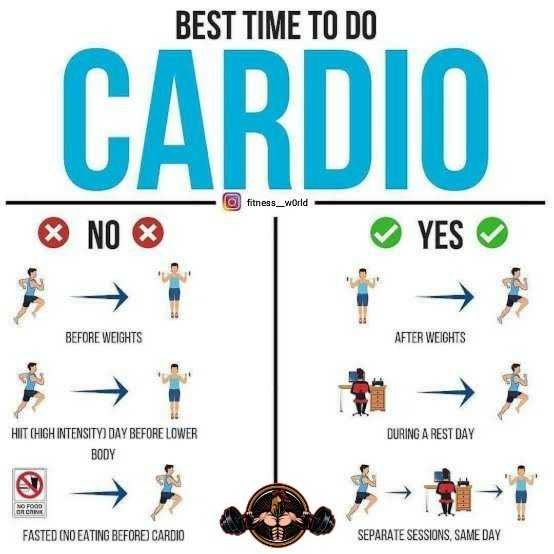
The best time to do cardio depends on your personal goals and daily schedule, but generally, the ideal moment is when you feel most energized and motivated to stay consistent. For weight loss, early morning workouts on an empty stomach can be effective, while afternoon or evening sessions might boost performance and recovery. No matter what time you choose, consistency is key to seeing results.
The simplest answer is that the best time to do cardio is when it fits seamlessly into your routine and you’re most likely to stick with it. Whether you prefer morning, afternoon, or evening, engaging in regular cardio will help improve your fitness and overall health. It’s all about aligning your workout schedule with your lifestyle to maximize benefits and maintain motivation.
Starting your day with a quick cardio session can energize you and jumpstart your metabolism, making it easier to stay active throughout the day. Conversely, working out later allows you to de-stress and may lead to better performance as your body warms up. Ultimately, listening to your body and choosing a time that feels right for you will ensure that cardio remains a consistent, enjoyable part of your routine.

When Is the Best Time to Do Cardio?
Understanding Your Body’s Natural Rhythms
Your body follows daily patterns known as circadian rhythms, which influence energy levels, hormones, and physical performance. Recognizing these patterns can help you pick the most effective time for cardio exercises. For example, most people feel more energized in the morning or early afternoon, making these ideal times for cardio workouts.
Morning Cardio: Benefits and Considerations
Many fitness enthusiasts prefer morning workouts because they can boost metabolism and improve mood for the entire day. Exercising on an empty stomach, often called fasted cardio, may help burn fat more effectively. However, some might feel less energetic and need a light snack before starting their session.
- Increases calorie burn throughout the day
- Helps establish a consistent workout routine
- May improve mental clarity and focus
- Potential for lower exercise performance if not fully energized
Best Practices for Morning Cardio
To make the most of your morning workout, hydrate well before starting. Warm-up with light activity to prepare your muscles and prevent injury. Keep the intensity moderate to high to maximize fat burning, but listen to your body and avoid overexertion.
Afternoon and Evening Cardio: Is It Effective?
For many, late-day workouts fit better into their routine. Performance during these times can be higher because your body has had time to fuel up and warm up. Additionally, exercising later might help reduce stress after a busy day.
- Better muscle strength and endurance at this time
- Possible distraction-free environment
- Helps improve sleep quality if done at least a few hours before bedtime
- May interfere with sleep if done too late
Timing for Evening Cardio
Try to schedule your workout at least two to three hours before bed for quality sleep. Keep the intensity moderate to avoid overstimulation. Incorporate stretching or cool-down exercises to help your body relax afterward.
How Exercise Timing Affects Fat Loss and Performance
Research shows that exercising at different times might influence how your body burns fat and builds strength. Fasted cardio in the morning can promote fat loss, but might reduce exercise performance. Conversely, exercising later in the day may allow for higher intensity workouts that boost muscle growth.
Understanding Fat Burn and Performance
Fasted cardio, performed without eating beforehand, can increase fat oxidation. However, for high-intensity or long-duration workouts, having some fuel from a small snack improves performance and reduces fatigue. Balance your goals with your energy levels to find the best time for your needs.
Impact of Consistency and Lifestyle
Consistency plays a crucial role in achieving fitness goals, regardless of workout timing. Choose a time that fits into your daily routine and is sustainable long-term. Whether it’s morning, afternoon, or evening, regular exercise provides health benefits and helps you stay motivated.
Creating a Routine That Works for You
Pick a time that you can stick with over weeks and months. Prepare your workout gear in advance to remove barriers to exercise. Remember, the most important factor is maintaining a consistent schedule that matches your energy levels and lifestyle.
Taking Personal Preferences and Goals into Account
Your individual fitness goals influence the best time for cardio. If fat loss is your main aim, morning fasted cardio might help. If building strength or endurance is your goal, afternoon or evening workouts can be more effective due to higher energy levels.
Matching Workout Type to Time of Day
Cardio types also matter:
- Steady-state cardio (jogging, cycling) can be more enjoyable in the morning or evening.
- High-intensity interval training (HIIT) is often best when your body is fully awake and prepared to push hard, typically in the afternoon.
- Low-impact exercises like walking or swimming are flexible and can be scheduled anytime.
Factors to Consider When Choosing Your Workout Time
Several factors impact the best time for cardio. These include your work schedule, family commitments, sleep patterns, and personal energy fluctuations. Also, consider your local climate and weather, especially if you prefer outdoor exercises.
Addressing Common Challenges
Some common challenges include feeling sluggish in the morning or too tired in the evening. To overcome this, plan light warm-up routines or create a motivating playlist. Staying flexible and adjusting your schedule will help you stay consistent and enjoy your workouts.
Summary of Key Points
Understanding your body’s natural rhythm, goals, and lifestyle is essential to determine when to do cardio. Morning workouts promote fat burning and routine consistency, while afternoon and evening sessions can maximize performance and strength. Balance your personal preferences with your fitness objectives for sustainable progress.
Incorporating Cardio Into Your Weekly Routine
Aim for at least 150 minutes of moderate-intensity cardio each week, spread across various times to keep things interesting. Mixing morning, afternoon, and evening workouts can prevent plateaus and boost overall fitness. Remember, the best time is when you feel most motivated and able to perform consistently.
—
This comprehensive overview provides you with the key factors and data to help decide the ideal time for your cardio workouts. By aligning exercise timing with your body’s rhythms, goals, and lifestyle, you can improve your fitness results and enjoy the process more.
How To Do Cardio (Without Losing Muscle)
Frequently Asked Questions
Is there an optimal time of day to perform cardio for better results?
Performing cardio at a time when you feel most energized can lead to more effective workouts. Many people find that doing cardio in the morning helps boost their metabolism and sets a productive tone for the day. However, others may experience better endurance and motivation in the afternoon or evening. Choose a time that fits your schedule and when you feel most capable of maintaining consistency.
How does doing cardio before or after strength training affect my fitness goals?
Doing cardio before strength training can serve as a warm-up, preparing your muscles and increasing blood flow, but it might also tire you out for lifting heavier weights. Performing cardio after strength sessions allows you to focus on lifting with maximum energy and then burn additional calories afterward. Consider your primary fitness goals—if endurance is key, incorporate cardio before; if strength is the focus, do it afterward.
What are the benefits of doing cardio on an empty stomach early in the day?
Many choose to perform cardio on an empty stomach, especially in the morning, to target fat burning. When your body’s glycogen stores are low, it may rely more on stored fat for energy. However, exercising in a fasted state can sometimes lead to decreased performance or dizziness for some individuals. Listen to your body and prioritize hydration and balanced nutrition for sustained energy.
Does the timing of cardio impact calorie burn and weight loss?
Timing can influence how many calories you burn, but overall calorie deficit remains the primary factor in weight loss. Cardio sessions performed consistently, regardless of time, contribute to calorie expenditure. Some research suggests that cardio in the morning might slightly enhance fat oxidation, but the most important aspect is maintaining regular activity that fits your lifestyle.
Are there specific times of day when cardio is more effective for hormonal balance?
Engaging in cardio at different times can influence hormonal responses. For example, morning workouts may increase cortisol levels temporarily, helping mobilize stored fat, while afternoon sessions could benefit from higher body temperature and muscle flexibility. Ultimately, choose a time that aligns with your body’s rhythm to support your hormonal health and overall well-being.
Final Thoughts
The best time to do cardio varies based on personal preference and schedule. Many find that mornings boost energy and set a positive tone for the day. Others prefer late afternoons when body temperature is higher, reducing injury risk. Ultimately, consistency matters most. When is the best time to do cardio? It depends on when you feel most motivated and can stick to your routine regularly. Prioritize a time that fits your lifestyle, and you’ll see better results and enjoy your workouts more.
As an Amazon Associate, We earn from qualifying purchases. When you purchase a product through Amazon links on pulsefitguide.com, we may earn a small commission at no extra cost to you. This helps support the site and keep our content free.