

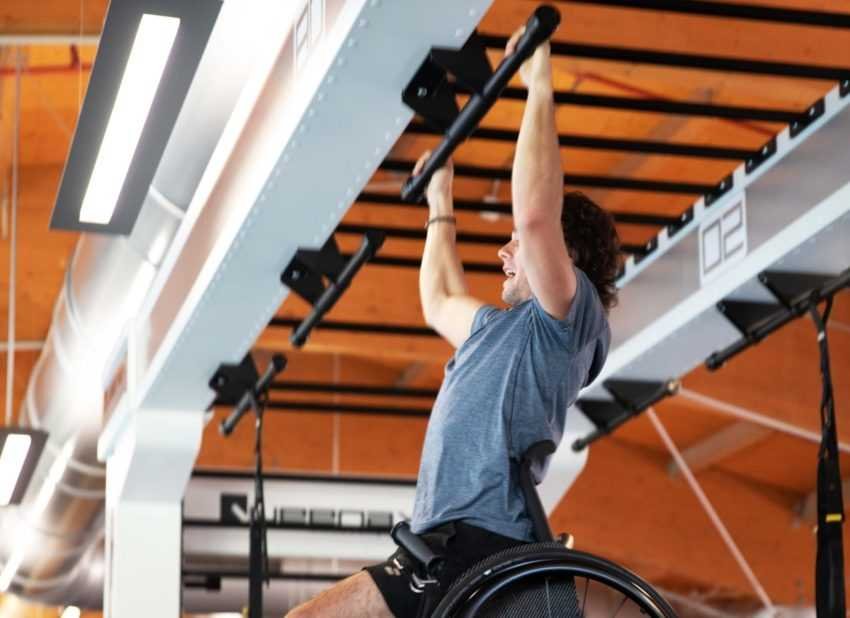
Looking for effective ways to boost your heart health from a wheelchair? The good news is, wheelchair cardio exercises can be a game-changer, helping you improve cardiovascular fitness, increase endurance, and stay active regardless of mobility limitations. These workouts are specially designed to get your heart pumping without the need to stand or walk.
In brief, wheelchair cardio involves tailored exercises like arm cycling, seated aerobics, and resistance routines that elevate your heart rate safely. Consistent practice can lead to better overall health and more energy for daily activities. Keep reading to discover practical tips and engaging routines to integrate wheelchair-friendly cardio into your life and enjoy the benefits of a stronger, healthier heart.

Wheelchair Cardio: A Complete Guide to Staying Active and Healthy
Understanding the Importance of Wheelchair Cardio
Cardio exercise is essential for everyone, including wheelchair users. It helps improve heart health, increase stamina, and boost overall well-being. Engaging in regular wheelchair cardio can also enhance mental health by reducing stress and improving mood.
Benefits of Wheelchair Cardio
Performing cardio exercises in a wheelchair offers many advantages:
- Strengthens the heart and lungs
- Improves circulation and blood flow
- Supports weight management
- Builds upper body strength
- Increases energy levels throughout the day
- Enhances independence in daily activities
Regular cardio also helps prevent secondary health issues such as obesity, diabetes, and osteoporosis.
Types of Wheelchair Cardio Exercises
There are several effective wheelchair cardio options that cater to different fitness levels and preferences:
Hand Cycling
This involves using a stationary or portable hand cycle. It mimics cycling but is done with your arms. It offers a low-impact, high-intensity workout that’s easy on joints.
Wheelchair Propulsion
Simply moving your wheelchair on different terrains or at faster speeds increases cardiovascular effort. You can do this outdoors or on a treadmill designed for wheelchairs.
Seated Aerobic Workouts
These include seated jumping jacks, arm raises, and other aerobic movements that elevate your heart rate while seated comfortably.
Resistance Training with Cardio
Adding resistance bands or light weights can incorporate strength training into your cardio routine, enhancing muscle tone and endurance.
Creating an Effective Wheelchair Cardio Routine
A good routine balances intensity and duration to maximize benefits without causing fatigue. Start with warm-ups, then progress to moderate or high-intensity activities, ending with cool-down stretches.
Sample Weekly Schedule
| Day | Activity | Duration |
|---|---|---|
| Monday | Hand cycling | 20 minutes |
| Wednesday | Wheelchair speed drills | 15 minutes |
| Friday | Seated aerobics with resistance bands | 25 minutes |
| Sunday | Light movement and stretching | 15 minutes |
Tips for Safe and Effective Wheelchair Cardio
Prioritize safety by listening to your body and avoiding overexertion. Always warm up before exercises and cool down afterward. Stay hydrated and wear comfortable clothing.
Proper Technique and Posture
Maintain good posture with shoulders relaxed and back straight. Use smooth, controlled movements to prevent strain and injury. Engage your core muscles during exercises.
Monitoring Intensity
Aim for a target heart rate based on your age and fitness level. Use a heart rate monitor or the talk test: you should be able to speak comfortably during exercise.
Overcoming Common Challenges in Wheelchair Cardio
Many wheelchair users face barriers such as limited space or lack of equipment. Solutions include mobile hand cycles, online classes, or simple bodyweight exercises in small spaces.
Motivation and Consistency
Set achievable goals and track your progress. Find a workout buddy or join online communities for encouragement. Remember, consistency is key to seeing health benefits.
Incorporating Technology and Equipment
Modern equipment like hand cycles, resistance bands, and waterproof fitness trackers can make workouts more effective and enjoyable. Virtual training apps offer guided routines tailored for wheelchair users.
Choosing the Right Equipment
Select equipment that matches your fitness level and comfort. Lightweight, adjustable, and portable options work well for many users, especially those with limited space.
Related Topics for a Well-Rounded Fitness Routine
Besides cardio, strength training and flexibility exercises complement overall health. Consider including stretching routines, core workouts, and balance exercises.
Stretching and Flexibility
Stretch regularly to prevent stiffness and improve mobility. Focus on shoulders, arms, and neck to maintain comfort and range of motion.
Strength Training
Add light weights or resistance bands to build muscle strength in upper limbs, which supports daily activities and improves exercise efficiency.
Balance and Stability
Practicing balance exercises can reduce fall risk and increase confidence while performing daily tasks. Use stability drills suitable for wheelchair users.
Building a Supportive Community
Joining local or online groups can provide motivation, share tips, and create a sense of belonging. Many communities organize group workouts and fitness challenges.
Finding Local Resources
Check with community centers, adaptive sports organizations, or wheelchair sports clubs for classes and training sessions. These resources often have experienced instructors.
Online Resources and Virtual Classes
Many websites and apps offer free or paid wheelchair-friendly cardio classes. These can be done at home and provide structure for your workouts.
Measuring Progress and Staying Motivated
Track your workouts, note improvements, and celebrate milestones. Use fitness journals or digital apps to monitor your heart rate, duration, and perceived exertion.
Setting Goals
Set realistic, measurable goals, such as increasing workout time or intensity. Short-term goals keep motivation high and provide a sense of achievement.
Celebrating Success
Reward yourself for reaching milestones with small treats or new workout gear. Recognizing progress reinforces your commitment to fitness.
Long-Term Maintenance and Lifestyle Integration
Make wheelchair cardio a regular part of your lifestyle. Consistency ensures ongoing health benefits and helps maintain motivation.
Integrating Cardio into Daily Routine
Find times that work best for you, such as mornings or after work. Incorporate short sessions if longer workouts aren’t feasible.
Adapting to Changes
Modify routines as your fitness level changes or if health conditions require. Flexibility in your approach helps sustain activity.
Final Thoughts on Wheelchair Cardio
Engaging in regular wheelchair cardio provides vital physical and mental benefits. It empowers you to stay active, improve health, and enjoy a better quality of life. Remember to start slow, stay consistent, and enjoy the journey toward a healthier, more energetic you.
Chair Cardio Workout with Triple Amputee | Seated Workouts for Injury or Disability
Frequently Asked Questions
What are effective techniques to incorporate cardio workouts into wheelchair routines?
Integrate activities like hand cycling, resistance band exercises, and wheelchair sprints into your routine. Focus on maintaining a steady pace and gradually increasing intensity to improve cardiovascular health. Consistently schedule these exercises to build endurance and make them a regular part of your fitness plan.
How can I ensure safety during wheelchair cardio exercises?
Always start with a warm-up to prepare your muscles and reduce injury risk. Use proper equipment, like a well-maintained wheelchair and supportive gloves if needed. Pay attention to your body signals, avoid overexertion, and stay hydrated. Consulting with a fitness professional can help tailor a safe and effective workout plan.
What are some recommended equipment options for wheelchair cardio training?
Handcycles and resistance bands are popular choices that provide excellent cardiovascular benefits. Some wheelchair models come with integrated cardio features or attachments designed for upper-body workouts. Choose equipment that suits your fitness level and ensures comfort and safety during exercise.
How does wheelchair cardio training benefit overall health?
Engaging in regular cardio exercises boosts cardiovascular endurance, improves muscle strength, and enhances flexibility. It also contributes to better mental health by reducing stress and increasing energy levels. Incorporating cardio into your routine supports weight management and overall well-being.
Are there specific wheelchair modifications that can enhance cardio workouts?
Yes, features like adjustable footrests, anti-tip wheels, and lightweight frames can improve movement and safety during cardio exercises. Some wheelchairs offer specialized handles or attachments designed for upper-body workouts, making your cardio sessions more effective and comfortable.
Final Thoughts
Incorporating wheelchair cardio into your routine can significantly boost your physical health and overall well-being. Consistent activity improves cardiovascular endurance and enhances mood.
By focusing on tailored exercises, you make progress accessible and enjoyable. Remember, engaging regularly with wheelchair cardio helps maintain mobility and independence.
Wheelchair cardio offers practical ways to stay active and healthy. Prioritize these workouts to support your fitness journey and enjoy the benefits of sustained activity.
As an Amazon Associate, We earn from qualifying purchases. When you purchase a product through Amazon links on pulsefitguide.com, we may earn a small commission at no extra cost to you. This helps support the site and keep our content free.