

Zone 2 cardio is a popular training level that helps improve endurance and burn fat efficiently. It involves exercising at a moderate intensity where your heart rate is roughly 60-70% of its maximum, making workouts sustainable and less exhausting. This zone is often called the “talk test” zone because you should be able to carry on a conversation comfortably while exercising. Engaging in Zone 2 cardio can boost your cardiovascular health, increase stamina, and support weight management without overly stressing your body. Whether you’re a beginner or an experienced athlete, understanding this training zone can help you optimize your workouts for better results and long-term health benefits.
Zone 2 cardio is a moderate-intensity exercise that keeps your heart rate at about 60-70% of its maximum, ideal for building endurance and burning fat. It is accessible and sustainable, making it suitable for most fitness levels. Incorporating this into your routine can improve your overall cardiovascular health and stamina efficiently.
When it comes to cardio training, many people seek the perfect balance between intensity and endurance. Zone 2 cardio offers that sweet spot, where workouts are challenging enough to improve your heart health but manageable enough to sustain for longer periods. It’s like a conversation level of effort, allowing you to work out comfortably while still gaining significant health benefits. This type of training is especially valuable for those looking to enhance their aerobic capacity, lose fat, or simply stay active without risking burnout or injury. Understanding your heart rate zones and targeting Zone 2 can transform your fitness routine into a more effective and enjoyable journey.

Whats Zone 2 Cardio: A Complete Guide to Understanding and Using It
Introduction to Zone 2 Cardio
Zone 2 cardio is a popular fitness term that many people hear about but may not fully understand. It refers to a specific heart rate zone where you exercise at a moderate intensity. This level of effort offers numerous health benefits and is suitable for people of all fitness levels.
What Is Heart Rate Zone 2?
Your heart rate zones are ranges that show how hard your heart is working during exercise. Zone 2 is usually 60 to 70 percent of your maximum heart rate. Exercising within this zone means your body primarily uses fat for fuel, helping improve endurance and overall health.
How To Calculate Your Heart Rate Zones
Knowing your maximum heart rate (MHR) is the first step. You can estimate it by subtracting your age from 220. For example, if you are 30 years old, your MHR is approximately 190 beats per minute (bpm).
To find your Zone 2 range, multiply your MHR by 0.6 and 0.7. For the 30-year-old:
- Lower limit: 190 x 0.6 = 114 bpm
- Upper limit: 190 x 0.7 = 133 bpm
This means maintaining a heart rate between 114 and 133 bpm during Zone 2 workouts.
Benefits of Zone 2 Cardio
Engaging in Zone 2 cardio offers a range of health benefits. It improves cardiovascular health by strengthening your heart muscles. It also boosts stamina, helps with weight management, and promotes efficient fat burning. This makes Zone 2 ideal for long-term fitness and health goals.
Why Is Zone 2 Cardio Important for Endurance?
Many athletes incorporate Zone 2 in their training plans because it helps build the aerobic base. When you exercise in this zone, your body becomes better at using oxygen, which improves endurance. As a result, you can perform longer workouts with less fatigue.
How to Incorporate Zone 2 Cardio Into Your Routine
Start by choosing your favorite low-impact activity such as walking, cycling, or swimming. Aim to maintain your heart rate within the Zone 2 range for at least 30 minutes. You can do this 3 to 5 times a week for optimal results.
Tools and Devices to Monitor Your Heart Rate
Modern technology makes it easy to stay in Zone 2. Use heart rate monitors, fitness trackers, or smartwatches that display your current heart rate. Many devices also have built-in alerts to notify you when you move out of your target zone.
Examples of Zone 2 Activities
- Walking briskly in the park
- Casual cycling on flat terrain
- Swimming laps at a steady pace
- Rowing at a moderate effort
Choose activities you enjoy to stay consistent and motivated.
Understanding the Fat-Burning Zone
Zone 2 is often called the fat-burning zone because your body burns more fat compared to higher intensity workouts. This makes it a go-to for weight loss and body composition improvements. During Zone 2, fat is converted into energy more efficiently, especially when exercising for longer periods.
Myths About Zone 2 Cardio
Some believe that higher intensity workouts are always better. While intense training has its place, Zone 2 cardio is underappreciated for its role in building a strong aerobic foundation. It is also easier to sustain for longer durations, reducing injury risk and burnout.
How Long Should You Stay in Zone 2?
To see benefits, aim for at least 30 minutes of continuous exercise in Zone 2. For increased endurance, some athletes extend this to 45 to 60 minutes. Listening to your body and gradually increasing duration helps prevent overexertion.
Comparing Zone 2 to Other Heart Rate Zones
Understanding the differences:
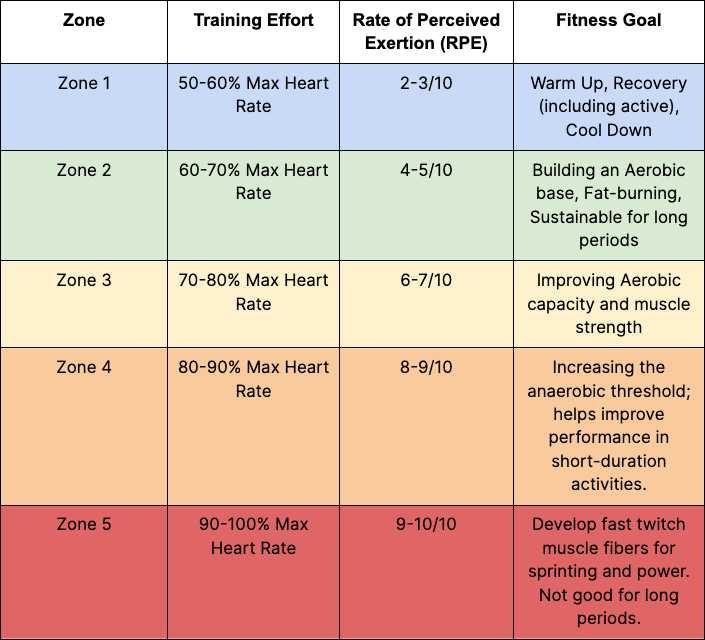
- Zone 1: Very light activity, below 60% MHR, ideal for warm-up and cool-down
- Zone 2: Moderate effort, 60-70% MHR, focus of this guide
- Zone 3: Aerobic zone, 70-80% MHR, improves cardio fitness further
- Zone 4: Anaerobic zone, 80-90% MHR, builds speed and power
- Zone 5: Maximum effort, 90-100% MHR, used for high-intensity training
Each zone has specific training benefits, but Zone 2 offers the best mix for endurance and fat burning.
Potential Challenges and How to Overcome Them
Maintaining the right heart rate can be tough, especially for beginners. Use a heart rate monitor to stay accurate. Also, start slow and gradually increase your duration as your fitness improves.
Zone 2 Cardio and Weight Loss
While high-intensity workouts burn calories quickly, Zone 2 helps sustain calorie burn for longer periods. It encourages the use of stored fat as fuel, aiding in gradual weight loss. Combining Zone 2 with a healthy diet enhances overall results.
Tracking Progress and Results
Keep a workout log to monitor how your heart rate responds to different activities. Seeing improvements in how long you can stay in Zone 2 indicates increased fitness. Over time, you’ll notice your endurance and recovery improve.
Summary of Key Points
- Zone 2 is 60-70% of your maximum heart rate
- Benefits include better endurance, fat burning, and heart health
- Engage in activities like walking, cycling, and swimming
- Use technology to monitor your heart rate accurately
- Gradually increase workout durations for optimal results
Related Topics for Further Exploration
- How to combine Zone 2 with high-intensity interval training
- The role of nutrition in maximizing Zone 2 workout benefits
- Best fitness devices for tracking heart rate zones
- Creating a balanced workout plan for overall health
By focusing on Zone 2 cardio, you build a solid foundation for long-term health and fitness. It helps improve your heart’s efficiency while making workouts more sustainable and enjoyable. Incorporating regular Zone 2 sessions can make a real difference in your overall wellness journey.
How & Why to Get Weekly "Zone 2" Cardio Workouts | Dr. Andrew Huberman
Frequently Asked Questions
What is the main benefit of training in Zone 2 cardio?
Training in Zone 2 cardio helps improve your body’s efficiency at burning fat for energy, which can enhance endurance and promote steady weight management. It also strengthens your cardiovascular system without putting excessive strain on your muscles or joints, making it ideal for long-lasting workouts.
How can I identify if I am exercising in Zone 2 cardio?
You can determine if you are in Zone 2 by monitoring your heart rate, aiming for about 60-70% of your maximum heart rate. During this exercise, you should feel like you are working but still able to carry on a conversation comfortably. Using a heart rate monitor can help keep your effort within the right range.
What are some common activities that fit into Zone 2 cardio?
Activities such as brisk walking, light jogging, cycling at a moderate pace, swimming, or even rowing typically stay within Zone 2. These exercises are effective for building aerobic capacity while remaining sustainable over longer periods.
How often should I include Zone 2 cardio sessions in my workout routine?
Incorporating Zone 2 cardio into your routine three to five times a week provides consistent cardiovascular benefits. Each session can last between 30 to 60 minutes, depending on your fitness level and goals.
Can Zone 2 training improve athletic performance in other sports?
Yes, regularly practicing Zone 2 cardio enhances your aerobic base, which supports performance in various sports. It increases your stamina and helps your body recover faster during and after intense activities, contributing to overall athletic improvement.
Final Thoughts
Whats zone 2 cardio refers to a moderate-intensity exercise zone where your heart rate stays within 60-70% of its maximum. This level of effort promotes fat burning and improves cardiovascular health without causing excessive fatigue. Incorporating zone 2 cardio into your routine can boost endurance and overall fitness. Understanding what zone 2 cardio entails helps you tailor workouts effectively and achieve sustainable progress.
As an Amazon Associate, We earn from qualifying purchases. When you purchase a product through Amazon links on pulsefitguide.com, we may earn a small commission at no extra cost to you. This helps support the site and keep our content free.