
Quick Summary:
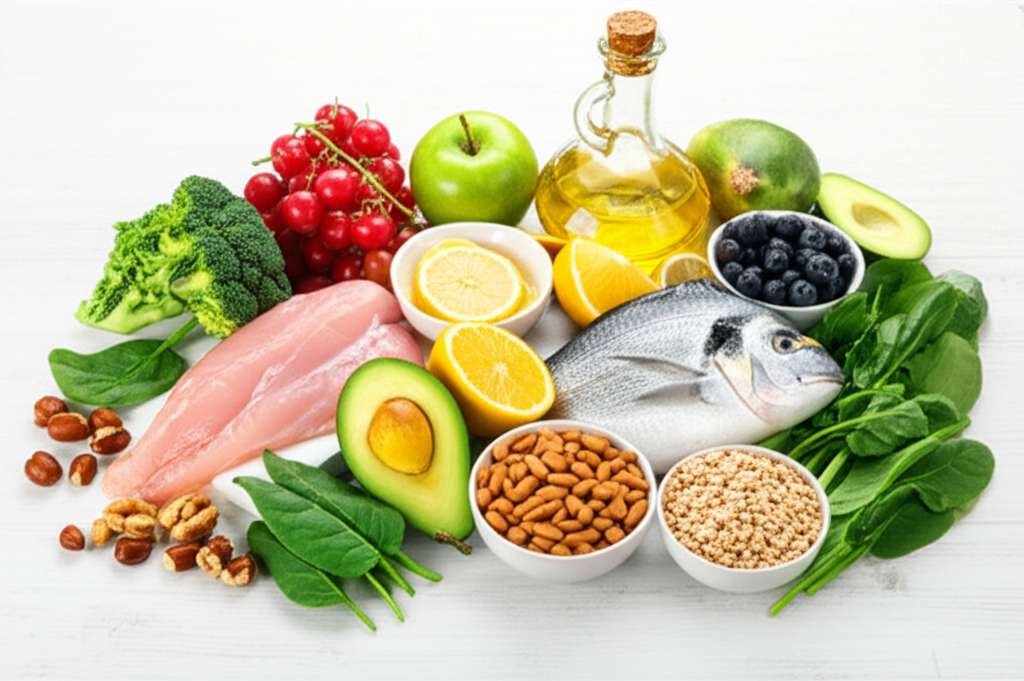
For fatty liver, focus on a diet rich in fruits, vegetables, lean proteins, and whole grains. Limit saturated fats, added sugars, and processed foods. This approach helps reduce liver fat, improve insulin sensitivity, and support overall health.
Dealing with fatty liver can feel confusing, especially when you’re just starting to figure out what works best for your body. You might be wondering if you need to follow a super strict diet or if there are simple, everyday changes you can make.

The good news is that managing fatty liver through diet is absolutely achievable, even if you’re new to this. It’s all about making smart, sustainable choices that nourish your body and help your liver heal.
This guide will break down exactly what you should be eating daily to support your liver health, step by step. We’ll cover the best food groups, what to limit, and how to build satisfying meals. Let’s dive in!
Understanding Fatty Liver and Your Diet
Fatty liver disease, also known as hepatic steatosis, is a condition where excess fat builds up in your liver. It’s becoming increasingly common, and often, diet plays a significant role in its development and management. When we talk about managing fatty liver through food, we’re essentially aiming to reduce the amount of fat stored in the liver and improve its function.
Think of your liver as your body’s main processing plant. When it’s overloaded with fat, it can’t do its job as efficiently. This can lead to inflammation and, over time, more serious liver damage. The foods you choose directly impact how much fat your liver has to process and store.
The great news is that making dietary changes can significantly reverse fatty liver, especially in its earlier stages. It’s not about deprivation; it’s about choosing foods that actively help your liver and your overall health. This guide will focus on practical, everyday foods and simple strategies you can adopt right away.
The Pillars of a Fatty Liver Diet: What to Focus On
When creating a daily eating plan for fatty liver, the focus is on nutrient-dense, whole foods that are low in unhealthy fats and sugars. These foods help reduce inflammation, improve insulin sensitivity, and promote a healthy weight, all of which are crucial for liver health. Let’s break down the key food groups you should be incorporating into your daily meals.
1. Abundant Fruits and Vegetables
Fruits and vegetables are packed with vitamins, minerals, fiber, and antioxidants. These components are vital for fighting inflammation and supporting your liver’s detoxification processes. Fiber, in particular, helps you feel full, aids digestion, and can help regulate blood sugar levels.
Aim to fill at least half your plate with these powerhouses at every meal. Variety is key to ensure you’re getting a wide range of nutrients. Think of colorful options to maximize your antioxidant intake.
- Leafy Greens: Spinach, kale, arugula, and collard greens are excellent sources of vitamins and antioxidants.
- Berries: Blueberries, strawberries, raspberries, and blackberries are rich in antioxidants and lower in sugar compared to some other fruits.
- Cruciferous Vegetables: Broccoli, cauliflower, Brussels sprouts, and cabbage contain compounds that help the liver process toxins.
- Citrus Fruits: Oranges, grapefruits, and lemons provide vitamin C and help with detoxification.
- Apples and Pears: High in fiber and good for digestive health.
- Tomatoes, Carrots, Sweet Potatoes: Offer a good dose of vitamins and beta-carotene.
2. Lean Proteins
Protein is essential for building and repairing tissues, and lean protein sources are ideal for fatty liver management because they are lower in saturated fat. Choosing lean proteins helps you stay full and supports muscle health without adding extra burden to your liver.
Include a source of lean protein with each meal to help manage appetite and maintain energy levels throughout the day. This is a crucial component for feeling satisfied and preventing overeating, which can contribute to fat buildup.
- Fish: Especially fatty fish like salmon, mackerel, and sardines, which are rich in omega-3 fatty acids. Omega-3s are known for their anti-inflammatory properties and can help reduce liver fat. Aim for at least two servings per week.
- Poultry: Skinless chicken and turkey breast are excellent sources of lean protein.
- Legumes: Beans, lentils, and chickpeas are fantastic plant-based protein sources that are also high in fiber.
- Tofu and Tempeh: Versatile soy products that provide complete plant-based protein.
- Eggs: A good source of protein and nutrients.
3. Whole Grains
Whole grains are complex carbohydrates that provide sustained energy and are rich in fiber. Unlike refined grains (like white bread or white rice), whole grains haven’t had their bran and germ removed, meaning they retain more nutrients and fiber. This helps in blood sugar control and keeps you feeling fuller for longer.
Incorporating whole grains into your diet can help manage weight and reduce the risk of insulin resistance, a common factor associated with fatty liver disease. Always opt for the whole grain version whenever possible.
- Oats: Especially rolled oats or steel-cut oats, for breakfast.
- Quinoa: A complete protein and a great source of fiber.
- Brown Rice: A healthier alternative to white rice.
- Whole Wheat Bread and Pasta: Look for “100% whole wheat” on the label.
- Barley: A hearty grain that’s great in soups and stews.
4. Healthy Fats
While it might seem counterintuitive, healthy fats are essential for managing fatty liver. These fats, particularly monounsaturated and polyunsaturated fats, can help reduce inflammation and improve cholesterol levels. The key is to choose the right kinds of fats and consume them in moderation.
These fats are crucial for absorbing fat-soluble vitamins and play a role in hormone production. They are a much better choice than saturated and trans fats, which can worsen liver fat accumulation.
- Avocado: Rich in monounsaturated fats and fiber.
- Nuts and Seeds: Almonds, walnuts, chia seeds, flaxseeds, and sunflower seeds are packed with healthy fats, fiber, and protein.
- Olive Oil: Extra virgin olive oil is a staple for healthy cooking and salad dressings.
- Fatty Fish: As mentioned in lean proteins, fish like salmon and mackerel are excellent sources of omega-3 fatty acids.
Foods to Limit or Avoid for Fatty Liver
Just as important as knowing what to eat is understanding what to limit. Certain foods can contribute to fat buildup in the liver, inflammation, and overall poor metabolic health. Reducing or eliminating these items can make a significant difference in managing your fatty liver condition.
These foods often contain high amounts of added sugars, unhealthy fats, and refined carbohydrates that your liver has to work overtime to process. By minimizing them, you give your liver a much-needed break and support its healing process.
1. Added Sugars and Sugary Drinks
This is one of the biggest culprits for fatty liver disease. Sugars, especially fructose, are readily converted into fat by the liver. Sugary drinks like soda, fruit juices (even 100% juice in large quantities), sweetened teas, and energy drinks are particularly problematic because they deliver a large sugar load quickly.
Cutting back on these is often the most impactful dietary change you can make. Even “healthy” sounding options can be loaded with sugar, so always check labels.
- Sodas and carbonated beverages
- Fruit juices (limit intake, opt for whole fruit)
- Sweetened coffees and teas
- Candy, cookies, cakes, and pastries
- Breakfast cereals with added sugar
- Sweetened yogurts
2. Unhealthy Fats: Saturated and Trans Fats
Saturated fats, found primarily in animal products and some tropical oils, and trans fats, often found in processed foods, can increase inflammation and contribute to liver fat. While some saturated fat is okay in moderation, excessive amounts are detrimental.
Trans fats are particularly harmful and are being phased out of many food supplies, but they can still be found in some baked goods, fried foods, and margarines. Always check ingredient lists for “partially hydrogenated oils,” which indicate trans fats.
- Fatty cuts of red meat
- Processed meats (sausages, bacon, hot dogs)
- Full-fat dairy products (butter, cheese, cream)
- Fried foods (French fries, doughnuts)
- Commercially baked goods made with shortening
- Margarine (especially those with partially hydrogenated oils)
3. Refined Grains and White Flour Products
Similar to added sugars, refined grains are stripped of their fiber and nutrients, causing them to be digested quickly and leading to spikes in blood sugar. This can contribute to insulin resistance and fat storage.
Swapping these for their whole grain counterparts is a simple yet effective way to improve your diet. This applies to bread, pasta, rice, and baked goods.
- White bread
- White rice
- White pasta
- Most crackers and pretzels
- Pastries and white flour baked goods
4. Alcohol
For individuals with fatty liver disease, especially alcoholic fatty liver disease, alcohol consumption is a major no-go. Even for non-alcoholic fatty liver disease (NAFLD), alcohol can put additional strain on the liver and hinder its ability to heal and function properly. It’s best to avoid it entirely or discuss safe consumption levels with your doctor.
Alcohol is metabolized by the liver, and excessive intake can directly damage liver cells and promote fat accumulation. If you have fatty liver, giving your liver a break from processing alcohol is a critical step toward recovery.
5. Processed Foods and Packaged Snacks
Processed foods are often high in unhealthy fats, added sugars, sodium, and artificial ingredients. They are typically low in essential nutrients and fiber, making them poor choices for overall health and specifically for managing fatty liver.
These foods are designed for convenience and taste, but they often come at the expense of your health. Making an effort to cook at home with fresh ingredients is one of the best strategies to avoid these pitfalls.
- Salty snacks like chips and pretzels
- Pre-packaged meals and frozen dinners
- Processed cheese
- Canned soups (unless low-sodium)
- Fast food items
Building Your Daily Meal Plan: Practical Tips
Now that we know what to eat and what to limit, let’s put it into practice. Creating a balanced daily meal plan doesn’t have to be complicated. The goal is to make healthy eating a sustainable habit.
We’ll focus on creating balanced meals that include lean protein, plenty of vegetables, a serving of whole grains, and healthy fats. This approach ensures you get a good mix of nutrients, stay satisfied, and support your liver health throughout the day.
Breakfast Ideas
Start your day with a nutrient-rich breakfast that provides sustained energy and keeps you full until your next meal. Avoid sugary cereals and pastries.
- Oatmeal: Cooked with water or unsweetened almond milk, topped with berries and a sprinkle of nuts or seeds.
- Scrambled Eggs: With spinach and mushrooms, served with a slice of whole-wheat toast.
- Greek Yogurt: Plain, unsweetened Greek yogurt with a handful of berries and a tablespoon of chia seeds.
- Smoothie: Made with unsweetened almond milk, spinach, a small banana, and a scoop of protein powder (optional).
Lunch Ideas
Lunch should be a balanced meal that provides energy for the rest of your day without causing a post-meal slump. Focus on lean protein and plenty of vegetables.
- Large Salad: Mixed greens with grilled chicken or salmon, a variety of colorful vegetables (bell peppers, cucumbers, tomatoes), and a light olive oil and lemon dressing. Add a small portion of quinoa for extra fiber.
- Lentil Soup: A hearty bowl of homemade lentil soup packed with vegetables, served with a side of whole-grain bread.
- Tuna Salad Sandwich: Made with Greek yogurt or light mayo on whole-wheat bread, served with a side salad or raw veggies.
- Leftovers: From a healthy dinner, such as baked chicken with roasted vegetables.
Dinner Ideas
Dinner is a great opportunity to load up on nutrient-dense foods. Aim for a plate that’s half vegetables, a quarter lean protein, and a quarter whole grains.
- Baked Salmon: With roasted broccoli and a small serving of brown rice.
- Chicken Stir-fry: Made with lean chicken breast, a variety of colorful vegetables (broccoli, carrots, snap peas), and a light soy sauce or tamari-based sauce, served over quinoa or brown rice.
- Lentil Shepherd’s Pie: A vegetarian take on a classic, using a lentil and vegetable base topped with mashed sweet potato.
- Lean Turkey Meatloaf: Served with steamed green beans and a small baked sweet potato.
Snack Ideas
Healthy snacks can help manage hunger between meals and prevent overeating. Choose snacks that combine protein, fiber, or healthy fats to keep you satisfied.
- A small handful of almonds or walnuts
- An apple with a tablespoon of natural peanut butter
- Carrot sticks and cucumber slices with hummus
- A small bowl of plain Greek yogurt with a few berries
- A hard-boiled egg
Hydration: The Unsung Hero
Don’t forget the importance of staying hydrated! Water plays a crucial role in nearly every bodily function, including helping your liver to process waste and toxins. When you’re well-hydrated, your kidneys can function more efficiently, which also takes some pressure off your liver.
Aim to drink plenty of water throughout the day. The amount needed can vary based on activity level, climate, and individual health, but a general guideline is around 8 glasses (64 ounces) per day. Listen to your body; thirst is a signal that you need to drink.
- Water: Your primary source of hydration.
- Herbal Teas: Unsweetened herbal teas can be a good alternative to water.
- Limit: Sugary drinks, excessive caffeine, and alcohol.
The Role of Exercise
While this guide focuses on diet, it’s impossible to talk about fatty liver management without mentioning exercise. Regular physical activity is incredibly beneficial for reducing liver fat, improving insulin sensitivity, and promoting weight loss, all of which are key to managing fatty liver disease. The Centers for Disease Control and Prevention (CDC) recommends at least 150 minutes of moderate-intensity aerobic activity per week.
Combining a healthy diet with regular exercise is a powerful one-two punch for liver health. Even moderate activity like brisk walking can make a significant difference. If you’re new to exercise, start slowly and gradually increase the intensity and duration.
Sample Daily Meal Plan for Fatty Liver
Here’s a sample day to give you a clearer picture of what a balanced, fatty liver-friendly diet can look like. Remember, this is a template, and you can adjust it based on your preferences and dietary needs.
| Meal | Description | Key Nutrients & Benefits |
|---|---|---|
| Breakfast | 1/2 cup rolled oats cooked with water, topped with 1/4 cup blueberries and 1 tbsp chopped walnuts. | Fiber (oats, blueberries), antioxidants (blueberries), healthy fats (walnuts), sustained energy. |
| Mid-Morning Snack | 1 small apple with 1 tbsp natural almond butter. | Fiber (apple), healthy fats & protein (almond butter), helps manage hunger. |
| Lunch | Large salad with 3 oz grilled chicken breast, mixed greens, 1/2 cup chopped bell peppers, 1/4 cup cucumber, 1/4 cup cherry tomatoes, and 2 tbsp olive oil & lemon juice dressing. 1/2 cup cooked quinoa on the side. | Lean protein (chicken), vitamins & minerals (vegetables), fiber (vegetables, quinoa), healthy fats (olive oil). |
| Afternoon Snack | 1/2 cup plain, unsweetened Greek yogurt with 1 tbsp chia seeds. | Protein (yogurt), omega-3s & fiber (chia seeds), satiety. |
| Dinner | 4 oz baked salmon, 1 cup steamed broccoli, and 1/2 cup brown rice. | Omega-3 fatty acids (salmon), fiber & vitamins (broccoli), complex carbs (brown rice), anti-inflammatory benefits. |
| Evening (if needed) | A small handful of unsalted almonds. | Healthy fats, protein, magnesium. |
This plan prioritizes whole, unprocessed foods and limits those that can negatively impact liver health. The combination of lean protein, fiber-rich carbohydrates, and healthy fats helps promote satiety and stable energy levels throughout the day.
Frequently Asked Questions (FAQ)
What is the fastest way to reduce fatty liver?
The fastest and most effective way to reduce fatty liver is through a combination of significant dietary changes and consistent exercise. Focusing on weight loss (if overweight or obese), drastically cutting down on sugar and unhealthy fats, and increasing intake of fruits, vegetables, and lean proteins can yield rapid improvements. However, “fast” is relative, and sustainable changes are key for long-term health.
Can I reverse fatty liver with diet alone?
Yes, in many cases, fatty liver disease, especially in its earlier stages (non-alcoholic fatty liver disease or NAFLD), can be reversed or significantly improved through diet and lifestyle changes alone. Weight loss, a healthy eating pattern, and regular physical activity are the cornerstones of management and reversal.
Is it okay to eat rice with fatty liver?
It’s best to limit refined white rice and opt for brown rice or other whole grains like quinoa, barley, or oats. Brown rice contains more fiber and nutrients than white rice, which can help with blood sugar control and satiety. If you do eat white rice, keep the portion size small.
What fruits are best for fatty liver?
Berries (blueberries, strawberries, raspberries), apples, pears, and citrus fruits (oranges, grapefruits) are excellent choices. They are rich in antioxidants and fiber, which help combat inflammation and support liver health. It’s still important to consume fruits in moderation as they contain natural sugars.
Can I drink coffee if I have fatty liver?
For most people with fatty liver disease, moderate coffee consumption (black, without added sugar or cream) is generally considered safe and may even be beneficial. Studies suggest coffee can have protective effects on the liver. However, it’s always best to discuss your individual situation with your doctor.
What are the warning signs of fatty liver progression?
Early stages of fatty liver often have no symptoms. As it progresses, symptoms can include fatigue, weakness, abdominal pain or discomfort (especially in the upper right side), unexplained weight loss, jaundice (yellowing of skin and eyes), swelling in the legs and abdomen, and confusion. If you experience any of these, consult a healthcare professional immediately.
How much water should I drink daily for fatty liver?
Staying well-hydrated is crucial. Aim for at least 8 glasses (about 2 liters or 64 ounces) of water per day. This helps your body flush out toxins and supports overall organ function, including your liver. Increase your intake if you are very active or in a hot climate.
Conclusion
Managing fatty liver disease through your daily diet is an empowering journey. By focusing on whole, nutrient-dense foods like fruits, vegetables, lean proteins, and whole grains, you are actively supporting your liver’s health and promoting its ability to heal. Simultaneously, being mindful of limiting added sugars, unhealthy fats, refined carbohydrates, and alcohol can significantly reduce the burden on your liver.
Remember, consistency is key. Making small, sustainable changes to your eating habits over time will yield the best results. Don’t aim for perfection; aim for progress. Listen to your body, stay hydrated, incorporate regular physical activity, and don’t hesitate to seek guidance from healthcare professionals. Your liver will thank you for the mindful nourishment!
As an Amazon Associate, We earn from qualifying purchases. When you purchase a product through Amazon links on pulsefitguide.com, we may earn a small commission at no extra cost to you. This helps support the site and keep our content free.