
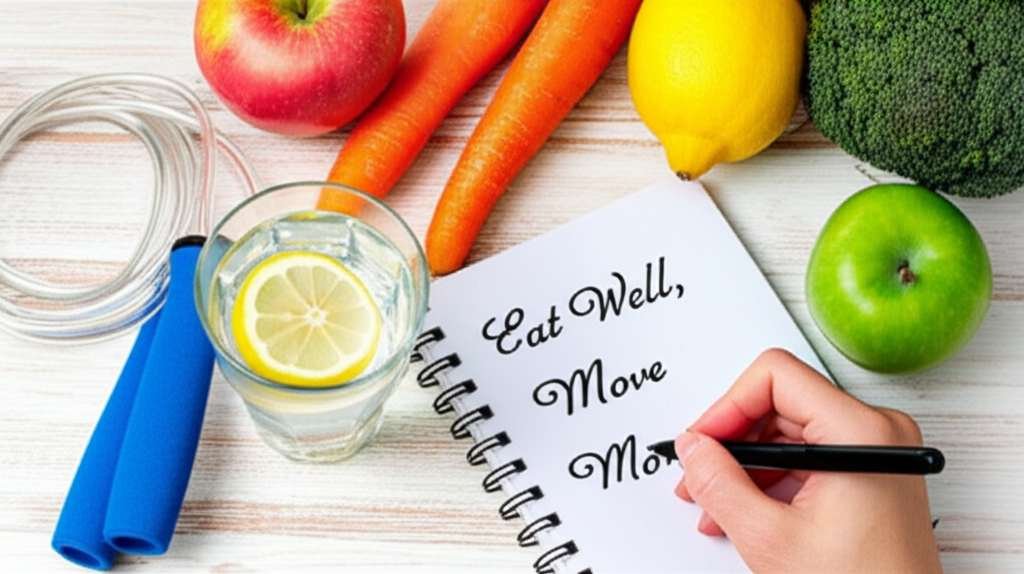
The easiest and cheapest way to lose weight focuses on sustainable lifestyle changes: prioritizing whole foods, increasing physical activity through enjoyable movement, managing stress, and getting enough sleep. These habits are budget-friendly and don’t require drastic measures.
Trying to lose weight can feel overwhelming, right? You see all sorts of complicated diets and expensive programs advertised. It’s easy to get discouraged when it seems like you need a lot of money and time to see results.
But what if I told you that losing weight can actually be simple and affordable? It’s true! The most effective strategies are often the most straightforward ones.
This guide is designed to break down weight loss into easy, actionable steps. We’ll focus on smart choices that fit your budget and your life.
Ready to discover how to make weight loss achievable without breaking the bank? Let’s get started on your journey to a healthier you!
Understanding Weight Loss: The Simple Science

At its core, losing weight is about energy balance. Your body needs energy (calories) to function. You get this energy from food and drinks. You burn energy through your daily activities, from breathing to exercising.
When you consume more calories than your body uses, the extra energy is stored, often as fat. When you consistently consume fewer calories than your body uses, it starts to tap into those stored reserves for energy, leading to weight loss. This is called a calorie deficit.
The Myth of “Quick Fixes’
Many people believe there’s a magic pill or a super-restrictive diet that will melt away pounds overnight. Unfortunately, these “quick fixes” rarely work long-term. They can be expensive, unhealthy, and lead to yo-yo dieting, where you lose weight only to regain it.
Sustainable weight loss comes from making lasting changes to your habits. Think of it like building a strong foundation for a house – it takes time and consistent effort, but it creates a stable structure.
Why ‘Easiest and Cheapest’ Matters
The terms “easiest” and “cheapest” are important because they address two major hurdles for many people: time and money. If a weight loss plan is too difficult to stick to or too expensive, it’s unlikely to be successful in the long run.
Our goal here is to find strategies that are:
- Accessible to everyone, regardless of budget.
- Simple enough to integrate into daily life.
- Enjoyable enough to maintain for a lifetime.
The Cheapest and Easiest Strategies for Weight Loss
Let’s dive into the practical, budget-friendly ways to kickstart your weight loss journey. These are the habits that will make the biggest difference without costing a fortune.
1. Focus on Whole Foods
What you eat is a huge part of weight loss. Prioritizing whole, unprocessed foods is not only healthier but also often cheaper than relying on pre-packaged meals or restaurant food.
What are Whole Foods?
Whole foods are foods that are close to their natural state. This means they haven’t been heavily processed, refined, or altered. Examples include:
- Fruits
- Vegetables
- Whole grains (oats, brown rice, quinoa)
- Legumes (beans, lentils)
- Lean proteins (chicken breast, fish, eggs, tofu)
- Nuts and seeds
Why They Are Budget-Friendly and Effective
Buying raw ingredients and preparing your own meals can be significantly cheaper than buying convenience foods. For example, a bag of dried lentils costs very little and can make multiple meals. Similarly, seasonal vegetables are often more affordable and packed with nutrients.
Whole foods are also naturally lower in calories and higher in fiber and nutrients. Fiber helps you feel full for longer, which can reduce overall calorie intake without feeling deprived. This makes managing your appetite much easier.
Smart Grocery Shopping Tips
- Buy in Season: Fruits and vegetables are cheapest when they are in season.
- Cook Dried Beans and Lentils: They are incredibly cheap and versatile.
- Choose Frozen or Canned (No Salt Added): Frozen fruits and vegetables are often just as nutritious as fresh and last longer, preventing waste. Canned options, like beans or tuna, can be cost-effective too, just opt for low-sodium or water-packed versions.
- Plan Your Meals: Knowing what you’ll eat helps you buy only what you need, reducing impulse purchases and food waste.
- Look for Sales and Use Coupons: Keep an eye on weekly flyers for discounts on staples.
- Consider Store Brands: Generic brands are often much cheaper than name brands and the quality is usually comparable.
2. Hydration is Key: Drink More Water
Water is essential for life and a powerful, free tool for weight loss. It has zero calories and can help you feel full, boost metabolism, and improve overall bodily functions.
Often, we mistake thirst for hunger. Drinking a glass of water before a meal can help you gauge your actual hunger levels and potentially eat less. Staying well-hydrated also supports your body’s ability to burn fat efficiently.
How Much Water Should You Drink?
A general guideline is to drink about eight 8-ounce glasses of water per day (about 2 liters). However, individual needs vary based on activity level, climate, and health. Listening to your body and drinking when you feel thirsty is a good starting point.
Tips for Drinking More Water
- Carry a Reusable Water Bottle: Keep water with you wherever you go.
- Flavor Your Water Naturally: Add slices of lemon, lime, cucumber, or berries for a refreshing taste without added sugar.
- Set Reminders: Use your phone or computer to prompt you to drink water throughout the day.
- Drink Water Before Meals: This can help you feel fuller and eat less.
- Replace Sugary Drinks: Swap sodas, juices, and sweetened coffees/teas with water. This is a huge calorie saver!
3. Move Your Body: Find Joy in Activity
Exercise is crucial for weight loss, but it doesn’t have to mean expensive gym memberships or grueling workouts. The easiest and cheapest way to increase your activity is to incorporate more movement into your daily routine in ways you actually enjoy.
Physical activity burns calories, builds muscle (which boosts your metabolism), and has fantastic benefits for your mental health, which can indirectly help with weight management by reducing stress eating.
Affordable and Accessible Activities
- Walking: This is arguably the most accessible form of exercise. It’s free, requires no special equipment, and can be done almost anywhere. Aim for a brisk pace to maximize the calorie burn.
- Home Workouts: There are countless free workout videos online (YouTube is a goldmine!) offering everything from yoga and Pilates to HIIT and strength training.
- Dancing: Put on your favorite music and dance around your living room! It’s a fun way to burn calories and boost your mood.
- Stairs: If you have access to stairs at home or work, use them instead of elevators or escalators.
- Bodyweight Exercises: Exercises like squats, lunges, push-ups, and planks require no equipment and can be done anywhere.
- Outdoor Activities: Hiking, cycling (if you own a bike), or even playing sports in a local park can be great ways to stay active.
Making Movement a Habit
Start small. Even 10-15 minutes of extra movement per day can make a difference. Gradually increase the duration and intensity as you get fitter. The key is consistency and finding activities you genuinely enjoy, so it doesn’t feel like a chore.
For more information on the benefits of physical activity, the Centers for Disease Control and Prevention (CDC) offers excellent resources.
4. Prioritize Sleep
Sleep might seem unrelated to weight loss, but it plays a critical role. Lack of sleep can disrupt hormones that control appetite, leading to increased hunger and cravings for unhealthy foods.
When you’re sleep-deprived, your body produces more ghrelin (the hunger hormone) and less leptin (the satiety hormone). This hormonal imbalance makes it harder to control your appetite and can lead to overeating, especially high-calorie, low-nutrient foods.
How Much Sleep Do You Need?
Most adults need 7-9 hours of quality sleep per night. Aiming for this amount consistently can significantly impact your weight management efforts.
Tips for Better Sleep
- Establish a Regular Sleep Schedule: Go to bed and wake up around the same time each day, even on weekends.
- Create a Relaxing Bedtime Routine: This could include reading, taking a warm bath, or gentle stretching.
- Make Your Bedroom Sleep-Friendly: Keep it dark, quiet, and cool.
- Limit Screen Time Before Bed: The blue light emitted from phones and computers can interfere with sleep.
- Avoid Caffeine and Heavy Meals Close to Bedtime: These can disrupt your sleep patterns.
5. Manage Stress Effectively
Stress is a major trigger for emotional eating and can lead to weight gain. When you’re stressed, your body releases cortisol, a hormone that can increase appetite and encourage the body to store fat, particularly around the abdomen.
Finding healthy ways to cope with stress can make a significant difference in your ability to manage your weight and overall well-being.
Budget-Friendly Stress Management Techniques
- Deep Breathing Exercises: Simple, free, and can be done anywhere.
- Mindfulness and Meditation: Many free apps and online resources can guide you through short meditation sessions.
- Spending Time in Nature: A walk in a park or simply sitting outdoors can be incredibly calming.
- Journaling: Writing down your thoughts and feelings can be a great release.
- Talking to a Friend or Family Member: Sharing your worries with someone you trust can lighten the load.
- Engaging in Hobbies: Doing something you love, whether it’s reading, drawing, or listening to music, can be a great stress reliever.
Learning to identify your stress triggers and developing a toolkit of coping mechanisms is a vital, low-cost strategy for successful weight management.
Budgeting for Healthy Eating
Let’s talk practicalities. Healthy food doesn’t have to be expensive. It’s all about smart planning and making informed choices.
Meal Planning and Preparation
This is perhaps the most powerful tool for saving money on food and losing weight. When you plan your meals, you know exactly what ingredients you need, which prevents impulse buys and reduces food waste.
Steps to Meal Planning Success:
- Weekly Menu: Decide what meals you’ll eat for breakfast, lunch, and dinner for the upcoming week.
- Create a Shopping List: Based on your menu, list all the ingredients you need. Stick to this list at the grocery store!
- Batch Cooking: Dedicate a few hours on the weekend to prepare components or full meals. This could involve chopping vegetables, cooking a large batch of grains, or making a hearty soup.
- Portion Control: When you portion out your meals in advance, you’re less likely to overeat when hunger strikes.
Smart Swaps for Cheaper, Healthier Meals
You can make delicious and healthy meals without spending a fortune by making simple swaps.
Example Meal Swaps Table
| Less Healthy/More Expensive Option | Cheaper & Healthier Alternative | Why it’s Better |
|---|---|---|
| Pre-made Salads | Bagged Salad Mix + Your Own Veggies + Homemade Dressing | Cheaper ingredients, control over dressing (less sugar/fat). |
| Boxed Cereal | Oatmeal (rolled oats) | More fiber, keeps you full longer, significantly cheaper. |
| Packaged Snacks (chips, cookies) | Fresh fruit, a handful of nuts, or plain yogurt | Nutrient-dense, fiber-rich, less processed, more filling. |
| Restaurant Takeout/Delivery | Home-cooked Stir-fry with chicken/tofu and lots of veggies | Control ingredients, much lower cost, healthier preparation. |
| Sugary Juices/Sodas | Water (with lemon/lime), unsweetened tea | Zero calories, essential for hydration, free or very low cost. |
Understanding Value: Cost Per Serving
When grocery shopping, it’s helpful to think about the cost per serving. Some foods might have a higher upfront cost but end up being cheaper because they yield so many servings.
For instance, a large bag of rice or a pound of dried beans might seem more expensive than a small box of pasta, but when you calculate the cost per serving, the rice and beans are much more economical and healthier.
Resources like MyPlate from the USDA offer guidance on building healthy, affordable meals.
Making it Last: Sustainable Habits
The goal isn’t just to lose weight, but to keep it off and feel healthier overall. This means building habits that you can maintain for the long haul.
Listen to Your Body’s Hunger and Fullness Cues
One of the most important skills for sustainable weight loss is learning to recognize your body’s natural hunger and fullness signals. This is called mindful eating.
Instead of eating because it’s a certain time, you’re stressed, or food is available, you eat when you’re genuinely hungry and stop when you’re comfortably full. This natural regulation prevents overeating and helps you maintain a healthy weight without strict dieting.
Tips for Mindful Eating:
- Eat Slowly: Take your time to chew your food thoroughly.
- Minimize Distractions: Avoid eating in front of the TV or computer. Focus on your food.
- Savor Each Bite: Pay attention to the taste, texture, and smell of your food.
- Check In With Yourself: Ask yourself if you’re still hungry before taking another bite or reaching for seconds.
Consistency Over Perfection
Nobody is perfect, and there will be days when you don’t eat perfectly or miss a workout. That’s okay! The key is not to let one “off” day derail your progress.
If you have a less-than-ideal meal, simply get back on track with your next meal. If you miss a workout, aim to move your body the next day. Small, consistent efforts add up over time. Focus on progress, not perfection.
Celebrate Small Wins
Weight loss is a journey, and it’s important to acknowledge and celebrate your achievements along the way. This keeps you motivated and reinforces positive behaviors.
Did you choose water over soda? Great! Did you go for a walk even though you didn’t feel like it? Fantastic! Did you cook a healthy meal at home instead of ordering takeout? Amazing! Acknowledge these successes, no matter how small they seem.
Frequently Asked Questions (FAQs)
Q1: Can I really lose weight without spending a lot of money?
Absolutely! The easiest and cheapest way to lose weight relies on sustainable lifestyle changes like eating whole foods, drinking water, moving more, and managing stress. These strategies are often more affordable than fad diets or expensive gym memberships.
Q2: What are the best cheap foods for weight loss?
Excellent budget-friendly options include: oats, beans, lentils, brown rice, seasonal vegetables and fruits, eggs, and chicken breast (especially when bought in bulk or on sale). These foods are nutrient-dense and filling.
Q3: How much exercise do I need to do to lose weight?
You don’t need intense workouts. Aim for at least 150 minutes of moderate-intensity aerobic activity (like brisk walking) per week, plus muscle-strengthening activities a couple of times a week. Start with what you can manage and gradually increase. Even daily walks make a big difference.
Q4: Is it okay to eat snacks if I’m trying to lose weight?
Yes, snacks can be helpful to manage hunger between meals. Opt for healthy, whole-food snacks like a piece of fruit, a small handful of nuts, a hard-boiled egg, or some plain yogurt. The key is portion control and choosing nutrient-dense options.
Q5: How can I stay motivated when weight loss feels slow?
Focus on non-scale victories like having more energy, sleeping better, or clothes fitting more comfortably. Track your progress beyond the number on the scale. Remind yourself why you started, celebrate small wins, and remember that consistency is more important than speed.
Q6: Do I need to buy special “diet” foods?
No! Special diet foods are often expensive and unnecessary. The focus should be on whole, unprocessed foods that are naturally healthy and affordable. Your regular grocery store has everything you need.
Conclusion
Losing weight doesn’t require a huge budget or complex plans. By focusing on simple, science-backed habits – eating whole foods, staying hydrated, moving your body joyfully, getting enough sleep, and managing stress – you can achieve your goals affordably and sustainably.
Remember, consistency is your greatest ally. Small, daily choices add up to significant long-term results. Be patient with yourself, celebrate your progress, and trust in the power of these fundamental, budget-friendly strategies. You’ve got this!
As an Amazon Associate, We earn from qualifying purchases. When you purchase a product through Amazon links on pulsefitguide.com, we may earn a small commission at no extra cost to you. This helps support the site and keep our content free.