
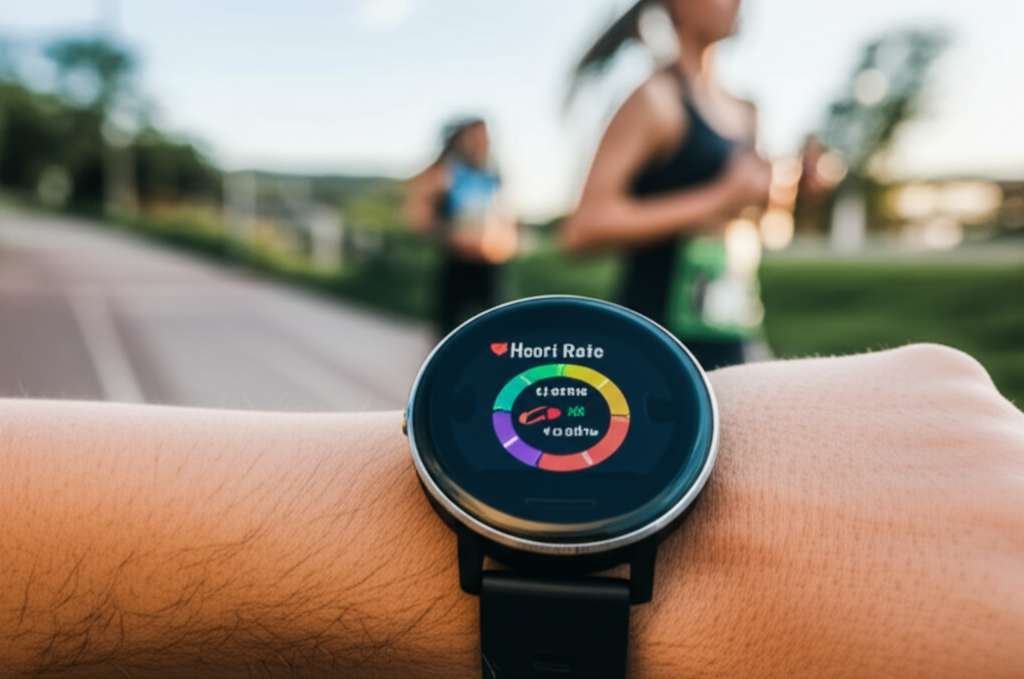
Don’t get confused by heart rates! The “fat burn” zone is a specific heart rate range that helps your body use more fat for energy. “Cardio” heart rate is a broader range for overall heart health and fitness. Knowing both helps you train smarter and reach your goals faster!
Hey there, fitness explorer! Ever feel a little lost when you hear terms like “fat burn zone” or “cardio heart rate”? You’re not alone! It can sound complicated, but it’s actually super simple once you know the basics. Think of it like this: your body has different gears it can use for energy. We’re going to figure out which gears help you burn more fat and which ones give you a great heart workout. Ready to unlock the secrets and make your workouts work better for you? Let’s get moving!
Why Heart Rate Matters for Fat Burn
Your heart is your body’s engine. When you exercise, your heart rate goes up. This tells you how hard your body is working. Different heart rates mean your body is using energy in different ways. Understanding this helps you pick the right workout intensity. This means you can burn more fat and get fitter!
What’s the “Fat Burn Zone”?
This is a special heart rate range. When you’re in the fat burn zone, your body prefers to use fat for fuel. It’s like telling your body, “Hey, let’s use that stored energy!” It’s usually a lower to moderate intensity. This means you can often do it for a longer time. Think of it as a steady, sustainable way to tap into fat stores.

How to Find Your Fat Burn Zone
It’s not super complicated to figure out! You just need to know your maximum heart rate.
- Estimate Your Max Heart Rate: A simple way is to subtract your age from 220. So, if you’re 30, your max heart rate is roughly 220 – 30 = 190 beats per minute (bpm).
- Calculate the Fat Burn Zone: This zone is typically 60-70% of your maximum heart rate. For our 30-year-old example (max HR of 190):
- Lower end: 190 0.60 = 114 bpm
- Upper end: 190 0.70 = 133 bpm
So, for this person, the fat burn zone is around 114-133 bpm.
Remember, this is an estimate. Your actual zone might be a little different.
What’s the “Cardio Heart Rate Zone”?
The cardio heart rate zone is broader. It’s any heart rate that gets your heart pumping effectively. This is great for improving your heart and lung health. It also burns calories. This zone includes the fat burn zone but goes higher.
Understanding Cardio Zones
There are actually a few different cardio zones, and they each do something awesome for your body.
- Zone 1: Very Light (50-60% of Max HR) – This is like a warm-up or cool-down. It helps with recovery.
- Zone 2: Light (60-70% of Max HR) – This is your “fat burn zone”! Great for endurance and burning fat.
- Zone 3: Moderate (70-80% of Max HR) – You’ll feel your breathing get heavier. This zone is excellent for building cardiovascular fitness and burning more calories overall.
- Zone 4: Hard (80-90% of Max HR) – This is for high-intensity efforts. It boosts your VO2 max (how much oxygen your body can use).
- Zone 5: Maximum (90-100% of Max HR) – Short bursts of all-out effort. This is very taxing and used in specific training.
For general fitness and fat loss, Zones 2 and 3 are your best friends!
Fat Burn vs. Cardio: The Key Differences
So, what’s the big deal? Why care about the difference?
The main difference is the goal and how your body uses fuel. In the fat burn zone (Zone 2), your body is very efficient at using fat for energy. In higher cardio zones (Zones 3 and up), your body starts burning more carbohydrates for energy. But here’s the cool part: higher intensity cardio burns more total calories in the same amount of time! So, even if less of that comes directly from fat during the workout, the overall calorie burn can be higher, leading to more fat loss over time.
Let’s break it down:
| Feature | Fat Burn Zone (Zone 2) | Cardio Heart Rate Zone (Zones 3-5) |
|---|---|---|
| Primary Fuel Used | Fat | Carbohydrates (and some fat) |
| Intensity | Lower to Moderate (can talk in short sentences) | Moderate to High (talking is difficult) |
| Duration | Can be longer | Often shorter due to higher intensity |
| Main Benefit | Efficient fat utilization, endurance building | Improved cardiovascular health, higher calorie burn, increased VO2 max |
Why Both Are Important for Your Fitness Journey
You might be thinking, “Should I just stay in the fat burn zone?” Not necessarily! Both zones have amazing benefits.
Mixing it up is key! A good fitness plan includes a variety of intensities. This keeps your body guessing and prevents plateaus. It also makes workouts more fun and less boring. You get the best of both worlds: efficient fat burning and a super strong heart!
Putting It Into Practice: Workouts for Each Zone
Let’s talk about what kinds of activities fit into these zones.
Workouts for the Fat Burn Zone (Zone 2)
These are activities where you can hold a conversation but are still working.
- Brisk Walking: A fantastic way to start. You can easily chat with a friend.
- Light Jogging: Not a sprint, just a steady pace.
- Cycling (Leisurely Pace): Enjoy the scenery while you burn fat.
- Elliptical Trainer: A low-impact option that gets your heart rate up.
- Swimming (Steady Pace): Great for a full-body workout.
Workouts for Cardio Heart Rate Zones (Zones 3-5)
These workouts are more challenging and get your heart really pumping.
- Running: Pushing the pace a bit more than jogging.
- High-Intensity Interval Training (HIIT): Short bursts of maximum effort followed by brief rests.
- Cycling (Faster Pace or Hills): Adding resistance or speed.
- Aerobics Classes: Many classes are designed to keep your heart rate elevated.
- Circuit Training: Moving quickly from one exercise to another.
How to Measure Your Heart Rate
You don’t need fancy gear to start!
- Manual Check (Pulse):
- Place your index and middle fingers on your wrist or neck.
- Count the beats for 15 seconds.
- Multiply that number by 4 to get your beats per minute (bpm).
- Fitness Trackers/Smartwatches: These devices give you a continuous reading of your heart rate. They are super convenient!
- Chest Straps: These are generally the most accurate for real-time heart rate monitoring during exercise.
Sample Workout Plan: Mixing It Up!
Here’s a simple plan to get you started. Adjust it based on how you feel!
| Day | Activity | Target Heart Rate Zone | Duration |
|---|---|---|---|
| Monday | Brisk Walk or Light Jog | Zone 2 (Fat Burn) | 30-40 minutes |
| Tuesday | Strength Training (bodyweight or weights) | Not focused on HR, focus on form | 20-30 minutes |
| Wednesday | Moderate Cardio (e.g., Cycling, Elliptical) | Zone 3 (Cardio) | 25-35 minutes |
| Thursday | Rest or Active Recovery (light stretching, easy walk) | Zone 1 | 15-20 minutes |
| Friday | HIIT or Interval Running | Zones 4-5 (briefly), with recovery | 15-20 minutes (including warm-up/cool-down) |
| Saturday | Longer, Steady Cardio (e.g., hike, swim) | Zone 2 (Fat Burn) | 45-60 minutes |
| Sunday | Rest | – | – |
Tips for Maximizing Fat Burn
Want to give your fat-burning efforts a little extra boost? Try these!
- Stay Hydrated: Drink plenty of water throughout the day. It helps your body function smoothly.
- Fuel Smart: Eat balanced meals. Focus on whole foods.
- Consistency is Key: Aim for regular workouts, even if they are short.
- Listen to Your Body: Rest when you need to. Don’t push through pain.
- Add Strength Training: Building muscle helps your body burn more calories even at rest!
Common Mistakes to Avoid
Even the best intentions can sometimes lead to a few stumbles. Let’s avoid them!
- Only doing low-intensity cardio: You might miss out on the benefits of higher intensity.
- Doing only high-intensity cardio: This can lead to burnout or injury if not managed.
- Ignoring your heart rate: Not knowing your zones means you might not be working efficiently.
- Not warming up or cooling down: This prepares your body and helps with recovery.
- Expecting instant results: Fat loss and fitness take time and patience.
Frequently Asked Questions
Got more questions? I’ve got you covered!
Q1: How long does it take to burn fat?
A: Fat loss is a journey! It depends on your diet, activity level, and consistency. You’ll start seeing changes over weeks and months, not days. Focus on progress, not perfection!
Q2: What’s the best time to work out for fat loss?
A: The best time is whenever you can stick with it! Some people like morning workouts to kickstart their metabolism, others prefer evenings. Find what works for your schedule and energy levels.
Q3: Do I need a gym to lose weight?
A: Absolutely not! You can get a great workout at home with just your bodyweight, resistance bands, or simple equipment. Walking outdoors is also fantastic!
Q4: How can I stay motivated every day?
A: Set realistic goals, find a workout buddy, try new activities to keep it fresh, and celebrate your small wins! Remember why you started.
Q5: What should I eat before or after exercise?
A: Before, a light snack with carbs and a little protein can give you energy (like a banana or toast). After, focus on protein and carbs to help your muscles recover (like chicken and rice or Greek yogurt).
Q6: How much water should I drink daily?
A: A good rule of thumb is about 8 glasses (64 ounces) a day. You’ll need more if you’re exercising or it’s hot!
Q7: How many rest days should I take?
A: Rest days are super important for muscle repair and preventing burnout! Aim for 1-2 rest days per week, or more if you’re feeling tired. Active recovery like a light walk counts!
Unlock Your Potential!
See? It’s not so scary after all! Understanding the difference between the fat burn heart rate zone and the broader cardio heart rate zone is a powerful tool. It helps you train smarter, burn fat more effectively, and build a stronger, healthier heart.
Remember, fitness is a journey, and every step you take is progress. Whether you’re in the steady fat-burning zone or pushing yourself in a higher cardio zone, you’re doing something amazing for yourself. Keep moving, keep learning, and most importantly, keep enjoying the process. You’ve got this – one step, one workout, one healthy choice at a time!
As an Amazon Associate, We earn from qualifying purchases. When you purchase a product through Amazon links on pulsefitguide.com, we may earn a small commission at no extra cost to you. This helps support the site and keep our content free.