
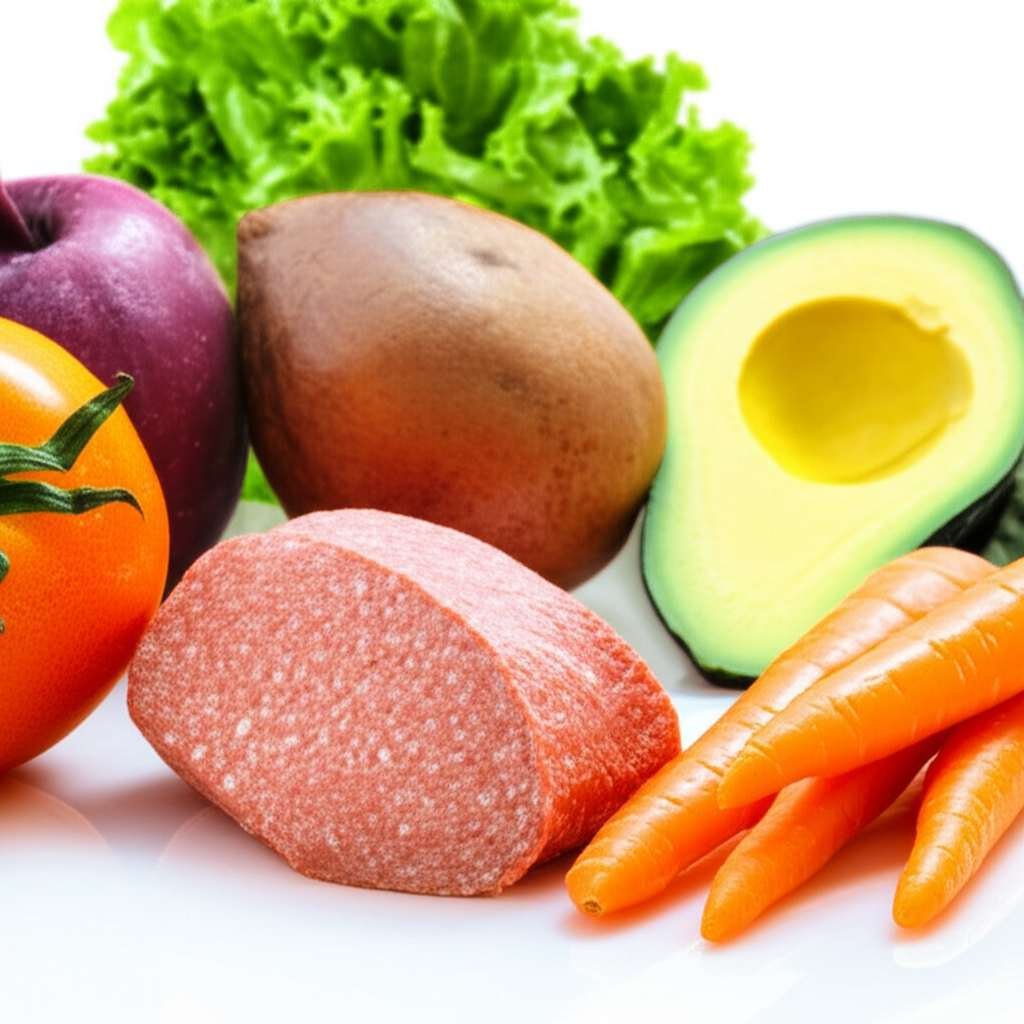
Burning fat and carbs means your body uses different fuel sources. Think of it like choosing between a quick burst of energy (carbs) and long-lasting power (fat). Understanding this helps you eat and move smarter to reach your fitness goals!
Hey there, fitness friend! Feeling a little tired or unsure about how your body uses energy? You’re not alone! Sometimes, the world of fitness can feel super complicated. But what if I told you that understanding how your body burns fat versus carbs is actually pretty simple? It’s like learning a secret code to unlock more energy and reach those awesome fitness goals. We’re going to break it down together, step-by-step. Get ready to feel empowered and excited about your journey! Let’s dive in and make fitness feel fun and easy!
Your Body: An Energy-Making Machine
Imagine your body is a super cool car. It needs fuel to run, right? Well, your body has two main types of fuel: carbohydrates (carbs) and fats. Both are important, but they work a little differently. Knowing this difference can help you make smarter choices for your workouts and your meals. It’s not about picking one over the other, but understanding how to use them best!
Carbs: The Quick Energy Boost
Carbohydrates are your body’s go-to fuel for quick energy. Think of them as the premium gasoline for your car when you need to accelerate fast. When you eat carbs, your body breaks them down into sugar (glucose). This glucose then enters your bloodstream and is used by your muscles and brain for immediate energy.

When Do You Burn Carbs?
During intense workouts: When you’re sprinting, lifting heavy weights, or doing anything that requires a lot of power in a short time, your body loves to use carbs. They are the fastest way to get energy.
When you eat carbs: If you just had a meal rich in bread, pasta, fruits, or sugary snacks, your body will prioritize using that glucose for energy.
Why Carbs Are Great
Carbs are essential for high-intensity activities and for keeping your brain focused. They give you that immediate “oomph” you need to push through a tough set or a fast-paced run.
Fat: The Long-Lasting Power Source
Fat is your body’s fuel for endurance and lower-intensity activities. Think of fat as the reserve fuel tank in your car, perfect for long road trips. Your body stores fat when you eat more calories than you need, and it’s a very efficient energy source. It takes a little longer for your body to break down fat for energy compared to carbs, but it can provide fuel for much longer periods.
When Do You Burn Fat?
During longer, lower-intensity workouts: Activities like brisk walking, steady-state jogging, or long bike rides are great for tapping into fat stores for energy.
When you haven’t eaten recently: If your body’s immediate glucose supply is low (like after a few hours without eating), it will start to access your stored fat for energy.
When your carb stores are depleted: After prolonged exercise, your body will shift to burning more fat for fuel.
Why Fat is Important
Burning fat is key for weight management and overall health. It provides sustained energy and is vital for many bodily functions. Plus, having access to your fat stores means you have a virtually endless supply of energy for endurance activities!
The Big Difference: Speed vs. Endurance
The main difference between burning fat and carbs comes down to speed and duration.
Carbs provide quick, readily available energy for intense bursts.
Fat provides sustained, long-lasting energy for endurance.
Your body is smart! It uses whichever fuel source is most readily available and best suited for the activity you’re doing.
How Your Body Chooses Its Fuel
Your body is constantly switching between burning carbs and fat. This is often called your “metabolic flexibility.”
The Carb-Burning Zone
This happens when you’re doing high-intensity activities or when you’ve recently eaten a meal with carbs. Your body easily accesses the glucose from your bloodstream.
The Fat-Burning Zone
This happens during lower-intensity, longer-duration activities, or when your body’s glucose levels are low. Your body needs to work a bit harder to break down fat for energy.
Putting It Into Action: Fueling Your Workouts
Understanding this difference helps you plan your meals and workouts for the best results.
Pre-Workout Fuel: Carbs for Power!
If you’re heading into a high-intensity workout (like a HIIT class or a heavy lifting session), having some easily digestible carbs beforehand can give you the energy you need.
Good choices: A banana, a small bowl of oatmeal, or a piece of whole-wheat toast.
Timing: Aim to eat about 1-2 hours before your workout.
Longer Workouts & Fat Burning
For longer, steady-state cardio sessions (like a 45-minute jog), your body will naturally start to tap into fat stores after about 30-45 minutes.
Post-Workout Recovery
After any workout, your body needs to refuel. Combining protein with carbs helps repair muscles and replenish energy stores.
Can You Choose To Burn More Fat?
Yes, you absolutely can influence your body to burn more fat! It’s all about creating the right conditions.
1. Move More, Move Smarter
Embrace Cardio: Activities like jogging, cycling, swimming, and brisk walking are fantastic for burning fat. Aim for at least 150 minutes of moderate-intensity cardio per week.
Try HIIT: High-Intensity Interval Training can also be very effective for fat burning, even after your workout is over (this is called the “afterburn effect”).
Strength Training is Key: Building muscle boosts your metabolism, meaning you burn more calories (including fat) even at rest. Don’t skip those weights!
2. Smart Eating Habits
Focus on Whole Foods: Eat plenty of vegetables, fruits, lean proteins, and healthy fats. These foods are nutrient-dense and help keep you full.
Control Portions: Even healthy foods have calories. Be mindful of how much you’re eating.
Hydrate, Hydrate, Hydrate! Drinking enough water is crucial for metabolism and can help with fat burning.
3. Listen To Your Body
Sleep Well: Poor sleep can mess with your hormones, making fat loss harder. Aim for 7-9 hours of quality sleep per night.
Manage Stress: High stress levels can also lead to weight gain. Find ways to relax and de-stress.
Fat Burning vs. Carb Burning Workouts: A Quick Look
Here’s a simple breakdown of how different types of exercise use fuel:
| Workout Type | Primary Fuel Source | Why It Works for Fat Burning |
|---|---|---|
| High-Intensity Interval Training (HIIT) | Carbs (during intense bursts), then Fat (afterburn effect) | Burns a lot of calories in a short time and increases metabolism for hours afterward. |
| Steady-State Cardio (e.g., Jogging, Cycling) | Primarily Fat (after initial carb use) | Longer duration allows the body to efficiently tap into fat stores for sustained energy. |
| Strength Training (Weight Lifting) | Carbs (for immediate energy), then Fat (for recovery and increased metabolism) | Builds muscle, which increases your resting metabolic rate, meaning you burn more calories (fat included) all day long. |
Simple Meal Ideas to Support Your Goals
Eating right doesn’t have to be complicated! Focus on foods that provide sustained energy and help your body utilize fat.
Breakfast Boosters
Oatmeal with berries and nuts
Scrambled eggs with spinach and whole-wheat toast
Greek yogurt with fruit and chia seeds
Lunchtime Power-Ups
Large salad with grilled chicken or fish, lots of veggies, and a light vinaigrette
Lentil soup with a side of whole-grain bread
Turkey or veggie wrap on a whole-wheat tortilla
Dinner Delights
Baked salmon with roasted broccoli and quinoa
Lean chicken breast stir-fry with mixed vegetables and brown rice
Vegetable curry with chickpeas and a small portion of basmati rice
Common Mistakes to Avoid
We all make mistakes when starting out, and that’s okay! Here are a few common ones to watch out for.
Cutting out all carbs: Carbs are not the enemy! They are essential for energy. Focus on smart carbs like whole grains and fruits.
Doing only one type of exercise: Mix it up! Combine cardio and strength training for the best results.
Not eating enough: Your body needs fuel. Severe calorie restriction can slow your metabolism.
Ignoring sleep and stress: These play a HUGE role in your body’s ability to burn fat and recover.
Expecting overnight results: Fitness is a journey, not a race. Be patient and consistent.
Your Daily Energy Strategy
Here’s a simple plan to help you manage your energy and encourage fat burning throughout the day:
1. Morning Hydration: Start your day with a big glass of water.
2. Balanced Breakfast: Include protein and healthy fats to stay full longer.
3. Mid-Morning Snack (if needed): A handful of almonds or a piece of fruit.
4. Active Lunch Break: Take a short walk after eating.
5. Smart Afternoon Snack: Veggies with hummus or Greek yogurt.
6. Evening Exercise: Choose an activity that matches your energy levels and goals.
7. Mindful Dinner: Focus on lean protein and plenty of vegetables.
8. Wind Down: Relax before bed to ensure good sleep.
This strategy helps keep your energy stable and supports your body’s natural fat-burning processes.
Frequently Asked Questions (FAQs)
Got more questions? I’ve got answers!
How long does it take to burn fat?
This really varies from person to person! It depends on your diet, exercise, genetics, and consistency. The most important thing is to focus on making healthy habits stick. You’ll start to see changes over weeks and months, not days. Keep going!
What’s the best time to work out?
The best time is whenever you can stick to it! Some people love morning workouts to get energized, while others prefer evenings to de-stress. Experiment and see what feels best for you. Consistency is way more important than the exact time.
Do I need a gym to lose weight?
Nope, not at all! You can get a great workout at home with bodyweight exercises, resistance bands, or even household items. Walking, running, and cycling are also fantastic outdoor options. A gym can offer more equipment, but it’s not a requirement for success.
How can I stay motivated every day?
Find an accountability buddy, set small achievable goals, track your progress, and celebrate your wins! Also, remember why you started. On tough days, just aim to do something* – even a 10-minute walk counts! Make it fun, and don’t be too hard on yourself.
What should I eat before or after exercise?
Before, focus on easily digestible carbs for energy (like a banana). After, combine protein and carbs to help your muscles recover and refuel (like chicken and sweet potato, or Greek yogurt with fruit). Listen to your body; some people need a bigger meal, others just a snack.
How much water should I drink daily?
A good general guideline is about 8 glasses (64 ounces) a day, but this can change based on your activity level, climate, and body size. Your urine color is a good indicator – pale yellow means you’re likely well-hydrated. Drink up!
How many rest days should I take?
Rest days are super important for muscle repair and preventing burnout! For most people, 1-3 rest days per week is a good starting point. Listen to your body; if you feel tired or sore, take an extra rest day. Active recovery like light stretching or a gentle walk is also great!
Your Fitness Journey Starts Now!
See? Burning fat and carbs isn’t some complicated mystery! It’s about understanding how your amazing body works and giving it the right fuel and movement. By making small, smart choices every day, you’re building a stronger, healthier you.
Remember, progress comes from showing up, even when it’s tough. Every step you take, every healthy meal you choose, and every time you decide to move your body is a victory. You are capable, you are strong, and you’ve got this! Keep pushing forward, celebrate your successes, and enjoy the incredible journey of becoming your best self. One step, one day at a time!
As an Amazon Associate, We earn from qualifying purchases. When you purchase a product through Amazon links on pulsefitguide.com, we may earn a small commission at no extra cost to you. This helps support the site and keep our content free.