

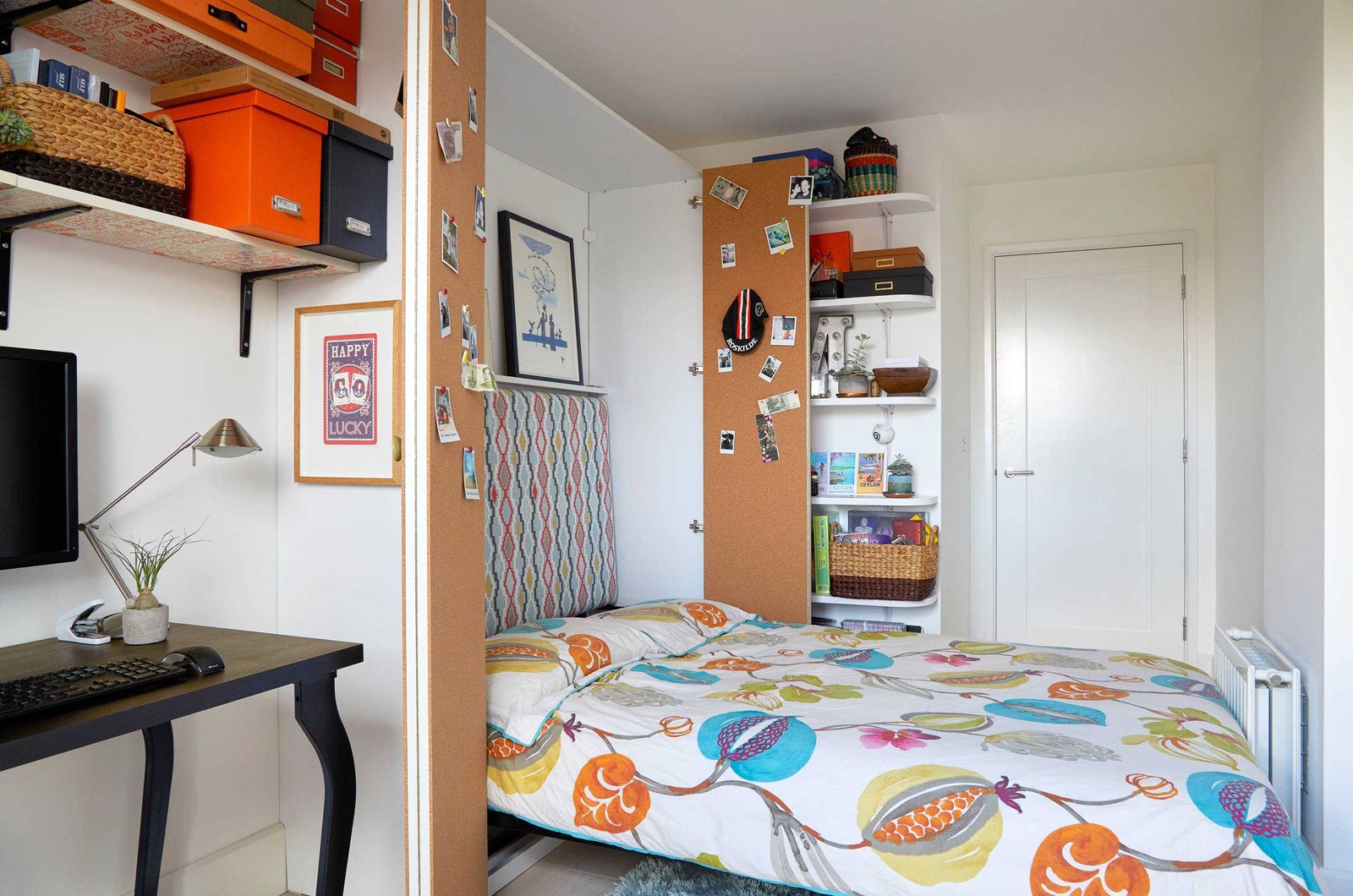
The best way to get fit in a small room is to focus on bodyweight exercises and incorporate high-intensity interval training (HIIT). These methods require minimal space and equipment, making them perfect for confined environments. With creative use of your limited space, you can still achieve a comprehensive workout routine that boosts strength, endurance, and flexibility without leaving your room.
In a small space, workouts need to be efficient and versatile. You don’t need a gym or large area—just your body and some motivation. Bodyweight exercises like push-ups, lunges, and planks can target multiple muscle groups, and adding HIIT can elevate your heart rate quickly. The key is to stay consistent and make the most of what you have, turning even the tiniest room into your personal fitness zone.

What is the best way to get fit in a small room?
Getting fit in a small room might seem challenging, but it is entirely possible with the right approach. Many people live in apartments or tiny spaces that make traditional workouts difficult. The key is to choose exercises and routines that require limited space, minimal equipment, and are effective at boosting fitness. Let’s explore how to make the most of your small room for your fitness journey.
Maximize Your Space for Effective Workouts
The first step to exercising in a small room is to organize the space smartly. Clear out unnecessary furniture and items that could obstruct movement. Use a corner or a specific area exclusively for workouts. A tidy, dedicated space helps you stay motivated and focused on your exercise routine.
Use Vertical Space for Fitness Equipment
In small rooms, vertical space becomes valuable. Install wall-mounted shelves to hold small fitness tools. You can hang resistance bands, Yoga straps, or even store lightweight dumbbells there. This keeps your floor clear and your equipment accessible.
Choose Multi-Purpose Equipment
Opt for versatile fitness tools that serve multiple functions. For example, resistance bands can replace weights, and a simple mat can be used for various exercises. Compact items like foldable benches or jump ropes are perfect for small spaces.
Effective Exercises That Require Little to No Equipment
Many workouts can be done with no equipment, making them ideal for small rooms. Bodyweight exercises are effective because they challenge your muscles without needing space for bulky gear.
Bodyweight Exercises for Strength and Endurance
Push-ups strengthen your arms, chest, and shoulders. Squats work your legs and glutes. Lunges improve balance and lower body strength. Planks boost core stability. Combining these exercises creates a comprehensive workout.
Cardio Workouts in a Small Space
Jumping jacks, high knees, and mountain climbers are excellent cardio options that burn calories quickly. These can be performed in small areas without disturbing neighbors or furniture.
Incorporate High-Intensity Interval Training (HIIT)
HIIT involves short bursts of intense activity followed by rest periods. It’s perfect for small rooms because it maximizes calorie burn in minimal time. Sessions typically last 15-30 minutes, making them convenient and effective.
Design a HIIT Routine
Create a cycle of exercises like burpees, squat jumps, and push-ups. Perform each for 30 seconds, then rest for 15 seconds. Repeat the circuit 3-4 times for a complete workout.
Benefits of HIIT in Small Spaces
HIIT boosts your metabolism, improves cardiovascular health, and builds strength without requiring large equipment or space. Its brevity makes it ideal for busy schedules.
Use of Minimal Equipment for Diverse Workouts
Small rooms are perfect for incorporating small, portable equipment that adds variety to workouts, preventing boredom.
Resistance Bands for Full-Body Workouts
Resistance bands are lightweight and versatile. They strengthen muscles, improve flexibility, and can be used for pulls, presses, and stretches. They take up little space and are easy to store.
Compact Cardio Machines
Consider mini-steppers or foldable exercise bikes. These machines can be stored away easily and provide effective cardio options within a small footprint.
Incorporate Flexibility and Balance Exercises
Balancing exercises and stretching are essential components of a fitness routine, especially in confined spaces. They improve mobility and prevent injuries.
Yoga and Pilates
Both are excellent for building flexibility, core strength, and mental well-being. Yoga mats are portable and can be rolled up when not in use.
Balance Drills
Practise standing on one leg, or do heel-to-toe walks to enhance stability. These exercises can be performed anywhere in the room.
Creating a Routine That Fits Your Space and Schedule
Consistency is key. Design a workout plan that suits your available space and time constraints. Schedule workouts during times when the room is free and set achievable goals.
Sample Weekly Workout Schedule
- Monday: Bodyweight circuit (push-ups, squats, planks)
- Tuesday: Yoga and stretching
- Wednesday: HIIT session
- Thursday: Resistance band exercises
- Friday: Cardio and core workout
- Saturday: Active rest (light stretching or walk)
- Sunday: Rest day
Additional Tips for Staying Motivated in a Small Room
Staying motivated can sometimes be a challenge at home. Set clear goals, track your progress, and listen to music or watch videos to keep your workouts engaging. Having a mirror can help you check your form and boost confidence.
Set Realistic Goals
Start with small, achievable targets. Celebrate milestones to stay motivated and build confidence.
Track Your Progress
Use a fitness journal or app to record workouts and improvements. Seeing progress keeps you committed.
Create an Inspiring Environment
Decorate your workout space with motivational posters or plants. Good lighting and a clean area can make your workouts more enjoyable.
Exercising in a small room is very doable with some planning and creativity. Focus on exercises that don’t require much space and use versatile equipment. Establish a consistent routine and keep your space organized to stay motivated. By making small changes to your environment and workout habits, you can stay fit and healthy without stepping outside your door. Remember, regular activity, even in tiny spaces, can lead to big health benefits.
Full Body Workout Without Equipment
Frequently Asked Questions
What are some effective bodyweight exercises I can do in a small space?
Bodyweight exercises such as push-ups, squats, lunges, planks, and burpees work well in confined areas. These exercises require no equipment and can be performed in a limited space, helping you build strength, endurance, and flexibility. Incorporate variations to keep your routine challenging and engaging.
How can I design a versatile workout routine for a compact room?
Create a routine that combines cardio, strength training, and flexibility exercises, all adaptable to a small space. Schedule short, high-intensity sessions like circuit training to maximize calorie burn. Use your body weight or small equipment like resistance bands to enhance workouts without taking up much room. Keep your routine flexible to fit your schedule and space constraints.
What equipment should I consider for exercising in a small room?
Opt for compact, multifunctional equipment such as resistance bands, jump ropes, or foldable yoga mats. These items take up minimal space and offer versatile workout options. Additionally, consider using household items like chairs or stairs to add variety to your exercises. Prioritize lightweight, portable gear that fits easily into your available area.
How can I stay motivated to work out in a tiny space?
Set clear, achievable goals and track your progress to stay motivated. Create a dedicated workout corner to build a routine and make exercise inviting. Play your favorite music or follow online workout videos that keep you engaged. Remember to celebrate small victories and stay consistent, turning your small space into an inspiring spot for fitness.
What strategies can help me prevent injury during small-space workouts?
Warm up thoroughly before each session to prepare your muscles. Focus on proper form and controlled movements to avoid strain. Use a non-slip mat to prevent slipping and clear the area of any hazards. Listen to your body, and avoid pushing beyond your limits. Incorporate stretching and cool-downs to maintain flexibility and prevent soreness.
Final Thoughts
The best way to get fit in a small room involves using body-weight exercises like push-ups, squats, and planks, which require minimal space. Incorporate high-intensity interval training (HIIT) to maximize your workout in less time. Keep your routines simple, consistent, and include a mix of strength and cardio.
Fitting fitness into limited space is achievable with the right exercises and discipline. What is the best way to get fit in a small room? Focus on body-weight movements, high-intensity sessions, and stay committed to see results.
As an Amazon Associate, We earn from qualifying purchases. When you purchase a product through Amazon links on pulsefitguide.com, we may earn a small commission at no extra cost to you. This helps support the site and keep our content free.