

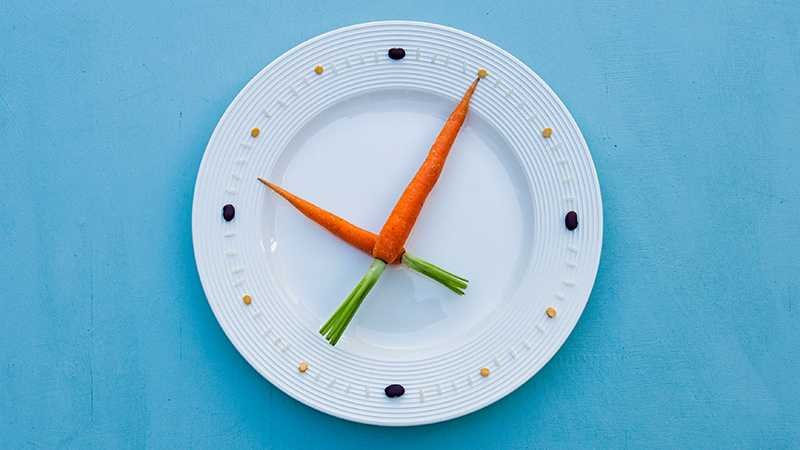
The best time to eat your meals for effective weight loss hinges on your body’s natural rhythms and daily routine. Eating at consistent times helps regulate metabolism, curb cravings, and improve digestion, making weight management more achievable. While there’s no one-size-fits-all answer, planning meals around your body’s energy peaks can boost fat burning and prevent overeating.
In short, the optimal approach is to consume balanced meals during the day when your energy levels are highest and avoid heavy eating late at night. Establishing a regular eating schedule aligned with your body’s internal clock can significantly enhance your weight loss efforts.
Skipping breakfast might seem like a quick way to cut calories, but eating a nutritious breakfast can kickstart your metabolism. Aim to have your main meals during the daytime, especially around mid-morning and early evening, to maximize digestion and fat-burning potential. Consistency and timing, combined with a healthy diet, are key to effective weight loss.

What is the best time to eat your meals for effective weight loss
Understanding Your Body’s Internal Clock
Your body follows a natural schedule called the circadian rhythm. This internal clock influences how your body processes food, energy, and fat. Eating at the right times can maximize these natural processes and support weight loss.
Why Meal Timing Matters for Weight Loss
When you eat can be just as important as what you eat. Proper timing helps regulate blood sugar, reduces cravings, and improves digestion. Skipping or delaying meals can lead to overeating later in the day and slow metabolism.
Optimal Meal Timing Based on Circadian Rhythms
Research shows that eating aligned with your body’s internal clock can boost fat burning. Meals earlier in the day sync better with your body’s natural insulin sensitivity. This means your body handles carbohydrates more effectively in the morning.
Morning Meals: The Best Time to Kickstart Your Day
Eating breakfast within two hours of waking up sets the tone for the day. It boosts your metabolism and stabilizes blood sugar levels. A healthy morning meal can reduce hunger and prevent overeating later.
Why Breakfast Matters
Breakfast provides energy after fasting overnight. It helps control appetite hormones and improves mood and concentration. Skipping breakfast often leads to increased snacking and calorie intake later.
Suggested Morning Meal Times
Most experts recommend eating breakfast between 6:00 am and 8:00 am. This window aligns with your body’s peak insulin sensitivity. Eating within this timeframe supports fat burning and energy levels.
Midday Meals: Maintaining Your Energy and Metabolic Rate
Having lunch around midday, typically between 12:00 pm and 2:00 pm, keeps your metabolism active. It also prevents excessive hunger and reduces the risk of binge eating later in the day.
Balancing Lunch for Weight Loss
Include lean proteins, vegetables, and healthy carbs. Avoid heavy, greasy foods that can cause sluggishness. Eating at a consistent time each day helps maintain your body’s rhythm.
Impact of Lunch Timing
Eating too late or too early can disrupt blood sugar levels. A well-timed lunch supports insulin efficiency and keeps your metabolism running smoothly.
Evening Meals: When to Stop Eating for Effective Weight Loss
Consuming your last meal ideally occurs at least two to three hours before bedtime, generally between 6:00 pm and 8:00 pm. This allows digestion to complete and prevents fat storage.
Why Avoid Late-Night Eating?
Eating late can lead to poorer digestion and increased fat storage. It also interferes with sleep quality, which is vital for weight management. Late-night snacking often involves high-calorie, unhealthy foods.
Benefits of Early Dinner
Having dinner earlier supports better sleep and hormone regulation. It helps your body burn fat more efficiently and reduces the chances of unwanted weight gain.
Snacks: The Role of Timing in Meal Planning
Strategic snack times can stabilize blood sugar and control hunger. Ideally, plan healthy snacks between main meals, such as mid-morning and mid-afternoon.
Choosing the Right Snack Times
Aim for mid-morning between 10:00 am and 11:00 am and mid-afternoon between 3:00 pm and 4:00 pm. These snack times prevent overeating during main meals.
Healthy Snack Options
Nuts, fruits, yogurt, and vegetables are excellent choices. They provide energy without excessive calories to support your weight loss goals.
How Meal Timing Affects Hormones and Metabolism
Your hormones, like insulin, ghrelin, and leptin, respond to meal timing. Proper timing helps regulate hunger and fat storage, making weight loss more effective.
Insulin Sensitivity and Meal Timing
Your body is most sensitive to insulin in the morning. Eating carbohydrate-rich foods earlier helps prevent insulin resistance, a common barrier to weight loss.
Impact on Ghrelin and Leptin
These hormones control hunger and fullness. Regular meal times help maintain their balance, reducing overeating and promoting weight reduction.
Related Topics: Combining Meal Timing with Other Weight Loss Strategies
Effective weight loss doesn’t rely solely on when you eat. Combining optimal meal timing with physical activity, hydration, and quality sleep enhances results.
Physical Activity and Eating Schedule
Exercising earlier in the day supports better digestion and muscle growth. Eating after workouts within a specific window can boost recovery and fat loss.
Importance of Sleep
Good sleep regulates hunger hormones and reduces cravings. Pairing proper sleep with meal timing optimizes your metabolism.
Practical Tips for Implementing Meal Timing Strategies
Start by establishing consistent meal times. Listen to your body signals and avoid unnecessary snacking. Use timers or alarms to stay on schedule.
Creating a Meal Schedule
Designate specific times for breakfast, lunch, dinner, and snacks. Stick to this schedule daily to train your body and improve digestion.
Adjusting for Your Lifestyle
If your schedule varies, try to keep your meals within a certain window. Flexibility is key but maintaining regular timing enhances weight loss efforts.
Summary of the Best Meal Times for Weight Loss
– Breakfast between 6:00 am and 8:00 am
– Lunch between 12:00 pm and 2:00 pm
– Dinner between 6:00 pm and 8:00 pm
– Healthy snacks between main meals
– Avoid eating late at night
Eating in harmony with your body’s natural rhythms supports fat burning, controls hunger, and improves overall metabolism. Proper meal timing can be a simple yet powerful tool on your weight loss journey, making it easier to achieve your goals and maintain a healthy weight long-term.
Meal Timing to Lose Weight | When to Eat Your Meals
Frequently Asked Questions
Is there an ideal time during the day to eat to maximize weight loss?
Eating earlier in the day, especially during breakfast or lunchtime, can support better metabolism and energy expenditure. When you consume the bulk of your calories earlier, your body has more time to burn them off throughout the day. Skipping meals or eating large portions late at night can hinder weight loss efforts, as your body is less efficient at burning calories during rest hours. Maintaining regular meal times and avoiding late-night snacking helps keep your metabolism active and promotes effective weight management.
How does meal timing affect hunger and portion control?
Timing your meals at regular intervals helps stabilize blood sugar levels and reduces feelings of excessive hunger. When you eat consistently, your body learns to expect nourishment at specific times, which can prevent overeating later. Eating too infrequently or delaying meals might cause intense hunger, leading to larger portions or unhealthy snacking. By planning your meal times strategically, you can better control your appetite and support your weight loss goals.
Can eating in the evening or late at night impact weight loss?
Consuming meals late in the evening can slow down digestion and interfere with sleep quality, which may affect weight management negatively. Late-night eating often leads to excess calorie intake, especially if you indulge in high-calorie snacks. Additionally, your body’s ability to burn calories decreases during rest, making late-night eating less efficient for weight loss. Keeping dinner earlier and avoiding late snacks can help your body utilize nutrients more effectively and support your fat loss efforts.
Should I time my meals around my workout schedule for better results?
Yes, aligning your meals with your workout routine can improve your performance and recovery. Eating a balanced meal about 1-2 hours before exercising fuels your muscles and enhances stamina. After workouts, consuming protein-rich foods within an hour helps repair tissues and promotes muscle growth. Properly timed meals support energy levels and can increase the effectiveness of your weight loss plan by optimizing muscle maintenance while reducing fat stores.
How do fasting or intermittent fasting strategies influence meal timing for weight loss?
Fasting protocols, like intermittent fasting, restrict eating to specific windows, which can naturally reduce calorie intake and improve fat burning. Choosing a fasting window that fits your lifestyle ensures you consume nourishing, balanced meals during designated times. This approach can help regulate hunger hormones, prevent overeating, and promote steady weight loss. However, it’s essential to listen to your body and ensure you get enough nutrients during your eating periods to maintain overall health.
Final Thoughts
The best time to eat your meals for effective weight loss varies based on individual routines, but generally, eating earlier in the day supports better metabolism. Consuming a substantial breakfast helps regulate appetite and prevents overeating later. Eating dinner at least 2-3 hours before bedtime aids digestion and reduces fat storage. By aligning your meal times with your body’s natural rhythms, you improve your chances of reaching your weight loss goals efficiently. Remember, what is the best time to eat your meals for effective weight loss depends on maintaining consistency and listening to your body’s hunger cues.
As an Amazon Associate, We earn from qualifying purchases. When you purchase a product through Amazon links on pulsefitguide.com, we may earn a small commission at no extra cost to you. This helps support the site and keep our content free.