

The 5 by 5 rule in the gym is a popular workout method designed to help beginners and seasoned athletes build strength efficiently. Essentially, it involves performing five sets of five repetitions for each exercise, focusing on lifting a manageable yet challenging weight. This straightforward approach emphasizes consistency and gradual progress, making it easy to follow and adapt over time. Whether you’re aiming to increase muscle mass or improve overall strength, understanding and applying this rule can streamline your fitness journey.
The 5 by 5 rule means doing five sets of five reps for each exercise, typically with a focus on compound movements like squats, bench presses, and deadlifts. It promotes steady strength gains by balancing intensity and volume while minimizing injury risk. This method is beginner-friendly but also effective for experienced lifters wanting a structured program.
Getting started with strength training can be overwhelming, especially with so many routines out there. The 5 by 5 rule cuts through the clutter by giving you a simple, effective framework that encourages steady progress. It’s designed to build a solid foundation of strength without overtraining, making it perfect for consistency and long-term results. Whether you’re new to lifting or looking for a reliable routine, understanding this principle can help you stay motivated and see measurable gains as you lift smarter, not just harder.

What is the 5 by 5 rule in gym?
Introduction to the 5 by 5 workout method
The 5 by 5 rule is a popular strength training program that focuses on performing five sets of five repetitions for each exercise. It is designed to help people build strength and muscle efficiently. Many beginners and experienced lifters use this method because it provides a clear structure and steady progress.
Origins of the 5 by 5 training system
This training approach has been around for decades. It was initially popularized in the 1950s and 1960s by strength coaches and bodybuilders. The main goal was simple: increase strength with straightforward, consistent workouts.
Core principles of the 5 by 5 rule
The core idea is to lift heavy weights while maintaining proper form. This method emphasizes progressive overload, which means increasing the weight gradually over time. It also encourages consistency and dedication to workout routines.
Why is the 5 by 5 rule effective?
The effectiveness comes from balancing intensity with volume. Doing five sets of five repetitions allows you to lift heavy enough to stress your muscles without overtraining. This balance helps in building strength and muscle mass steadily.
How the 5 by 5 rule works in practice
In practice, you’ll perform exercises like squats, bench presses, deadlifts, and rows. The program typically involves training three times a week, focusing on compound movements. Rest periods between sets usually range from 30 seconds to 2 minutes to maintain intensity.
Key exercises used in 5 by 5 workouts
Most 5 by 5 routines include fundamental lifts such as:
- Squats
- Bench presses
- Deadlifts
- Overhead presses
- Barbell rows
These compound exercises target multiple muscle groups and promote overall strength gains.
Progression and adaptation in the 5 by 5 system
Progression involves increasing the weight gradually each week. Typically, you add small increments, around 2.5 to 5 pounds, to each lift. This steady progression helps avoid plateaus and encourages continual muscle growth.
Important tips for success with 5 by 5
To get the best results, focus on:
- Maintaining proper form
- Prioritizing recovery and rest
- Following a balanced diet rich in protein
- Listening to your body to prevent injury
Consistency and patience are key factors for success in this program.
Benefits of the 5 by 5 approach
This training method helps:
- Increase overall strength quickly
- Build muscle mass steadily
- Improve workout efficiency
- Develop good lifting habits and discipline
Many users find that it offers a clear path to fitness progress without overcomplicating their routines.
Potential challenges and how to overcome them
Some challenges include plateauing or overtraining. To overcome these, it’s important to:
- Vary your exercises periodically
- Ensure proper rest and recovery
- Adjust weights appropriately as you progress
- Consult with trainers if needed for form and technique
Adapting the plan based on your body’s feedback ensures long-term progress.
Who should try the 5 by 5 rule in the gym?
This program is suitable for:
- Beginners looking to develop a strength foundation
- Intermediate lifters aiming for consistent progress
- Anyone interested in building muscle efficiently
However, individuals with health issues should consult a professional before starting.
The 5 by 5 rule offers a simple, effective workout structure that emphasizes steady strength gains and muscle growth. Its focus on compound movements, progressive overload, and consistency makes it a popular choice for many fitness enthusiasts. By following proper form and listening to your body, you can maximize the benefits of this training approach.
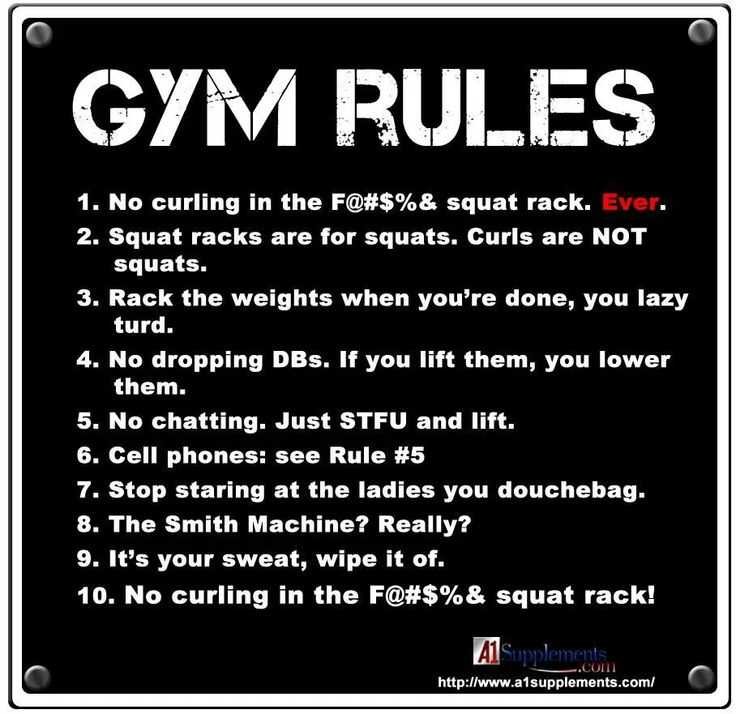
What's rule no.5?
Frequently Asked Questions
How does the 5 by 5 rule help in workout planning?
The 5 by 5 rule provides a clear framework for selecting the right weight and repetitions during strength training. It involves performing five sets of five repetitions, which helps you focus on gradually increasing the load while maintaining proper form. This approach ensures consistent progress and minimizes the risk of overtraining or injury.
Can beginners benefit from the 5 by 5 workout approach?
Yes, beginners can benefit significantly from the 5 by 5 method. It simplifies workout routines by emphasizing fundamental compound movements and steady progression. Starting with manageable weights and gradually increasing them over time helps build a solid foundation of strength without overwhelming new lifters.
What types of exercises are most suitable for the 5 by 5 rule?
The 5 by 5 rule works best with compound exercises that target multiple muscle groups simultaneously. Common choices include squats, deadlifts, bench presses, overhead presses, and barbell rows. These exercises allow for effective strength development while maintaining the simplicity of the 5 by 5 structure.
How can I adjust the 5 by 5 rule as I progress in my training?
As you become stronger, you should gradually increase the weight used in each exercise while maintaining the five-repetition limit per set. If lifting heavier becomes challenging, consider reducing the number of repetitions temporarily or adding more rest between sets. Regularly reviewing your progress and making incremental adjustments ensures continued improvement.
Are there any downsides to following the 5 by 5 rule consistently?
While the 5 by 5 rule offers many benefits, sticking rigidly to it without variation might lead to plateaus or overtraining. It’s important to listen to your body, incorporate rest days, and occasionally vary your routines to prevent muscle adaptation and promote ongoing development.
Final Thoughts
The 5 by 5 rule in gym emphasizes doing five sets of five repetitions for each exercise. This approach encourages building strength through consistent, incremental progress. It keeps workouts focused and manageable, helping avoid overtraining.
By sticking to this rule, you improve muscle memory and strength effectively. It’s a straightforward method for beginners and experienced lifters alike. Overall, the 5 by 5 rule in gym offers a simple, efficient way to structure strength training.
As an Amazon Associate, We earn from qualifying purchases. When you purchase a product through Amazon links on pulsefitguide.com, we may earn a small commission at no extra cost to you. This helps support the site and keep our content free.