
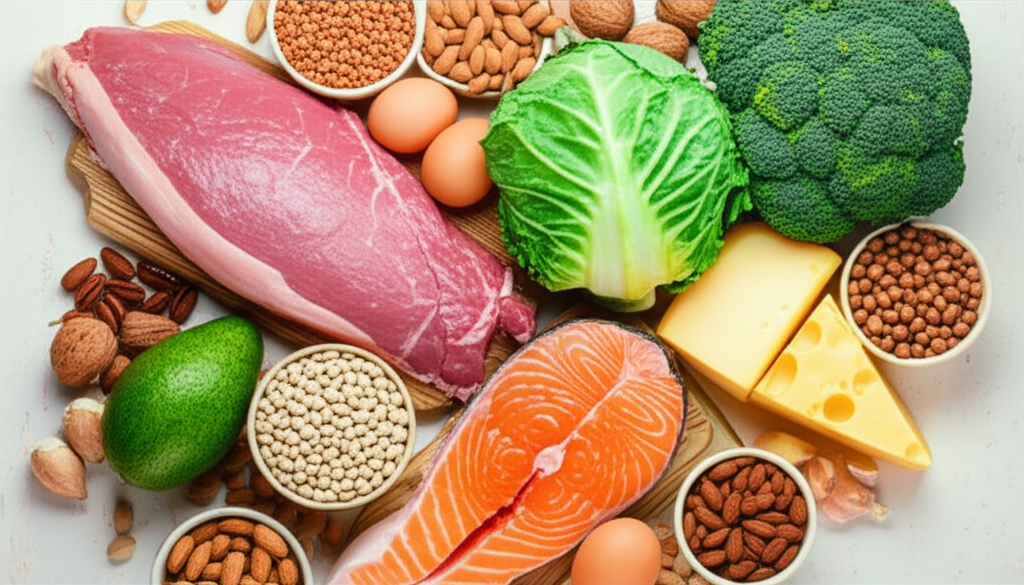
The 30g diet is a simple, flexible eating approach focused on consuming approximately 30 grams of carbohydrates per meal. It’s designed for beginners looking for a straightforward way to manage carb intake for weight loss and improved energy, emphasizing whole foods and balanced nutrition without extreme restriction.
Feeling overwhelmed by diet rules? You’re not alone! Many of us find it tough to figure out the best way to eat for weight loss. It can seem like there are a million different diets, and they all say something different. This can be super confusing and make you feel stuck. But what if there was a simpler way? A method that’s easy to understand and follow, even if you’re just starting out? This guide is here to help. We’ll break down a popular approach called the 30g diet, explaining exactly what it is, how it works, and how you can start using it today. Get ready to feel more in control of your health journey!
What Exactly is the 30g Diet?
The 30g diet, also sometimes referred to as a low-carb diet focusing on around 30 grams of carbohydrates per meal, is a dietary strategy designed to help individuals manage their carb intake. The core idea is to limit the amount of carbohydrates consumed at each meal to approximately 30 grams. This isn’t about cutting out all carbs, but rather making smart choices about which carbs to eat and in what quantities. It’s a way to help your body use fat for energy more efficiently.
Think of it as a guideline, not a rigid rule. The goal is to keep your blood sugar levels more stable, which can help reduce cravings and support weight management. By focusing on protein, healthy fats, and non-starchy vegetables, you can still enjoy satisfying meals while keeping your carbohydrate count in check. This approach is popular because it offers a clear target without feeling overly restrictive, making it appealing for beginners.
How Does the 30g Diet Work?

The science behind the 30g diet revolves around how your body processes carbohydrates. When you eat carbohydrates, your body breaks them down into glucose (sugar), which is then used for energy. If you consume a lot of carbohydrates, especially refined ones, your blood sugar levels can spike. Your body then releases insulin, a hormone that helps move glucose from your bloodstream into your cells. However, high insulin levels can also signal your body to store fat and can lead to energy crashes later on.
By limiting your carbohydrate intake to around 30 grams per meal, you help to prevent these dramatic blood sugar spikes and subsequent insulin surges. This can lead to several benefits:
- More Stable Energy Levels: Without the roller-coaster of blood sugar, you’re less likely to experience energy dips and fatigue.
- Reduced Cravings: Stable blood sugar can also help curb those intense cravings for sugary or high-carb foods.
- Fat Burning: When your body isn’t constantly processing a high amount of glucose, it can more easily tap into stored fat for energy. This is a key mechanism for weight loss.
- Improved Satiety: Meals focused on protein and healthy fats tend to be more filling, helping you feel satisfied for longer periods.
It’s important to remember that not all carbohydrates are created equal. The 30g diet encourages choosing complex carbohydrates from whole food sources over refined sugars and starches. For instance, a serving of broccoli has far fewer net carbs and more nutrients than a slice of white bread, even if they might have a similar initial carb count on a label. Understanding “net carbs” (total carbs minus fiber) can be helpful here, as fiber doesn’t impact blood sugar the same way.
Understanding Carbohydrate Counts
Before diving into the 30g diet, it’s helpful to understand how to count carbohydrates. Most food labels list “Total Carbohydrates.” This includes sugars, starches, and fiber. For low-carb approaches like the 30g diet, many people focus on “net carbs.”
Net Carbs = Total Carbohydrates – Dietary Fiber
Dietary fiber is a type of carbohydrate that your body doesn’t digest. Because it passes through your system largely undigested, it has a minimal impact on blood sugar levels and insulin response. Therefore, when aiming for 30 grams of carbs per meal, you can often subtract the fiber content from the total carbohydrate count. For example, if a food has 10 grams of total carbohydrates and 4 grams of fiber, it has 6 grams of net carbs.
Here’s a simple breakdown of carbohydrate types:
- Sugars: Simple carbohydrates that are quickly digested and can cause blood sugar spikes (e.g., table sugar, fruit sugar, added sugars).
- Starches: Complex carbohydrates found in grains, potatoes, and legumes. They are broken down into glucose over time.
- Fiber: Indigestible carbohydrates found in fruits, vegetables, and whole grains. They don’t significantly raise blood sugar.
Focusing on whole, unprocessed foods will naturally provide more fiber and fewer net carbs, making it easier to stay within your target. Resources like the MyPlate initiative from the USDA offer guidance on balanced eating patterns, which can complement a lower-carb approach by highlighting the importance of nutrient-dense foods.
Foods to Focus On
The beauty of the 30g diet is that it encourages you to eat real, whole foods. This means filling your plate with nutrient-rich options that are naturally lower in carbs. Prioritizing these foods will make it much easier to meet your goals and feel satisfied.
Here are categories of foods to emphasize:
- Non-Starchy Vegetables: These are your best friends! Think leafy greens, broccoli, cauliflower, bell peppers, zucchini, asparagus, mushrooms, and green beans. They are packed with vitamins, minerals, and fiber, with very few net carbs. Aim to fill at least half your plate with these.
- Proteins: Protein is crucial for satiety and muscle maintenance. Choose from:
- Lean meats: Chicken, turkey, lean beef, pork.
- Fish and seafood: Salmon, tuna, shrimp, cod.
- Eggs: A versatile and nutrient-dense option.
- Tofu and tempeh: For plant-based protein.
- Healthy Fats: Fats help you feel full and are essential for hormone production and nutrient absorption. Include:
- Avocado
- Nuts and seeds (in moderation, as they can be carb-dense)
- Olive oil, coconut oil
- Fatty fish
- Berries: While most fruits are high in sugar, berries like strawberries, blueberries, raspberries, and blackberries are lower in carbs and high in antioxidants. A small serving can be a great addition.
By centering your meals around these food groups, you’ll naturally keep your carbohydrate count in check while ensuring you get the nutrients your body needs to thrive.
Foods to Limit or Avoid
To stay within the 30-gram carbohydrate limit per meal, it’s important to be mindful of foods that are typically high in carbs, especially refined or processed options. These foods can quickly push you over your target and may not provide much nutritional value.
Here are the categories of foods to limit or avoid:
- Sugary Drinks: Soda, fruit juices, sweetened teas, and energy drinks are major sources of hidden sugars and empty calories.
- Grains and Starches: Bread, pasta, rice, cereal, crackers, potatoes, and corn are usually high in carbohydrates.
- Sweets and Desserts: Cakes, cookies, candy, ice cream, and pastries are packed with sugar and refined flour.
- Most Fruits: While healthy, many fruits are high in natural sugars. Focus on small portions of berries as mentioned earlier.
- Processed Snacks: Chips, pretzels, and most packaged snack foods are made with refined grains and added sugars.
- Sweetened Dairy Products: Flavored yogurts and milk drinks often have added sugars.
Making conscious choices to reduce these items will be key to successfully following the 30g diet. It’s not about never enjoying these foods again, but about being strategic with when and how much you consume them.
Sample Meal Plan: A Day on the 30g Diet
To give you a clearer picture, here’s a sample day of meals following the 30g diet. Remember, portion sizes can be adjusted based on your individual needs and activity levels, but this provides a good starting point. We’ll focus on net carbs for this example.
Breakfast (Approx. 5-8g Net Carbs)
- 2-3 Scrambled Eggs cooked with a tablespoon of butter or olive oil.
- 1/2 cup Sautéed Spinach with garlic.
- Optional: A small slice of avocado.
Lunch (Approx. 10-15g Net Carbs)
- Large Salad: Mixed greens, grilled chicken or salmon, cucumber, bell peppers, and a handful of cherry tomatoes.
- Dressing: Olive oil and vinegar or a sugar-free vinaigrette.
- Optional: A small portion (1/4 cup) of chickpeas or black beans for added fiber and protein.
Dinner (Approx. 10-15g Net Carbs)
- Baked Salmon or Lean Steak.
- Steamed Broccoli or Asparagus drizzled with lemon and butter.
- A side of cauliflower rice seasoned with herbs.
Snacks (Optional, if needed, keeping total daily carbs in mind)
- A small handful of almonds or walnuts (approx. 1/4 cup).
- A few celery sticks with natural peanut butter.
- A hard-boiled egg.
This sample day prioritizes whole foods, lean proteins, healthy fats, and plenty of non-starchy vegetables. It demonstrates how you can create satisfying meals while staying within the 30g carbohydrate target per meal.
Tips for Success on the 30g Diet
Starting any new eating plan can feel like a challenge, but with a few smart strategies, you can make the 30g diet work for you. The key is preparation, awareness, and staying positive. Think of these tips as your toolkit for success!
Here are some practical tips to help you stick with the 30g diet:
- Plan Your Meals: Dedicate some time each week to plan your meals and snacks. This helps you make healthier choices and avoid last-minute, high-carb decisions.
- Prep Your Food: Wash and chop vegetables, cook some protein in advance, and portion out snacks. Having healthy options ready to go makes a huge difference.
- Read Food Labels: Get comfortable checking the nutrition labels on packaged foods. Pay attention to “Total Carbohydrates” and “Dietary Fiber” to calculate net carbs.
- Stay Hydrated: Drink plenty of water throughout the day. Sometimes, thirst can be mistaken for hunger.
- Focus on Whole Foods: Emphasize vegetables, proteins, and healthy fats. These foods are naturally lower in carbs and more filling.
- Be Mindful of Portion Sizes: Even healthy foods can add up. Be aware of how much you’re eating, especially with higher-carb vegetables or fruits.
- Don’t Aim for Perfection: If you go over your carb limit one meal, don’t beat yourself up. Just get back on track with your next meal. Consistency over time is what matters most.
- Listen to Your Body: Pay attention to how different foods make you feel. Adjust your intake based on your energy levels and hunger cues.
- Find Low-Carb Swaps: Look for alternatives to high-carb favorites. For example, use cauliflower rice instead of white rice, or zucchini noodles instead of pasta.
By implementing these tips, you’ll build confidence and make the transition to the 30g diet smoother and more enjoyable.
Benefits of the 30g Diet
Adopting a diet that focuses on around 30 grams of carbohydrates per meal can offer a range of positive outcomes, extending beyond just weight management. These benefits stem from the metabolic shifts that occur when your body relies less on readily available glucose for energy and begins to utilize fat more effectively.
Here are some of the key advantages:
- Weight Loss: By reducing carbohydrate intake, your body may shift to burning stored fat for energy, leading to a decrease in body weight. This is often one of the primary goals for individuals adopting this diet.
- Improved Blood Sugar Control: Limiting carbohydrates helps prevent sharp spikes and crashes in blood glucose levels. This is particularly beneficial for individuals managing or looking to prevent type 2 diabetes. The National Institute of Diabetes and Digestive and Kidney Diseases provides extensive information on diabetes management.
- Increased Satiety: Meals higher in protein and healthy fats tend to be more filling than high-carb meals. This can lead to reduced hunger and fewer cravings, making it easier to stick to your eating plan.
- More Stable Energy Levels: Avoiding blood sugar spikes and crashes means you can experience more consistent energy throughout the day, reducing feelings of fatigue and the dreaded afternoon slump.
- Reduced Cravings: By stabilizing blood sugar and reducing reliance on sugary foods, many people find their cravings for sweets and refined carbohydrates diminish over time.
- Simplicity: The 30g target provides a clear, actionable guideline that is easier to follow than more complex diet plans, making it very beginner-friendly.
These benefits highlight why the 30g diet can be an effective and appealing strategy for many people seeking to improve their health and well-being.
Potential Downsides and How to Manage Them
While the 30g diet offers many benefits, like any eating approach, it’s important to be aware of potential downsides and how to navigate them. Understanding these challenges beforehand can help you prepare and overcome them more easily.
Here are some potential downsides and management strategies:
- Initial Side Effects (“Keto Flu”): When drastically reducing carbs, some people experience temporary symptoms like fatigue, headache, nausea, and irritability as their body adjusts. This is often called the “keto flu.”
- Management: Stay well-hydrated, ensure adequate electrolyte intake (sodium, potassium, magnesium), and give your body time to adapt. These symptoms usually pass within a few days to a week.
- Nutrient Deficiencies: If not carefully planned, cutting out entire food groups (like fruits, grains, and legumes) can lead to deficiencies in certain vitamins, minerals, and fiber.
- Management: Focus on nutrient-dense, low-carb foods like leafy greens, cruciferous vegetables, nuts, seeds, and lean proteins. Consider a multivitamin if advised by a healthcare professional.
- Social Challenges: Eating out or attending social gatherings can be tricky when you’re following a specific carbohydrate limit.
- Management: Look up restaurant menus in advance, choose simpler dishes (like grilled meat and a side salad), and don’t be afraid to ask for modifications. It’s also okay to occasionally enjoy a higher-carb meal in a social setting and get back on track afterwards.
- Digestive Issues: Some people may experience constipation if they don’t consume enough fiber.
- Management: Prioritize non-starchy vegetables, which are excellent sources of fiber. Ensure you are drinking enough water, as fiber works best with adequate hydration.
- Sustainability: For some, very strict carbohydrate restriction can feel difficult to maintain long-term.
- Management: The 30g approach is often more flexible than very low-carb diets. Focus on building sustainable habits rather than aiming for absolute perfection. If needed, you can gradually increase your carb intake to a level that feels sustainable while still achieving your goals.
By being proactive and prepared, you can minimize these potential challenges and make the 30g diet a positive and sustainable part of your lifestyle.
Who is the 30g Diet For?
The 30g diet is a versatile approach that can benefit a wide range of individuals, particularly those who are new to making dietary changes for health and weight management. Its simplicity and focus on whole foods make it accessible and less intimidating than other restrictive diets.
This diet is particularly well-suited for:
- Beginners: If you’re new to tracking macros or understanding nutrition, the clear 30g target per meal provides an easy-to-follow framework.
- Individuals Seeking Weight Loss: By helping to control blood sugar and promote fat burning, it can be an effective strategy for shedding excess weight.
- Those Wanting More Stable Energy: If you struggle with energy crashes, this diet can help provide more consistent energy levels throughout the day.
- People Looking to Reduce Cravings: The focus on protein and healthy fats can help reduce sugar cravings and a desire for processed snacks.
- Individuals with Insulin Resistance or Prediabetes: A lower-carb approach can be beneficial for managing blood sugar levels. Always consult with a healthcare provider before making significant dietary changes if you have a medical condition.
- Anyone Who Prefers Simplicity: If you find complex diet plans overwhelming, the straightforward 30g guideline offers a refreshing alternative.
It’s important to note that while this diet can be very beneficial, it’s always a good idea to consult with a healthcare professional or a registered dietitian before starting any new diet, especially if you have underlying health conditions or are taking medications.
Frequently Asked Questions (FAQs)
Q1: Is the 30g diet the same as the ketogenic diet?
A1: While both diets are low in carbohydrates, the 30g diet is a more flexible approach. A ketogenic diet typically restricts carbs to 20-50 grams per day and requires
As an Amazon Associate, We earn from qualifying purchases. When you purchase a product through Amazon links on pulsefitguide.com, we may earn a small commission at no extra cost to you. This helps support the site and keep our content free.