

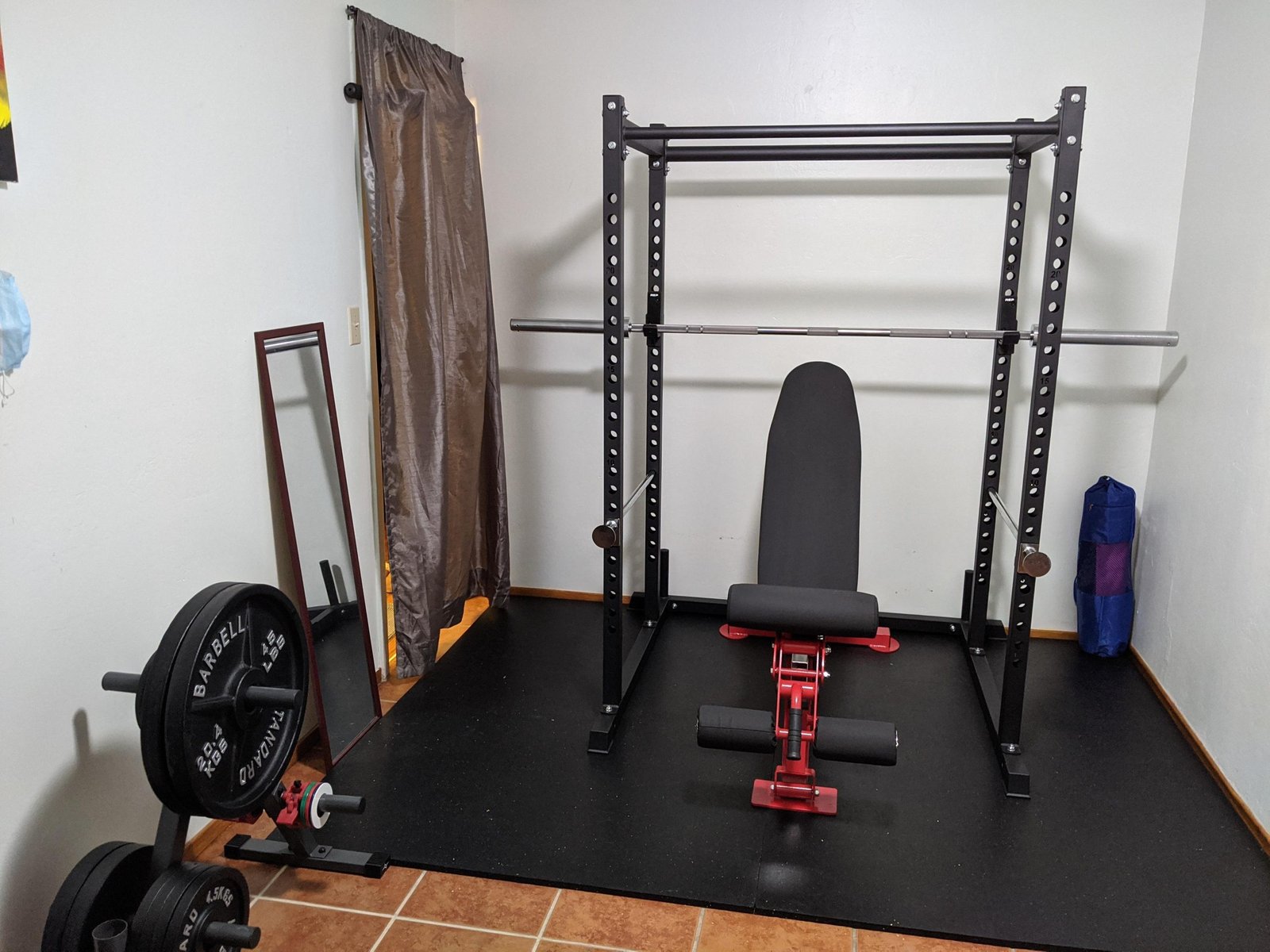
Small space fitness offers an efficient way to stay active without needing a large area. **It involves exercises designed for limited spaces, using minimal equipment or even just your body weight.** What is small space fitness? It is a practical approach to exercising comfortably at home or in tight quarters.
You can perform a variety of routines that fit into your daily schedule, making fitness accessible and convenient. Whether you have a tiny apartment or a busy lifestyle, small space fitness makes staying healthy simple and achievable.

What is small space fitness?
If you live in a cozy apartment, tiny house, or even a small studio, you might wonder how to get a good workout without needing a lot of space. That’s where small space fitness comes into play. It’s a way to stay active, build strength, and improve your health—even when your room or living area isn’t very big. But what exactly is small space fitness, and how can you make it work for you? Let’s explore the idea from every angle so you can stay fit and healthy no matter how limited your space may seem.
Understanding small space fitness
Small space fitness is all about working out efficiently within limited areas. It focuses on exercises and routines designed to take up as little space as possible while still offering a full-body workout. You don’t need a gym membership or fancy equipment to stay active when practicing small space fitness. Instead, you use your body weight, simple tools, or minimal equipment to move and strengthen your muscles.
Imagine doing a quick set of jumping jacks, push-ups on the floor, or a few yoga poses—all in the comfort of your living room. That’s small space fitness in action. It aims to make fitness accessible for everyone, especially those who don’t have the luxury of a dedicated gym or large workout area.
Why small space fitness is gaining popularity
More people are living in apartments or smaller homes, and busy schedules mean no time for long commutes to gyms. Small space fitness makes working out easy, quick, and practical. Here are some reasons why it’s becoming increasingly popular:
- Convenience: You can exercise anytime without leaving your home.
- Cost-effective: No need for expensive gym memberships or equipment.
- Flexibility: Fits into busy schedules, allowing quick workouts during lunch or between chores.
- Privacy: You can work out without feeling self-conscious or crowded.
- Adaptability: Suitable for people of all fitness levels, from beginners to advanced athletes.
Core principles of small space fitness
Successful small space workouts depend on a few core principles that help maximize your efforts. Let’s look at those principles:
Maximize your movement
Since space is limited, focus on exercises that use your entire body and keep your movements compact. Think about exercises like planks, lunges, or small jumping movements that can be done in a confined space.
Use your body weight
Many effective exercises don’t require weights or machines. Push-ups, sit-ups, squats, and burpees are all excellent choices that rely on your body weight alone.
Keep routines short and intense
A quick, high-intensity workout can be just as effective as longer sessions. For example, a 15-minute circuit of squats, push-ups, and jumping jacks can boost your energy and strength.
Be creative with your space
Find ways to use corners, walls, or furniture to expand your options. For instance, wall sits or step-ups on a sturdy chair add variety without needing extra room.
Types of exercises for small space fitness
Knowing which exercises work best in a small space helps you plan your workouts. Here are some popular options:
Bodyweight exercises
These are the backbone of small space fitness because they require no equipment. Some examples include:
- Push-ups: Strengthen your arms, chest, and shoulders.
- Squats: Target thighs, hips, and buttocks.
- Lunges: Improve balance and strengthen legs.
- Planks: Build core stability and endurance.
- Burpees: Combine strength and cardio for a full-body workout.
Flexibility and balance exercises
Incorporate yoga or stretching routines to improve flexibility and reduce stress.
Low-impact workouts
If you prefer gentler options, consider pilates or tai chi, which require minimal space and are easy on joints.
Equipment for small space workouts
While many exercises rely solely on body weight, some simple equipment enhances your workouts:
- Resistance bands: Portable and versatile for strength training.
- Yoga mats: Provide comfort and grip for floor exercises.
- Small weights or dumbbells: Convenient for adding resistance to exercises.
- Stability balls: Can be used for core work and balance exercises.
Remember, you don’t need all of these; just a few tools can make your workouts more effective and enjoyable.
Designing your small space fitness routine
Creating an effective workout plan in a small space involves a few essential steps:
Set your goals
Decide what you want to achieve—weight loss, muscle building, flexibility, or overall health. Clear goals help shape your workouts.
Select your exercises
Choose routines that align with your goals and fit within your small area.
Plan workout duration and frequency
Begin with 15-20 minute sessions, 3-4 times a week, then adapt as you gain strength and confidence.
Sample workout circuit
Here’s a simple example to get you started:
- Jumping jacks – 30 seconds
- Push-ups – 10 reps
- Bodyweight squats – 15 reps
- Plank – 30 seconds
- Marching in place or step-ups – 1 minute
Repeat this circuit 2-3 times, resting for a minute between rounds.
Tips to stay motivated and consistent
Sticking with your small space fitness routine can sometimes be challenging. Here are some tips:
- Create a dedicated workout zone: Even a small corner can become your go-to exercise spot.
- Set mini-goals: Achieve small milestones to stay motivated.
- Track your progress: Keep a workout journal or use apps to monitor improvements.
- Mix things up: Change exercises regularly to avoid boredom.
- Find a workout buddy: Partner with a friend or family member for accountability.
Safety considerations for small space workouts
Always prioritize safe exercising, especially in tight spaces:
- Check your environment for obstacles or sharp corners.
- Use non-slip mats to prevent slipping on smooth floors.
- Practice proper form to avoid injuries.
- Listen to your body—if an exercise causes pain, stop and rest.
Adapting workouts as your space or goals change
As your fitness level improves or your space changes, tweak your routine to stay challenged. You can increase repetitions, add new exercises, or incorporate light weights for additional resistance. Flexibility in your approach keeps your fitness journey exciting and effective.
Small space fitness offers a practical, affordable way to stay active and healthy no matter where you live. By focusing on simple exercises, using minimal equipment, and designing routines that fit your environment, you can enjoy all the benefits of regular exercise without needing a large room or gym. Keep your workouts fun, varied, and goal-oriented, and you’ll build strength, boost your energy, and improve your overall well-being—even in the smallest of spaces.
Frequently Asked Questions
How does small space fitness differ from traditional gym workouts?
Small space fitness focuses on workouts that require minimal equipment and space, making it ideal for home environments. Unlike traditional gym routines that often involve large machines and designated areas, small space fitness emphasizes body-weight exercises, compact equipment, and creative use of limited space. This approach allows individuals to stay consistent with their fitness goals without needing to commute or access large facilities.
What types of exercises are typically included in small space fitness routines?
Small space fitness routines include a variety of body-weight exercises such as push-ups, squats, lunges, and planks. They may also incorporate resistance bands, dumbbells, or small weights. Cardiovascular activities like jumping jacks or high knees can be incorporated as well. The goal is to maximize movement while minimizing the need for extensive equipment or space.
Can small space fitness help achieve specific fitness goals like strength or flexibility?
Yes, small space fitness can effectively target specific goals such as building strength, improving flexibility, or increasing endurance. By adjusting the intensity and incorporating different exercise types, individuals can customize routines to meet their needs. Consistency and proper progression ensure steady progress toward these goals within a limited area.
What should beginners consider when starting small space fitness routines?
Beginners should focus on mastering proper form and gradually increasing intensity to prevent injuries. Starting with simple exercises and short sessions helps build confidence and endurance. It is also essential to create a dedicated workout space that is free of obstructions and to set realistic goals. Consulting with a fitness professional can provide personalized guidance tailored to individual needs.
Are there any specific equipment recommendations for small space workouts?
For small space workouts, minimal equipment works best. Resistance bands, a set of dumbbells or kettlebells, a yoga mat, and a jump rope are versatile choices that fit easily into limited areas. Using furniture like a sturdy chair or a wall for support can also expand exercise options. The key is to select equipment that is compact, multifunctional, and easy to store.
Final Thoughts
Small space fitness involves using limited areas to perform effective workouts. It focuses on efficient exercise routines that fit into tight environments, such as apartments or small rooms. This approach allows people to stay active without needing much room or equipment.
With minimal gear and space, individuals can incorporate strength, cardio, and flexibility exercises into daily routines. It promotes convenience and consistency, making fitness more accessible.
In conclusion, what is small space fitness? It is a practical way to stay active in confined areas, emphasizing simple, effective workouts that suit any living situation.
As an Amazon Associate, We earn from qualifying purchases. When you purchase a product through Amazon links on pulsefitguide.com, we may earn a small commission at no extra cost to you. This helps support the site and keep our content free.