

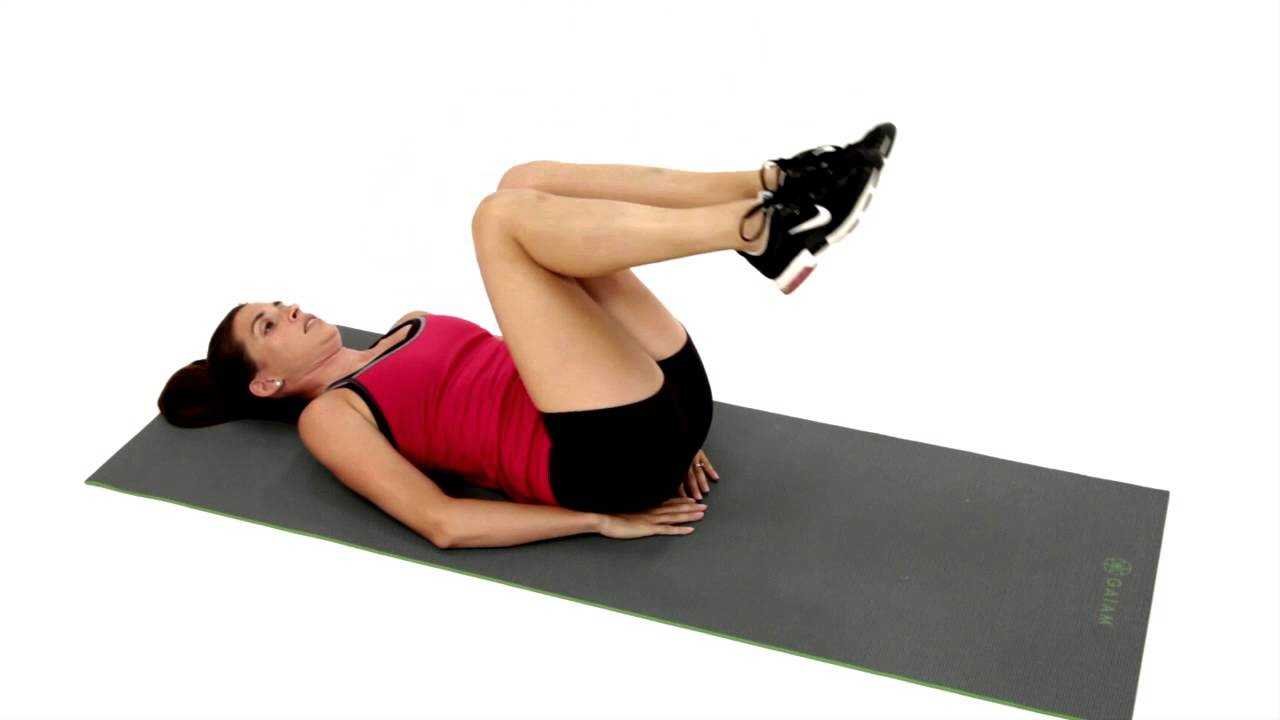
Reverse crunches are a powerful exercise designed to target your lower abs and help sculpt a leaner, more toned midsection. This move involves lifting your hips off the ground by curling your lower body inward, effectively engaging your core muscles. If you’re looking for a simple yet effective way to strengthen your abdominal muscles and improve your overall core stability, reverse crunches are an excellent choice. They are easy to do at home or in the gym and can be incorporated into any workout routine.
In essence, reverse crunches involve lying on your back and lifting your legs toward your chest while contracting your abdominal muscles, making them an efficient exercise for lower abdominal development. They differ from traditional crunches by emphasizing the lower abs through controlled leg movements, making them ideal for those seeking targeted core work without putting excessive strain on the neck or back.
If you want to understand exactly how reverse crunches work and how to perform them correctly for maximum benefits, continue reading. This exercise offers a safe, effective way to enhance core strength, boost posture, and achieve a flatter stomach.

What is Reverse Crunches Exercise?
Reverse crunches are a popular abdominal exercise designed to target the lower belly muscles. Unlike traditional crunches, they involve lifting your hips off the ground by moving your legs upward. This movement helps strengthen and define your core area effectively.
Understanding the Mechanics of Reverse Crunches
The main movement in reverse crunches involves curling your hips towards your chest while keeping your upper body relatively still. This action primarily engages the **lower abdominal muscles**, which are often harder to target with other exercises. The focus is also on controlling the movement to maximize benefits and reduce strain.
How Do Reverse Crunches Work?
During the exercise, your **lower back remains pressed against the floor** as you lift your hips. Your legs move in a controlled manner, often starting with knees bent and feet flat on the ground. When you lift your hips, the abdominal muscles contract strongly, creating a crunching motion that tightens your core.
Muscles Worked in Reverse Crunches
- Lower Rectus Abdominis: The main muscle targeted, responsible for the “lower belly” appearance
- Hip Flexors: Assist in lifting the hips during the movement
- Transverse Abdominis: Stabilizes your core
- Obliques: Slightly engaged to assist with balance and movement
Benefits of Doing Reverse Crunches
Incorporating reverse crunches into your workout routine offers multiple advantages. They help reduce excess fat in the belly area and improve core stability. Stronger core muscles can also enhance your posture and support other physical activities.
Core Strength and Stability
Reverse crunches strengthen the deep abdominal muscles that support your spine, leading to better posture and reduced back pain. A solid core also improves overall body coordination and balance.
Reduction of Lower Belly Fat
Although spot reduction is a myth, exercises like reverse crunches help tone the lower abdomen. When combined with a healthy diet and cardio, they can aid in reducing belly fat.
Improved Athletic Performance
A strong core translates into better performance in sports, running, and other physical activities. It enhances your ability to perform movements efficiently and reduces injury risk.
How to Perform Reverse Crunches Correctly
Proper form is essential to prevent injury and maximize the exercise’s effectiveness. Follow these steps for the best results:
- Lie flat on your back with your arms at your sides, palms down.
- Bend your knees at a 90-degree angle, feet flat on the ground.
- Engage your core muscles by pulling your belly button towards your spine.
- Use your lower abs to lift your hips off the ground as your knees move closer to your chest.
- Pause briefly at the top, then slowly lower your hips back to the starting position.
- Repeat for the desired number of repetitions.
Common Mistakes to Avoid
- Using momentum instead of controlled muscle engagement
- Pulling on your neck or head
- Lifting hips too high or too fast
- Not engaging the core throughout the movement
Variations of Reverse Crunches
To keep your workout interesting and challenge different muscles, try these variations:
Reverse Crunch with a Twist
Add a twist at the top of each movement to engage oblique muscles. As you lift your hips, rotate your hips slightly to each side.
Weighted Reverse Crunch
Hold a light dumbbell or weight plate on your hips to increase resistance, making your core work harder.
Leg-Extended Reverse Crunch
Instead of keeping knees bent, extend your legs straight while lifting your hips for an extra challenge.
Integrating Reverse Crunches into Your Routine
For best results, include reverse crunches as part of a balanced workout plan. Aim for 3 to 4 sets of 12 to 20 repetitions depending on your fitness level.
Complementary Exercises
- Planks for overall core stability
- Bicycle crunches for oblique engagement
- Leg raises to target the lower abs further
- Cardio workouts like running or cycling to reduce overall body fat
Tips for Consistency and Progression
- Gradually increase repetitions or add resistance
- Maintain proper form to avoid strain
- Combine with a healthy diet for better results
- Incorporate rest days to allow muscle recovery
Safety and Precautions When Doing Reverse Crunches
Although reverse crunches are generally safe, improper form can cause discomfort or injury. Always listen to your body and stop if you experience pain.
When to Avoid Reverse Crunches
- If you have any lower back or neck injuries
- During pregnancy, unless advised by a healthcare professional
- If you experience persistent pain while performing the exercise
Tips for Safe Practice
- Start with slow, controlled movements
- Engage your core throughout the exercise
- Keep your back flat on the ground to prevent strain
- Use a mat for comfort and support
Related Topics
Other Effective Core Exercises
Combine reverse crunches with other core exercises like planks, side planks, and mountain climbers for comprehensive abdominal strength. These exercises target different abdominal muscles and improve overall core stability.
Diet Tips for Flatter Belly
A balanced diet rich in fiber, lean proteins, and healthy fats can help reduce bloating and lower belly fat. Staying hydrated and avoiding processed foods also support abdominal muscle visibility.
Full-Body Workouts for Fat Loss
Incorporate full-body routines that combine strength training and cardio to maximize fat burning. Reduced body fat enhances muscle definition, especially in the abdominal area.
Understanding what reverse crunches exercise does, how to perform it properly, and how to include it in your fitness routine can greatly improve your core strength and overall health. Keep practicing regularly, focus on good form, and stay consistent for the best results.
How To Do A Reverse Crunch
Frequently Asked Questions
What muscles does the reverse crunch primarily target?
The reverse crunch mainly targets the lower abdominal muscles, specifically the rectus abdominis and the transverse abdominis. It also engages the hip flexors to a lesser extent, helping to strengthen and define the lower core area.
How is the reverse crunch different from a traditional crunch?
Unlike traditional crunches that involve lifting the upper shoulders off the ground, reverse crunches focus on lifting the hips while keeping the upper back on the mat. This movement emphasizes the lower abdominal muscles and reduces strain on the neck and shoulders.
What are the benefits of including reverse crunches in my workout routine?
Adding reverse crunches can improve core strength, enhance lower abdominal muscle tone, and support better posture. They also help develop the muscles used in other movements like leg lifts and bike riding, contributing to overall stability.
Are there any common mistakes to avoid when performing reverse crunches?
Yes, one common mistake is using momentum instead of controlled muscle engagement, which reduces effectiveness. Another is pulling on the neck or shoulders, and not maintaining proper control during the movement. Focus on slow, deliberate motion and keeping the back flat on the floor.
Can reverse crunches be modified for beginners or those with limited flexibility?
Absolutely. Beginners can perform reverse crunches with bent knees or by reducing the range of motion to make the exercise more manageable. Using props like a padded mat or placing hands under the hips can also provide extra support and comfort.
Final Thoughts
Reverse crunches exercise targets the lower abdominal muscles by lifting the hips toward the chest. It involves lying on your back, pulling knees towards your chest, and lifting the hips off the ground. This move is effective for enhancing core strength and stability.
In conclusion, what is reverse crunches exercise? It is a focused abdominal workout that emphasizes the lower abs through controlled movement. Incorporating it into your routine helps build core muscles and improves overall fitness.
As an Amazon Associate, We earn from qualifying purchases. When you purchase a product through Amazon links on pulsefitguide.com, we may earn a small commission at no extra cost to you. This helps support the site and keep our content free.