

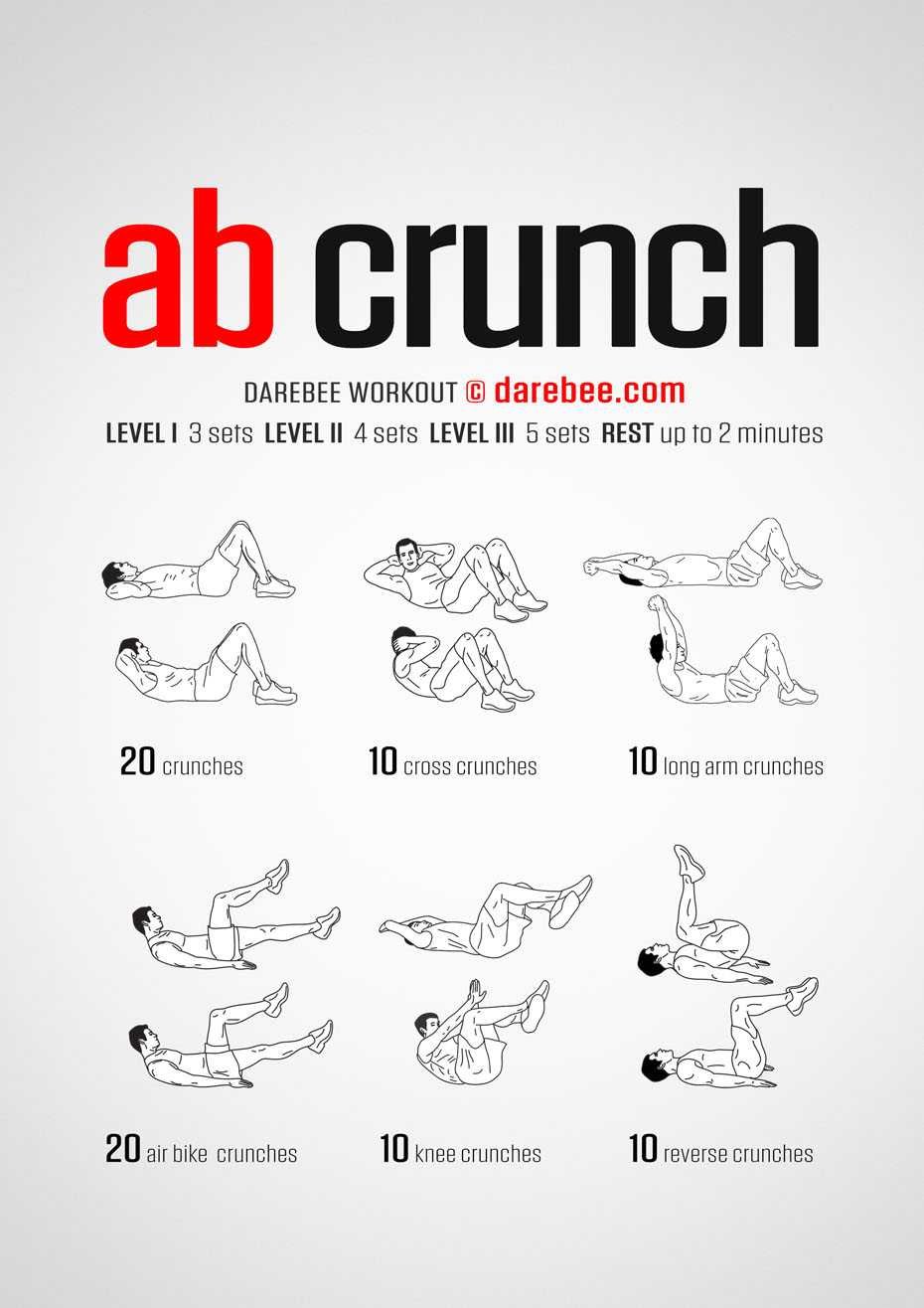
Ab crunches are a popular exercise designed to target your abdominal muscles, helping to strengthen and define your core. They’re simple to perform, require no equipment, and can be done almost anywhere, making them a favorite for those looking to tighten their midsection. When done correctly, ab crunches effectively engage the upper abdominals, contributing to better posture, stability, and toned abs.
In essence, ab crunches involve lying on your back and lifting your upper torso towards your knees using your abdominal muscles. This movement intensely activates your core, making it a key exercise for anyone aiming to sculpt their abs. Whether you’re a beginner or a seasoned fitness enthusiast, incorporating crunches into your workout routine can help you achieve a flatter, more toned stomach while improving core strength and endurance.
Ab crunches are a straightforward abdominal exercise that involves lifting your upper body from a lying position to engage the core muscles. They help strengthen and define the abdominal area, contributing to improved posture and core stability. This exercise is easy to perform and effective for targeting the upper abs, making it a staple in many fitness routines.

What is Ab Crunches Exercise?
Ab crunches are a popular exercise specifically designed to strengthen the abdominal muscles. They focus on engaging the core, helping to tone the stomach area. Many people include crunches in their workout routines because they are simple yet effective.
Understanding the Abdominal Muscles
The abdominal muscles, also called the abs, are a group of muscles located in the front of your belly. They include the rectus abdominis, obliques, and transversus abdominis. These muscles support your spine and help with movements like bending and twisting.
How Do Ab Crunches Work?
During an ab crunch, you lift your upper torso towards your knees. This movement targets the rectus abdominis, the main muscle that forms the “six-pack.” When you perform crunches correctly, they contract and strengthen, leading to a firmer stomach.
Benefits of Doing Ab Crunches
- Strengthen core muscles: Crunches improve overall core stability, which benefits posture and balance.
- Enhance athletic performance: A strong core supports movements in sports and daily activities.
- Help with back pain: Strengthening core muscles can reduce strain on your lower back.
- Improve appearance: Well-executed crunches can contribute to a flatter, more toned stomach.
Types of Ab Crunches
Standard Crunches
This classic movement involves lying on your back with knees bent and lifting your shoulders off the ground using your abdominal muscles. Keep your lower back pressed into the floor to avoid strain.
Reverse Crunches
In reverse crunches, you lift your hips and lower back off the floor by engaging your lower abs. This variation targets the lower part of your abs more intensely.
Oblique Crunches
These are performed with a twist of your torso to engage the side abdominal muscles. They help develop a more defined waistline and improve rotational strength.
Proper Technique for Effective Ab Crunches
Starting with the right form prevents injury and maximizes benefits. Begin by lying flat on your back with knees bent and feet flat on the floor. Place your hands behind your head or across your chest.
Engage your core muscles and lift your shoulders off the ground in a controlled motion. Do not pull on your neck or use momentum. Exhale as you crunch up and inhale as you lower back down.
Common Mistakes to Avoid
- Pulling on your neck: This can strain your neck and reduce effectiveness. Instead, focus on engaging your core.
- Using momentum: Swinging your body diminishes the workout’s impact. Perform slow, controlled movements.
- Not engaging the core: Concentrate on tightening your abdominal muscles rather than just raising your shoulders.
- Overdoing it: Doing too many crunches can cause muscle strain. Incorporate variety and rest days.
Incorporating Ab Crunches into Your Workout Routine
For best results, include crunches with other core exercises like planks, leg raises, and twisting motions. Aim to perform 2 to 3 sets of 15 to 20 repetitions, gradually increasing as your strength improves.
Consistency is key. Incorporate crunches into your routine at least three times a week for visible improvements over time.
Safety Tips for Performing Ab Crunches
- Warm up before exercising: Jumping jacks or light stretching prepare your muscles.
- Maintain proper form: Keep your neck relaxed to avoid strain.
- Use controlled movements: Focus on quality rather than quantity.
- Listen to your body: Stop if you feel pain or discomfort.
Additional Core Exercises to Complement Ab Crunches
| Exercise | Description | Targeted Muscles |
|---|---|---|
| Planks | Hold your body in a straight line on forearms or hands for a set time. | Entire core, shoulders |
| Leg Raises | Lie on your back and lift legs toward the ceiling without bending knees. | Lower abs, hip flexors |
| Russian Twists | Sit with knees bent, twist torso side to side. | Obliques, transverse abdominis |
| Bicycle Crunches | Alternate bringing opposite elbow to knee in a pedaling motion. | Rectus abdominis, obliques |
Pro Tips for Maximizing Results
- Maintain a healthy diet: Abs are also revealed through proper nutrition.
- Stay hydrated: Proper hydration helps muscle recovery.
- Combine cardio with strength training: Cardio helps reduce body fat, making abs more visible.
- Be patient: Consistent effort over time yields the best results.
The Role of Diet and Lifestyle
Crunches alone won’t give you a flat stomach. Combine them with a balanced diet rich in vegetables, lean proteins, and whole grains. Reduce processed foods, sugar, and saturated fats for better results.
Getting enough sleep and managing stress also support muscle recovery and fat loss, making your core exercises more effective.
Ab crunches are a simple but powerful exercise to strengthen your core muscles. When performed correctly, they target the main abdominal muscles, helping you build strength and definition. Remember to be consistent, focus on proper form, and combine crunches with other healthy habits for optimal results.
Crunches Tips #abworkout #abs #sixpackabs #fitness
Frequently Asked Questions
What muscles do ab crunches primarily target?
Ab crunches mainly focus on the rectus abdominis, the muscle responsible for the “six-pack” appearance. They also engage the oblique muscles on the sides of your abdomen, helping to strengthen and define the core area.
How should I perform ab crunches to ensure safety and effectiveness?
Lie on your back with knees bent and feet flat on the ground. Place your hands behind your head or across your chest. Engage your core muscles and lift your shoulders off the ground using your abdominal muscles. Avoid pulling on your neck and use controlled movements. Lower back down slowly and repeat for the desired number of repetitions.
Can ab crunches help in reducing belly fat?
While ab crunches strengthen and define abdominal muscles, they do not directly reduce belly fat. Combining them with a balanced diet and overall cardio exercises helps decrease overall body fat, leading to a more toned appearance in your abdominal area.
Are there any common mistakes to avoid when doing ab crunches?
Many people mistake pulling on their neck or using momentum rather than muscle engagement. Avoid jerky movements, and do not strain your neck or back. Focus on controlled, slow movements that target your core muscles effectively.
How many repetitions of ab crunches should I perform for optimal results?
Start with 2-3 sets of 12-15 repetitions, depending on your fitness level. As you build strength, gradually increase the number of sets or repetitions. Consistency is key to seeing progress in core strength and muscle definition.
Final Thoughts
Ab crunches exercise is a popular workout targeting the abdominal muscles. It involves lying on your back and lifting your shoulders off the ground to engage the core. This move helps strengthen and define the abdominal area.
In summary, what is ab crunches exercise? It is an effective way to work the core muscles directly, improving strength and muscle tone. Incorporating this exercise into your routine can benefit overall fitness and core stability.
As an Amazon Associate, We earn from qualifying purchases. When you purchase a product through Amazon links on pulsefitguide.com, we may earn a small commission at no extra cost to you. This helps support the site and keep our content free.