

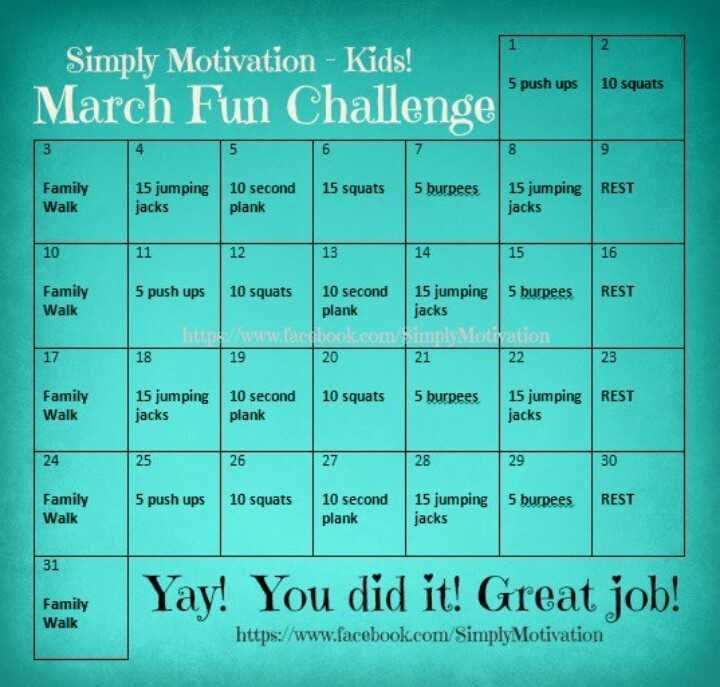
A good family workout routine is fun, inclusive, and adaptable to all ages and fitness levels, making exercise a bonding experience rather than a chore. To keep everyone motivated, choose activities that are enjoyable and varied, such as cycling, dancing, or outdoor games. Regularly schedule these sessions, and focus on movement rather than perfection to instill healthy habits.
A good family workout routine combines fun, variety, and consistency, encouraging everyone to stay active together. It emphasizes activities that suit different ages and interests, making exercise feel less like a task and more like quality family time. The key is to create a supportive environment that motivates each member and makes physical activity a natural part of your daily routine.
Jumpstarting a family workout routine can seem overwhelming, but it’s actually quite simple and rewarding. When everyone participates, it not only helps improve health but also strengthens your family bond. By prioritizing fun and flexibility, you’ll find that exercise becomes an eagerly anticipated part of your day, fostering healthy habits that last a lifetime. Whether it’s a weekend hike, a backyard game, or a dance-off in the living room, the goal is to move together and enjoy each other’s company.

What is a good family workout routine?
Creating a family workout routine that everyone enjoys can be a fun way to stay healthy together. A good routine promotes physical activity, bonding, and healthy habits for all ages. It is important to find activities that are suitable for children and adults alike, making exercise both accessible and engaging for everyone in the family.
Understanding the importance of family workouts
Family workouts help improve physical fitness, boost mental health, and strengthen relationships. When families work out together, they set a positive example for kids to develop healthy habits early. Regular activity also reduces the risk of obesity and chronic diseases for all family members.
Key elements of an effective family workout routine
A successful routine should include a mix of cardio, strength training, flexibility exercises, and fun activities. Shorter, consistent workouts tend to be more sustainable and enjoyable. Setting realistic goals and keeping activities varied keeps everyone motivated and interested.
Choosing suitable activities for all ages
Select exercises that are safe, engaging, and adaptable for different ages and fitness levels. For young children, incorporate playful and energetic movements. Teens and adults can participate in more intense workouts or strength exercises, ensuring everyone feels challenged but not overwhelmed.
Cardio workouts everyone can enjoy
Jump rope sessions
Jumping rope is a simple yet effective cardio activity suitable for children and adults. It improves coordination, endurance, and heart health. Set aside 10 to 15 minutes for family jump rope competitions or group jump rope routines.
Walking or cycling together
Walking or cycling in your neighborhood or local parks provides excellent low-impact cardio. Make it a fun family outing by exploring new trails or parks. Aim for at least 30 minutes, making it a daily habit.
Dance parties
Crank up some lively music and dance around the living room or backyard. This activity burns calories, lifts spirits, and involves everyone. Create a playlist of favorite songs and dance for 15 to 20 minutes.
Strength training exercises for all family members
Bodyweight exercises
Push-ups, sit-ups, squats, and planks are effective and require no equipment. Adapt each exercise to suit different age levels and abilities. Incorporate these into a circuit to keep things lively and challenging.
Using household items as weights
Fill bags with books or use water bottles as weights for resistance training. This approach makes strength exercises accessible and cost-effective. For example, lifting water bottles during bicep curls or overhead presses adds variety.
Fun strength games
Play tug-of-war or relay races that include strength elements. These games promote teamwork while building muscle strength. They are also great for engaging kids and adults in active fun.
Flexibility and stretching routines
Simple stretching exercises
Stretching improves range of motion and reduces injury risk. Incorporate simple stretches such as touching toes, arm circles, and shoulder rolls. Hold each stretch for 10 to 15 seconds and perform after workouts.
Yoga sessions for families
Family-friendly yoga combines stretching, breathing exercises, and relaxation. Follow online videos or attend local classes designed for all ages. Yoga enhances flexibility, balance, and mental calmness.
Making workouts fun and engaging
Adding elements of play and competition motivates family members to stay active. Create themed workout days, such as ‘Superhero Day’ or ‘Adventure Quest,’ to make exercise exciting. Reward progress with praise or small treats to encourage continued participation.
Scheduling and consistency
Setting a weekly routine
Designate specific days and times for family workouts to build a habit. Consistency is key to maintaining progress and making exercise part of daily life. Start with three sessions per week and gradually increase as everyone adjusts.
Balancing activity and rest
Ensure that routines include rest days to prevent fatigue and injury. Encourage family members to listen to their bodies and modify activities as needed. Rest days can also be active—like gentle walks or stretching—to keep everyone moving.
Safety precautions during family workouts
Proper warm-up and cool-down
Begin each session with a 5-minute warm-up to prepare muscles and prevent injury. End with stretching and slow movements to cool down and aid recovery. Always monitor for signs of fatigue or discomfort.
Adapting for health conditions
Modify exercises for family members with health issues or injuries. Consult with healthcare providers if there are specific concerns. Focus on low-impact activities and avoid strenuous movements that could cause harm.
Tracking progress and celebrating achievements
Use charts, journals, or apps to record workouts and celebrate milestones. Recognizing progress boosts motivation and helps set new goals. Celebrate achievements with family rewards or fun outings.
Creating a positive environment for family fitness
Encourage each family member to share their favorite exercises and support each other. Keep the atmosphere light, fun, and encouraging. Emphasize effort over perfection to foster confidence and enjoyment.
Involving everyone in planning
Let family members choose activities they enjoy and help plan the routine. This inclusiveness increases commitment and ensures that the workouts are enjoyable for everyone. Rotate activities to keep things fresh and exciting.
Overall, a good family workout routine balances physical activity, fun, safety, and consistency. By making exercise an enjoyable family activity, you set the stage for healthy habits that last a lifetime. Incorporate variety, encourage participation, and celebrate progress to keep everyone motivated and active together.
10-Minute Family Fun Cardio Exercise Workout
Frequently Asked Questions
How can families create a fun and engaging workout routine together?
Creating a fun workout routine involves mixing activities everyone enjoys. Incorporate games like tag or relay races and themed workout days, such as dance-offs or obstacle courses. Encourage participation by setting challenges that suit different ages and fitness levels. Keeping the atmosphere light-hearted and emphasizing teamwork helps family members stay motivated and look forward to exercising together.
What types of exercises are suitable for families with young children?
Families with young children should focus on age-appropriate activities that promote movement without causing frustration. Activities like playful dance sessions, simple yoga poses, or hopping and jumping games work well. Use props like balloons or hula hoops to add fun. Short sessions that emphasize playful movement help children develop coordination and build a positive attitude toward physical activity.
How can families stay consistent with their workout routines amid busy schedules?
To maintain consistency, families can plan workout sessions into their weekly schedules, setting specific days and times. Keep routines short—around 20 to 30 minutes—to fit into busy days. Make workouts a family commitment by involving everyone in goal-setting and tracking progress. Building a supportive environment where each member encourages others helps establish regular habits and keeps everyone motivated to stay active.
Final Thoughts
A good family workout routine combines fun, variety, and consistency. Choose activities everyone enjoys, like biking, dancing, or hiking. Keep sessions short and engaging to maintain the kids’ interest.
Mix cardio, strength, and flexibility exercises to balance physical benefits. Involve all family members in planning to boost motivation and commitment.
A well-structured routine encourages healthy habits and brings family members closer. What is a good family workout routine? It should be enjoyable, inclusive, and sustainable for everyone’s benefit.
As an Amazon Associate, We earn from qualifying purchases. When you purchase a product through Amazon links on pulsefitguide.com, we may earn a small commission at no extra cost to you. This helps support the site and keep our content free.