

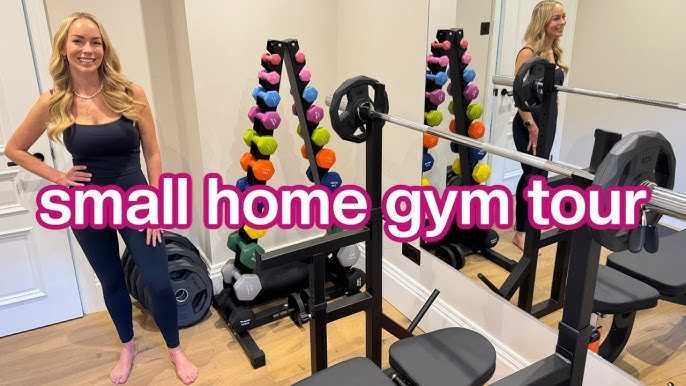
A great beginner routine for small space fitness is simple, effective, and doesn’t require any special equipment. Just a few minutes each day of bodyweight exercises can help you stay active and build strength right in your cozy corner. The key is focusing on fundamental moves like squats, push-ups, and planks that maximize your limited space without any fuss.
In short, a good beginner routine for small space fitness includes bodyweight exercises such as squats, lunges, push-ups, and core work, done in short circuits a few times a week. It’s all about consistency and choosing moves that target multiple muscle groups, making your home workouts efficient and enjoyable.
If you’re new to working out at home and have a tiny space to move, finding a routine that fits comfortably can seem tricky. But the good news is, you don’t need much room or fancy equipment to get started. Simple moves can deliver effective results, boost your energy, and help you develop a healthy habit. The goal is to keep it manageable, fun, and adaptable to your schedule, so you stay motivated and gradually build strength without feeling overwhelmed.

What Is a Good Beginner Routine for Small Space Fitness
Starting a fitness routine in a small space can be simple and effective. It requires minimal equipment and focuses on body movements that fit comfortably in limited areas. A well-designed beginner plan helps build strength, improve flexibility, and boost overall health without the need for a large or fancy gym.
Understanding the Basics of Small Space Fitness
Small space fitness means doing exercises in areas like a living room, bedroom, or even a corner. It is important to choose activities that don’t need a lot of room or equipment. This approach makes staying active easy and convenient every day.
Before beginning, set clear goals. Do you want to lose weight, increase strength, or just stay active? Knowing your goals will help select the right exercises and keep you motivated. Remember, consistency is more important than intensity for beginners.
Essential Equipment for Small Space Workouts
You don’t need a lot of equipment to start. Some items can make workouts easier, but they are optional. Consider these simple tools:
- Yoga mat for comfort and stability
- Light dumbbells or water bottles for resistance
- Resistance bands for added challenge
- Sturdy chair for support and seated exercises
These items are affordable, space-saving, and versatile. They can enhance your workout without taking up much room.
Creating an Effective Beginner Routine
A good beginner routine balances strength, flexibility, and cardiovascular activity. It should last about 20 to 30 minutes and be done three to five times a week. The routine below offers a full-body workout suitable for small spaces.
Warm-up Exercises
Start each session with warm-up activities to prepare your muscles. Warm-ups should last about 5 minutes and can include:
- Marching in place
- Arm circles
- Neck stretches
- Light jogging or jumping jacks
This step helps prevent injuries and improves workout effectiveness.
Strength Training Exercises
Focus on major muscle groups with simple body-weight movements. Here are some beginner-friendly options:
Body-weight Squats
Stand with feet shoulder-width apart. Bend your knees and lower your hips as if sitting on a chair. Keep your chest up and knees behind toes. Push through your heels to stand back up. Do 2 sets of 10 to 15 repetitions.
Wall Push-ups
Stand facing a wall, arms extended and palms flat against the wall. Bend elbows and lean your chest toward the wall. Push back to start. Do 2 sets of 10 repetitions.
Seated Chair Dips
Sit on a sturdy chair, place hands on the edge, and slide forward slightly. Bend elbows to lower your body, then straighten arms to lift back up. Perform 2 sets of 8 to 12 reps.
Glute Bridges
Lie on your back with knees bent and feet flat on the floor. Lift your hips toward the ceiling, squeezing your glutes. Lower slowly. Do 2 sets of 10 to 15 reps.
Flexibility and Balance Exercises
Stretching helps prevent injuries and improves mobility. Include these gentle stretches after workouts:
- Hamstring stretch
- Quad stretch
- Shoulder stretch
- Calf stretch
Hold each stretch for 15 to 30 seconds, breathing deeply.
Cardiovascular Activities
Cardio improves heart health and burns calories. In small spaces, consider these options:
- Jumping jacks
- High knees in place
- Side steps or step touches
- Jump rope (if space and ceiling height permit)
Perform cardio for 10 to 15 minutes, three to four times weekly, to boost endurance and support fat loss.
Sample Weekly Workout Schedule
| Day | Workout Focus | Duration |
|---|---|---|
| Monday | Full-body strength + cardio | 25 minutes |
| Tuesday | Flexibility + balance | 15 minutes |
| Wednesday | Cardio + core exercises | 20 minutes |
| Thursday | Rest or gentle stretching | 10 minutes |
| Friday | Full-body strength + light cardio | 25 minutes |
| Saturday | Yoga or mobility exercises | 20 minutes |
| Sunday | Rest or active recovery | – |
This schedule balances different workout types, helping prevent boredom and overtraining. Adjust the days and exercises based on your preferences and progress.
Tips for Staying Motivated in a Small Space
- Set achievable goals and track your progress.
- Play your favorite music to make workouts fun.
- Start with short sessions and gradually increase intensity.
- Use a mirror or record your form for feedback.
- Invite a friend or family member to join you.
Creating a dedicated workout corner can also help establish a routine and keep you focused.
Adapting Exercises for Different Fitness Levels
If you’re just starting, stick to basic movements and shorter durations. As you become stronger, increase repetitions, add resistance, or extend workout time. Always listen to your body and avoid pushing too hard too quickly.
For those with more experience, modify exercises with weights or advanced variations to challenge yourself further. The routine should grow with your fitness level to continue making gains.
Additional Tips for Small Space Fitness Success
- Maintain good posture during all exercises.
- Stay consistent with your workouts, even if they are short.
- Hydrate before, during, and after exercising.
- Wear comfortable clothing that allows freedom of movement.
- Establish a regular workout schedule to build habits.
Remember, exercising in a small space is about making the most of what you have. With the right plan, dedication, and some creativity, you can enjoy an effective and enjoyable fitness journey.
Beginner Workout Routine for Students
Frequently Asked Questions
What are some effective exercises for small spaces that are suitable for beginners?
Begin with bodyweight exercises such as push-ups, squats, lunges, and planks. These activities require minimal space and no equipment, making them ideal for newcomers. Focus on proper form and start with shorter sessions, gradually increasing duration as your strength and confidence grow.
How often should a beginner workout in a limited space to see progress?
Aim to exercise three to four times a week. Consistency matters more than duration at first. Each session can last between 20 to 30 minutes, incorporating a mix of cardiovascular, strength, and flexibility exercises. Listening to your body helps prevent fatigue or injury.
What equipment can I use that won’t take up much space but still enhances my workout?
Consider investing in compact gear like resistance bands, a pair of dumbbells, or a stability ball. These options add variety and challenge to your routines without cluttering your living area. Many exercises can also be adapted to use only body weight if space is very limited.
How can I stay motivated to keep exercising regularly in a small space?
Create a designated workout area to build a routine. Set clear goals and track your progress. Use online videos or fitness apps for guidance and motivation. Incorporate music or find a workout buddy, even virtually, to keep your enthusiasm high and maintain accountability.
Final Thoughts
A good beginner routine for small space fitness should be simple and effective. Focus on bodyweight exercises like squats, push-ups, and lunges to maximize space. Incorporate short sessions of stretching or yoga to improve flexibility and relaxation. This approach keeps workouts manageable while building strength and endurance. Consistency is key to seeing progress in a limited area.
As an Amazon Associate, We earn from qualifying purchases. When you purchase a product through Amazon links on pulsefitguide.com, we may earn a small commission at no extra cost to you. This helps support the site and keep our content free.