
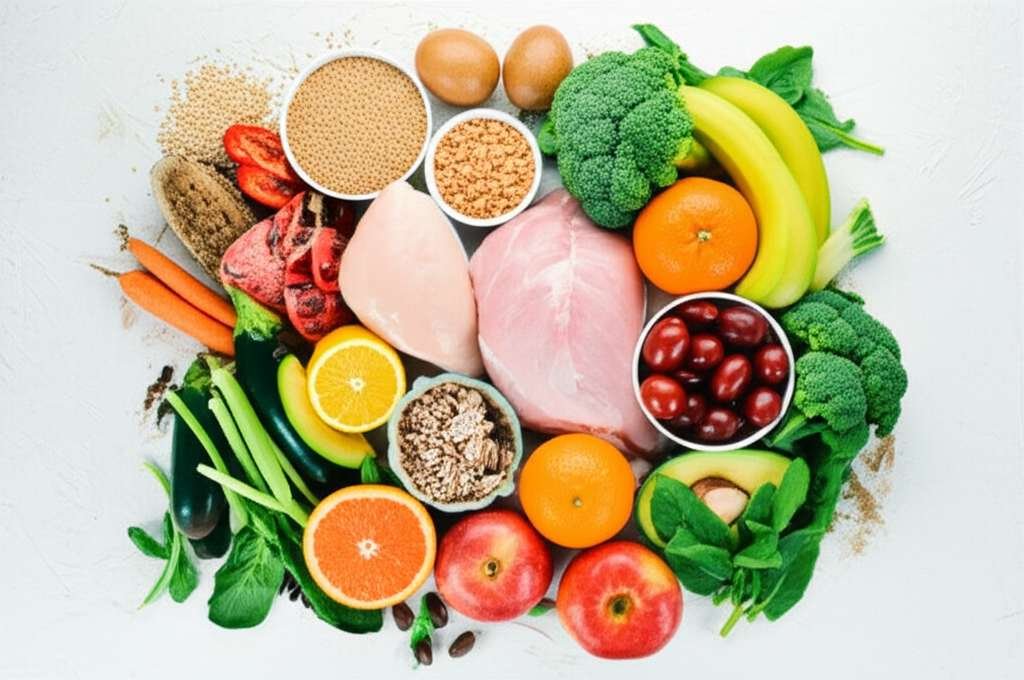
A good 7-day meal plan for fatty liver focuses on whole foods, lean proteins, healthy fats, and plenty of fruits and vegetables. It minimizes added sugars, processed foods, and unhealthy fats to support liver health and aid in weight management, which is crucial for reversing fatty liver disease.
Fatty liver disease can sound scary, but it’s often manageable with the right lifestyle changes. Many people find it confusing to know where to start with diet.
It’s completely normal to feel a bit lost when you first hear about needing to change your eating habits for fatty liver. This guide is here to make it simple.

We’ll break down exactly what a healthy diet looks like for your liver. Think of it as a friendly roadmap to feeling better.
This guide will give you a clear, easy-to-follow 7-day meal plan. You’ll learn what to eat and why it helps your liver.
Understanding Fatty Liver and Diet
Fatty liver disease means there’s too much fat built up in your liver. This can happen for various reasons, but diet plays a huge role. When your liver is overloaded with fat, it can’t do its job as well.
The good news is that diet is one of the most powerful tools to manage and even reverse fatty liver. By making smart food choices, you can help your liver heal and reduce the fat content.
It’s not about strict deprivation; it’s about nourishing your body with foods that support your liver’s function. We’ll focus on foods that are easy to find and prepare.
The Pillars of a Fatty Liver Diet
Before we dive into the meal plan, let’s look at the key components of a liver-friendly diet. These are the building blocks for healthy eating that can help manage fatty liver.
Focus on Whole, Unprocessed Foods
Whole foods are foods that are close to their natural state. Think fruits, vegetables, whole grains, and lean proteins. They are packed with nutrients and fiber, which are great for your overall health and your liver.
Processed foods, on the other hand, often contain added sugars, unhealthy fats, and lots of sodium. These can contribute to fat buildup in the liver and inflammation.
Lean Proteins
Lean proteins are essential for building and repairing tissues. They also help you feel full, which can be helpful for weight management.
Good sources include:
- Chicken breast (skinless)
- Turkey breast (skinless)
- Fish (especially fatty fish like salmon and mackerel, which contain omega-3s)
- Tofu and tempeh
- Legumes like beans, lentils, and chickpeas
- Low-fat dairy products (like Greek yogurt)
Healthy Fats
Don’t shy away from all fats! Healthy fats are crucial for your body and can actually help reduce inflammation. The key is to choose the right kinds.
Focus on monounsaturated and polyunsaturated fats found in:
- Avocado
- Nuts (almonds, walnuts, pistachios)
- Seeds (chia seeds, flaxseeds, sunflower seeds)
- Olive oil (extra virgin is best)
- Fatty fish (salmon, mackerel, sardines)
These fats can help improve cholesterol levels and reduce liver inflammation.
Plenty of Fruits and Vegetables
Fruits and vegetables are powerhouses of vitamins, minerals, antioxidants, and fiber. Antioxidants help protect your cells from damage, and fiber aids digestion and can help control blood sugar.
Aim for a variety of colors to get a wide range of nutrients.
- Leafy greens: spinach, kale, romaine lettuce
- Cruciferous vegetables: broccoli, cauliflower, Brussels sprouts
- Berries: blueberries, strawberries, raspberries
- Citrus fruits: oranges, grapefruits, lemons
- Other colorful options: carrots, bell peppers, sweet potatoes, apples
Limit Added Sugars and Refined Carbohydrates
This is a big one for fatty liver. Sugars and refined carbs are quickly converted to fat in the body, and the liver is where much of this happens.
Be mindful of:
- Sugary drinks: soda, fruit juices, sweetened teas/coffees
- Sweets: candy, cookies, cakes, pastries
- Refined grains: white bread, white pasta, white rice, most breakfast cereals
Choosing whole grains and complex carbohydrates instead can help stabilize blood sugar and reduce fat storage.
Reduce Unhealthy Fats
Saturated and trans fats can worsen fatty liver and increase the risk of heart disease.
Limit:
- Fried foods
- Processed meats (sausages, bacon, hot dogs)
- Fatty cuts of red meat
- Butter, lard, and full-fat dairy
- Commercial baked goods and snacks
Hydration is Key
Drinking enough water is vital for all bodily functions, including helping your liver process toxins. Aim for at least 8 glasses of water a day, and more if you’re active.
Unsweetened herbal teas also count towards your fluid intake.
Your Beginner-Friendly 7-Day Meal Plan for Fatty Liver
This meal plan is designed to be simple, delicious, and effective for supporting liver health. It prioritizes whole foods and avoids common triggers for fatty liver. Remember to adjust portion sizes based on your individual needs and activity level.
Key:
- Breakfast: Focus on protein and fiber to start your day right.
- Lunch: Balanced meals with lean protein, vegetables, and healthy carbs.
- Dinner: Similar to lunch, emphasizing lean protein and lots of veggies.
- Snacks: If needed, opt for fruits, nuts, or seeds.
—
Day 1
Breakfast: Oatmeal made with water or unsweetened almond milk, topped with berries and a sprinkle of chia seeds.
Lunch: Large salad with grilled chicken breast, mixed greens, cucumber, tomatoes, bell peppers, and a light olive oil and lemon vinaigrette.
Dinner: Baked salmon with roasted broccoli and a small serving of quinoa.
Snack (Optional): A small handful of almonds.
Day 2
Breakfast: Scrambled eggs (2-3) with spinach and mushrooms.
Lunch: Lentil soup with a side of whole-grain bread.
Dinner: Turkey meatballs (made with lean ground turkey and oats as binder) with zucchini noodles and a marinara sauce.
Snack (Optional): An apple.
Day 3
Breakfast: Greek yogurt (plain, unsweetened) with a handful of walnuts and a few slices of peach.
Lunch: Leftover turkey meatballs and zucchini noodles.
Dinner: Chicken stir-fry with plenty of mixed vegetables (broccoli, carrots, snap peas) and brown rice, using a low-sodium soy sauce or tamari.
Day 4
Breakfast: Smoothie made with spinach, unsweetened almond milk, half a banana, and a scoop of protein powder.
Lunch: Tuna salad (made with Greek yogurt instead of mayonnaise) served in lettuce cups with sliced tomatoes.
Dinner: Baked cod with steamed asparagus and a small sweet potato.
Day 5
Breakfast: Whole-grain toast (1-2 slices) topped with mashed avocado and a sprinkle of red pepper flakes.
Lunch: Leftover baked cod and steamed asparagus.
Dinner: Lean beef or bean chili, packed with vegetables like onions, bell peppers, and tomatoes. Serve with a small side salad.
Day 6
Breakfast: Overnight oats made with rolled oats, unsweetened almond milk, and a spoonful of chia seeds, topped with sliced banana in the morning.
Lunch: Quinoa salad with black beans, corn, diced bell peppers, cilantro, and a lime dressing.
Dinner: Grilled chicken breast with a large mixed green salad and a side of roasted Brussels sprouts.
Day 7
Breakfast: Omelet with diced vegetables (onions, bell peppers) and a small amount of low-fat cheese.
Lunch: Leftover grilled chicken and salad.
* Dinner: Baked tofu with stir-fried mixed vegetables and a small portion of brown rice.
—
Sample Weekly Meal Breakdown Table
To help visualize, here’s a table summarizing the meal types for the week.
| Meal | Day 1 | Day 2 | Day 3 | Day 4 | Day 5 | Day 6 | Day 7 |
|---|---|---|---|---|---|---|---|
| Breakfast | Oatmeal with berries & seeds | Scrambled eggs with veggies | Greek yogurt with nuts | Green smoothie | Avocado toast | Overnight oats | Vegetable omelet |
| Lunch | Chicken salad | Lentil soup | Leftover meatballs | Tuna lettuce wraps | Leftover cod | Quinoa salad | Leftover chicken salad |
| Dinner | Baked salmon with broccoli & quinoa | Turkey meatballs with zoodles | Chicken stir-fry with brown rice | Baked cod with asparagus | Lean chili with salad | Grilled chicken with Brussels sprouts | Baked tofu with stir-fried veggies |
Important Considerations for Success
Following a meal plan is just one part of managing fatty liver. Here are some other crucial elements:
Portion Control
Even healthy foods can contribute to weight gain if eaten in excessive amounts. Being mindful of portion sizes is key, especially if weight loss is a goal, as losing weight is often the most effective way to reduce liver fat.
Hydration Habits
As mentioned, drinking plenty of water is vital. Aim for at least 8 glasses (about 2 liters) of water per day. You can also include unsweetened herbal teas.
Regular Physical Activity
Exercise is incredibly beneficial for fatty liver disease. It helps with weight management, improves insulin sensitivity, and can directly reduce liver fat. Aim for at least 150 minutes of moderate-intensity aerobic activity per week, along with muscle-strengthening activities. For more on exercise recommendations, the National Institute of Diabetes and Digestive and Kidney Diseases (NIDDK) provides excellent resources.
Limit Alcohol Intake
For individuals with fatty liver, it’s often recommended to significantly reduce or eliminate alcohol consumption, as alcohol can further damage the liver.
Read Food Labels
Get into the habit of checking nutrition labels. Pay attention to serving sizes, sugar content, saturated fat, and sodium. This empowers you to make informed choices.
Cooking Methods
Opt for healthier cooking methods like baking, grilling, steaming, roasting, or stir-frying with minimal oil, rather than deep-frying.
Seek Professional Guidance
Always consult with your doctor or a registered dietitian before making significant changes to your diet, especially if you have a medical condition like fatty liver disease. They can provide personalized advice tailored to your specific health needs.
Frequently Asked Questions About Fatty Liver Meal Plans
Here are some common questions beginners have about eating for fatty liver.
What foods should I absolutely avoid with fatty liver?
You should aim to avoid or severely limit sugary drinks (soda, juice), sweets, processed snacks, fried foods, fatty cuts of meat, and excessive amounts of refined carbohydrates like white bread and white rice. These can contribute to fat buildup in the liver.
Can I eat fruit if I have fatty liver?
Yes, absolutely! Fruits are packed with vitamins, minerals, and fiber, which are beneficial. It’s best to eat whole fruits rather than drinking their juice, as whole fruits contain more fiber, which helps manage blood sugar. Berries, apples, and citrus fruits are great choices.
How much protein do I need for fatty liver?
Protein is important for satiety and overall health. Aim for lean protein sources at each meal. Your specific protein needs can vary, so it’s best to discuss this with a healthcare professional, but generally, including sources like chicken breast, fish, beans, or tofu in your meals is recommended.
Is coffee good or bad for fatty liver?
Research suggests that moderate coffee consumption may actually be beneficial for liver health, including for fatty liver disease. The antioxidants in coffee are thought to play a role. However, avoid adding lots of sugar or cream to your coffee.
How quickly can a diet change improve fatty liver?
Improvements can be seen in as little as a few weeks to months with consistent, healthy dietary changes and weight loss. However, it’s a long-term commitment to maintain liver health. Your doctor can monitor your progress.
What are some easy, healthy snack ideas?
Great snack ideas include a handful of unsalted nuts (like almonds or walnuts), a piece of fruit (like an apple or pear), vegetable sticks (carrots, celery, cucumber) with a small amount of hummus, or a small container of plain Greek yogurt.
Do I need to lose weight to improve my fatty liver?
Weight loss is often the most effective treatment for non-alcoholic fatty liver disease (NAFLD). Even a modest weight loss of 5-10% of your body weight can significantly reduce fat in the liver and improve liver health. This meal plan supports weight management by focusing on nutrient-dense, lower-calorie whole foods.
Conclusion
Navigating dietary changes for fatty liver might seem daunting at first, but it’s an achievable and incredibly rewarding journey. By focusing on whole, unprocessed foods, lean proteins, healthy fats, and plenty of fruits and vegetables, you can create a diet that not only supports your liver health but also boosts your overall well-being.
This 7-day meal plan provides a solid foundation, but remember that consistency and personalization are key. Listen to your body, make gradual changes, and don’t hesitate to seek professional advice from your doctor or a registered dietitian. Embracing these healthy habits is a powerful step towards a healthier liver and a more vibrant life. You’ve got this!
As an Amazon Associate, We earn from qualifying purchases. When you purchase a product through Amazon links on pulsefitguide.com, we may earn a small commission at no extra cost to you. This helps support the site and keep our content free.