

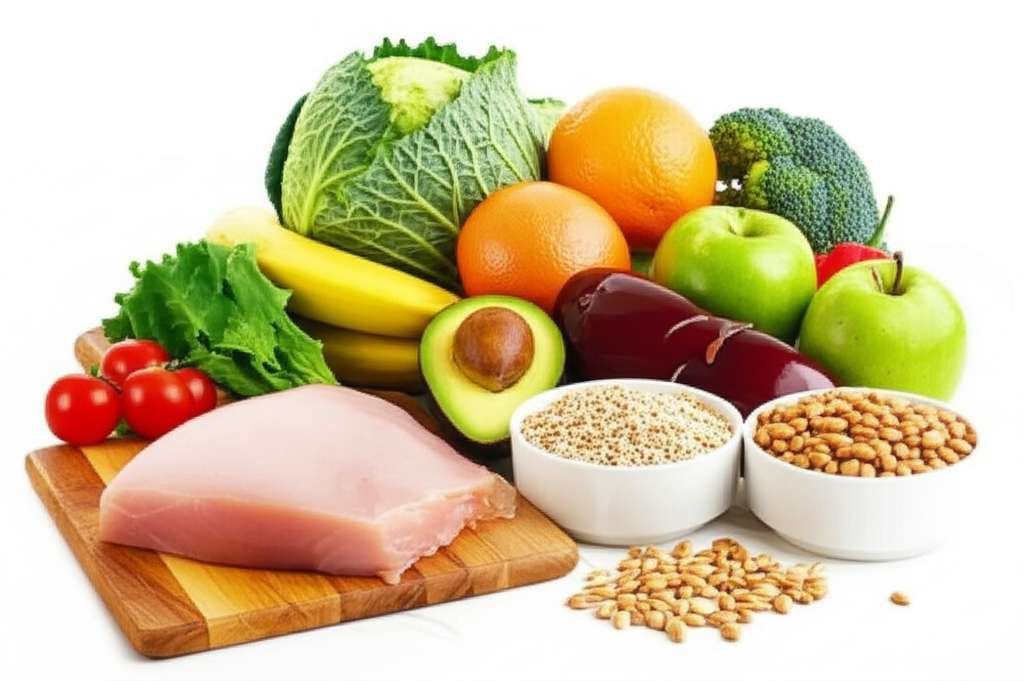
A good 30-day meal plan for fatty liver focuses on whole foods, lean proteins, healthy fats, and plenty of fiber, while significantly reducing sugar, processed foods, and unhealthy fats. This approach helps manage weight and improve liver health by promoting nutrient intake and reducing liver strain.
Feeling overwhelmed by fatty liver? You’re not alone. It’s a common condition, and figuring out what to eat can seem confusing. But it doesn’t have to be complicated!
Think of your liver as your body’s amazing cleanup crew. When it gets overloaded with unhealthy fats and sugars, it can’t do its job as well. The good news is, with the right food choices, you can help your liver heal and feel better.
This guide is designed to make it easy. We’ll break down exactly what to eat, with simple steps and practical tips. Get ready to discover how a delicious and healthy 30-day meal plan can make a real difference for your fatty liver.
Understanding Fatty Liver and Your Diet
Fatty liver disease, also known as hepatic steatosis, means there’s too much fat built up in your liver. It’s a condition that often develops without obvious symptoms, which can make it tricky to catch early. However, if left unmanaged, it can lead to more serious liver problems.
The good news is that diet plays a huge role in managing fatty liver. By making smart food choices, you can help reduce fat in your liver, improve its function, and even reverse the condition in many cases. It’s all about giving your body the right fuel to help your liver recover.
Think of your diet as a powerful tool. When you focus on nourishing foods, you’re actively supporting your liver’s health. Conversely, certain foods can put extra strain on your liver, making the problem worse. We’ll explore how to make your diet a friend to your liver.
Why Diet is Key for Fatty Liver
Your liver is a workhorse, processing everything you eat and drink. When it’s clogged with fat, its ability to perform essential functions like detoxifying your body, producing bile, and metabolizing fats and sugars is impaired. This is where diet comes in as your primary strategy.
A well-structured meal plan can help you achieve and maintain a healthy weight, which is crucial since obesity is a major risk factor for fatty liver. By reducing calorie intake and choosing nutrient-dense foods, you can encourage your body to burn stored fat, including the fat in your liver.
Furthermore, certain foods can directly impact liver inflammation and fat accumulation. Focusing on anti-inflammatory foods and those rich in antioxidants can help protect your liver cells and promote healing. It’s about creating a sustainable eating pattern that benefits your entire body, starting with your liver.
The National Institute of Diabetes and Digestive and Kidney Diseases (NIDDK) emphasizes that lifestyle changes, including diet and exercise, are the cornerstone of treatment for nonalcoholic fatty liver disease (NAFLD). This highlights the direct link between what you eat and the health of your liver.
The Pillars of a Fatty Liver Diet
Building a successful 30-day meal plan for fatty liver is about focusing on a few key dietary principles. These aren’t restrictive diets; they’re about making smart, delicious choices that support your liver and overall health. Let’s break down the core components.
The main goal is to reduce the load on your liver. This means cutting back on things that are hard for it to process, like excess sugar and unhealthy fats. At the same time, we want to flood your body with nutrients that help it repair and function optimally.
Think of these pillars as your friendly guideposts. They’ll help you navigate your grocery store and kitchen with confidence, making it easier to create meals that are both enjoyable and beneficial for your liver. Let’s dive into what these pillars entail.
1. Embrace Whole, Unprocessed Foods
This is the foundation. Whole foods are foods in their natural state, or as close to it as possible. They are packed with vitamins, minerals, fiber, and antioxidants that your body, especially your liver, craves. Think fruits, vegetables, lean proteins, and whole grains.
Processed foods, on the other hand, are often loaded with added sugars, unhealthy fats, sodium, and artificial ingredients. These can be difficult for your liver to process and contribute to inflammation and fat buildup. Aim to fill your plate with foods that don’t have a long ingredient list.
By prioritizing whole foods, you’re not just feeding your liver; you’re nourishing your entire body. This approach naturally helps you consume fewer harmful substances and more beneficial nutrients, creating a positive cycle of health.
2. Prioritize Lean Proteins
Protein is essential for building and repairing tissues, including liver cells. Choosing lean sources ensures you get the protein your body needs without the added saturated fat, which can be hard on your liver. Lean proteins help you feel full and satisfied, which can aid in weight management.
Excellent sources include chicken breast (skinless), turkey, fish (especially fatty fish like salmon, which also provides omega-3s), beans, lentils, tofu, and eggs. These provide the building blocks your body needs without placing an excessive burden on your liver.
Including a protein source at each meal helps stabilize blood sugar levels and provides sustained energy. This is crucial for avoiding energy crashes and cravings that can lead to less healthy food choices.
3. Include Healthy Fats
Don’t fear fat! Healthy fats are crucial for hormone production, nutrient absorption, and reducing inflammation. The key is to choose the right kinds of fats and consume them in moderation.
Focus on monounsaturated and polyunsaturated fats. Good sources include avocados, olive oil, nuts, seeds (like chia, flax, and sunflower seeds), and fatty fish. These fats can actually help improve cholesterol levels and reduce inflammation in the body.
Limit saturated fats found in red meat, butter, and full-fat dairy, and avoid trans fats entirely, which are often found in processed and fried foods. These unhealthy fats are a major contributor to fatty liver disease.
4. Load Up on Fiber-Rich Foods
Fiber is your liver’s best friend. It helps with digestion, keeps you feeling full, and can even help lower cholesterol. It also plays a role in regulating blood sugar, which is important for preventing fat buildup.
Fruits, vegetables, whole grains (like oats, quinoa, brown rice), beans, and lentils are all fantastic sources of dietary fiber. Aim to incorporate a variety of these into every meal and snack.
Soluble fiber, in particular, has been shown to be beneficial for individuals with fatty liver disease. It helps bind to cholesterol and bile acids in the digestive tract, aiding in their removal from the body. According to research published in the Journal of Nutritional Science, increased fiber intake is associated with improved metabolic health markers relevant to NAFLD.
5. Limit Sugar and Refined Carbohydrates
This is arguably one of the most critical steps for managing fatty liver. Sugary drinks, desserts, white bread, pasta, and processed snacks are quickly converted to sugar in your body. When you have excess sugar, your liver turns it into fat.
Reducing your intake of added sugars and refined carbohydrates is essential for preventing further fat accumulation in your liver and promoting fat loss. This means cutting back on soda, fruit juices with added sugar, candies, cakes, pastries, and white flour products.
Opt for complex carbohydrates found in whole grains, vegetables, and fruits. These are digested more slowly, leading to a more gradual rise in blood sugar and less stress on your liver.
6. Stay Hydrated
Drinking enough water is vital for overall health and supports your liver’s detoxification processes. Water helps transport nutrients to your cells and flush out waste products. Aim for at least 8 glasses of water a day, more if you are active or live in a warm climate.
Beyond plain water, unsweetened herbal teas are also a great choice. They can provide hydration and often come with added benefits, like antioxidants or digestive support. Avoid sugary beverages, which can negate your dietary efforts.
Proper hydration also helps with digestion and can prevent constipation, ensuring your digestive system runs smoothly. This indirectly supports your liver by reducing the burden of processing undigested food.
Your 30-Day Fatty Liver Meal Plan Framework
Now, let’s put these principles into action! This 30-day plan isn’t about rigid rules but a flexible framework. You can swap meals around, adjust portion sizes based on your needs, and choose your favorite healthy ingredients. The key is consistency.
We’ll structure this by providing a daily template and then offering sample meals for breakfast, lunch, and dinner. Remember to listen to your body and adjust as needed. This is about building sustainable habits you can stick with long-term.
Think of this as your personalized roadmap to a healthier liver. Each day is an opportunity to make a positive choice for your well-being. Let’s get started on building your delicious and liver-friendly eating habits!
Daily Meal Structure Template
This template ensures you get a balanced intake of nutrients throughout the day, supporting satiety and liver function.
- Breakfast: Focus on protein and fiber to start your day strong.
- Lunch: Combine lean protein, healthy fats, and plenty of vegetables.
- Dinner: Similar to lunch, emphasizing lean protein, non-starchy vegetables, and a small portion of complex carbs if needed.
- Snacks (Optional): If you get hungry between meals, opt for nutrient-dense options.
Sample Meal Ideas for 30 Days
Here are some ideas to fill your 30-day plan. Mix and match these to create variety and keep things interesting!
Week 1: Building the Foundation
This week focuses on introducing the core principles and establishing a routine.
| Day | Breakfast | Lunch | Dinner | Snack (Optional) |
|---|---|---|---|---|
| 1 | Oatmeal with berries and a sprinkle of nuts | Large salad with grilled chicken breast, mixed greens, cucumber, tomatoes, bell peppers, and olive oil vinaigrette | Baked salmon with steamed broccoli and a small portion of quinoa | Apple slices with almond butter |
| 2 | Scrambled eggs with spinach and whole-wheat toast (1 slice) | Lentil soup with a side salad | Turkey meatballs (lean ground turkey) with zucchini noodles and marinara sauce | Handful of almonds |
| 3 | Greek yogurt (plain, unsweetened) with chia seeds and sliced peaches | Tuna salad (made with Greek yogurt or light mayo) in lettuce wraps with a side of carrot sticks | Chicken stir-fry with mixed vegetables (broccoli, carrots, snap peas) and brown rice (small portion) | Pear |
| 4 | Smoothie: Spinach, unsweetened almond milk, 1/2 banana, protein powder | Leftover chicken stir-fry | Baked cod with roasted asparagus and a small sweet potato | Hard-boiled egg |
| 5 | Whole-wheat toast (1 slice) with avocado and a sprinkle of red pepper flakes | Chickpea salad sandwich on whole-wheat bread with lettuce and tomato | Lean beef and vegetable skewers (bell peppers, onions, zucchini) with a side salad | Small handful of walnuts |
| 6 | Oatmeal with sliced apple and cinnamon | Leftover beef and vegetable skewers | Shrimp scampi with zucchini noodles (use whole wheat pasta sparingly if desired) | Berries |
| 7 | Two-egg omelet with mushrooms and onions | Large mixed green salad with canned salmon, avocado, and lemon-herb dressing | Roasted chicken breast with green beans and a small portion of roasted root vegetables (carrots, parsnips) | Cucumber slices with hummus |
Week 2: Exploring Variety and Flavor
This week introduces more diverse recipes and helps you find new favorites.
| Day | Breakfast | Lunch | Dinner | Snack (Optional) |
|---|---|---|---|---|
| 8 | Greek yogurt with mixed berries and flaxseeds | Quinoa salad with black beans, corn, bell peppers, cilantro, and lime dressing | Baked chicken thighs (skinless) with sautéed kale and garlic | Orange |
| 9 | Scrambled tofu with turmeric, black pepper, and diced vegetables | Leftover baked chicken thighs with kale | Salmon patties (homemade) with a large side salad | Edamame (steamed) |
| 10 | Oatmeal with chopped apple, walnuts, and cinnamon | Tuna salad with celery and grapes, served in bell pepper halves | Turkey chili (lean ground turkey, beans, tomatoes, spices) | Small handful of pumpkin seeds |
| 11 | Smoothie: Unsweetened almond milk, spinach, ½ pear, protein powder | Leftover turkey chili | Lentil shepherd’s pie with a cauliflower mash topping | Grapes |
| 12 | Whole-wheat toast with mashed avocado and a poached egg | Chicken breast salad (cubed chicken, celery, light mayo/Greek yogurt) on a bed of lettuce | Pan-seared white fish (like tilapia or cod) with steamed spinach and a small portion of brown rice | Greek yogurt |
| 13 | Chia seed pudding made with unsweetened almond milk, topped with raspberries | Leftover pan-seared fish with spinach and rice | Veggie burgers (homemade or low-sodium store-bought) on lettuce wraps with sweet potato fries (baked, not fried) | Apple |
| 14 | Two-egg omelet with bell peppers and feta cheese | Large salad with grilled shrimp, avocado, mixed greens, and citrus vinaigrette | Roast pork tenderloin with roasted Brussels sprouts and a small portion of mashed cauliflower | Handful of mixed nuts |
Week 3: Sustaining and Fine-Tuning
By now, you should be getting the hang of it! This week is about consistency and enjoying the benefits.
| Day | Breakfast | Lunch | Dinner | Snack (Optional) |
|---|---|---|---|---|
| 15 | Oatmeal with sliced banana and almond butter | Leftover roast pork with Brussels sprouts | Baked salmon with a large mixed green salad and a side of roasted sweet potato wedges | Berries |
| 16 | Scrambled eggs with cherry tomatoes and whole-wheat toast (1 slice) | Chicken and vegetable soup (homemade, low-sodium broth) | Tofu scramble with black beans and a side of salsa | Pear |
| 17 | Greek yogurt with blueberries and pumpkin seeds | Leftover tofu scramble with black beans | Lean ground turkey stuffed bell peppers (with quinoa and vegetables) | Hard-boiled egg |
| 18 | Smoothie: Kale, unsweetened almond milk, ½ apple, protein powder | Tuna salad lettuce wraps | Baked cod with steamed broccoli and a small portion of barley | Small handful of almonds |
| 19 | Whole-wheat toast with cottage cheese and sliced cucumber | Large salad with grilled chicken, avocado, and mixed greens | Chicken breast with roasted cauliflower and a small portion of quinoa | Apple slices with almond butter |
| 20 | Oatmeal with chopped peaches and chia seeds | Leftover chicken breast with cauliflower and quinoa | Shrimp and vegetable skewers with a side salad | Grapes |
| 21 | Two-egg omelet with spinach and mushrooms | Chickpea and vegetable curry (coconut milk base, light) with a small portion of brown rice | Baked salmon with asparagus and a side of mixed greens | Greek yogurt |
Week 4: Long-Term Habits
This week reinforces the healthy habits you’ve built, making them feel more natural and sustainable.
| Day | Breakfast | Lunch | Dinner | Snack (Optional) |
|---|---|---|---|---|
| 22 | Greek yogurt with raspberries and walnuts | Leftover salmon with mixed greens | Lean beef stir-fry with mixed vegetables (broccoli, bell peppers, onions) and a small portion of brown rice | Orange |
| 23 | Scrambled eggs with avocado and a small side of mixed berries | Lentil soup with a side salad | Baked chicken breast with roasted sweet potatoes and green beans | Edamame |
| 24 | Oatmeal with sliced pear and cinnamon | Leftover chicken breast with sweet potatoes and green beans | Salmon burgers on whole-wheat buns (or lettuce wraps) with a side salad | Handful of walnuts |
| 25 | Smoothie: Spinach, unsweetened almond milk, ½ banana, protein powder | Tuna salad in celery sticks with a side of cherry tomatoes | Turkey meatballs with zucchini noodles and a light tomato sauce | Pear |
| 26 | Whole-wheat toast with almond butter and a sprinkle of chia seeds | Large salad with grilled shrimp, avocado, and mixed greens | Baked cod with steamed kale and a small portion of quinoa | Greek yogurt |
| 27 | Chia seed pudding with mango and flaxseeds | Leftover baked cod with kale and quinoa | Chicken and vegetable skewers with a large side salad | Berries |
| 28 | Two-egg omelet with feta cheese and spinach | Chickpea salad with cucumber and tomato, served over mixed greens | Lean pork tenderloin with roasted asparagus and a small portion of mashed cauliflower | Small handful of almonds |
| 29 | Oatmeal with berries and a sprinkle of nuts | Leftover pork tenderloin with asparagus and cauliflower mash | Baked salmon with a large mixed green salad and a side of roasted Brussels sprouts | Apple slices with almond butter |
| 30 | Greek yogurt with mixed berries and chia seeds | Large salad with grilled chicken breast, mixed greens, cucumber, tomatoes, bell peppers, and olive oil vinaigrette | Turkey chili (lean ground turkey, beans, tomatoes, spices) | Handful of almonds |
Key Foods to Include
- Vegetables: Leafy greens (spinach, kale, romaine), broccoli, cauliflower, Brussels sprouts, asparagus, bell peppers, carrots, tomatoes, onions, garlic, zucchini.
- Fruits: Berries (strawberries, blueberries, raspberries), apples, pears, peaches, oranges, bananas (in moderation).
- Lean Proteins: Skinless chicken breast, turkey, fish (salmon, tuna, cod, tilapia), eggs, tofu, beans, lentils.
- Healthy Fats: Avocados, olive oil, nuts (almonds, walnuts), seeds (chia, flax, sunflower, pumpkin).
- Whole Grains: Oats, quinoa, brown rice, barley, whole-wheat bread/pasta (in moderation).
- Dairy/Alternatives: Plain Greek yogurt, unsweetened almond milk, other unsweetened plant-based milks.
Foods to Limit or Avoid
- Added Sugars: Sugary drinks (soda, juice), candy, cakes, cookies, pastries, sweetened yogurts, most breakfast cereals.
- Refined Carbohydrates: White bread, white pasta, white rice, crackers, many processed snacks.
- Unhealthy Fats: Fried foods, fast food, processed meats (sausages, bacon), butter, lard, margarine, trans fats (often in baked goods and processed snacks).
- Alcohol: Should be significantly reduced or eliminated, as it directly impacts liver function.
- Excessive Saturated Fats: Fatty cuts of red meat, full-fat dairy products.
Important Considerations for Success
Following a meal plan is a fantastic start, but there are a few extra tips that can boost your success and make this journey smoother. These are the little things that make a big difference in the long run.
Think of these as your secret weapons for making this 30-day plan not just a temporary fix, but a stepping stone to lasting healthy habits. They address the practical side of eating well and how to make it fit into your life.
We want this to be a positive and empowering experience. By incorporating these considerations, you’ll be well on your way to supporting your liver and feeling your best.
Portion Control
Even healthy foods can lead to weight gain if eaten in excessive amounts. Pay attention to portion sizes, especially with calorie-dense foods like nuts, seeds, and healthy oils. Using smaller plates can help manage portions visually.
Listen to your body’s hunger and fullness cues. Eating slowly and mindfully can help you recognize when you’ve had enough, preventing overeating. This is a skill that improves with practice and awareness.
For many, weight loss is a key component of improving fatty liver. Portion control is a direct pathway to managing calorie intake and promoting a healthy weight. You don’t need to feel deprived; just be mindful of how much you’re eating.
Cooking Methods
The way you prepare your food significantly impacts its healthiness. Opt for cooking methods that don’t require a lot of added fat.
- Baking: Great for fish, chicken, and vegetables.
- Grilling: Perfect for lean meats and vegetables.
- Steaming: Excellent for vegetables and fish, preserving nutrients.
- Roasting: Ideal for vegetables and lean meats, often with minimal added oil.
- Stir-frying: Use a small amount of healthy oil like olive or avocado oil.
Avoid deep-frying and pan-frying with excessive amounts of butter or oil. These methods add unnecessary calories and unhealthy fats.
Mindful Eating
Mindful eating means paying full attention to the experience of eating and drinking, as well as to your body’s signals of hunger and fullness. It’s about savoring your food and understanding your relationship with it.
Try to eat without distractions like your phone or TV. Focus on the taste, texture, and aroma of your food. This can help you enjoy your meals more and recognize when you’re truly satisfied.
This practice can also help reduce stress-related eating and improve digestion, both of which are beneficial for liver health. It’s a gentle way to reconnect with your body’s natural rhythms.
Hydration Habits
We touched on this, but it’s worth reiterating. Make water your primary beverage. Carry a water bottle with you and sip throughout the day. Infusing water with lemon, cucumber, or mint can make it more appealing.
If you enjoy tea, opt for unsweetened herbal varieties. Green tea, in particular, is often cited for its antioxidant properties, which may benefit liver health. Research suggests that compounds in green tea may help reduce fat accumulation in the liver.
Limit or avoid fruit juices, even 100% juice, as they are concentrated sources of sugar without the fiber of whole fruit. Sugary sodas and sweetened coffee drinks are also best avoided.
Physical Activity
While this is a meal plan guide, it’s impossible to talk about fatty liver without mentioning exercise. Regular physical activity is crucial for weight management, improving insulin sensitivity, and reducing liver fat. Aim for at least 150 minutes of moderate-intensity aerobic activity per week, plus muscle-strengthening activities twice a week.
Even brisk walking counts! Find activities you enjoy, whether it’s dancing, swimming, cycling, or hiking. Consistency is key. Combining your healthy diet with regular exercise will significantly enhance your results and overall well-being.
The Centers for Disease Control and Prevention (CDC) provides excellent resources on getting started with physical activity, emphasizing that any movement is beneficial. Find activities that are fun and sustainable for you.
Frequently Asked Questions (FAQ)
Q1: How quickly can I expect to see results with this meal plan?
Results vary from person to person. Some individuals may notice improvements in energy levels and digestion within a few weeks. For more significant changes in liver health markers, it often takes a few months of consistent adherence to the diet and lifestyle changes. It’s important to be patient and focus on building sustainable habits.
Q2: Can I still eat out at restaurants while following this plan?
Yes, you can, but it requires careful choices. Look for grilled, baked, or steamed options. Ask for sauces and dressings on the side, and load up on vegetable sides. Avoid fried foods, creamy sauces, and large portions of refined carbohydrates. Many restaurants now offer healthier choices, so check menus in advance if possible.
Q3: What if I have specific food allergies or dietary restrictions (e.g., vegetarian, vegan)?
This plan can be adapted! For vegetarians/vegans, ensure you get adequate protein from sources like tofu, tempeh, beans, lentils, and plant-based protein powders. Focus on a wide variety of vegetables, fruits, whole grains, and healthy fats. Always consult with a healthcare provider or registered dietitian if you have complex dietary needs.
Q4: Do I need to count calories strictly?
While calorie awareness can be helpful, this plan focuses more on the quality and type of food. By prioritizing whole, nutrient-dense foods and limiting processed items and added sugars, you’ll naturally manage your calorie intake more effectively. If weight loss is a primary goal, you might find calorie tracking beneficial, but it’s not strictly necessary for everyone to see liver health improvements.
Q5: Can I drink coffee or tea?
Yes, you can enjoy coffee and tea, but without added sugar or high-fat creamers. Black coffee and unsweetened tea are fine. Green tea is particularly beneficial due to its antioxidant properties. Be mindful of how much caffeine you consume and avoid sugary additions.
Q6: Is this meal plan suitable for someone with type 2 diabetes and fatty liver?
This meal plan, with its emphasis on whole foods, lean proteins, healthy fats, and reduced sugar and refined carbohydrates, is generally very beneficial for individuals with both type 2 diabetes and fatty liver. These dietary principles align with recommendations for managing blood sugar and improving insulin sensitivity. However, it’s crucial to consult with your doctor or a registered dietitian, as specific adjustments may be needed based on your individual diabetes management plan.
Q7: How long should I follow this 30-day plan?
The 30-day plan is a structured starting point. The principles outlined – focusing on whole foods, lean proteins, healthy fats, and limiting sugar – should be adopted as a long-term lifestyle. You can continue using the sample meals or create your own variations based on these guidelines indefinitely to maintain and improve your liver health.
Conclusion
Embarking on a 30-day meal plan for fatty liver might seem daunting at first, but as you’ve seen, it’s an achievable and rewarding journey. By focusing on whole, nourishing foods, embracing lean proteins and healthy fats, and significantly reducing sugar and processed items, you are actively taking control of your liver health.
This guide has provided you with a clear framework, practical meal ideas, and essential tips to make this dietary shift successful. Remember, consistency is your greatest ally. Each healthy meal you choose is a step towards a healthier liver and a more vibrant you.
Don’t aim for perfection; aim for progress. Celebrate the small victories, listen to your body, and be patient with the process. With dedication and the right approach, you can transform your diet and significantly improve your fatty liver condition, paving the way for a healthier, happier future.
As an Amazon Associate, We earn from qualifying purchases. When you purchase a product through Amazon links on pulsefitguide.com, we may earn a small commission at no extra cost to you. This helps support the site and keep our content free.