
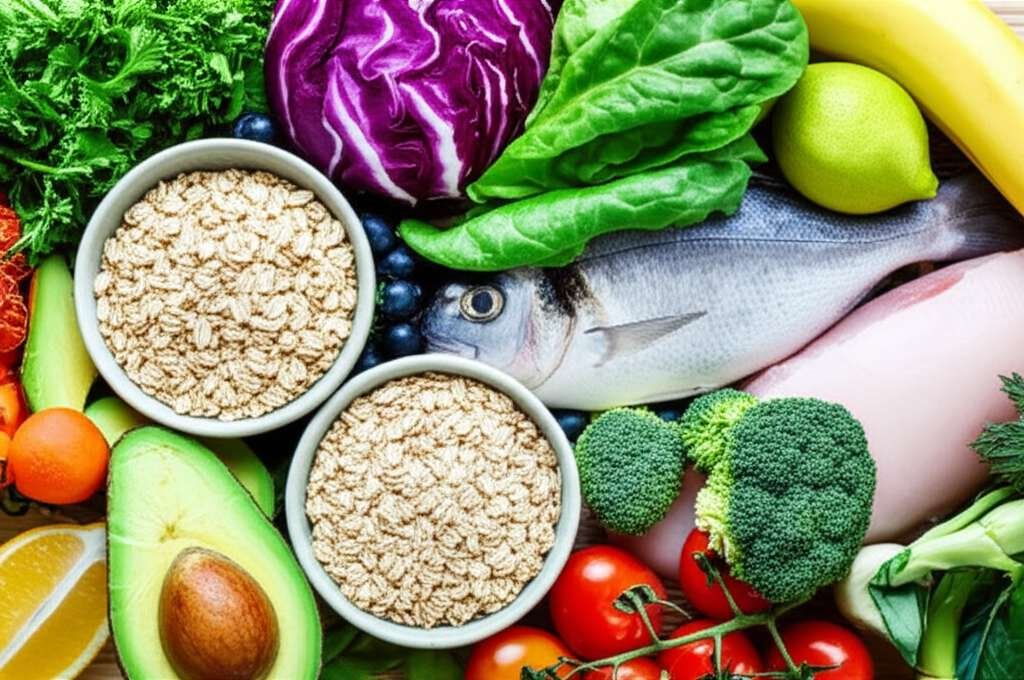
Quick Summary: Focus on lean proteins, healthy fats, whole grains, fruits, and vegetables. Limit saturated/trans fats, added sugars, and refined carbs. This guide provides a simple grocery list to support a fatty liver-friendly diet, making healthy eating easy and affordable.
Navigating a fatty liver diagnosis can feel overwhelming, especially when it comes to food. You might wonder, “What exactly should I be putting in my grocery cart?” It’s a common question, and honestly, it can be confusing with so much conflicting advice out there.
But here’s the good news: eating for fatty liver doesn’t have to be complicated or restrictive. Think of it as choosing foods that help your body feel its best, rather than taking things away.

This guide is here to break it all down, step-by-step, with simple, affordable, and science-backed food choices. We’ll focus on what to add to your plate to support your liver’s health and well-being.
Ready to build a healthier grocery list? Let’s dive in!
Understanding Fatty Liver and Your Diet
Fatty liver disease, also known as non-alcoholic fatty liver disease (NAFLD), means there’s too much fat built up in your liver. This can happen for many reasons, but often it’s linked to diet, weight, and lifestyle.
The good news is that your liver is a remarkable organ that can heal. By making smart food choices, you can help reduce fat in your liver and improve its function. It’s all about nourishing your body with the right things.
Think of your grocery cart as your first line of defense and a tool for recovery. The foods you choose have a direct impact on how your liver works and how you feel overall.
The Core Principles of a Fatty Liver Diet
Before we hit the aisles, let’s talk about the main goals of a diet that supports a healthy liver. It’s less about strict rules and more about smart swaps and focusing on what’s beneficial.
- Reduce Inflammation: Many foods can help calm down inflammation in the body, which is key for liver health.
- Manage Weight: If you’re carrying extra weight, losing even a small amount can make a big difference for your liver.
- Lower Blood Sugar and Cholesterol: High levels can contribute to fatty liver, so we’ll choose foods that help keep them in check.
- Support Liver Function: Certain nutrients and compounds actively help your liver process toxins and fats more efficiently.
These principles guide us in selecting the best groceries. It’s about building a balanced eating pattern that your liver will thank you for.
Your Essential Fatty Liver Diet Grocery List
Let’s get practical. Here’s a breakdown of the categories and specific foods to look for on your next shopping trip. We’ll focus on affordability and ease of preparation.
1. Lean Proteins: The Building Blocks
Protein is crucial for repairing tissues and keeping you full. For fatty liver, we want lean sources that are low in saturated fat. These help build muscle and don’t add unnecessary fat to your liver.
- Chicken and Turkey Breast: Opt for skinless. These are versatile and can be grilled, baked, or stir-fried.
- Fish (especially fatty fish): Salmon, mackerel, sardines, and tuna are packed with omega-3 fatty acids. These are powerful anti-inflammatories and can help reduce liver fat. Aim for at least two servings per week. The American Heart Association recommends fish for heart health, which aligns with liver health.
- Legumes: Beans (black beans, kidney beans, chickpeas), lentils, and peas are fantastic plant-based protein sources. They are also high in fiber, which helps with blood sugar control.
- Tofu and Tempeh: Excellent plant-based protein options that absorb flavors well.
- Eggs: A good source of protein and nutrients.
2. Healthy Fats: Your Liver’s Friend
Don’t fear fat! Healthy fats are essential for your body and can actually help improve your cholesterol levels and reduce inflammation. The key is choosing the right types.
- Avocado: Rich in monounsaturated fats and fiber. Great in salads, on toast, or as a spread.
- Nuts and Seeds: Almonds, walnuts, chia seeds, flaxseeds, and sunflower seeds are great sources of healthy fats, fiber, and antioxidants. Enjoy them in moderation as they are calorie-dense. Walnuts are particularly noted for their omega-3 content.
- Olive Oil: Extra virgin olive oil is a staple for a reason. Use it for cooking, dressings, and drizzling. It’s a cornerstone of the Mediterranean diet, which is often recommended for liver health.
3. Whole Grains: Fueling Your Body Wisely
Whole grains provide complex carbohydrates, which give you sustained energy and are packed with fiber. Fiber helps manage blood sugar and cholesterol, both important for fatty liver.
- Oats: Steel-cut or rolled oats are excellent for breakfast. They are high in soluble fiber.
- Quinoa: A complete protein and a good source of fiber.
- Brown Rice: A healthier alternative to white rice.
- Whole Wheat Bread and Pasta: Look for “100% whole wheat” or “whole grain” as the first ingredient.
- Barley: Another fiber-rich grain that’s great in soups and stews.
It’s important to limit refined grains like white bread, white rice, and sugary cereals, as they can spike blood sugar.
4. Fruits: Nature’s Sweetness
Fruits are packed with vitamins, minerals, antioxidants, and fiber. They are a great way to satisfy a sweet craving naturally. Choose a variety of colors for the widest range of nutrients.
- Berries: Blueberries, strawberries, raspberries, and blackberries are loaded with antioxidants.
- Apples and Pears: Good sources of fiber.
- Citrus Fruits: Oranges, grapefruits, and lemons are rich in Vitamin C.
- Bananas: Provide potassium and energy.
- Grapes: Contain resveratrol, an antioxidant.
While fruits are healthy, be mindful of portion sizes due to their natural sugar content. Opt for whole fruits over juices.
5. Vegetables: The Nutritional Powerhouses
Vegetables should form the bulk of your plate. They are low in calories, high in fiber, vitamins, minerals, and antioxidants that fight inflammation and support your liver.
- Leafy Greens: Spinach, kale, lettuce, and Swiss chard are nutrient-dense.
- Cruciferous Vegetables: Broccoli, cauliflower, Brussels sprouts, and cabbage are known for their detoxifying properties.
- Colorful Vegetables: Bell peppers, carrots, sweet potatoes, tomatoes, and zucchini offer a wide array of vitamins and antioxidants.
- Onions and Garlic: Contain sulfur compounds that can aid in liver detoxification.
- Asparagus and Green Beans: Good sources of fiber and nutrients.
Aim to fill at least half your plate with non-starchy vegetables at every meal.
6. Dairy and Dairy Alternatives (Choose Wisely)
If you consume dairy, opt for low-fat or fat-free versions. For those who are lactose intolerant or prefer plant-based options, choose unsweetened alternatives.
- Low-Fat or Fat-Free Milk and Yogurt: Plain, unsweetened yogurt is best.
- Unsweetened Plant-Based Milks: Almond milk, soy milk, or oat milk. Ensure they are fortified with calcium and Vitamin D.
7. Herbs, Spices, and Flavorings
These are your secret weapons for adding flavor without excess salt or unhealthy fats. They also pack a powerful antioxidant punch!
- Fresh and Dried Herbs: Basil, oregano, thyme, rosemary, parsley, cilantro.
- Spices: Turmeric (especially known for its anti-inflammatory benefits), ginger, cinnamon, cumin, paprika.
- Vinegar: Apple cider vinegar (diluted) and balsamic vinegar.
- Lemon and Lime Juice: Great for adding zest.
Foods to Limit or Avoid
Just as important as knowing what to buy is knowing what to limit. Reducing these foods can significantly help your liver recover and prevent further damage.
These are generally high in unhealthy fats, added sugars, and refined carbohydrates that can contribute to fat buildup and inflammation.
1. Added Sugars and Refined Carbohydrates
These are rapidly converted to fat in the body and can cause blood sugar spikes.
- Sugary drinks (soda, fruit juices with added sugar, sweetened teas)
- Candy and pastries
- White bread, white rice, white pasta
- Sugary cereals
- Processed snacks (cookies, cakes, crackers made with refined flour)
2. Unhealthy Fats
These fats can increase inflammation and contribute to high cholesterol.
- Saturated fats: Found in fatty cuts of red meat, butter, full-fat dairy, fried foods, and processed meats (sausages, bacon).
- Trans fats: Often found in baked goods, fried foods, margarine, and some processed snacks. Look for “partially hydrogenated oils” on ingredient lists and avoid them.
3. Excessive Sodium
While not directly causing fat buildup, high sodium can contribute to other health issues like high blood pressure, which often co-exists with fatty liver disease.
- Processed foods (canned soups, frozen meals, deli meats)
- Salty snacks (chips, pretzels)
- Fast food
- Adding too much salt during cooking
4. Alcohol
Alcohol is a major contributor to liver damage and should be avoided entirely if you have fatty liver disease, especially if it’s related to alcohol consumption. For NAFLD, limiting or eliminating alcohol is still highly recommended as it adds stress to an already compromised liver.
Sample Fatty Liver Friendly Meal Ideas
Putting it all together can seem daunting. Here are some simple meal ideas using the groceries we’ve discussed to get you started.
Breakfast Ideas
- Oatmeal with berries, chia seeds, and a sprinkle of walnuts.
- Scrambled eggs with spinach and a side of whole-wheat toast.
- Greek yogurt (plain, low-fat) with sliced fruit and a few almonds.
Lunch Ideas
- Large salad with grilled chicken or chickpeas, mixed greens, colorful vegetables, avocado, and an olive oil-lemon dressing.
- Lentil soup with a side of whole-grain bread.
- Tuna salad (made with Greek yogurt instead of mayonnaise) on whole-wheat crackers or lettuce wraps.
Dinner Ideas
- Baked salmon with roasted broccoli and quinoa.
- Chicken stir-fry with brown rice, packed with colorful vegetables like bell peppers, snap peas, and carrots. Use low-sodium soy sauce or tamari.
- Bean chili made with kidney beans, black beans, tomatoes, onions, and spices, served with a small portion of brown rice.
Tips for Smart Grocery Shopping
Shopping smart can save you money and make healthy eating easier. Here are some tips:
- Make a List and Stick to It: This is the golden rule! It prevents impulse buys of less healthy items.
- Shop the Perimeter: Most fresh produce, lean meats, and dairy are located around the outer edges of the grocery store. The inner aisles often contain more processed items.
- Read Labels: Pay attention to serving sizes, added sugars, sodium content, and types of fats. Look for whole ingredients.
- Buy In-Season Produce: It’s often cheaper and tastes better.
- Consider Frozen or Canned: Frozen fruits and vegetables are just as nutritious as fresh and can be more affordable and last longer. Choose canned goods packed in water or their own juice, with no added salt or sugar.
- Compare Prices: Generic brands are often just as good as name brands for staples like oats, beans, and rice.
Frequently Asked Questions About Fatty Liver Diet Groceries
Q1: Is fruit okay to eat if I have fatty liver?
Yes, fruit is generally very good for fatty liver! It’s packed with fiber, vitamins, and antioxidants. The key is to eat whole fruits rather than drinking fruit juice, which concentrates the sugar and removes the beneficial fiber. Enjoy berries, apples, citrus, and other fruits in moderation as part of a balanced diet.
Q2: Can I eat eggs with fatty liver disease?
Absolutely. Eggs are a great source of lean protein and nutrients. For a long time, there were concerns about the cholesterol in eggs, but current research suggests that for most people, dietary cholesterol from eggs doesn’t significantly impact blood cholesterol levels. They are a healthy choice for a fatty liver diet.
Q3: What about coffee? Is it good or bad for fatty liver?
Good news for coffee lovers! Studies suggest that drinking coffee, especially black coffee, may be beneficial for liver health and can help reduce the risk of liver disease progression. Just be sure to avoid adding excessive sugar, cream, or artificial sweeteners.
Q4: Are nuts and seeds good for fatty liver?
Yes, nuts and seeds are excellent sources of healthy fats, fiber, and antioxidants. They can help improve cholesterol levels and reduce inflammation. However, they are calorie-dense, so enjoy them in moderation, about a small handful a day, as part of your overall healthy eating plan.
Q5: What is the single best thing I can do with my grocery shopping for fatty liver?
The single best thing you can do is to significantly reduce your intake of added sugars and refined carbohydrates. This means cutting back on sugary drinks, pastries, white bread, and processed snacks. Focusing on whole, unprocessed foods like vegetables, fruits, lean proteins, and whole grains will naturally lower your sugar and refined carb intake.
Q6: Can I eat red meat?
It’s best to limit red meat, especially fatty cuts. When you do eat meat, choose lean options like chicken breast, turkey breast, or fish. If you choose red meat, opt for very lean cuts like sirloin or tenderloin and trim off any visible fat. Focus on plant-based proteins like beans and lentils more often.
Conclusion
Making dietary changes for fatty liver doesn’t have to be a daunting task. By focusing on a grocery list filled with lean proteins, healthy fats, whole grains, plenty of fruits, and an abundance of colorful vegetables, you’re setting yourself up for success.
Remember, this is about progress, not perfection. Start by making a few swaps at your next grocery trip. Gradually incorporate more of these beneficial foods and limit those that can hinder your liver’s recovery.
Your liver is resilient, and with the right nourishment, it can heal. Enjoy the process of discovering delicious and healthy meals that support your well-being. You’ve got this!
As an Amazon Associate, We earn from qualifying purchases. When you purchase a product through Amazon links on pulsefitguide.com, we may earn a small commission at no extra cost to you. This helps support the site and keep our content free.