
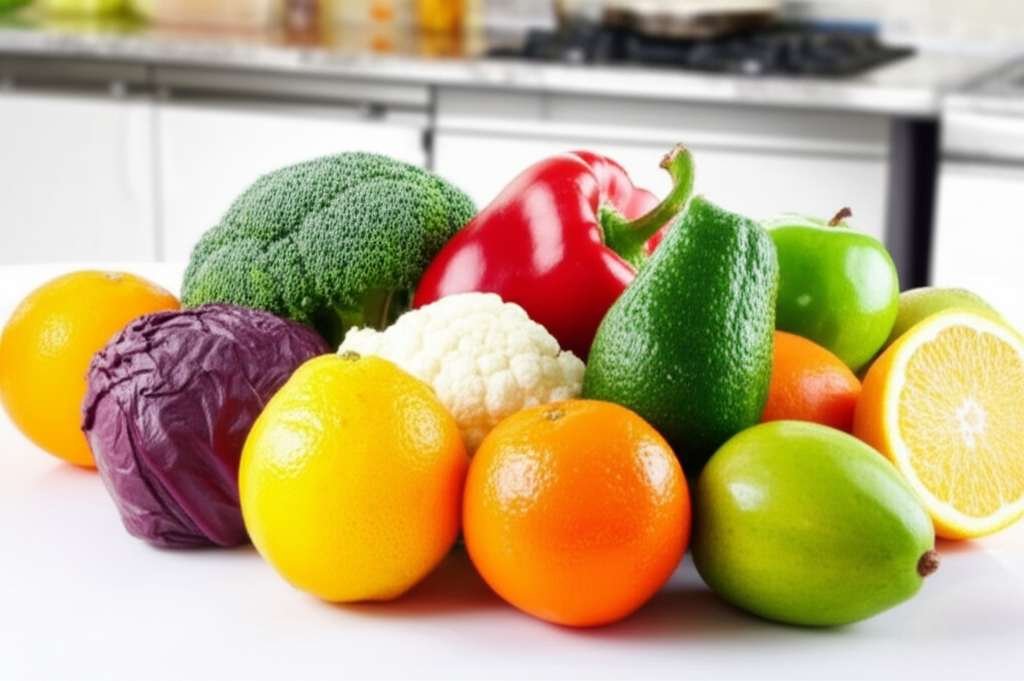
For fatty liver, focus on avoiding high-sugar foods, refined carbohydrates, saturated and trans fats, and excessive alcohol. Prioritize a diet rich in fruits, vegetables, lean proteins, and whole grains to support liver health and reverse fat buildup.
Navigating a fatty liver diagnosis can feel overwhelming, especially when it comes to food. You might be wondering what you can and can’t eat, and it’s totally normal to feel a bit confused.
The good news is that making smart food choices is one of the most powerful ways to manage and even reverse fatty liver disease. It’s all about understanding which foods help your liver and which ones can make things harder.

This guide will break down exactly what foods to limit or avoid, making it simple to create a liver-friendly eating plan. We’ll cover everything you need to know, step by step, so you can feel confident about your food choices and start feeling better.
What Foods Should I Avoid With Fatty Liver? An Essential Guide
Fatty liver disease, also known as non-alcoholic fatty liver disease (NAFLD) when not caused by heavy alcohol use, is a common condition where excess fat builds up in the liver. While it often has no symptoms, it can lead to more serious liver problems over time if not managed. The good news is that lifestyle changes, particularly diet, can make a huge difference.
Understanding what foods to limit is key. These are often foods that can contribute to inflammation, insulin resistance, and increased fat storage in the liver. By steering clear of them, you give your liver a better chance to heal and function optimally.
1. Sugar: The Hidden Culprit
Sugar, especially added sugars, is a major player in fatty liver disease. When you consume too much sugar, your liver converts it into fat. This process can lead to fat accumulation in the liver, worsening fatty liver disease and potentially leading to inflammation.
Be mindful of sugary drinks and processed foods, as these are common sources of hidden sugars.
- Sugary Drinks: Sodas, fruit juices (even 100% juice can be high in sugar), sweetened teas and coffees, and energy drinks are packed with fructose. Fructose is metabolized directly by the liver and can significantly contribute to fat buildup.
- Added Sugars in Processed Foods: Many packaged foods contain added sugars that aren’t immediately obvious. Look for ingredients like high-fructose corn syrup, sucrose, dextrose, maltose, and agave nectar on food labels. These can be found in cereals, cookies, cakes, candies, yogurt, salad dressings, and even some savory items like ketchup.
- Sweets and Desserts: While obvious, it’s worth reiterating that cakes, pastries, ice cream, cookies, and candy are prime sources of added sugar and refined carbohydrates, which your liver converts to fat.
Reducing your intake of these items can have a profound impact on your liver health. Opting for water, unsweetened beverages, and whole, unprocessed foods is a much better choice for your liver.
2. Refined Carbohydrates and Processed Grains
Refined carbohydrates are grains that have been stripped of their fiber, vitamins, and minerals during processing. This makes them easier to digest but also causes them to be rapidly converted into sugar in your body, leading to blood sugar spikes and increased fat storage, much like added sugars.
These foods offer little nutritional value and can contribute to weight gain and insulin resistance, both of which are closely linked to fatty liver disease.
- White Bread, Pasta, and Rice: These are common examples of refined grains. Their lack of fiber means they break down quickly into glucose.
- White Flour Products: This includes most commercially baked goods, pastries, and crackers made with white flour.
- Breakfast Cereals: Many popular breakfast cereals are made from refined grains and are often loaded with added sugar, making them a double whammy for your liver.
- Most Packaged Snacks: Crackers, pretzels, and chips made from refined flours fall into this category.
Choosing whole grains over refined ones is a simple switch that can benefit your liver significantly. Whole grains retain their fiber, which helps slow down sugar absorption and promotes better blood sugar control.
3. Unhealthy Fats: Saturated and Trans Fats
Not all fats are bad, but saturated and trans fats can be detrimental to liver health, especially for those with fatty liver disease. These fats can increase inflammation and contribute to the buildup of fat in the liver.
Trans fats are particularly harmful and are often found in processed foods.
Saturated Fats: These are typically found in animal products and some tropical oils. While moderate amounts might be acceptable in a balanced diet, excessive intake can be problematic for liver health.
- Red Meat (fatty cuts)
- Butter and full-fat dairy products
- Fried foods
- Processed meats (sausages, bacon)
- Certain tropical oils like palm oil and coconut oil (though coconut oil has some debate, moderation is key)
Trans Fats: These are the worst offenders. They are often created through a process called hydrogenation and are found in many processed and fried foods. Health organizations worldwide recommend avoiding trans fats as much as possible.
- Partially hydrogenated oils (check ingredient lists!)
- Commercially baked goods (cookies, cakes, pastries, pie crusts)
- Fried fast foods (French fries, doughnuts)
- Margarines and shortenings (some older formulations)
- Some microwave popcorn
Reading food labels carefully is crucial for identifying and avoiding trans fats. Many countries have banned or restricted their use, but they can still be present in some products.
4. Alcohol: A Direct Threat
For those with fatty liver disease, especially alcoholic fatty liver disease, avoiding alcohol is paramount. Alcohol is toxic to liver cells and can directly cause inflammation and damage, exacerbating fat buildup and leading to more severe liver conditions like cirrhosis.
Even in cases of non-alcoholic fatty liver disease (NAFLD), while alcohol isn’t the primary cause, it can still put additional stress on an already compromised liver. It’s generally recommended to limit or avoid alcohol altogether when dealing with any form of fatty liver.
If you have fatty liver and consume alcohol, it’s essential to discuss safe consumption levels with your doctor. For many, complete abstinence is the best course of action for liver recovery.
5. Highly Processed Foods and “Empty Calories”
Highly processed foods are often loaded with unhealthy fats, added sugars, refined carbohydrates, and excessive sodium, all while offering very little in terms of nutrients. These foods provide “empty calories” – calories that contribute to weight gain without providing essential vitamins, minerals, or fiber.
For a liver struggling with fat accumulation, these foods are a significant burden. They can contribute to inflammation, insulin resistance, and further fat storage.
- Fast Food: Burgers, fries, fried chicken, and pizza are typically high in unhealthy fats, sodium, and refined carbohydrates.
- Packaged Snacks: Chips, cookies, crackers, and candy bars are often made with refined ingredients and unhealthy fats.
- Pre-packaged Meals: Many frozen or ready-to-eat meals are high in sodium and unhealthy fats, with fewer nutrients.
- Sugary Cereals and Snacks: As mentioned earlier, these are major sources of added sugar and refined grains.
Focusing on whole, unprocessed foods is the best way to combat the effects of these detrimental items. Your liver will thank you for it!
6. Certain Red Meats and Fatty Cuts
While lean protein is important for a healthy diet, fatty cuts of red meat can be high in saturated fat. As we’ve discussed, excessive saturated fat intake can contribute to inflammation and fat buildup in the liver. When you have fatty liver, it’s wise to be selective about the red meat you consume.
- High-Fat Cuts of Beef, Pork, and Lamb: Opt for leaner cuts and trim off any visible fat before cooking.
- Processed Meats: Sausages, bacon, hot dogs, and deli meats are often high in saturated fat, sodium, and preservatives, which can further stress the liver.
Choosing leaner protein sources like poultry, fish, beans, and lentils is a great strategy to reduce saturated fat intake and support liver health.
7. Excessive Sodium
While not directly causing fat buildup, a high-sodium diet can lead to fluid retention and high blood pressure, which can indirectly impact liver health and worsen overall cardiovascular health. Many processed foods are notoriously high in sodium, making them doubly problematic for individuals with fatty liver.
Limiting processed foods, fast food, and restaurant meals, and opting for home-cooked meals where you control the salt content, is a good practice.
Foods to Embrace for a Healthy Liver
While avoiding certain foods is crucial, it’s equally important to focus on what you can eat. A diet rich in whole, unprocessed foods is your best ally in managing fatty liver.
Think of it as a positive shift rather than just restrictions. By filling your plate with beneficial foods, you naturally crowd out the less helpful ones.
Fruits and Vegetables
These are packed with vitamins, minerals, antioxidants, and fiber. Antioxidants help fight inflammation and protect liver cells from damage. Fiber aids digestion and helps regulate blood sugar.
- Leafy Greens: Spinach, kale, collard greens are excellent sources of vitamins and antioxidants.
- Berries: Blueberries, strawberries, raspberries are low in sugar and high in antioxidants.
- Cruciferous Vegetables: Broccoli, cauliflower, Brussels sprouts can help your liver detoxify.
- Avocado: Rich in healthy monounsaturated fats.
- Apples and Pears: Good sources of fiber.
Whole Grains
Unlike refined grains, whole grains retain their fiber and nutrients. They help stabilize blood sugar levels, which is vital for managing insulin resistance associated with fatty liver.
- Oats
- Quinoa
- Brown rice
- Whole wheat bread and pasta (in moderation)
- Barley
Lean Proteins
Protein is essential for building and repairing tissues. Opting for lean sources helps keep saturated fat intake in check.
- Skinless poultry (chicken, turkey)
- Fish (especially fatty fish like salmon, which contains omega-3s)
- Legumes (beans, lentils, chickpeas)
- Tofu and tempeh
Healthy Fats
Monounsaturated and polyunsaturated fats can actually help improve cholesterol levels and reduce inflammation.
- Olive oil (extra virgin)
- Avocado
- Nuts and seeds (almonds, walnuts, chia seeds, flaxseeds)
- Fatty fish
Water and Herbal Teas
Staying hydrated is crucial for overall health and helps your body function efficiently. Unsweetened herbal teas can also provide antioxidants.
Putting It All Together: A Sample Meal Plan Idea
Creating a healthy eating pattern doesn’t have to be complicated. Here’s a look at how you can build liver-friendly meals throughout the day.
Breakfast:
- Oatmeal made with water or unsweetened plant-based milk, topped with berries and a sprinkle of chia seeds.
- Scrambled eggs with spinach and a side of whole-wheat toast.
Lunch:
- Large salad with mixed greens, grilled chicken or chickpeas, plenty of colorful vegetables, and an olive oil-based vinaigrette.
- Lentil soup with a small side of whole-grain bread.
Dinner:
- Baked salmon with roasted broccoli and a small portion of quinoa.
- Chicken stir-fry with plenty of vegetables (bell peppers, onions, snap peas) and brown rice.
Snacks (if needed):
- A handful of almonds.
- An apple with a tablespoon of almond butter.
- Greek yogurt (plain, unsweetened) with a few berries.
Remember, this is just an example. The key is to focus on whole foods, limit the items discussed earlier, and adjust portions to meet your individual needs and hunger cues.
Understanding the Role of Weight Loss
For many individuals with fatty liver disease, particularly NAFLD, excess weight is a significant contributing factor. Losing even a modest amount of weight – around 5-10% of your body weight – can significantly reduce fat in the liver and improve liver enzymes. This is why dietary changes that support weight loss are so effective.
By reducing your intake of high-calorie, nutrient-poor foods like those high in sugar and unhealthy fats, you naturally create a calorie deficit, which is essential for weight loss. Combining these dietary changes with regular physical activity further enhances fat burning and improves insulin sensitivity, both of which are beneficial for liver health.
The World Health Organization (WHO) recommends a healthy diet that is rich in fruits, vegetables, whole grains, and lean proteins, while limiting processed foods, sugary drinks, and unhealthy fats. This aligns perfectly with the dietary recommendations for managing fatty liver disease.
Quick Comparison: Foods to Limit vs. Foods to Eat
To make it even clearer, here’s a table summarizing the key food groups to focus on and those to limit.
| Foods to Limit/Avoid | Foods to Embrace |
|---|---|
| Sugary drinks (soda, juice, sweetened teas) | Water, unsweetened herbal teas |
| Refined grains (white bread, pasta, rice, sugary cereals) | Whole grains (oats, quinoa, brown rice, whole wheat) |
| Saturated fats (fatty meats, butter, full-fat dairy) | Healthy fats (olive oil, avocado, nuts, seeds, fatty fish) |
| Trans fats (processed baked goods, fried foods) | Lean proteins (skinless poultry, fish, legumes, tofu) |
| Added sugars (candy, cookies, cakes, desserts) | Fruits and vegetables (berries, leafy greens, cruciferous veggies) |
| Highly processed foods and fast food | Whole, unprocessed foods |
| Alcohol (especially if diagnosed with alcoholic fatty liver) | Herbal remedies and spices (in moderation) |
Frequently Asked Questions About Fatty Liver Foods
Q1: Can I ever eat sugar again if I have fatty liver?
Yes, but in very small amounts and infrequently. The goal is to drastically reduce added sugars and focus on natural sugars found in whole fruits. It’s about moderation and making healthier choices the norm, not complete deprivation.
Q2: Is fruit bad for fatty liver because of sugar?
No, whole fruits are generally good for fatty liver. While they contain natural sugars, they also come packed with fiber, vitamins, minerals, and antioxidants, which benefit your liver. The fiber helps slow down sugar absorption. It’s the added sugars and refined carbohydrates you need to be most concerned about.
Q3: How much weight do I need to lose to help my fatty liver?
Even a small amount of weight loss, around 5-10% of your body weight, can significantly improve fatty liver. For example, if you weigh 200 pounds, losing 10-20 pounds can make a real difference. Consistency is more important than drastic, unsustainable loss.
Q4: Can I drink coffee or tea with fatty liver?
Yes, coffee and unsweetened tea are generally considered safe and may even be beneficial for liver health. Studies suggest that regular coffee consumption can help protect the liver. Just be sure to avoid adding sugar, cream, or excessive artificial sweeteners.
Q5: What about eggs? Are they okay for fatty liver?
Eggs are a great source of protein and other nutrients. While egg yolks contain cholesterol, dietary cholesterol has less impact on blood cholesterol levels than previously thought for most people. Eggs are generally considered safe and beneficial as part of a balanced diet for fatty liver. Focus on how you prepare them – boiled, poached, or scrambled with minimal added fat is best.
Q6: Are dairy products bad for fatty liver?
This can depend on the type of dairy. Full-fat dairy products are high in saturated fat, so it’s best to limit them. Low-fat or fat-free dairy options, like skim milk or plain low-fat yogurt, can be consumed in moderation as they provide protein and calcium without excessive saturated fat. Unsweetened plant-based milks (like almond or soy) are also good alternatives.
Conclusion: Empowering Your Liver Health
Understanding what foods to avoid with fatty liver is a powerful step toward taking control of your health. By focusing on reducing your intake of added sugars, refined carbohydrates, unhealthy fats, and processed foods, you are actively helping your liver to heal and function better.
Remember, this isn’t about deprivation; it’s about making informed choices that nourish your body and support your liver’s vital work. Embrace the delicious world of whole foods – fruits, vegetables, lean proteins, and whole grains – and you’ll be well on your way to improving your liver health and overall well-being.
Making these dietary shifts can feel like a big change, but by taking it one meal at a time and focusing on progress, not perfection, you can build sustainable, healthy habits. Your liver is an amazing organ that can regenerate, and with the right care, you can help it thrive for years to come. You’ve got this!
As an Amazon Associate, We earn from qualifying purchases. When you purchase a product through Amazon links on pulsefitguide.com, we may earn a small commission at no extra cost to you. This helps support the site and keep our content free.