
Quick Summary:
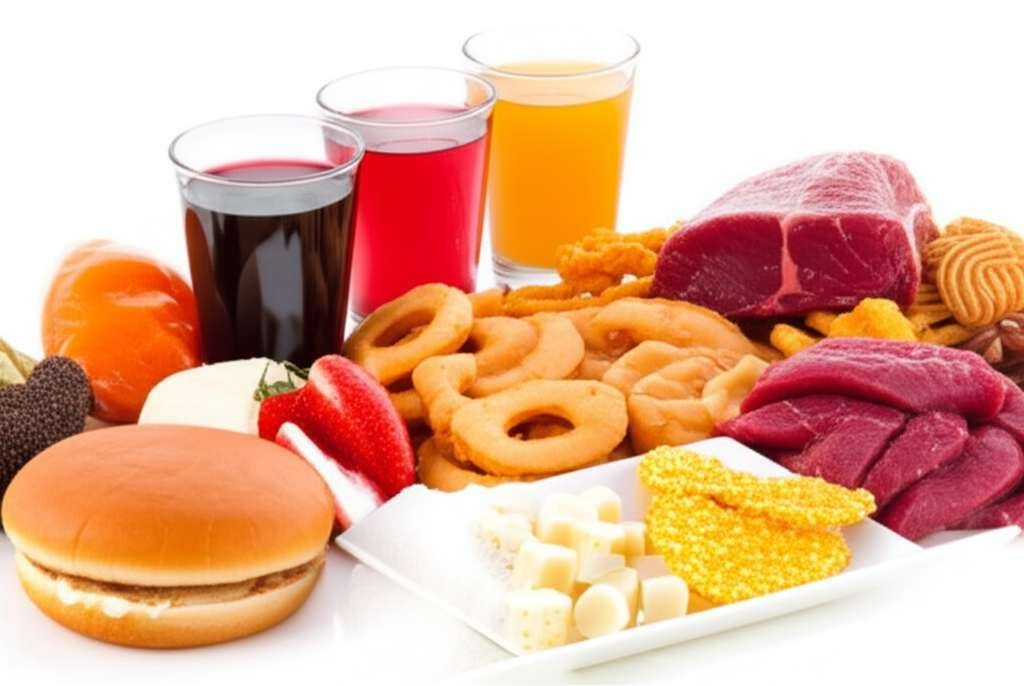
Focus on whole foods and lean protein to help your liver feel great! Cut back on sugary drinks, fried stuff, and processed snacks. Small changes make a big difference for your liver and your energy levels. You’ve got this!
Feeling a little sluggish lately? Maybe your clothes feel tighter than they used to? It’s okay, we all have those days. You’re looking for simple ways to feel better and get healthier. You want a clear plan that doesn’t feel overwhelming. I’ve got your back! We’re going to break down exactly what foods can help your liver and which ones to steer clear of. Let’s make this journey easy and fun, together!
Why Your Liver Needs Some Love
Think of your liver as your body’s super-busy cleaning crew. It works hard to filter out the bad stuff and keep everything running smoothly. When it gets overloaded, it can start to struggle. This is where fatty liver can come into play. But don’t worry, it’s totally manageable with the right approach!
Foods to Hit the “Pause” Button On
So, what are the culprits that can make your liver work overtime? It’s mostly about reducing the “not-so-good” stuff and boosting the “super-good” stuff. Let’s look at the foods that can add extra stress to your liver.

Sugary Drinks: The Sweet Trap
Those fizzy sodas, sweet teas, and fruit juices might taste good, but they’re packed with added sugar. Your liver has to process all that sugar, and too much can turn into fat. It’s like giving your liver a sugar overload!
- Sodas
- Sweetened fruit juices
- Energy drinks
- Sweetened coffee and tea drinks
Fried and Greasy Foods: Extra Load
Think about your favorite french fries or fried chicken. These foods are often loaded with unhealthy fats. Your liver has to work hard to break them down, and it’s an extra burden it doesn’t need. Plus, they often come with a lot of salt, which isn’t liver-friendly either.
- French fries
- Fried chicken and fish
- Doughnuts
- Chips and other fried snacks
Refined Carbohydrates: The Quick Fix, Not the Long Haul
These are foods made with white flour, like white bread, white pasta, and many pastries. They get digested quickly and can cause your blood sugar to spike. This means your liver has to do more work to manage those spikes.
- White bread
- White pasta
- Cakes and cookies
- Sugary cereals
Red Meat and Processed Meats: A Little Goes a Long Way
While lean cuts of meat can be okay in moderation, fatty cuts of red meat and processed meats like hot dogs and bacon can be tough on your liver. They often contain saturated fats and can be high in sodium.
- Fatty cuts of beef and pork
- Sausages
- Bacon
- Deli meats
Excess Salt: The Hidden Culprit
Too much salt can lead to fluid retention and put extra strain on your body, including your liver. It’s often hidden in processed foods, canned goods, and restaurant meals.
- Canned soups
- Processed cheese
- Salty snacks
- Fast food
Alcohol: A Big No-No
This is a big one. Alcohol is a major stressor for the liver. For anyone dealing with fatty liver, it’s best to avoid alcohol completely. Your liver needs to focus on healing, and alcohol makes that much harder.
Foods That Cheer Your Liver On!
Now for the fun part! What foods can help your liver feel happy and healthy? Think of these as your liver’s best friends.
Fruits and Veggies: Nature’s Powerhouses
These are loaded with vitamins, minerals, and fiber. They help fight inflammation and keep your body running smoothly. Aim for a colorful variety!
- Berries (blueberries, strawberries)
- Leafy greens (spinach, kale)
- Broccoli
- Carrots
- Apples
- Avocado (in moderation, it’s healthy fat!)
Whole Grains: Slow and Steady Energy
Unlike refined grains, whole grains like oats, brown rice, and quinoa release energy slowly. This is much easier on your liver and keeps you feeling full longer.
- Oatmeal
- Brown rice
- Quinoa
- Whole wheat bread (check ingredients!)
Lean Proteins: Building Blocks for Health
Lean protein helps build and repair your body without adding extra fat. Think chicken breast, fish, beans, and tofu.
- Chicken breast (skinless)
- Fish (especially fatty fish like salmon for omega-3s)
- Beans and lentils
- Tofu
- Eggs
Healthy Fats: Your Liver’s Friend
Don’t shy away from healthy fats! They are important for many body functions. Sources like olive oil, nuts, and seeds are great.
- Olive oil
- Nuts (almonds, walnuts)
- Seeds (chia seeds, flax seeds)
- Avocado
Water: The Ultimate Hydrator
Staying hydrated is super important for your liver to do its job. Water helps flush out toxins and keeps everything flowing.
Putting It All Together: A Simple Meal Makeover
Making changes doesn’t have to be complicated. It’s about swapping out the less helpful foods for the more helpful ones. Here’s a simple way to think about your plate:
| Instead Of: | Try This: |
|---|---|
| Sugary cereal with milk | Oatmeal with berries and a sprinkle of nuts |
| White bread sandwich with processed meat | Whole wheat wrap with grilled chicken breast and lots of veggies |
| Fried chicken and fries | Baked salmon with roasted broccoli and quinoa |
| Soda or sweet tea | Water with lemon or a cup of unsweetened herbal tea |
| Store-bought cookies | A piece of fruit or a small handful of almonds |
Small Steps, Big Wins: Your Action Plan
Ready to put this into action? Here are some easy steps you can take starting today. Remember, it’s all about progress, not perfection!
- Start with Drinks: Swap one sugary drink a day for water. Easy peasy!
- One Meal at a Time: Focus on making one meal a day healthier. Maybe breakfast?
- Add More Color: Try to add one extra fruit or vegetable to your lunch or dinner.
- Read Labels: Get curious about what’s in your packaged foods. Look for lower sugar and salt.
- Move More: Even a short walk can make a difference.
Your Liver-Friendly Movement Boost
While food is key, getting your body moving is also super important for overall health and can help manage weight, which is great for your liver. You don’t need fancy equipment or hours at the gym. Here are some ideas:
| Type of Movement | What It Is | How It Helps | Getting Started Tip |
|---|---|---|---|
| Brisk Walking | Walking at a pace where you can talk but not sing. | Burns calories, improves heart health, easy on joints. | Aim for 20-30 minutes, 3-5 times a week. Listen to a podcast! |
| Bodyweight Strength | Exercises using your own body weight (squats, push-ups on knees, lunges). | Builds muscle, which helps boost metabolism. | Start with 2-3 sets of 8-10 reps for 2-3 exercises, 2-3 times a week. |
| Stretching/Yoga | Gentle movements to improve flexibility and reduce stress. | Reduces stress, which can impact liver health. Improves mobility. | Try a 15-minute beginner yoga video online. Focus on breathing. |
For more on exercise, check out ACE Fitness for great workout ideas.
Frequently Asked Questions (FAQs)
How long does it take to see changes?
Everyone is different! Some people feel more energy in a few weeks. Consistent healthy eating and movement are key, and your liver will thank you over time. Celebrate every small win!
What’s the best time to work out?
The best time is whenever you can stick with it! For some, it’s first thing in the morning to get it done. For others, it’s after work to de-stress. Find your sweet spot!
Do I need a gym to lose weight?
Absolutely not! You can get a great workout at home. Walking, bodyweight exercises, and simple routines can be super effective. The most important thing is to move your body regularly.
How can I stay motivated every day?
Set realistic goals, find an accountability buddy (like me!), track your progress, and reward yourself for hitting milestones. Remember why you started – to feel amazing!
What should I eat before or after exercise?
Before: A small, easy-to-digest snack like a banana or a few crackers can give you energy. After: Focus on a meal with protein and carbs within an hour or two to help your body recover. Think chicken and rice, or yogurt with fruit.
How much water should I drink daily?
A good goal is around 8 cups (64 ounces) a day, but listen to your body. If you’re active or it’s hot, you might need more. Water is your best friend for liver health!
How many rest days should I take?
Rest days are super important for your body to recover and rebuild. Aim for 1-2 rest days a week. Listen to your body – if you’re feeling tired, take that extra rest!
You’ve Got the Power!
Making changes to support your liver health is a fantastic step towards feeling your best. It’s not about being perfect; it’s about making consistent, smart choices that add up. By focusing on whole, nutritious foods and gentle movement, you’re giving your liver the best chance to thrive.
Remember, every healthy meal you choose and every little bit of movement you do is a victory. You’re building a stronger, healthier you, one step at a time. Keep that positive energy going, and know that you are capable of amazing things!
You’ve got this — one step, one day at a time!
As an Amazon Associate, We earn from qualifying purchases. When you purchase a product through Amazon links on pulsefitguide.com, we may earn a small commission at no extra cost to you. This helps support the site and keep our content free.