
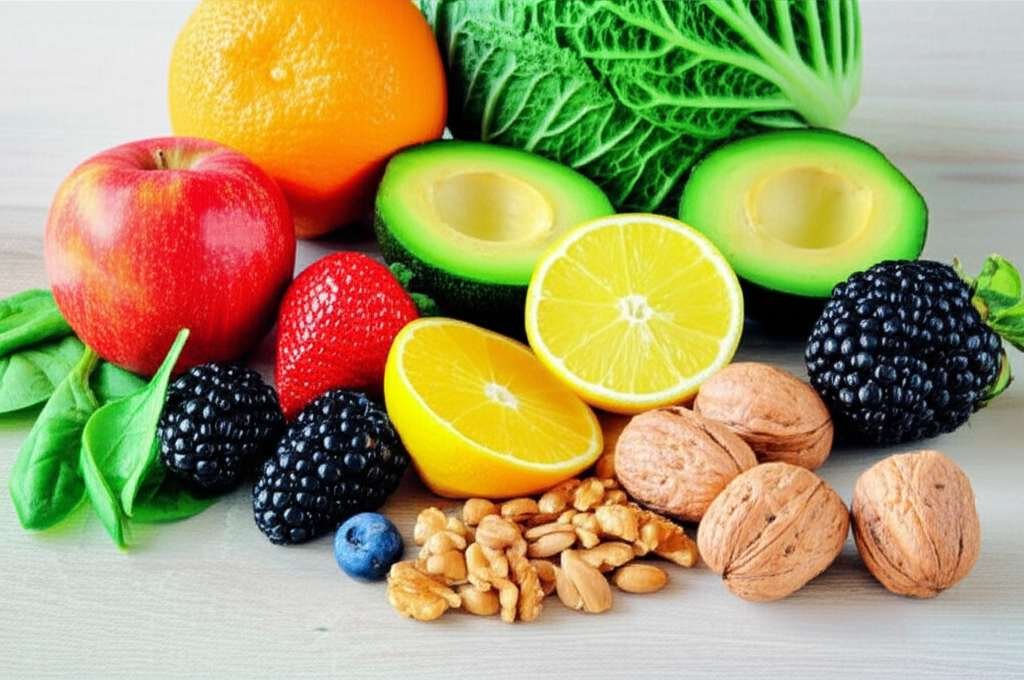
What Foods Clean A Fatty Liver Fast: Essential Guide
Quick Summary:
Eating specific nutrient-rich foods can significantly help cleanse a fatty liver quickly. Focus on whole, unprocessed options like leafy greens, fatty fish, berries, and whole grains. These foods fight inflammation and improve liver function, making them key to a faster recovery.

Feeling confused about fatty liver and what you can eat to help it? You’re not alone! Many people find it tough to figure out the best way to support their liver health, especially when dealing with a fatty liver. It can feel overwhelming, but it doesn’t have to be.
The good news is that making smart food choices is one of the most powerful ways to help your liver heal. We’re going to break down exactly which foods can make a real difference, helping you feel more in control and confident about your journey.
Get ready to discover simple, science-backed foods that can support your liver and boost your overall well-being. Let’s dive in!
Understanding Fatty Liver Disease
Fatty liver disease, also known as hepatic steatosis, is a condition where too much fat builds up in your liver. It’s a common issue, and it can happen for a few different reasons. Sometimes it’s linked to drinking too much alcohol, and other times it’s not. This non-alcoholic type is called NAFLD (Non-Alcoholic Fatty Liver Disease).
When fat starts to accumulate, it can make it harder for your liver to do its important jobs. Think of your liver as your body’s main detox center and a powerhouse for processing nutrients. If it’s bogged down with fat, it can’t work as efficiently. This can lead to inflammation and, over time, more serious liver problems if not addressed.
What is Fatty Liver Disease?
Simply put, fatty liver disease means your liver has more fat than it should. A healthy liver contains a small amount of fat. However, when fat makes up more than 5-10% of your liver’s weight, it’s considered fatty liver.
There are two main types: alcoholic fatty liver disease, caused by heavy alcohol use, and non-alcoholic fatty liver disease (NAFLD), which is more common and not related to alcohol. NAFLD is often linked to other health conditions like obesity, diabetes, high cholesterol, and metabolic syndrome.
Why is it a Concern?
While fatty liver disease often doesn’t cause symptoms in its early stages, it’s important not to ignore it. If left unmanaged, it can progress. The liver can become inflamed (a condition called steatohepatitis), leading to scarring (fibrosis), and in severe cases, cirrhosis or liver cancer. Early detection and lifestyle changes are key to preventing these serious complications.
The Role of Diet in Liver Health
Your diet plays a huge role in managing fatty liver disease. What you eat directly impacts how much fat your liver stores and how inflamed it becomes. By choosing the right foods, you can help your liver shed excess fat and start to heal. Think of it as giving your liver the best tools and fuel it needs to do its job effectively.
Focusing on a diet rich in nutrients, antioxidants, and healthy fats can make a significant difference. Conversely, foods high in sugar, unhealthy fats, and processed ingredients can worsen the condition. We’ll explore these “liver-loving” foods next.
Foods That Help Cleanse a Fatty Liver
When you’re looking to help your liver recover, think about foods that are packed with goodness and are easy for your body to process. These foods work in several ways: they help reduce inflammation, provide antioxidants to fight damage, and support your body’s natural detoxification processes. Making these a regular part of your meals can be a game-changer.
Leafy Green Vegetables
Think spinach, kale, arugula, and collard greens. These powerhouses are low in calories and high in fiber, vitamins, and minerals. They are also rich in antioxidants, which help protect your liver cells from damage. The chlorophyll in green vegetables can help bind to toxins and flush them out of your body.
These greens are incredibly versatile. You can add them to smoothies, salads, soups, or sauté them as a side dish. Their nutrient density makes them a cornerstone of any liver-cleansing diet.
Fatty Fish
Salmon, mackerel, sardines, and tuna are excellent sources of omega-3 fatty acids. These healthy fats are known for their anti-inflammatory properties. Omega-3s can help reduce liver fat and inflammation. They are crucial for overall heart and liver health.
Aim to include fatty fish in your diet at least twice a week. Grilling, baking, or poaching are healthier cooking methods than frying. If you don’t eat fish, you can consider a high-quality omega-3 supplement after talking to your doctor.
Berries
Blueberries, strawberries, raspberries, and cranberries are loaded with antioxidants, particularly anthocyanins. These compounds give berries their vibrant colors and are potent protectors against cell damage. They can help reduce inflammation and improve liver function.
Berries are a fantastic snack, a great addition to yogurt or oatmeal, or a healthy way to sweeten smoothies. Their natural sweetness makes them a guilt-free treat that also benefits your liver.
Whole Grains
Opt for oats, quinoa, brown rice, and whole wheat bread instead of refined grains. Whole grains are rich in fiber, which can help you feel full, manage your weight, and improve blood sugar control. Better blood sugar management is crucial for preventing and managing NAFLD.
The fiber in whole grains also helps with digestion and can aid in removing waste products from your body, indirectly supporting liver function.
Nuts and Seeds
Almonds, walnuts, chia seeds, and flaxseeds are packed with healthy fats, fiber, and antioxidants. Walnuts, in particular, are a good source of omega-3 fatty acids. These foods can help reduce inflammation and support liver health.
Enjoy them in moderation as they are calorie-dense. A small handful makes a great snack or can be added to salads and yogurt for an extra nutritional boost.
Olive Oil
Extra virgin olive oil is a cornerstone of the Mediterranean diet, which is known for its health benefits. It’s a source of monounsaturated fats and antioxidants that can help reduce liver fat and improve liver enzyme levels. It’s a much healthier alternative to butter or other saturated fats.
Use it for salad dressings, sautéing vegetables, or drizzling over finished dishes. Look for high-quality, cold-pressed extra virgin olive oil for the most benefits.
Garlic
Garlic contains compounds like allicin, which have powerful antioxidant and anti-inflammatory properties. Studies suggest garlic may help reduce liver fat and protect against liver damage. It can also help stimulate liver enzymes that help flush out toxins.
Adding fresh garlic to your cooking is an easy way to boost flavor and health benefits. Even a small amount can make a difference.
Green Tea
Green tea is rich in catechins, a type of antioxidant that has been linked to improved liver function and reduced liver fat. Research has shown that regular consumption of green tea can help decrease fat accumulation in the liver and reduce inflammation.
Drinking a few cups of unsweetened green tea daily can be a simple yet effective way to support your liver. Ensure it’s unsweetened to avoid adding extra sugar, which can be counterproductive.
Cruciferous Vegetables
Broccoli, cauliflower, Brussels sprouts, and cabbage are excellent for liver health. They contain compounds that help the liver detoxify. These vegetables can increase the production of enzymes in the liver that help flush out toxins and harmful substances.
Steaming or lightly roasting these vegetables can help preserve their nutrients. They are a great addition to any meal, offering fiber and a wealth of vitamins and minerals.
Turmeric
The active compound in turmeric, curcumin, is a potent anti-inflammatory and antioxidant. It has shown promise in helping to reduce liver fat and inflammation associated with fatty liver disease. It can also help protect liver cells from damage.
You can add turmeric to curries, soups, stews, or even make a “golden milk” latte. For better absorption, combine it with black pepper.
Foods to Limit or Avoid
Just as some foods help your liver, others can harm it. Understanding which foods to cut back on is just as important as knowing what to eat. These are typically foods that are processed, high in unhealthy fats, and high in added sugars, all of which can contribute to fat buildup and inflammation in the liver.
Sugary Drinks and Foods
Sodas, fruit juices with added sugar, candies, pastries, and desserts are major culprits. Fructose, a type of sugar, is particularly hard on the liver. When consumed in large amounts, it can be converted into fat by the liver, leading to increased fat accumulation and inflammation.
Even seemingly healthy options like sweetened yogurts and breakfast cereals can contain hidden sugars. Always check nutrition labels.
Processed Foods
Packaged snacks, fast food, processed meats, and refined grain products (like white bread and pasta) are often high in unhealthy fats, sugar, and sodium. They offer little nutritional value and can contribute to weight gain and inflammation, both of which are detrimental to liver health.
These foods are often designed for convenience but come at a cost to your well-being. Opting for whole, unprocessed foods is a much healthier choice.
Saturated and Trans Fats
Foods high in saturated fats, such as red meat, butter, and full-fat dairy products, should be consumed in moderation. Trans fats, often found in fried foods, baked goods, and some margarines, are particularly harmful and should be avoided altogether. They contribute to inflammation and can negatively impact liver fat levels.
Look for “partially hydrogenated oils” on ingredient lists, which indicate the presence of trans fats. Many countries have banned or are phasing out artificial trans fats.
Alcohol
For those with alcoholic fatty liver disease, complete abstinence from alcohol is crucial. For individuals with NAFLD, even moderate alcohol consumption can still put additional stress on the liver and may worsen the condition. It’s best to discuss alcohol intake with your doctor.
Excessive Salt
While not directly causing fat buildup, a diet high in sodium can contribute to fluid retention and high blood pressure, which can indirectly stress the liver and body. Processed foods are often very high in sodium, so limiting them also helps reduce salt intake.
Sample Meal Plan Ideas
Putting it all together can feel like a puzzle. Here are some simple meal ideas that incorporate liver-friendly foods. Remember, these are just suggestions to get you started, and you can adjust them based on your preferences and dietary needs.
Breakfast Options
- Oatmeal with Berries and Nuts: Cook rolled oats (not instant) with water or unsweetened plant-based milk. Top with fresh blueberries, a sprinkle of chia seeds, and a few chopped walnuts.
- Green Smoothie: Blend spinach, half a banana, unsweetened almond milk, a tablespoon of flaxseed, and a scoop of protein powder (optional).
- Scrambled Eggs with Spinach: Scramble two eggs with a handful of fresh spinach and a dash of black pepper. Serve with a slice of whole-wheat toast.
Lunch Options
- Salmon Salad: Flaked cooked salmon mixed with chopped celery, a little Greek yogurt or light mayo, and herbs. Serve on a bed of mixed greens or in a whole-wheat pita.
- Lentil Soup with a Side Salad: A hearty lentil soup packed with vegetables like carrots, celery, and onions. Serve with a simple side salad dressed with olive oil and lemon juice.
- Quinoa Bowl: Cooked quinoa topped with roasted vegetables (like broccoli and bell peppers), black beans, and a drizzle of tahini dressing.
Dinner Options
- Baked Chicken or Fish with Roasted Vegetables: Season chicken breast or a fatty fish fillet (like mackerel) with herbs and lemon. Bake alongside a mix of colorful vegetables such as Brussels sprouts, carrots, and zucchini, tossed in olive oil.
- Turkey Chili: Lean ground turkey made into a chili with kidney beans, diced tomatoes, onions, peppers, and spices. Top with a dollop of plain Greek yogurt.
- Stir-fry with Tofu or Chicken: Use lots of colorful vegetables like broccoli, snap peas, and bell peppers. Stir-fry with a light soy sauce or tamari and serve over brown rice.
Snacks
- A handful of almonds or walnuts
- An apple with a tablespoon of almond butter
- A small bowl of mixed berries
- Plain Greek yogurt with a few berries
- Carrot sticks with hummus
Lifestyle Changes for a Healthy Liver
While diet is crucial, other lifestyle factors significantly impact liver health. Combining dietary changes with these habits can create a powerful synergy for cleansing and maintaining a healthy liver. It’s about building a comprehensive approach to wellness.
Regular Exercise
Physical activity is vital for managing weight, improving insulin sensitivity, and reducing liver fat. Aim for at least 150 minutes of moderate-intensity aerobic exercise per week, like brisk walking, cycling, or swimming. Strength training a couple of times a week also helps build muscle, which can boost metabolism.
Weight Management
If you are overweight or obese, losing even a small percentage of your body weight (5-10%) can significantly reduce liver fat and inflammation. A balanced diet and regular exercise are the most effective ways to achieve sustainable weight loss.
Hydration
Drinking plenty of water is essential for overall health and helps your body flush out toxins. Water aids digestion, helps transport nutrients, and supports kidney function, which works in tandem with your liver.
Aim for at least 8 glasses of water a day. Unsweetened herbal teas also contribute to your fluid intake.
Stress Management
Chronic stress can negatively impact your health, including your liver. Find healthy ways to manage stress, such as meditation, yoga, deep breathing exercises, spending time in nature, or engaging in hobbies you enjoy.
Adequate Sleep
Getting enough quality sleep (7-9 hours per night) is crucial for your body’s repair and regeneration processes, including those of your liver. Poor sleep can disrupt hormones that regulate appetite and metabolism, potentially leading to weight gain and increased liver fat.
When to Seek Professional Help
While dietary changes and lifestyle modifications are powerful, it’s important to know when to consult a healthcare professional. If you suspect you have a fatty liver, have been diagnosed with it, or are experiencing concerning symptoms, seeking medical advice is essential.
Your doctor can provide an accurate diagnosis, monitor your condition, and offer personalized recommendations. They can also rule out other potential causes of liver issues and guide you on the best treatment plan, which might include medication in some cases.
Registered dietitians or nutritionists can also offer invaluable support in creating a personalized meal plan that meets your specific needs and helps you achieve your health goals safely and effectively.
Frequently Asked Questions (FAQs)
Can a fatty liver be reversed with diet alone?
Yes, in many cases, fatty liver disease, especially NAFLD, can be significantly improved or even reversed with consistent dietary changes and lifestyle modifications like weight loss and exercise. Diet is a cornerstone of this reversal process.
How quickly can I expect to see results?
The timeline for seeing results varies from person to person. Some individuals might notice improvements in liver enzyme levels or feel better within a few weeks of making significant dietary changes and adopting a healthier lifestyle. However, more substantial changes and reversal may take several months to a year or more.
Are there any supplements that help a fatty liver?
While a balanced diet is primary, some supplements like omega-3 fatty acids, vitamin E, and milk thistle are sometimes suggested. However, it’s crucial to discuss any supplement use with your doctor before starting, as they can interact with medications or have side effects.
What is the most important food for a fatty liver?
There isn’t one single “most important” food, but a combination of nutrient-dense, anti-inflammatory foods is key. Leafy green vegetables, fatty fish rich in omega-3s, and berries packed with antioxidants are consistently recommended for their significant liver-protective benefits.
Can I eat fruit if I have fatty liver?
Yes, absolutely! Fruit is a vital part of a healthy diet for fatty liver. Fruits like berries, apples, and pears are rich in fiber and antioxidants. It’s best to consume whole fruits rather than juices, and to be mindful of portion sizes, especially for very sweet fruits, to manage sugar intake.
Is coffee good for fatty liver?
Studies suggest that moderate coffee consumption (unsweetened) may be beneficial for liver health and can help reduce the risk of liver disease progression, including fatty liver. However, avoid adding sugar, cream, or artificial sweeteners, which can negate the benefits.
How much weight do I need to lose to help my liver?
Even a modest weight loss of 5-10% of your total body weight can significantly improve fatty liver disease. For example, if you weigh 200 pounds, losing just 10-20 pounds can make a noticeable difference in reducing liver fat and inflammation.
Conclusion
Taking charge of your liver health, especially when dealing with fatty liver disease, is one of the most rewarding steps you can take for your overall well-being. You’ve learned that the foods you choose have a direct and powerful impact on how quickly your liver can heal.
By focusing on a diet rich in leafy greens, fatty fish, berries, whole grains, and healthy fats, you’re giving your liver the essential nutrients it needs to shed excess fat and reduce inflammation. Remember to also limit sugary drinks, processed foods, and unhealthy fats. These dietary shifts, combined with regular exercise, adequate hydration, and stress management, create a holistic approach to liver recovery.
The journey to a healthier liver is a marathon, not a sprint, but with the right knowledge and consistent effort, you can achieve significant improvements. You have the power to nourish your body and support your liver’s incredible ability to regenerate. Keep making those smart food choices, stay motivated, and celebrate your progress along the way!
As an Amazon Associate, We earn from qualifying purchases. When you purchase a product through Amazon links on pulsefitguide.com, we may earn a small commission at no extra cost to you. This helps support the site and keep our content free.