

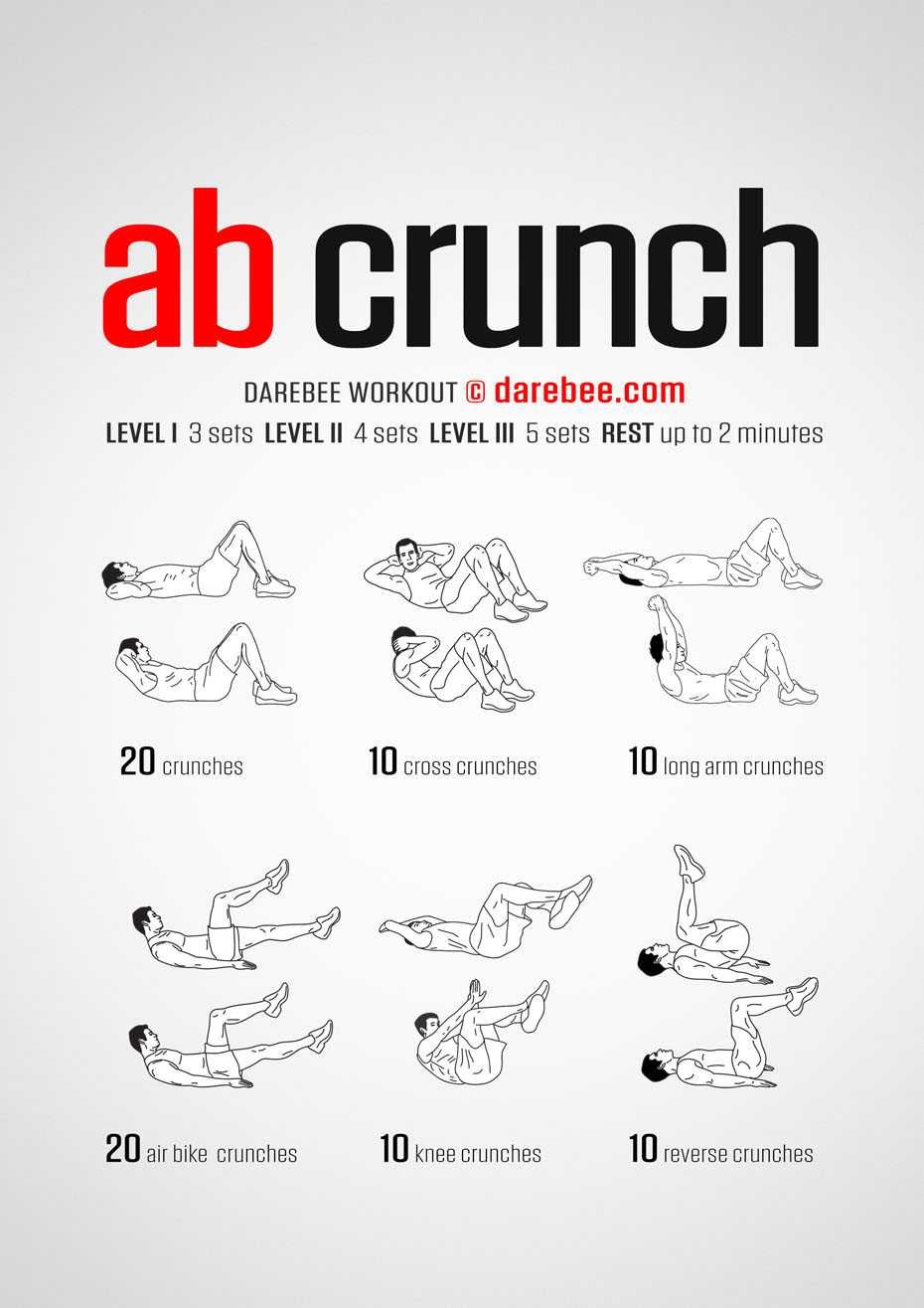
Crunches are a popular core workout that target your abdominal muscles, helping to strengthen and tone your midsection. They mainly focus on the rectus abdominis, the muscle responsible for the “six-pack” look, but also engage other core muscles for stability. Performing crunches regularly can improve posture, boost athletic performance, and assist in weight loss by burning calories.
In essence, crunches are a simple yet effective exercise that works your abdominal muscles by curling your upper body towards your knees while lying on your back. This movement enhances core strength, which is vital for overall fitness and daily activities. Keep reading to discover how crunches can transform your core and learn proper techniques to maximize their benefits.

What Does Crunches Exercise Do? Understanding the Benefits and Techniques
Introduction to Crunches and Their Purpose
Crunches are one of the most popular exercises used to strengthen the core muscles. They primarily target the abdominal muscles, especially the rectus abdominis, which is responsible for the “six-pack” look. Many people do crunches to improve their posture, enhance overall fitness, and achieve a toned stomach. Understanding what crunches do can help you decide if they are the right exercise for your fitness goals.
How Crunches Work: The Muscle Mechanics
Crunches involve lifting your upper body off the ground while lying on your back. This movement causes the abdominal muscles to contract, pulling your torso towards your knees. The exercise mainly targets the **rectus abdominis**, but also engages **obliques** and **transverse abdominis** for stabilization. The repeated contraction and relaxation help strengthen and define these muscles.
Primary Benefits of Doing Crunches
- Builds a Stronger Core: Crunches help develop the muscles that support your spine and pelvis.
- Enhances Posture: Strong abdominal muscles improve your posture and reduce back pain.
- Supports Better Balance and Stability: A strong core keeps your body balanced during other physical activities.
- Improves Athletic Performance: Many sports require core strength, which crunches can help develop.
Different Types of Crunches and Their Unique Benefits
Traditional Crunches
This classic exercise involves lying on your back with knees bent, hands behind your head, and lifting your shoulders off the ground. They target the upper abdominal muscles effectively.
Oblique Crunches
Performed by twisting your torso during the crunch, oblique crunches target the side muscles of the abdomen. They help develop a more defined waistline.
Reverse Crunches
Instead of lifting your shoulders, you lift your hips off the ground. This variation focuses on the lower abs and reduces strain on your neck.
Bicycle Crunches
By mimicking pedaling motions with your legs while crunching, this exercise works both the upper and lower abs along with obliques. It is great for overall core strength.
Proper Technique for Effective Crunches
Ensuring proper form prevents injuries and maximizes benefits. Follow these steps:
- Sit or lie flat with knees bent and feet flat on the ground.
- Place hands lightly behind your head or across your chest.
- Engage your core muscles before lifting your shoulders off the ground.
- Lift your shoulders a few inches while exhaling, focusing on squeezing your abdominal muscles.
- Hold briefly at the top, then slowly lower back down while inhaling.
- Avoid pulling on your neck or head with your hands during the movement.
Common Mistakes to Avoid
- Using Momentum: Swinging your body to lift off diminishes effectiveness.
- Pulling on Your Neck: This can cause strain and discomfort.
- Not Engaging the Core: Relaxed abdominal muscles reduce the benefit of the exercise.
- Overtraining: Doing too many crunches can lead to muscle strain or fatigue.
Frequency and Repetitions for Optimal Results
Aim to perform crunches in sets of 15 to 20 repetitions, 3 to 4 times a week. Allow your muscles time to recover between sessions. To build endurance, gradually increase repetitions or add variations.
Integrating Crunches into a Full-Body Workout
While crunches are great for core strength, combining them with other exercises enhances overall fitness. Include cardio, strength training, and flexibility exercises for balanced development. Here’s a sample weekly plan:
| Day | Workout Focus |
|---|---|
| Monday | Core exercises including crunches, planks, and leg raises |
| Wednesday | Cardio and full-body strength training |
| Friday | Core focus with oblique and reverse crunches |
| Sunday | Stretching and flexibility exercises |
Limitations of Crunches and When to Seek Alternatives
Although crunches are effective, they should not be the only exercise for your core. They may cause neck or back discomfort if done improperly. People with herniated discs or lower back issues should consult a healthcare professional before performing crunches.
Complementary Exercises for Better Results
For a comprehensive core workout, include exercises like:
- Planks: Build stability and endurance
- Leg Raises: Target lower abs effectively
- Russian Twists: Engage oblique muscles
- Mountain Climbers: Combine cardio with core strengthening
In Summary: What Do Crunches Exercise Do?
Crunches primarily strengthen the abdominal muscles, helping to create a toned and firm core. They improve posture, stability, and athletic performance. When done correctly, crunches are a safe and effective exercise that can be part of a well-rounded fitness routine.
Additional Tips for Effective Crunches
– Ensure your neck remains relaxed during the movement.
– Focus on slow, controlled lifts rather than fast repetitions.
– Incorporate breathing techniques to increase effectiveness.
– Combine crunches with a healthy diet for visible results.
By understanding exactly what crunches do and how to perform them safely, you can enjoy the benefits of a stronger core. Remember, consistency and proper form are key to making progress and avoiding injury.
Crunches Tips #abworkout #abs #sixpackabs #fitness
Frequently Asked Questions
What muscles do crunches primarily target?
Crunches mainly work the abdominal muscles, especially the rectus abdominis. They also engage the obliques to a lesser extent, helping to improve core stability and enhance the appearance of the abdominal area.
How do crunches contribute to core strength?
Performing crunches consistently helps strengthen the muscles in your core, which supports your spine and improves posture. A stronger core can lead to better balance and reduce the risk of back injuries during daily activities or other physical exercises.
Can crunches help in reducing belly fat?
While crunches strengthen abdominal muscles, they do not directly burn belly fat. To effectively reduce fat in that area, incorporate a balanced diet and overall cardiovascular exercises alongside core workouts like crunches.
Are there any common mistakes to avoid when doing crunches?
Yes, many people strain their neck or use improper form, which can lead to discomfort or injury. Avoid pulling on your neck, don’t lift your shoulders too high, and ensure controlled movement to maximize benefits and protect your back.
How many repetitions of crunches should I perform for optimal results?
Start with 2-3 sets of 10-15 repetitions, gradually increasing as your strength improves. Focus on maintaining good form throughout each set to achieve effective results and prevent strain.
Final Thoughts
Crunches primarily target the abdominal muscles, helping to strengthen and define the core. They engage the rectus abdominis and obliques, providing a toned appearance. Regularly performing crunches improves posture and supports overall stability. In short, what does crunches exercise? It effectively enhances core strength, making everyday movements easier and reducing injury risk.
As an Amazon Associate, We earn from qualifying purchases. When you purchase a product through Amazon links on pulsefitguide.com, we may earn a small commission at no extra cost to you. This helps support the site and keep our content free.