
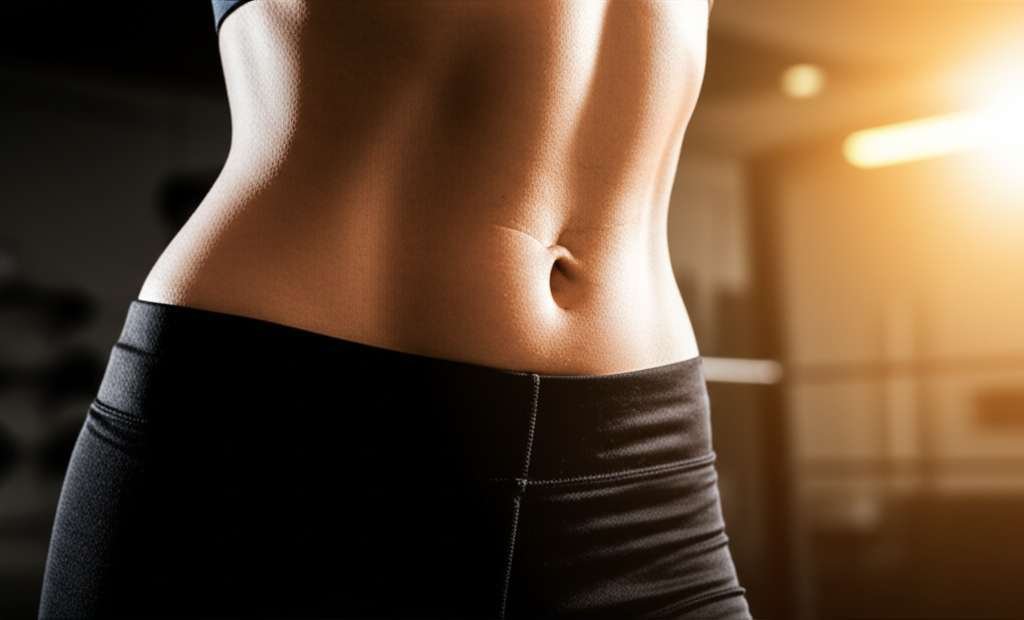
Quick Summary: Burning fat looks like a gradual transformation: clothes fitting better, increased energy, improved mood, and visible changes in body shape. It’s not just about weight loss numbers, but a feeling of becoming healthier and stronger. This guide breaks down these amazing results into simple, achievable steps.
Are you looking in the mirror and wondering what’s actually happening when you try to shed those extra pounds? It can feel confusing, right? You might be exercising and eating better, but what does “burning fat” really look and feel like?

Many people get stuck because they don’t see or feel the changes they expect, or they don’t know what to look for. This can be super discouraging when you’re putting in the effort.
But don’t worry! Understanding what fat burning actually entails is the first step to staying motivated. We’ll break down the signs of fat loss in a way that makes sense, showing you the amazing results you can achieve.
Get ready to see what your hard work is turning into!
Understanding the Basics: What is Fat Burning?
Think of your body as a super-efficient energy factory. It uses the food you eat as fuel. When you eat more calories than your body needs for its daily activities (like breathing, thinking, and moving), your body stores the extra energy as fat.
Fat burning, or more scientifically, fat oxidation, happens when your body needs energy and doesn’t have enough readily available from your last meal. It then turns to these stored fat reserves to get the energy it needs to function. This process is boosted when you consume fewer calories than you burn, or when you increase the number of calories you burn through physical activity.
It’s a natural process that your body does all the time, but we can influence how much fat it burns by making smart choices about food and movement.
Why It’s Not Just About the Scale
The number on the scale is only one piece of the puzzle. It measures your total body weight, which includes muscle, bone, water, and fat. Sometimes, you might lose fat but gain muscle, meaning the scale doesn’t move much, or even goes up a little!
Muscle is denser than fat, so even if you’re losing inches and feeling better, the scale might not reflect the full picture. Focusing solely on the scale can be misleading and demotivating.
True progress is about how your body composition changes, how you feel, and how your clothes fit. These are often better indicators of fat loss than just a number.
What Burning Fat Looks Like: The Amazing Results
So, what are the tangible signs that you’re successfully burning fat? It’s a combination of physical changes, improved energy levels, and a better sense of well-being. Let’s dive into the visible and felt results.
1. Clothes Fit Differently (and Better!)
This is often one of the first and most noticeable signs. Even if the scale hasn’t budged much, you might find that your favorite jeans are looser around the waist, or that your shirts aren’t as snug. This happens because fat takes up more space than muscle.
As you lose fat, your body becomes smaller and more compact, even if your overall weight stays similar due to muscle gain. This is a fantastic indicator that your body composition is improving.
2. Visible Changes in Body Shape
Over time, you’ll start to see changes in your body’s silhouette. Your waistline might become more defined, your face might appear slimmer, and areas where you tend to store fat (like your abdomen, hips, or thighs) will start to reduce in size.
This isn’t just about losing weight; it’s about reshaping your body. You might notice that your arms look leaner, your back has a smoother line, or that your legs appear more toned.
3. Increased Energy Levels
When your body becomes more efficient at using fat for fuel, you often experience a noticeable boost in energy. You might find yourself less sluggish throughout the day, have more stamina for workouts, and feel more alert and focused.
This is because fat is a very dense source of energy. When your body can access and use it effectively, it provides sustained fuel, unlike the quick spikes and crashes you can get from relying too heavily on sugary snacks.
4. Improved Mood and Mental Clarity
The benefits of fat burning extend beyond the physical. Many people report feeling happier, less stressed, and more mentally sharp as they lose excess body fat. This can be due to a combination of factors, including hormonal changes and the endorphins released during exercise.
Regular physical activity, which is key to burning fat, is a well-known mood booster. It can help reduce symptoms of anxiety and depression, leading to a greater sense of overall well-being.
5. Better Sleep Quality
As your body becomes healthier and more balanced, you might also notice improvements in your sleep. Fat loss can help reduce snoring and improve conditions like sleep apnea, leading to more restful nights.
When your body is functioning optimally, it’s better able to regulate sleep cycles. This means you wake up feeling more refreshed and ready to tackle the day.
6. Enhanced Physical Performance
Carrying less excess body fat makes physical tasks easier. Whether it’s walking up stairs, playing with your kids, or hitting a new personal best at the gym, you’ll likely find that your physical performance improves.
You’ll feel lighter on your feet, have more endurance, and your movements will likely feel more fluid and less strained. This is a direct result of your body becoming more efficient.
7. Reduced Physical Discomfort
Excess body fat can put extra strain on your joints, back, and other parts of your body, leading to aches and pains. As you lose fat, this pressure is reduced, often leading to a significant decrease in discomfort and an improvement in mobility.
This can make everyday activities much more enjoyable and less painful. Imagine moving through your day with less stiffness and more freedom!
The Science Behind Fat Burning: A Simple Breakdown
To truly understand what burning fat looks like, it helps to know a little about how your body works. It’s not magic; it’s biology!
When you consume food, your body breaks it down into energy. Carbohydrates and proteins are used for immediate energy needs. Any extra energy, especially from fats and excess carbohydrates, is stored in your body, primarily as adipose tissue (fat cells).
To burn this stored fat, your body needs to be in a calorie deficit. This means you’re burning more calories than you consume. When this happens, your body signals for stored fat to be broken down into fatty acids and glycerol, which are then released into your bloodstream.
These fatty acids can then be transported to your muscles and other tissues, where they are used as fuel during activity. This process is called lipolysis. The more you exercise and the more consistently you maintain a calorie deficit, the more your body will tap into these fat stores.
You can learn more about how your body uses energy from the National Institutes of Health (NIH), which provides excellent resources on metabolism and energy balance.
Calorie Deficit: Your Fat Burning Key
A calorie deficit is the cornerstone of fat loss. It simply means you’re using more energy than you’re taking in through food and drinks.
For example, if your body needs 2,000 calories to maintain its current weight, and you only consume 1,500 calories, you create a 500-calorie deficit. Your body will then need to find those missing 500 calories from its stored energy reserves – which is your fat!
This deficit can be achieved through a combination of eating less and moving more. It’s not about starving yourself, but about making mindful food choices and incorporating regular physical activity.
The Role of Metabolism
Metabolism is the term for all the chemical processes that happen in your body to keep you alive. This includes turning food into energy. Your metabolic rate is how quickly your body burns calories.
Factors like age, genetics, muscle mass, and activity level influence your metabolism. Building muscle mass is particularly effective because muscle tissue burns more calories at rest than fat tissue. This is why strength training is a powerful tool for fat loss and maintaining a healthy metabolism.
Understanding your metabolism can help you set realistic goals and tailor your approach to fat burning.
How to Achieve Fat Burning Results: Practical Steps
Now that you know what fat burning looks like and the science behind it, let’s talk about how you can actually achieve these amazing results. It’s all about building sustainable habits.
Step 1: Create a Sustainable Calorie Deficit
As we discussed, a calorie deficit is crucial. Aim for a moderate deficit – typically 300-500 calories per day. This allows for gradual, sustainable fat loss (about 1-2 pounds per week) without making you feel deprived or harming your metabolism.
Don’t guess! Use an online calculator or consult a professional to estimate your daily calorie needs (Total Daily Energy Expenditure or TDEE). Then, subtract your desired deficit.
Step 2: Focus on Nutrient-Dense Foods
What you eat matters just as much as how much you eat. Prioritize whole, unprocessed foods that are packed with nutrients but relatively lower in calories.
- Lean Proteins: Chicken breast, fish, beans, lentils, tofu, eggs. Protein helps you feel full and preserves muscle mass during weight loss.
- Vegetables: All kinds! They are low in calories and high in fiber, vitamins, and minerals. Fill at least half your plate with them.
- Fruits: Berries, apples, bananas, oranges. Great for snacks and desserts, providing natural sweetness and fiber.
- Whole Grains: Oats, brown rice, quinoa, whole wheat bread. Provide sustained energy and fiber.
- Healthy Fats: Avocados, nuts, seeds, olive oil. Important for hormone function and satiety, but use in moderation due to calorie density.
Step 3: Hydrate, Hydrate, Hydrate!
Drinking enough water is vital for fat burning. Water helps boost your metabolism, keeps you feeling full, and supports all bodily functions, including the breakdown of fat.
Aim for at least 8 glasses (64 ounces) of water per day, and more if you’re active or in a warm climate. Sometimes, thirst can be mistaken for hunger, so drinking water before meals can help manage appetite.
Step 4: Incorporate Regular Physical Activity
Exercise is a powerful tool for burning calories and building muscle, which further boosts your metabolism. A combination of cardiovascular exercise and strength training is ideal.
- Cardio: Activities like brisk walking, jogging, cycling, swimming, or dancing help burn a significant amount of calories. Aim for at least 150 minutes of moderate-intensity cardio per week.
- Strength Training: Lifting weights or doing bodyweight exercises (like push-ups, squats, lunges) builds muscle. Aim for 2-3 sessions per week, targeting all major muscle groups. This helps your body burn more calories even when you’re resting.
According to the Centers for Disease Control and Prevention (CDC), adults should aim for at least 150 minutes of moderate-intensity aerobic activity or 75 minutes of vigorous-intensity aerobic activity each week, plus muscle-strengthening activities at least two days a week.
Step 5: Prioritize Sleep and Manage Stress
Don’t underestimate the power of good sleep and low stress! Lack of sleep and chronic stress can disrupt hormones that regulate appetite and fat storage, making fat loss much harder.
Aim for 7-9 hours of quality sleep per night. Find healthy ways to manage stress, such as meditation, yoga, deep breathing exercises, or spending time in nature.
Tracking Your Progress Beyond the Scale
Since the scale isn’t the only measure, how else can you track your amazing fat-burning results? Here are some effective methods:
Progress Photos
Take photos of yourself in the same lighting and pose every 2-4 weeks. You might not notice subtle changes day-to-day, but comparing photos over time can reveal significant shifts in your body shape and definition.
Body Measurements
Use a tape measure to track changes in key areas like your waist, hips, thighs, and arms. Even a few inches lost here can be a huge motivator and a clear sign of fat loss.
Here’s a simple way to track your measurements:
| Body Part | Measurement (in inches/cm) | Date 1 | Date 2 | Date 3 |
|---|---|---|---|---|
| Waist (at navel) | ||||
| Hips (widest part) | ||||
| Thigh (mid-point) | ||||
| Upper Arm (mid-point) |
How Your Clothes Fit
Pay attention to how your clothes feel. Are they looser? Do you need to adjust your belt? This is a fantastic, practical indicator that you’re losing fat.
Energy Levels and Performance
Keep a journal to track your energy throughout the day, how you feel during workouts, and any improvements in strength or endurance. These subjective feelings are powerful evidence of progress.
Fitness Test
Periodically repeat a simple fitness test, like seeing how many push-ups you can do in a minute, how long you can hold a plank, or how fast you can walk a mile. Improvements here show your body is becoming stronger and more efficient.
Common Hurdles and How to Overcome Them
It’s normal to hit a plateau or face challenges when trying to burn fat. Here are some common issues and how to tackle them:
- Plateaus: If the scale or measurements stop changing for a few weeks, it might be time to slightly adjust your calorie intake, increase your activity, or change your workout routine.
- Cravings: Healthy snacks, hydration, and ensuring you’re eating enough protein and fiber can help manage cravings. Don’t deprive yourself completely; allow for occasional treats in moderation.
- Lack of Motivation: Revisit your “why.” Remind yourself of the amazing results you’re working towards. Find an accountability partner, try new exercises, or set smaller, achievable goals.
- Time Constraints: Even short bursts of activity count. Try 15-20 minute workouts, take the stairs, or walk during your lunch break. Meal prepping can save time during the week.
Frequently Asked Questions (FAQ)
Q1: How quickly can I expect to see fat burning results?
Results vary, but most beginners start noticing changes in how their clothes fit and increased energy within 2-4 weeks of consistent healthy eating and exercise. Visible body shape changes and significant weight loss take longer, often 1-3 months or more.
Q2: Is it possible to lose fat from a specific area of my body, like my stomach?
Unfortunately, spot reduction (losing fat from just one area) isn’t possible. Your body loses fat overall. However, as you lose fat generally, you will eventually lose it from your stomach, but it might not be the first place you see changes.
Q3: What’s the difference between weight loss and fat loss?
Weight loss refers to losing any body mass, including water, muscle, and fat. Fat loss specifically means reducing your body’s stored fat. Focusing on fat loss leads to a healthier, more toned physique and better overall health.
Q4: How much exercise do I need to do to burn fat?
A combination of cardio and strength training is best. Aim for at least 150 minutes of moderate-intensity cardio per week and 2-3 strength training sessions. Consistency is more important than intensity when starting out.
Q5: Should I count calories or just focus on healthy foods?
Both are important! Focusing on healthy, nutrient-dense foods is crucial for satiety and overall health. However, to create the calorie deficit needed for fat loss, tracking your intake, at least loosely, can be very beneficial, especially for beginners.
Q6: What if I have a medical condition?
Always consult with your doctor or a registered dietitian before starting any new diet or exercise program, especially if you have underlying health conditions. They can provide personalized advice and ensure your plan is safe and effective for you.
Conclusion
Understanding what burning fat looks like is key to staying motivated on your health journey. It’s not just about the number on the scale, but about the incredible transformation your body undergoes: clothes fitting better, energy levels soaring, and a general feeling of well-being. These amazing results are achievable through consistent, science-backed strategies.
By creating a sustainable calorie deficit, fueling your body with nutrient-dense foods, staying hydrated, incorporating regular exercise, and prioritizing sleep and stress management, you are actively encouraging your body to tap into its fat reserves. Tracking your progress through measurements, photos, and how you feel will provide tangible proof of your success, reinforcing your commitment.
Remember, this is a journey, not a race. Be patient with yourself, celebrate every victory, and trust the process. You are building a healthier, stronger, and more vibrant you, one step at a time. Keep going – the amazing results are within your reach!
As an Amazon Associate, We earn from qualifying purchases. When you purchase a product through Amazon links on pulsefitguide.com, we may earn a small commission at no extra cost to you. This helps support the site and keep our content free.