

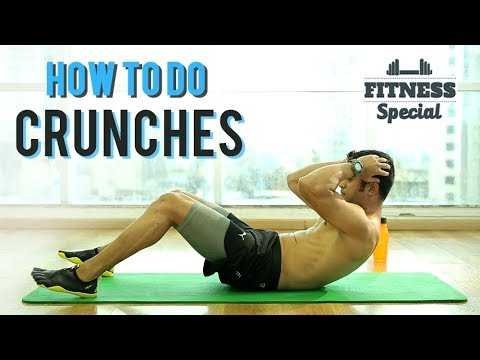
Crunches are a popular exercise for strengthening your core, but their benefits go beyond just sculpting abs. They help improve posture, support back health, and boost overall stability, making daily movements easier and reducing injury risk. Whether you’re aiming for a toned midsection or better balance, crunches can be a valuable addition to your fitness routine.
In short, crunches primarily target your abdominal muscles, helping to tone and define your core. They also contribute to better posture and support the lower back, making them a versatile exercise for both appearance and functional strength.
Effective core strength is essential for overall fitness and daily activities. Crunches are simple yet efficient, requiring minimal equipment and space. By regularly incorporating crunches into your workouts, you can enhance your core stability, improve your posture, and support your lower back, all while working toward that flat, toned stomach. They are suitable for beginners and advanced exercisers alike, making them a go-to exercise for many fitness enthusiasts.

What Are Uses of Crunches Exercise
Introduction to Crunches and Their Role in Fitness
Crunches are a popular core exercise that many people include in their workout routines. They primarily target the abdominal muscles, helping to build strength and improve overall stability. People often wonder about the different benefits and uses of crunches, beyond just toning the stomach area.
Core Strengthening and Stability
Crunches are excellent for strengthening the core muscles, which include the rectus abdominis, transverse abdominis, and obliques. A strong core improves balance and posture, making everyday activities easier. Enhanced stability from strong core muscles can help prevent injuries during other physical activities.
Improved Posture
A well-developed core supports the spine and promotes better posture. Regular crunches can help reduce slouching and back pain caused by weak abdominal muscles. Better posture also gives you a more confident and upright appearance.
Support for Other Exercises and Sports
A strong core creates a solid foundation necessary for many sports and fitness routines. Whether you’re running, swimming, or lifting weights, crunches help improve your overall athletic performance. They enable you to generate more power and reduce fatigue during physical activity.
Enhancing Aesthetic Appearance
Many people perform crunches to achieve a flatter, more toned stomach. While crunches alone won’t reduce body fat, they can help define the abdominal muscles once fat loss occurs through proper diet and cardio. They contribute to a leaner look by tightening the midsection.
Creating a V-Shaped Waistline
Targeted crunches can help sculpt the waistline, accentuating the V-shape that many find desirable. Combining crunches with side exercises enhances the overall appearance of a slim, toned abdomen.
Building Confidence and Motivation
Seeing muscle definition as a result of consistent crunches can motivate individuals to continue their fitness journey. Feeling good about appearance boosts confidence and encourages healthier lifestyle choices.
Rehabilitation and Injury Prevention
Crunches can be part of physical therapy for recovering from certain injuries, especially those related to the lower back or spine. Strengthening the abdominal muscles supports the lower back and reduces strain during daily movements.
Back Pain Relief
A strong core can alleviate pressure on the lower back by providing better support for the spine. Properly done crunches engage the abdominal muscles without putting undue stress on the back.
Prevention of Postural Issues
Regular core exercises, including crunches, help prevent postural problems caused by muscle imbalances. They promote alignment and stability, which are vital for overall musculoskeletal health.
Accessibility and Convenience of Crunches
Crunches are easy to perform anywhere and don’t require special equipment. This makes them a popular choice for those with busy schedules or limited access to a gym.
Minimal Equipment Needed
All you need to do crunches is a flat surface or exercise mat. This simplicity allows beginners to start practicing immediately without investing in equipment.
Adaptability for All Fitness Levels
Crunches can be modified to suit different fitness levels. Beginners may perform basic crunches, while advanced exercisers can try variations like bicycle crunches or weighted crunches for increased challenge.
Variations and Targeted Use of Different Crunches
Different types of crunches can focus on various abdominal muscles or add variety to your workout. Understanding these variations helps maximize their benefits.
Traditional Crunches
Standard crunches involve lying on your back with knees bent and lifting your shoulders off the ground. They primarily target the upper abs.
Oblique Crunches
These focus on the side abdominal muscles, helping to define the waistline. You perform them by twisting your torso during the crunch movement.
Bicycle Crunches
This dynamic variation engages both the upper and lower abs as well as obliques. They involve a pedaling motion with the legs while twisting the torso.
Weighted Crunches
Adding light weights or resistance bands can increase intensity, making the exercise more effective for muscle building. They target the abs while challenging the core to handle extra load.
Integrating Crunches into a Complete Workout Routine
Crunches should be part of a balanced fitness program that includes cardio, strength training, and flexibility exercises. Combining these elements enhances overall health and fitness.
Frequency and Repetition
Perform crunches 3 to 4 times a week, with 2 to 3 sets of 15 to 20 repetitions. Consistency is key to seeing results in muscle tone and core strength.
Complementary Exercises for Better Results
Incorporate other core exercises like planks, leg raises, and side bends for a comprehensive core workout. Combining different movements improves muscle balance and functionality.
Diet and Nutrition for Abdominal Definition
No exercise alone can reveal abdominal muscles if body fat remains high. Pair crunches with a healthy diet to reduce overall body fat and enhance muscle definition.
Precautions and Best Practices
While crunches are beneficial, improper technique can cause strain or injury. Learning correct form and listening to your body ensures safe practice.
Proper Technique
Keep your neck relaxed and avoid pulling on your head. Engage your core muscles and lift your shoulders off the ground smoothly.
Risks of Excessive Crunches
Overdoing crunches can lead to neck or back discomfort. Balance your core workout with rest and other exercises to prevent strain.
Consulting Medical Professionals
If you have existing back or neck pain, consult a healthcare provider or physical therapist before starting crunch exercises. They can suggest modifications or alternative exercises.
Summary
Crunches serve multiple purposes, including strengthening the core, improving posture, supporting athletic performance, and enhancing physical appearance. Their versatility makes them a valuable addition to any fitness program.
Related Topics to Explore
- Best core exercises for beginners
- How to improve posture with exercise
- Nutrition tips for abdominal muscle visibility
- Effective workout plans for a flat stomach
Including various types of crunches in your workout routine can help you achieve a more defined, stronger core. Remember, consistency and proper technique are crucial for getting the most benefit and avoiding injury.
Crunches Tips #abworkout #abs #sixpackabs #fitness
Frequently Asked Questions
How do crunches contribute to core strength development?
Crunches target the abdominal muscles directly, primarily engaging the rectus abdominis. Regularly performing crunches helps strengthen these muscles, which are vital for supporting the spine and maintaining proper posture. Building core strength through crunches can also improve overall stability, making daily movements easier and reducing the risk of injuries.
What benefits do crunches provide for posture improvement?
By strengthening the abdominal muscles, crunches help improve posture by promoting proper spinal alignment. A stronger core prevents the lower back from overcompensating during daily activities, reducing slouching and fatigue. Incorporating crunches into your routine can contribute to a more upright stance and alleviate discomfort caused by poor posture.
Can crunches assist in reducing belly fat or toning abdominal muscles?
While crunches alone do not directly burn a significant amount of fat, they play a role in toning and defining the abdominal muscles. To effectively reduce belly fat, combine crunches with a balanced diet and cardiovascular exercises. This comprehensive approach helps reveal toned abs by decreasing overall body fat percentage.
Final Thoughts
Crunches exercise primarily target abdominal muscles, helping to strengthen and define the core. It improves posture and stability, making daily movements easier. Many use crunches to enhance athletic performance and support back health.
In addition, crunches can be part of a balanced fitness routine for weight management. They boost confidence by sculpting a toned midsection. Ultimately, what are uses of crunches exercise? They focus on core strength, improve posture, and contribute to an overall fit appearance.
As an Amazon Associate, We earn from qualifying purchases. When you purchase a product through Amazon links on pulsefitguide.com, we may earn a small commission at no extra cost to you. This helps support the site and keep our content free.