

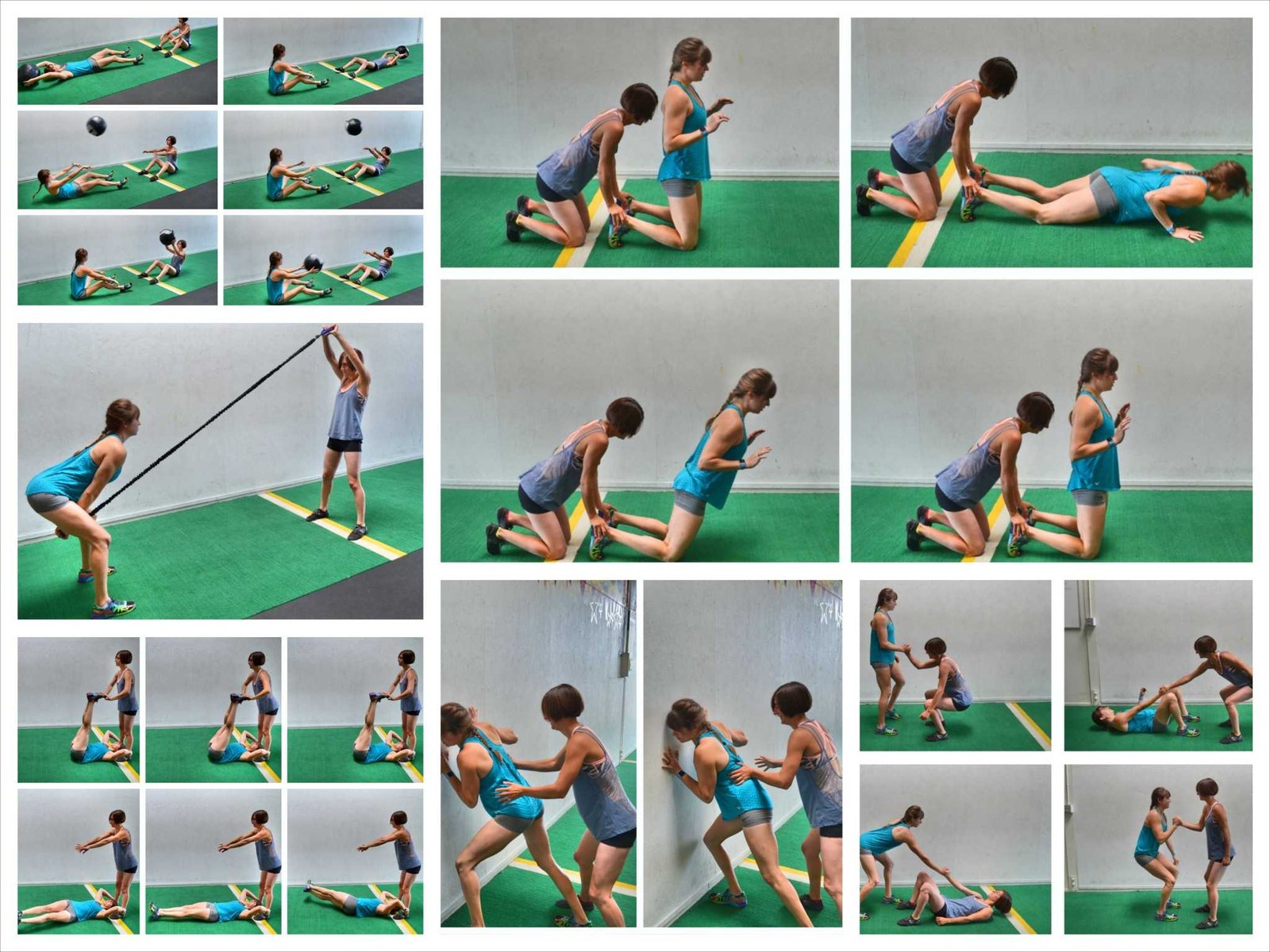
Looking to spice up your workout routine with your partner? Bodyweight exercises are a fantastic way to build strength, improve coordination, and have fun together—all without any equipment. Partner exercises not only challenge your muscles but also boost motivation and teamwork. Some popular options include push-up handoffs, plank high-fives, and partner squats, which are simple to do and highly effective.
In brief, partner bodyweight exercises are creative, engaging moves that leverage your own body weight to build strength and endurance while fostering connection. These exercises often involve two people working in tandem, encouraging support and friendly competition. Whether you’re beginners or seasoned exercisers, these workouts can be easily adapted to fit any fitness level, making them a perfect addition to your routine.

What are some bodyweight exercises for partners?
Partner workouts are a fun and effective way to stay active together. They strengthen muscles, improve coordination, and boost motivation. Bodyweight exercises require no equipment, making them perfect for doing at home or anywhere.
Why choose partner bodyweight exercises?
Partner exercises add a social element that encourages consistency and accountability. They challenge your stability and balance in ways solo exercises might not. Plus, sharing the effort makes workouts more enjoyable and engaging.
Key benefits of partner exercises
- Builds teamwork and communication: Working out together promotes better understanding and cooperation.
- Enhances motivation: Having a partner encourages you to push harder.
- Increases workout variety: Partner exercises bring fresh movements that keep routines exciting.
- Improves functional strength: These exercises often mimic real-life activities better than isolated movements.
Types of bodyweight partner exercises
There are many versatile partner exercises suitable for various fitness levels. They target different muscle groups and focus on strength, stability, and endurance. Let’s explore some of the most effective options.
1. Partner Plank High-Fives
This exercise targets your core stability and shoulder strength. Both partners start in a high plank position side by side, with bodies straight and shoulders over wrists. While holding the plank, each partner lifts one hand to give the other a high-five, alternating sides.
- Benefits: Improves core strength, balance, and shoulder stability.
- Tips: Keep hips steady and avoid twisting your torso during the lift.
2. Partner Squat with Pass
Partners stand facing each other, a few feet apart. They perform a squat at the same time, then pass an object like a ball or a cushion between them as they rise. This dynamic movement builds leg strength and engages the core.
- Benefits: Strengthens legs, glutes, and core muscles.
- Tips: Maintain proper squat form, and pass the object smoothly.
3. Wall Sit with Partner Push
Partners sit back-to-back against a wall, knees bent at 90 degrees. One partner gently pushes against the other’s back, adding resistance. This stabilizes the squat position and builds endurance.
- Benefits: Builds leg strength and enhances back stability.
- Tips: Communicate about the pushing force to prevent discomfort.
4. Partner Leg Throws
One partner lies on their back with legs straight, while the other stands at their head or feet. The lying partner holds onto the ankles or thighs, while the standing partner gently pushes the legs downward. The lying partner resists the movement, engaging core muscles.
- Benefits: Targets the abdominal muscles and hip flexors.
- Tips: Keep movements controlled and avoid using momentum.
5. Push-Up with Hand Tap
Both partners assume a push-up position facing each other. After lowering into the push-up, each taps the opposite hand with theirs before pushing back up. This exercise enhances upper body strength and coordination.
- Benefits: Strengthens chest, shoulders, triceps, and core.
- Tips: Keep hips square and avoid twisting during taps.
6. Partner Lunges with Hand Support
Partners face each other while performing lunges. They hold hands for balance and stability as they step forward and backward. This encourages proper form and adds a balance challenge.
- Benefits: Develops leg and glute strength while improving balance.
- Tips: Keep knees aligned over ankles during lunges.
7. Seated Back-to-Back Twists
Sit back-to-back with legs crossed or extended. Each partner twists their torso to one side, placing a hand on the other’s knee or thigh for support. This exercise targets obliques and spinal mobility.
- Benefits: Improves core flexibility and rotational strength.
- Tips: Move slowly and avoid over-twisting.
8. Partner Bridge
Lie on your backs with knees bent and feet flat on the floor, facing each other. Link hands or place hands on each other’s hips. Both lift their hips to create a bridge, engaging glutes and hamstrings simultaneously.
- Benefits: Strengthens posterior chain muscles for better posture and stability.
- Tips: Keep shoulders and feet grounded, and lift hips evenly.
Safety Tips for Partner Exercises
- Communicate clearly: Always inform your partner of movements and pressure levels.
- Start slow: Begin with simple exercises and gradually increase intensity.
- Use proper form: Focus on correct technique to prevent injuries.
- Be attentive: Watch for signs of discomfort and stop if needed.
Additional Tips for Success
- Warm up before exercising to prepare your muscles and prevent injuries.
- Maintain consistency with your routine to see progress over time.
- Mix up exercises to target different muscles and avoid boredom.
- Focus on breathing—exhale during exertion and inhale during relaxation.
Adapting Exercises for Different Fitness Levels
If you are beginners, modify exercises by reducing the range of motion or support. For example, perform knee push-ups instead of full push-ups. Advanced partners can increase repetitions or add slow, controlled movements for extra challenge.
Involving All Muscles with Creative Partner Workouts
Combine exercises to create circuits, such as alternating between partner squats, push-ups, and core twists. This keeps workouts balanced and comprehensive, targeting multiple muscle groups at once.
Partner exercises make workouts more dynamic and enjoyable, encouraging consistency and social bonding. They add variety while building strength, stability, and coordination, making them a valuable addition to any fitness journey.
Fun Partner Exercises | Couple Workout | Bodyweight Exercises
Frequently Asked Questions
What are some effective partner-based push-up variations?
Partner-based push-up variations include techniques like handclap push-ups, where partners clap their hands together mid-air, and partner-resisted push-ups, where one partner provides resistance to enhance the workout. These exercises challenge your stability and strength while fostering teamwork and communication. To perform a handclap push-up, one person starts in a standard push-up position, pushes off the ground with force, and claps their hands before landing back in the starting position. For partner-resisted push-ups, one partner holds resistance bands or provides manual resistance as the other performs push-ups, increasing difficulty and engaging additional muscles.
How can partners work together for core-strengthening exercises?
Partners can engage in exercises like partner sit-ups, Russian twists passing a weight or ball, and plank high-fives. For partner sit-ups, one person lies on the ground while the other sits upright and helps them with momentum or balance. During Russian twists, partners pass a weight back and forth, forcing rotation and engaging the obliques. In a plank with high-fives, both partners hold a plank position and alternately reach out to touch each other’s hand, which challenges stability and builds core strength through dynamic movement and coordination.
What are some balance-focused exercises that partners can do together?
Partners can perform exercises such as tandem balances, where both stand on one leg and pass objects or maintain stability, or partner-assisted wall squats, where one supports the other’s back for added balance. Additionally, partner leg lifts, with one partner lying on the ground and the other providing support or resistance, improve balance and core stability. For example, in a partner-assisted wall squat, one person leans against the wall while the other supports them from behind, encouraging proper posture and coordination. These exercises promote mutual support and help improve overall balance and coordination.
Can you suggest partner exercises that enhance upper body strength?
Yes, exercises like partner plank pushes and assisted handstands can significantly boost upper body strength. In a partner plank push, both partners assume a plank position and take turns pushing each other’s shoulders, which increases shoulder and arm engagement. Assisted handstands involve one partner helping the other stabilize in a handstand position against a wall or with support, building shoulder, arm, and core strength. These activities challenge stability and strength while encouraging communication and teamwork during the workout.
Final Thoughts
Bodyweight exercises for partners are a fun and effective way to stay fit together. Exercises like partner push-ups, plank hand taps, and wheelbarrow walking build strength and coordination. These activities encourage communication and motivation between partners. Incorporating these moves into your routine can make workouts more enjoyable and engaging.
In summary, what are some bodyweight exercises for partners? They include exercises such as partner squats, seated twists, and assisted lunges. These exercises help improve both fitness and teamwork. Trying pairs exercises keeps your workout fresh and interactive.
As an Amazon Associate, We earn from qualifying purchases. When you purchase a product through Amazon links on pulsefitguide.com, we may earn a small commission at no extra cost to you. This helps support the site and keep our content free.