

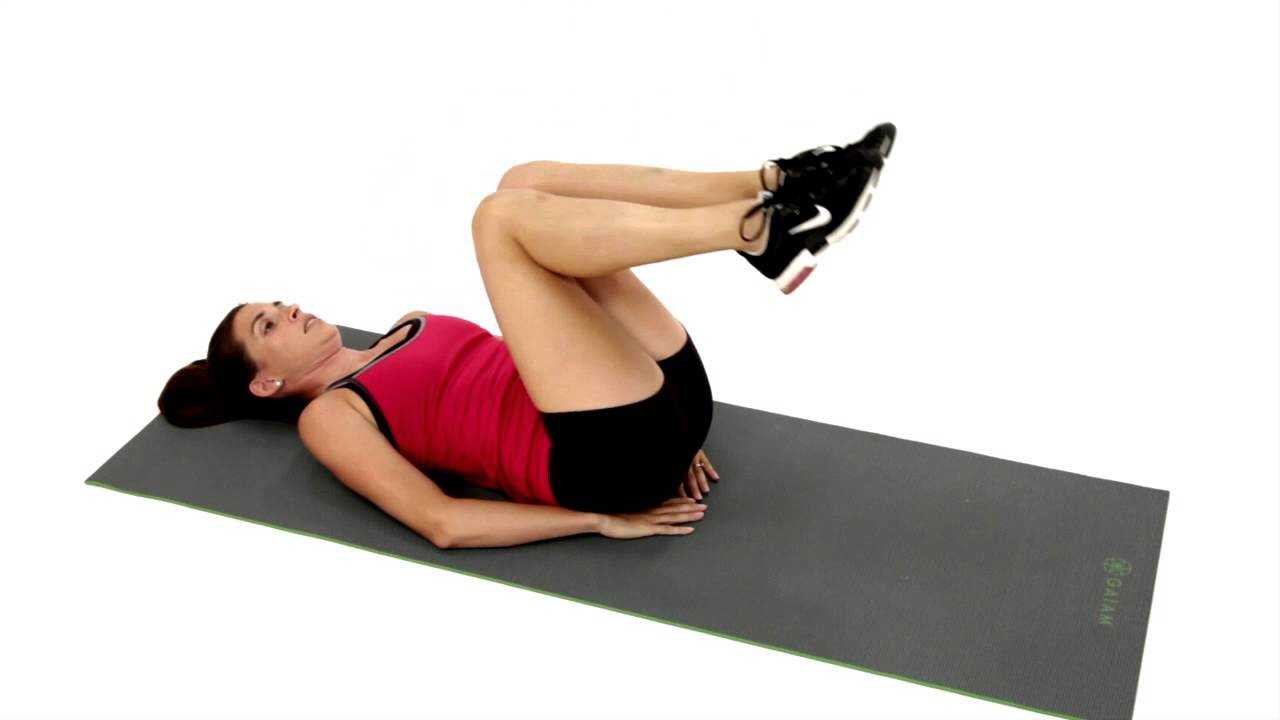
Reverse crunches are a fantastic exercise to target the lower abs and sculpt your core. If you’re looking for a simple yet effective way to tone your abdominal muscles without straining your neck or back, reverse crunches are perfect. They involve lifting your hips off the ground by curling your knees toward your chest, focusing on engaging your lower belly muscles. This movement helps strengthen the core, improve posture, and boost overall stability. Unlike traditional crunches, reverse crunches reduce pressure on the neck and back, making them a safe option for many people. Whether you’re a beginner or an experienced fitness enthusiast, incorporating reverse crunches into your routine can bring noticeable results in abdominal firmness and core strength.
Reverse crunches are a core exercise that primarily targets the lower abdominal muscles. They involve curling your hips upward while lifting your legs, providing an effective way to work on the lower abs with less strain on your neck and back. This exercise is simple to perform and can be easily modified to suit various fitness levels.
Engaging your core and maintaining proper form are key to maximizing the benefits of reverse crunches. They are an excellent addition to any workout plan aimed at strengthening the core, improving posture, and achieving a toned midsection.

What Are Reverse Crunches Exercise?
Reverse crunches are a popular workout move that targets the lower part of your abdomen. This exercise is simple yet effective for strengthening your core muscles. Many people choose reverse crunches to help define their stomach and improve overall stability.
Understanding the Basics of Reverse Crunches
Reverse crunches involve lifting your legs and hips while keeping your upper body mostly stationary. Unlike traditional crunches that focus on lifting your shoulders off the ground, reverse crunches use your lower abs to move your legs upward. This movement specifically targets the lower abdominal muscles.
By focusing on the lower abs, reverse crunches can help reduce belly fat and create a toned look. They are also gentle on the neck and back, making them suitable for beginners and those with joint issues. Consistent practice can lead to improved core strength, which benefits other physical activities.
How Do You Perform a Reverse Crunch Correctly?
Starting Position
- Sit on a flat surface or lie down on an exercise mat.
- Place your hands beside your body with palms down for support.
- Keep your legs extended straight out, or bend your knees slightly if needed for comfort.
The Movement
- Engage your core muscles and lift your legs towards your chest, bending your knees if necessary.
- Hips should lift off the ground as your knees come closer to your chest.
- Pause briefly at the top of the movement before slowly lowering your legs back to the starting position.
Important Tips for Proper Form
- Use controlled movements to maximize engagement of your lower abs.
- Avoid using momentum by swinging your legs or hips.
- Keep your upper body relaxed and stationary throughout the exercise.
Benefits of Including Reverse Crunches in Your Workout
Adding reverse crunches to your routine can deliver multiple health benefits. They help strengthen the core muscles, which improves posture and balance. Strong core muscles also support your spine and prevent injuries.
This exercise can aid in reducing stubborn lower belly fat when combined with a healthy diet and overall fitness plan. Additionally, reverse crunches are convenient because they require minimal equipment and can be performed anywhere.
Different Variations of Reverse Crunches
Reverse Crunch with Legs Elevated
This variation involves lifting your legs higher off the ground for increased intensity. It requires greater core engagement and can help build more strength in your lower abs.
Reverse Crunch with Oblique Twist
Adding a twist during the movement targets the oblique muscles on the sides of your abdomen. This variation not only works the lower abs but also enhances waistline definition.
Weighted Reverse Crunches
You can hold a light weight or medicine ball between your legs for added resistance. This increases the challenge and promotes muscle growth in your core.
Tips for Maximizing the Effectiveness of Reverse Crunches
- Perform the exercise slowly to focus on muscle engagement.
- Maintain steady breathing throughout the movement.
- Incorporate reverse crunches into a balanced workout routine that includes cardio and other strength exercises.
Common Mistakes to Avoid
- Using momentum to lift your legs instead of engaging your abs.
- Lifting the hips too high, which can strain your lower back.
- Holding your breath during the movement; remember to breathe steadily.
Integrating Reverse Crunches Into Your Fitness Program
For best results, aim to perform reverse crunches at least three times a week. Start with a set of 10 to 15 repetitions and gradually increase as your strength improves. Combine this exercise with other core workouts for a well-rounded abdominal routine.
Remember, consistency is key. Pairing reverse crunches with healthy eating habits will help you see better and faster results. Be patient and stay committed to your fitness journey.
Additional Core Exercises to Complement Reverse Crunches
| Exercise | Description | Targeted Muscles |
|---|---|---|
| Planks | Hold your body in a straight line on your forearms or hands. | Entire core, shoulders, back |
| Bicycle Crunches | Alternate touching your elbows to opposite knees in a pedaling motion. | Obliques, upper and lower abs |
| Leg Raises | Lift your legs straight up while lying flat, then lower slowly. | Lower abs, hip flexors |
Safety Considerations for Reverse Crunches
While reverse crunches are generally safe, certain precautions are necessary. Avoid performing the exercise if you have lower back pain or injuries. Always warm up before starting your workout and listen to your body.
If you experience discomfort or pain during the exercise, stop immediately and consult a fitness professional or healthcare provider. Proper form and controlled movements are essential for preventing injuries and ensuring effectiveness.
Reverse crunches are a practical and efficient move for strengthening the lower abdominal muscles. They can be easily integrated into any workout routine, offering benefits like improved core stability and a toned appearance. Practice regularly, focus on proper form, and combine with other exercises for best results.
How To Do A Reverse Crunch
Frequently Asked Questions
What muscles do reverse crunches primarily target?
Reverse crunches mainly focus on engaging the lower abdominal muscles. They also activate the hip flexors and help strengthen the core, contributing to improved stability and posture.
How should I perform reverse crunches to ensure safety?
To perform reverse crunches safely, lie flat on your back with your arms by your sides. Bend your knees at a 90-degree angle and lift your legs. Use your lower abdominal muscles to curl your hips off the ground, bringing your knees toward your chest. Avoid using momentum and keep movements controlled to prevent strain on your neck or back.
What are some common mistakes to avoid during reverse crunches?
One common mistake is using momentum rather than abdominal muscles to lift the hips. Avoid pulling on your neck or head, which can cause discomfort. Also, ensure your lower back stays pressed against the ground to prevent arching and to protect your spine. Overextending or bouncing can reduce effectiveness and increase injury risk.
Can reverse crunches help in reducing lower belly fat?
While reverse crunches strengthen and tone the lower abdominal muscles, they alone do not directly burn fat in that area. Combining these exercises with a balanced diet and overall cardio workouts can help reduce overall body fat, including the lower belly.
Are reverse crunches suitable for beginners or people with back issues?
Reverse crunches can be suitable for beginners if performed with proper form and control. However, individuals with lower back problems should consult a healthcare professional before incorporating them into their routine. Modifications or alternative exercises may be necessary to avoid discomfort or injury.
Final Thoughts
Reverse crunches exercise target your lower abs by lifting your hips off the ground using controlled movements. This exercise involves lying on your back and curling your hips toward your chest. It emphasizes abdominal strength and improves core stability.
In conclusion, ‘what are reverse crunches exercise’ focus on engaging the lower abdominal muscles efficiently. Incorporate this move into your routine for effective core development and better posture.
As an Amazon Associate, We earn from qualifying purchases. When you purchase a product through Amazon links on pulsefitguide.com, we may earn a small commission at no extra cost to you. This helps support the site and keep our content free.