

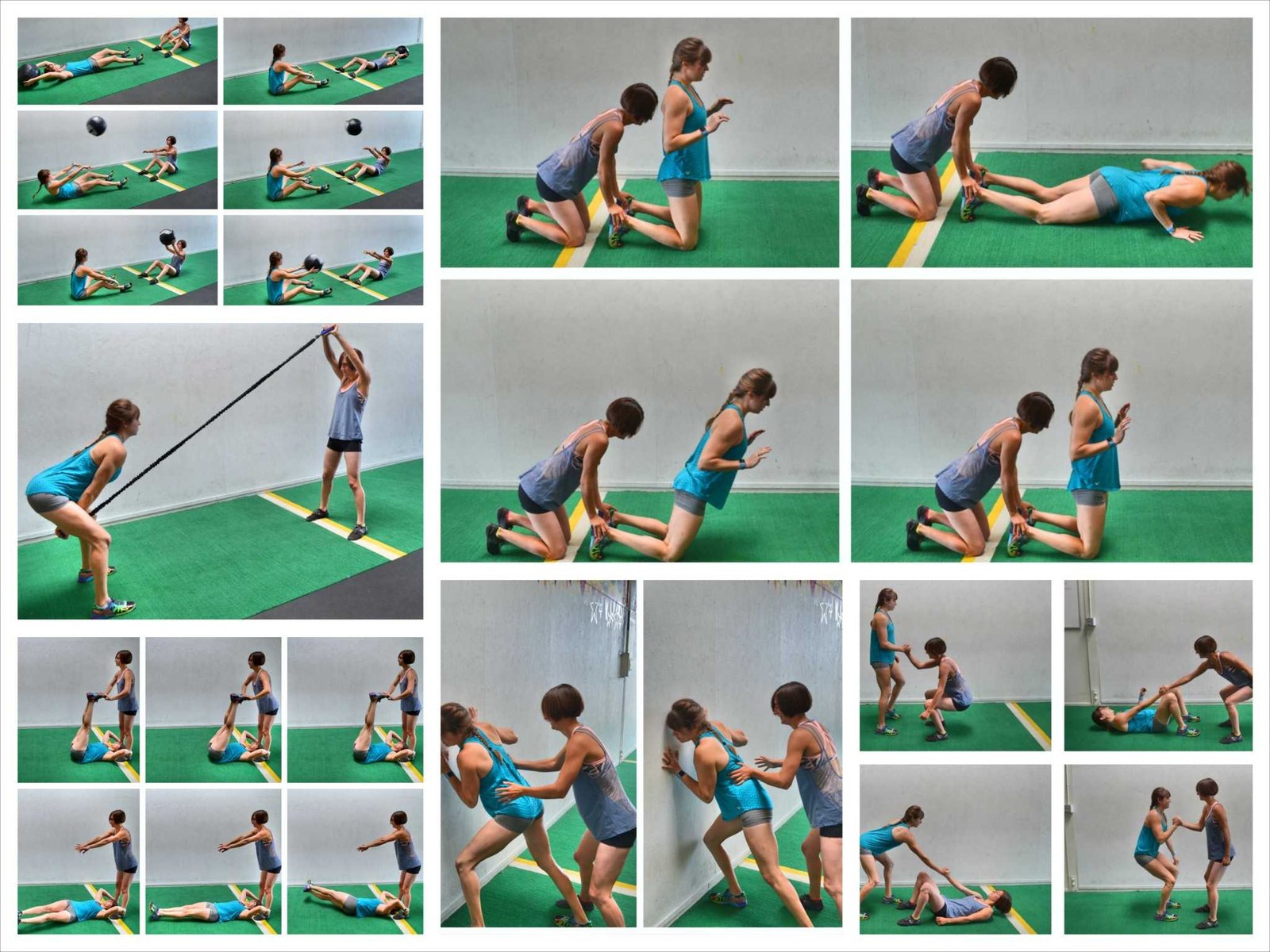
Partner workouts are a fun and effective way to stay motivated while exercising. They involve two people working together through exercises that often incorporate each other’s strength, balance, and support. These workouts not only boost your fitness but also strengthen your bond with your workout buddy, making exercise more enjoyable. Whether you’re training with a partner for motivation or to add variety to your routine, partner workouts can help improve your overall fitness level while keeping things engaging.
In short, partner workouts are exercise routines designed for two people that promote teamwork, accountability, and diverse training methods. They help make workouts more dynamic by integrating exercises that require cooperation and interaction. This approach can lead to better results and a more enjoyable fitness experience.
Diving into partner workouts is a great way to spice up your fitness journey. These routines are perfect whether you’re working out with a friend, partner, or family member, encouraging mutual support and pushing each other to reach new goals. From paired strength exercises to synchronized cardio, partner workouts offer a versatile approach that makes fitness less of a solo chore and more of a shared adventure.

What are Partner Workouts?
Partner workouts are exercise routines performed with a second person. These workouts involve two individuals working together, often sharing equipment or space. They are designed to be engaging, motivating, and often more enjoyable than working out alone.
By involving a partner, these exercises create a sense of teamwork and accountability. They encourage consistency and push both people to perform their best. Partner workouts can be adapted for all fitness levels, from beginners to advanced athletes.
Benefits of Partner Workouts
Increased Motivation
Working out with a partner makes exercise more fun. It encourages you to stick to your routine because you don’t want to let each other down. Having someone to share your progress keeps you motivated and accountable.
Enhanced Performance and Challenge
A partner can help push you beyond your usual limits. They can provide resistance, encouragement, and friendly competition. This often leads to better performance and faster results.
Support and Safety
During challenging exercises, a partner can offer support to prevent injury or assist with difficult movements. They can also help keep proper form, making workouts safer and more effective.
Types of Partner Workouts
Bodyweight Exercises
Many partner routines use just your body weight. Exercises like push-ups, planks, and sit-ups can be adapted to include a partner for increased difficulty or variety. For example, partner sit-ups can involve passing a ball to intensify the workout.
Resistance Training
Adding resistance bands or dumbbells can make partner workouts more challenging. Partners can provide resistance for each other during exercises like rows, squats, or presses. This promotes muscle engagement and strength building.
Cardio-Based Partner Activities
High-energy activities like partner relay races, tag, or circuit drills boost cardio fitness. These routines often involve quick movements and teamwork, making cardio sessions more engaging.
Popular Partner Workout Exercises
Partner Push-Ups
Partners face each other in a push-up position. They perform synchronized push-ups, clapping hands at the top or giving each other a tap. This enhances upper body strength and coordination.
Medicine Ball Passes
Standing or kneeling, partners pass a medicine ball back and forth. This exercise improves core strength, coordination, and arm power. Variations can include twisting or overhead passes.
Pair Squats
Partners stand back-to-back and squat together. They can pass a ball or hold hands while squatting. This promotes lower body strength and teamwork.
Plank Hand Taps
While holding a plank position, partners reach out and tap each other’s hands alternately. This works on core stability and shoulder strength. It also adds an element of balance to the routine.
How to Create Your Own Partner Workout
Set Clear Goals
Decide what you want to achieve, such as building strength, losing weight, or improving endurance. Clear goals help tailor exercises appropriately for both partners.
Choose Suitable Exercises
Select exercises that match your fitness levels and goals. Mix bodyweight moves, resistance exercises, and cardio activities for variety and comprehensive fitness.
Design the Routine
Create a balanced plan with warm-up, main workout, and cool-down phases. Include sets, repetitions, or time intervals for each exercise, and specify work-to-rest ratios to maintain intensity.
Incorporate Variety and Progression
Keep workouts interesting by adding variations or increasing difficulty over time. As fitness improves, increase reps, resistance, or complexity of exercises to keep challenging yourselves.
Tips for a Successful Partner Workout
- Communication is key: Always talk about your comfort, pace, and form.
- Practice proper form: To prevent injuries, focus on correct technique.
- Respect each other’s limits: Push yourselves, but don’t overdo it.
- Maintain a positive attitude: Support and encouragement boost motivation and enjoyment.
- Stay consistent: Regular workouts lead to better results and build routine.
Safety Considerations for Partner Workouts
Warm-Up and Cool-Down
Always start with a gentle warm-up to prepare your muscles and reduce injury risk. Finish with stretching during cool-down to promote flexibility and recovery.
Use Proper Equipment
Ensure all equipment, such as resistance bands or balls, are in good condition. Use appropriate weights to match your strength levels.
Know Your Limits
Listen to your body. If an exercise causes pain or discomfort, modify or skip it. Communicate openly with your partner about how you’re feeling.
Adopt Safe Technique
Learn correct form for each exercise, possibly consulting a trainer or reputable online sources. Proper technique prevents injuries and maximizes benefits.
Partner Workouts for Different Fitness Levels
Beginner-Friendly Exercises
- Seated partner marches
- Standing leg passes
- Easy planks with hand taps
Advanced Partner Exercises
- Jumping paired lunges
- Medicine ball slams with a partner
- Partner pull-ups or assisted chin-ups
Incorporating Partner Workouts into Your Routine
Schedule Regular Sessions
Set aside specific days and times for partner workouts to stay consistent. This helps establish a routine and keeps motivation high.
Mix It Up
Vary exercises and intensities to avoid plateaus. Incorporate different types of workouts to target various muscle groups and improve overall fitness.
Track Progress and Celebrate Achievements
Keep a workout journal or use apps to log your exercises and improvements. Celebrate milestones to stay motivated and committed.
Related Topics to Explore
Partner Yoga
This combines stretching, strength, and balance exercises, fostering both fitness and connection.
Group Partner Workouts
Workouts involving multiple pairs can add a fun, competitive element and foster a community environment.
At-Home Partner Workout Ideas
Many routines require minimal or no equipment and can be performed in your living room or backyard.
Partner workouts provide a dynamic way to stay fit, stay motivated, and enjoy the process of exercising with a friend or loved one. They help build strength, endurance, and trust while making workouts more enjoyable. Whether you’re just starting or looking to spice up your routine, partner exercises offer versatile options suitable for everyone.
Partner Workouts – 23 Partner Exercises
Frequently Asked Questions
How do partner workouts enhance motivation during exercise sessions?
Partner workouts encourage accountability and provide social support, which helps you stay committed to your fitness routine. Exercising with someone else makes sessions more enjoyable and pushes you to put in your best effort, reducing the chances of skipping workouts or losing focus.
What types of exercises are suitable for partner workouts?
Many exercises work well with a partner, including partner push-ups,medicine ball passes, resistance band exercises, and synchronized bodyweight movements like squats or planks. These activities promote cooperation and add variety to your workout routine.
How can partner workouts improve overall fitness and strength?
Partner workouts often incorporate resistance and dynamic movements that challenge both individuals simultaneously. This setup helps build muscle strength, endurance, and coordination as partners motivate each other to maintain proper form and push through challenging parts of the workout.
What safety precautions should I consider during partner exercises?
Ensure both partners communicate clearly before each movement, especially when lifting or applying resistance. Use appropriate equipment and warm up thoroughly to prevent injuries. Maintaining proper technique and being attentive to each other’s signals will keep the workout safe and effective.
Can partner workouts be tailored to different fitness levels?
Absolutely. You can modify exercises or adjust intensity to suit both participants’ abilities. For example, beginners can perform less challenging movements or reduce repetitions, while more experienced individuals can increase resistance or complexity. This flexibility makes partner workouts suitable for all fitness levels.
Final Thoughts
Partner workouts are exercises performed with a partner, making fitness more engaging and interactive. These sessions typically include activities that promote teamwork, motivation, and accountability. They can range from weightlifting routines to bodyweight exercises done simultaneously.
Engaging in partner workouts fosters communication and creates a sense of camaraderie. It encourages participants to push each other and maintain consistency in their fitness journey.
What are partner workouts? These are collaborative exercises designed to enhance motivation, enjoyment, and results through mutual support.
As an Amazon Associate, We earn from qualifying purchases. When you purchase a product through Amazon links on pulsefitguide.com, we may earn a small commission at no extra cost to you. This helps support the site and keep our content free.