

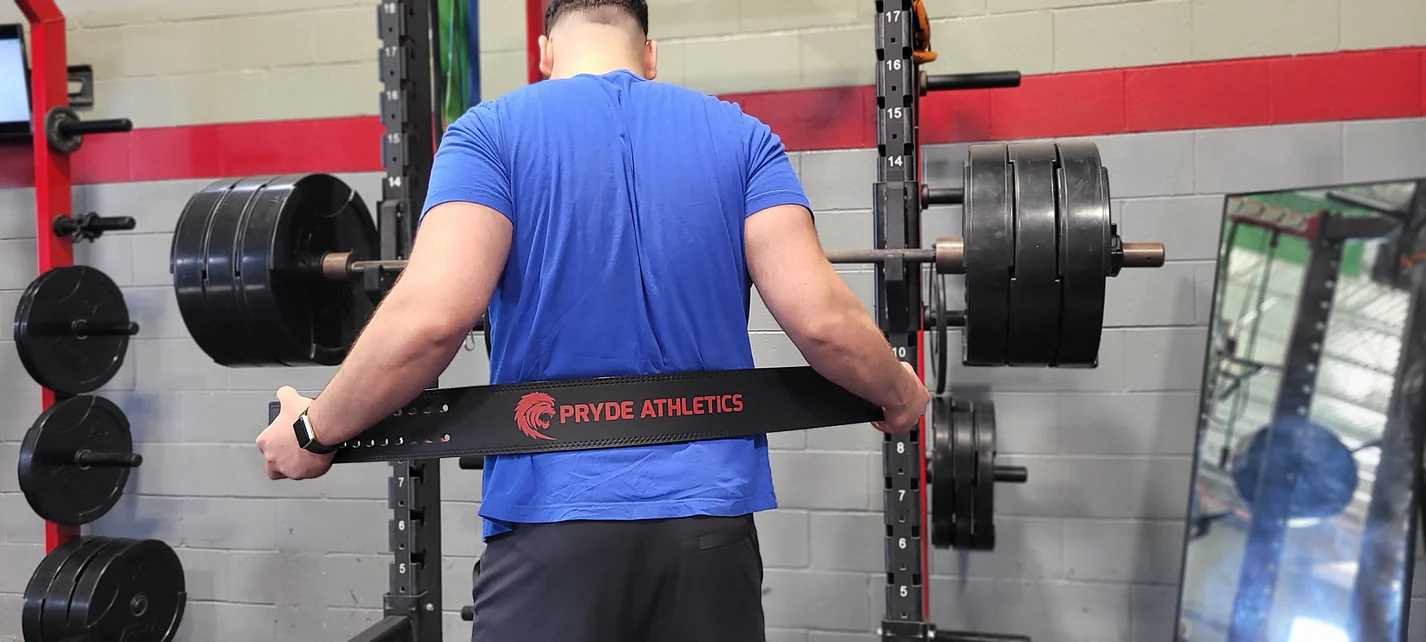
A good weightlifting belt can be your secret weapon in conquering heavy lifts safely and effectively. It offers core stability, supports your lower back, and helps you generate more power during intense strength sessions. Choosing the right belt can make a significant difference in your lifting performance and injury prevention.
In summary, a weightlifting belt for heavy strength training provides essential back support and improves intra-abdominal pressure, enabling safer and more efficient lifts. Selecting the proper belt depends on your training style and personal preferences, but investing in a quality belt is crucial for serious lifters pushing their limits.
When you’re training with heavy weights, your core plays a vital role in maintaining stability and transmitting force during lifts like squats, deadlifts, and overhead presses. A weightlifting belt is designed to help you brace your core more effectively, reducing the risk of injury and allowing you to lift more safely. As you progress into more intense and demanding workouts, the right belt can give you that extra edge to lift heavier and train more consistently. Whether you’re a seasoned athlete or a dedicated lifelong lifter, understanding the benefits and choosing the best belt for your needs will elevate your strength training to new heights.

Weightlifting Belt for Heavy Strength Training
What Is a Weightlifting Belt and Why Is It Important?
A weightlifting belt is a supportive accessory worn around the waist during heavy lifts. It helps stabilize your core and reduce the risk of injury when lifting very heavy weights. For those training in strength sports, a good belt can make a big difference in performance and safety.
How a Weightlifting Belt Works
The main function of a belt is to increase intra-abdominal pressure. This pressure acts like a natural brace, supporting your spine. When you tighten the belt, your core muscles engage more, giving you a solid foundation for lifts like squats and deadlifts.
Types of Weightlifting Belts
There are several kinds of belts designed for different needs. Understanding these can help you choose the right one for your training goals.
Leather Belts
Leather belts are the most popular and durable. They offer firm support and maintain shape over time. Many powerlifters prefer leather because of its reliable support.
Velcro Belts
These belts are easy to put on and adjust quickly. They are lightweight and often more affordable. However, they might not be as durable as leather options.
Polypropylene Belts
Made from synthetic material, these belts are lightweight and resistant to wear. They are good for beginners or those who lift lighter weights.
How to Choose the Right Weightlifting Belt
Picking the correct belt depends on your training level, comfort, and the type of lifts you perform.
Size and Fit
The belt should fit snugly around your waist without causing discomfort. Measure your waist before buying to ensure proper size.
Width and Thickness
Most belts are 4 inches wide around the whole waist. Thicker belts, such as 10mm, offer more support, while thinner belts like 6mm are more flexible.
Material Preferences
Choose a material based on comfort and durability. Leather belts are sturdy; Velcro belts are versatile; synthetic belts are lightweight.
Proper Use of a Weightlifting Belt
Using your belt correctly maximizes its benefits and reduces injury risk.
Timing the Belt Usage
Wear the belt during heavy lifts exceeding 80% of your one-rep max. For lighter exercises, a belt may not be necessary.
How Tight Should the Belt Be?
It should be tight enough to feel secure but not so tight that it restricts breathing or movement.
Positioning the Belt
Place the belt around your lower back and abdomen, covering your hips and waist area. Ensure it sits evenly and comfortably.
Benefits of Using a Weightlifting Belt
The advantages of wearing a belt include improved performance, better core stability, and injury prevention.
Enhanced Core Stability
A belt encourages proper bracing, activating core muscles to support your spine during lifts.
Increased Lifting Power
Many athletes notice they can lift heavier weights with a belt, thanks to improved intra-abdominal pressure.
Reduced Risk of Injury
Supporting the lower back helps prevent strains and hernias, especially when lifting near your maximum capacity.
Potential Drawbacks and Risks
While belts offer benefits, misuse can cause issues.
Over-Reliance on the Belt
Dependence might weaken core muscles over time if used excessively outside heavy lifts.
Improper Use
Wearing a belt too loose or too tight, or using it incorrectly, can negate its benefits or cause discomfort.
Integrating a Belt into Your Training Routine
Incorporate belt use gradually to avoid dependency and ensure proper technique.
Start with Technique
Focus on building core strength without a belt before adding support for very heavy lifts.
Use During Max Efforts
Wear the belt primarily when aiming for personal bests or lifting near your maximum weight.
Practice Proper Bracing
Learn how to brace your core properly with and without a belt for balanced strength development.
Related Topics to Consider
Understanding other equipment and training strategies can complement belt use.
- Proper Lifting Technique: Even with a belt, technique matters for safety and efficiency.
- Core Strengthening Exercises: Building core muscles reduces the need for a belt over time.
- Other Support Gear: Knee sleeves, wrist wraps, and lifting shoes also contribute to safe heavy lifting.
Maintenance and Care of Your Weightlifting Belt
Proper maintenance ensures your belt lasts and maintains its support quality.
Cleaning
Wipe down leather belts with a damp cloth regularly. Avoid soaking or using harsh chemicals.
Storage
Store in a cool, dry place away from direct sunlight. Hang or lay flat to prevent deformation.
Inspection for Damage
Check for fraying, tears, or worn-out areas. Replace the belt if it no longer provides support.
Cost and Budget Considerations
Quality belts come at different price points; investing wisely can enhance your training experience.
- Entry-Level Belts (50-100 USD):
Suitable for beginners, offering basic support.
- Mid-Range Belts (100-200 USD):
Provide better durability and comfort, ideal for regular lifters.
- High-End Belts (200+ USD):
Made from premium materials with custom features, favored by advanced athletes.
Summary of Key Factors in Choosing a Weightlifting Belt
| Factor | Details |
|---|---|
| Material | Leather, Velcro, Synthetic |
| Width | 4 inches standard, can vary |
| Thickness | 6mm to 13mm, thicker offers more support |
| Fit | Snug but comfortable, measure waist accurately |
| Usage | Primarily for heavy lifts or maximum effort exercises |
A well-chosen weightlifting belt is a valuable tool for training heavy. It provides support, boosts confidence, and helps prevent injury. Remember to use it correctly, combine it with good technique, and ensure it fits your body to maximize safety and performance during your strength journey.
Which Weightlifting Belt Should You Use?
Frequently Asked Questions
How should I choose the right size of a weightlifting belt for heavy training?
Choose a weightlifting belt that fits snugly around your waist without causing discomfort. Measure your waist circumference at the level where you plan to wear the belt, usually just above the hips. Refer to the manufacturer’s size chart to select the appropriate size, ensuring the belt provides sufficient support while allowing for natural breathing and movement.
What material is best for a heavy-duty weightlifting belt?
Leather belts are highly durable and contour well to the body, providing excellent support during heavy lifts. Alternatively, nylon or neoprene belts offer flexibility and comfort, making them suitable for extended use. Select a material based on your training intensity and personal preference for comfort and durability.
Can a weightlifting belt improve my performance during heavy lifts?
Wearing a weightlifting belt stabilizes your core and spine, which can help you lift heavier weights safely. It increases intra-abdominal pressure, providing additional support to your lower back. This added stability can enhance your confidence and potentially improve your lifting performance over time.
How long can I wear a weightlifting belt during a training session?
Use the belt primarily during maximal lifts or when performing exercises that place significant stress on your lower back. It’s advisable not to wear it constantly throughout your workout, as prolonged use can weaken core muscles. Remove the belt during warm-up, light sets, or when performing exercises that do not require extra support.
Are there specific features I should look for in a belt for heavy strength training?
Look for a belt with a secure, adjustable buckle that allows for a tight fit. A wider design in the back offers better support, and a thickness of around 10-13mm provides durability without restricting movement. Consider breathable materials or padding for comfort during extended lifting sessions.
Final Thoughts
Using a weightlifting belt for heavy strength training provides essential support and stability during lifts. It helps prevent injuries by maintaining proper core engagement and spinal alignment. Selecting the right belt ensures comfort and safety, especially during intense workouts.
Ultimately, investing in the right weightlifting belt for heavy strength training enhances performance and protects your body, making it an important addition to your training gear.
As an Amazon Associate, We earn from qualifying purchases. When you purchase a product through Amazon links on pulsefitguide.com, we may earn a small commission at no extra cost to you. This helps support the site and keep our content free.