

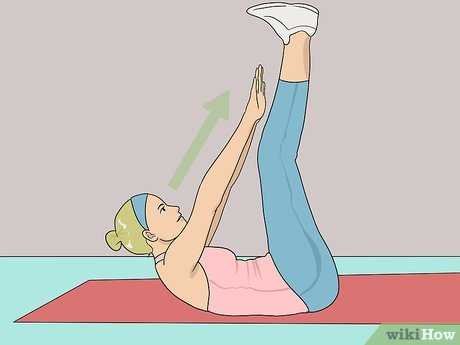
Vertical leg crunches are a fantastic way to target your upper abs and boost your core strength effectively. To perform this exercise correctly, lie flat on your back with your legs extended vertically and your arms crossed over your chest. Engage your abs and lift your shoulders off the ground towards your legs, then slowly lower back down. This move not only sculpts your abs but also improves stability and posture.
If you’re looking to strengthen your core with minimal equipment, vertical leg crunches are a perfect choice. They focus on the upper abdominal muscles by leveraging the elevation of your legs, making them more intense than traditional crunches. Incorporate this exercise into your routine to see faster results in your abdominal definition and overall core stability.
Struggling to find time for targeted ab exercises? Vertical leg crunches are quick, effective, and can be done anywhere, making them ideal for busy schedules. By lifting your legs straight up, you increase the resistance on your core muscles, which helps burn fat and build muscle more efficiently. Whether you’re aiming for a toned six-pack or just stronger abs, this exercise is a must-have in your fitness arsenal.

Vertical Leg Crunches Exercise: A Complete Guide to Strengthening Your Core
Understanding the Vertical Leg Crunches Exercise
Vertical leg crunches are a popular core workout that targets your abdominal muscles. This exercise involves lying flat on your back and lifting your legs straight up while crunching your upper body towards them. It helps in building stronger abs and improving overall core stability.
Why Include Vertical Leg Crunches in Your Workout Routine
Adding vertical leg crunches can enhance your abdominal strength more effectively than traditional crunches. This exercise engages your lower abs directly, which are often hard to target. Regular practice can lead to a flatter stomach and better posture.
Proper Technique for Vertical Leg Crunches
Starting Position
Lie flat on your back on a comfortable surface like an exercise mat. Keep your arms by your sides or gently behind your head for support.
Execution
Lift your legs so they form a 90-degree angle with your hips. Keep your knees slightly bent if needed for comfort. Contract your abdominal muscles and lift your upper body towards your legs. Avoid pulling on your neck with your hands.
Breathing Pattern
Exhale as you crunch up, focusing on engaging your abs. Inhale as you lower your upper body back to the starting position with control.
Common Mistakes to Avoid
- Pulling on the neck: Keep your hands light and avoid tugging your head forward.
- Using momentum: Focus on slow, controlled movements to maximize muscle engagement.
- Arching the back: Maintain contact with the floor to prevent strain on your lower back.
Benefits of Vertical Leg Crunches
Enhanced Abdominal Activation
This exercise activates both the upper and lower abdominal muscles more intensely than standard crunches. It helps in defining your core muscles better.
Improved Core Stability
A stronger core improves posture and balance, which benefits daily activities and sports performance.
Lower Back Support
Strengthening your abs can help reduce back pain by providing better spinal support.
Tips for Maximizing Results
- Consistent Practice: Incorporate vertical leg crunches into your routine at least three times a week.
- Engage Your Core: Focus on squeezing your abs throughout the movement, not just moving your upper body.
- Progress Gradually: Start with few repetitions and build up as your strength improves.
- Combine with Other Exercises: Integrate planks, leg raises, and other core workouts for a balanced routine.
Variations to Keep Your Workout Interesting
Weighted Vertical Leg Crunches
Hold a small weight or medicine ball on your chest to increase resistance. This makes the exercise more challenging and boosts muscle growth.
Bicycle Crunches
Add a twist by bringing opposite elbows to knees, combining vertical leg crunches with oblique targeting.
Leg Raise Crunches
Combine leg raises with crunches for a full abdominal workout, targeting both upper and lower abs simultaneously.
Incorporating Vertical Leg Crunches into Your Fitness Plan
To see effective results, include vertical leg crunches in a balanced workout schedule. Aim for 3 sets of 12 to 15 repetitions, adjusting based on your fitness level.
Equipment Needed for Vertical Leg Crunches
The great thing about this exercise is that it requires no equipment. Just a flat surface and an exercise mat or towel for comfort. For added challenge, you can use weights or resistance bands.
Safety Precautions to Consider
Always warm up before starting your core workout to prevent injuries. If you have neck or back issues, consult with a fitness professional or healthcare provider before performing vertical leg crunches.
Vertical leg crunches are a versatile and effective way to strengthen your core muscles. They target the lower abs directly and require minimal equipment, making them suitable for home workouts. Remember to focus on proper form and controlled movements for the best results.
Including vertical leg crunches regularly in your fitness routine can lead to a stronger, more toned abdomen and improved posture. Start slow, stay consistent, and enjoy the benefits of a healthier core. With dedication, you’ll notice progress in your abs and overall body strength over time.
How to Do Vertical Leg Crunches
Frequently Asked Questions
What are the key muscles targeted during vertical leg crunches?
Vertical leg crunches primarily engage the rectus abdominis, which is the muscle responsible for the appearance of the “six-pack.” They also activate the obliques to a lesser extent, especially when performed with controlled twists or variations. This exercise effectively strengthens and tones the front abdominal wall, enhancing core stability and posture.
How can I modify vertical leg crunches to make them easier or more challenging?
To adapt the exercise to your fitness level, you can adjust your leg position or hand placement. For an easier version, keep your knees slightly bent instead of fully straightening your legs. To increase difficulty, try adding movement limitations, such as holding a weight or extending your legs further, or perform the crunch more slowly to increase muscle engagement and control.
Are there common mistakes to avoid when doing vertical leg crunches?
Yes, many people tend to use momentum or pull on their neck, which can reduce effectiveness and cause strain. To perform the exercise correctly, focus on engaging your core muscles, avoid pulling your head forward, and lift your shoulders off the ground with controlled movement. Keep your lower back pressed into the floor to prevent arching and ensure proper form.
What are some benefits of adding vertical leg crunches to my workout routine?
Vertical leg crunches help strengthen your abdominal muscles, improve core stability, and enhance overall posture. They also aid in developing a flatter stomach and can assist in supporting lower-back health when performed with proper form. Incorporating this exercise regularly can contribute to better balance and functional strength.
How often should I perform vertical leg crunches for optimal results?
For noticeable improvements, aim to include vertical leg crunches in your routine 2 to 3 times per week. Allow at least one day of rest between sessions to facilitate muscle recovery. Focus on quality over quantity, performing 2-3 sets of 12-15 controlled reps to maximize effectiveness and reduce the risk of injury.
Final Thoughts
The vertical leg crunches exercise effectively targets the abdominal muscles, helping to build core strength. Its straightforward movement makes it suitable for all fitness levels. Incorporating this exercise into your routine can enhance overall stability and support your fitness goals. Remember, consistency is key to seeing results.
As an Amazon Associate, We earn from qualifying purchases. When you purchase a product through Amazon links on pulsefitguide.com, we may earn a small commission at no extra cost to you. This helps support the site and keep our content free.