

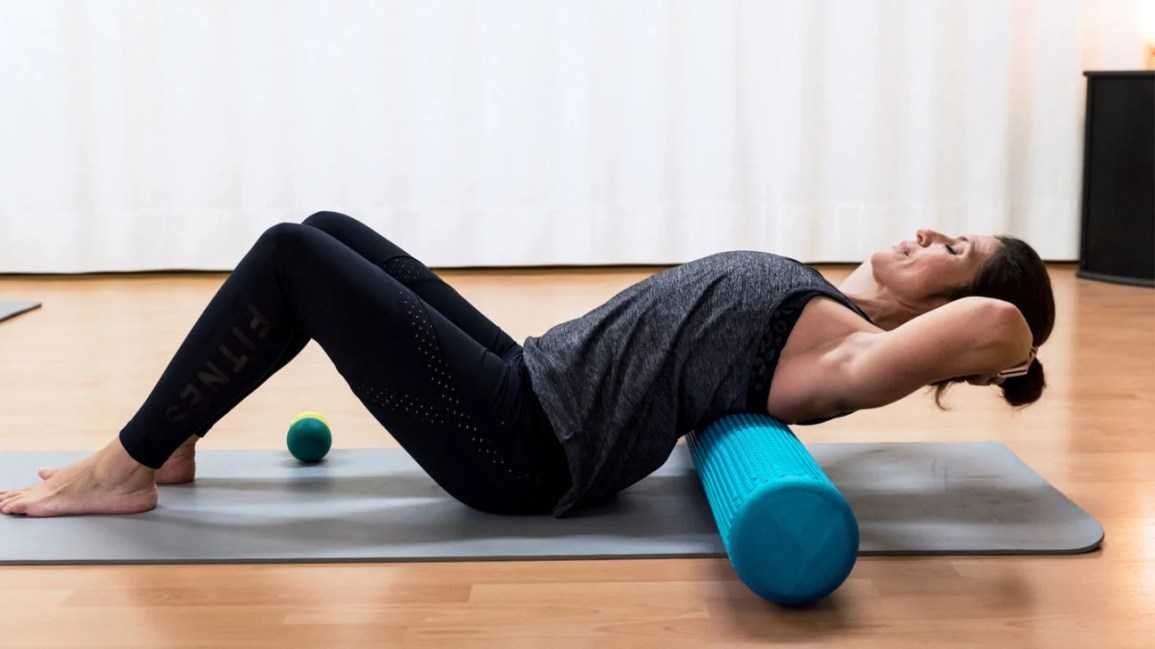
Using foam rollers is a highly effective way to ease muscle tightness and improve flexibility. They work by applying pressure to trigger points in your muscles, helping to release knots and promote blood flow. In just a few minutes a day, foam rolling can make a noticeable difference in reducing discomfort and preventing injuries.
Foam rollers are simple, affordable tools that you can incorporate easily into your fitness or recovery routine. Whether you’re an athlete or someone who spends long hours sitting at a desk, using a foam roller can help you relax tense muscles and enhance overall mobility. In this article, we’ll explore how to use foam rollers effectively to release muscle tension and improve your physical well-being.

Using foam rollers to release muscle tension
Foam rolling is a popular technique used by many to help ease muscle tightness and soreness. It offers a simple way to improve flexibility and reduce the risk of injury. This method works by applying pressure to specific areas of your body, which helps release stored tension.
What is foam rolling and how does it work?
Foam rolling involves using a cylindrical foam tube to apply pressure to muscles and fascia. Fascia is the connective tissue that surrounds muscles and helps hold everything in place. When muscles are tight or overused, fascia can become stiff and restricted. Foam rolling helps break down this tension and increases blood flow to the area.
During foam rolling, the pressure causes tiny tears in the muscle tissue, which stimulates repair and recovery. At the same time, rolling helps to stretch the fascia and loosen muscles, leading to improved mobility. This process is similar to self-massage, but it reaches deeper layers of tissue.
Benefits of foam rolling for muscle tension relief
- Reduces muscle soreness after exercise
- Enhances flexibility and range of motion
- Improves blood circulation to muscles
- Prevents injuries caused by muscle tightness
- Speeds up recovery time after workouts
- Relieves stress and promotes relaxation
Choosing the right foam roller
Selecting the appropriate foam roller is essential for effective muscle release. Foam rollers come in various densities and sizes to suit different needs. Softer rollers are gentle and suitable for beginners or sensitive areas. Firmer rollers apply more pressure and are ideal for experienced users or tougher muscle groups.
Size matters too. Smaller rollers are good for targeting specific regions, while larger rollers cover more surface area. Consider your body size and the area you want to treat when choosing your foam roller.
Types of foam rollers
- Basic foam rollers: Soft, affordable, and great for beginners.
- Grid foam rollers: Textured surface for deeper tissue massage.
- Vibrating foam rollers: Use vibrations to enhance muscle relaxation.
- Contoured foam rollers: Designed to fit body curves, offering targeted release.
How to properly use a foam roller
Start by identifying the muscles that feel tight or sore. Place the foam roller under the muscle group and slowly roll back and forth. Apply steady pressure, but avoid causing pain—discomfort is normal, but sharp pain is a sign to lessen pressure.
Roll for about 30 seconds to 1 minute on each area. Focus on tender spots, but don’t spend too long on one spot to prevent bruising. Remember to breathe deeply, which helps relax muscles and enhances effectiveness.
Basic foam rolling technique
- Position your body so the targeted muscle is on the foam roller.
- Use your hands or feet to support your weight.
- Slowly roll over the muscle, stopping at tender points.
- Maintain pressure for 20 to 30 seconds, then move on.
Common areas to target with foam rolling
Some muscle groups tend to hold the most tension and benefit from foam rolling. These include:
| Muscle Group | Why Foam Roll |
|---|---|
| Quadriceps | Relieves thigh tightness after running or cycling |
| Hamstrings | Prevents lower back pain and improves flexibility |
| Calves | Reduces soreness after walking or jumping |
| Glutes | Alleviates hip tightness and sciatic discomfort |
| Upper back and shoulders | Relieves tension from sitting or stress |
| IT Band | Helps with knee pain and tightness along the outer thigh |
Tips for effective foam rolling
Consistency is key. Incorporate foam rolling into your routine several times a week for best results. Always warm up your muscles before rolling, perhaps with light activity or stretching. Stay hydrated to help muscles recover and reduce soreness.
Pay attention to your body’s response. If something feels painful or uncomfortable, adjust your pressure or skip the area. Focus on gentle, controlled movements rather than rushing through the process.
Precautions and when to avoid foam rolling
- If you have recent injuries or fractures, consult a healthcare professional before using a foam roller.
- Avoid rolling over joints, bones, or inflamed areas.
- If you experience sharp or persistent pain, stop immediately and seek medical advice.
- Pregnant women should seek guidance on safe spots to target and pressure levels.
Incorporating foam rolling into a fitness routine
Foam rolling can be used as part of your warm-up or cool-down. Rolling before exercise helps prepare muscles for activity. Conversely, rolling after workouts can reduce soreness and aid recovery.
You can also include foam rolling in your daily stretching routine. Combining it with yoga or mobility exercises enhances flexibility and overall movement quality. Using foam rollers regularly can lead to longer-lasting muscle health and fewer tightness issues.
Additional methods to enhance muscle tension relief
While foam rolling is highly effective, combining it with other techniques can boost results. Consider adding:
- Stretching exercises for improved flexibility
- Massage therapy for targeted relief
- Hydration and proper nutrition to support recovery
- Rest days to allow muscles to heal
Maintaining your foam roller
To ensure your foam roller remains effective, clean it regularly with mild soap and water. Store it in a cool, dry place away from direct sunlight. Replacing your foam roller every year or so is advisable if it becomes worn or loses its firmness.
By choosing the right foam roller, using proper technique, and integrating it regularly into your routine, you can enjoy relief from muscle tension and improved mobility. Stay consistent, listen to your body, and make foam rolling a key part of your self-care practices.
How To Foam Roll Your Lower Back The RIGHT Way! [BETTER RESULTS]
Frequently Asked Questions
What are the best techniques for using a foam roller to target different muscle groups?
To effectively target various muscles with a foam roller, start by applying gentle pressure and gradually increase as your muscles loosen. For larger areas like your thighs and back, use long, slow rolls along the length of the muscle, pausing on tender spots. For smaller or more specific muscles, such as calves or shoulders, use shorter, controlled movements with more focused pressure. Always maintain good posture and avoid rolling directly over joints or bones to prevent discomfort or injury.
How often should I incorporate foam rolling into my routine for muscle relief?
Incorporating foam rolling into your routine two to three times a week works well for most individuals. If you experience tightness or soreness, you can perform foam rolling more frequently, such as daily, for short sessions. Listen to your body and avoid overdoing it, especially if you feel pain or significant discomfort. Consistency is key to gradually improving flexibility and reducing muscle tension over time.
What precautions should I take when using a foam roller to prevent injuries?
Always start with light pressure and gradually increase as your muscles become accustomed to the sensation. Avoid rolling over bony areas, joints, or inflamed tissues, as this can cause discomfort or injury. If you have existing injuries or chronic conditions, consult with a healthcare professional before beginning foam rolling. Be attentive to your body’s signals; if a movement causes pain, stop immediately and adjust your technique or pressure.
Can foam rolling help with post-exercise recovery, and how does it work?
Yes, foam rolling can assist in post-exercise recovery by improving circulation and reducing muscle soreness. The pressure from the roller helps break up adhesions and stimulates blood flow, which delivers nutrients and removes waste products from muscles. This process can decrease stiffness and promote quicker recovery, allowing you to return to training with less discomfort.
Is it necessary to hydrate after foam rolling, and why?
Hydrating after foam rolling supports effective recovery by replenishing fluids lost during exercise and facilitating muscle repair. Drinking water helps flush out toxins released during myofascial release, reducing soreness and promoting overall muscle health. Make hydration a part of your post-rolling routine to maximize benefits and maintain optimal muscle function.
Final Thoughts
Using foam rollers to release muscle tension provides an effective way to improve mobility and reduce discomfort. Regular use helps break down adhesions and promotes better blood flow to sore areas. Incorporating this practice into your routine can enhance overall recovery and performance. Ultimately, foam rolling is a simple, accessible tool to keep muscles relaxed and healthy.
As an Amazon Associate, We earn from qualifying purchases. When you purchase a product through Amazon links on pulsefitguide.com, we may earn a small commission at no extra cost to you. This helps support the site and keep our content free.