

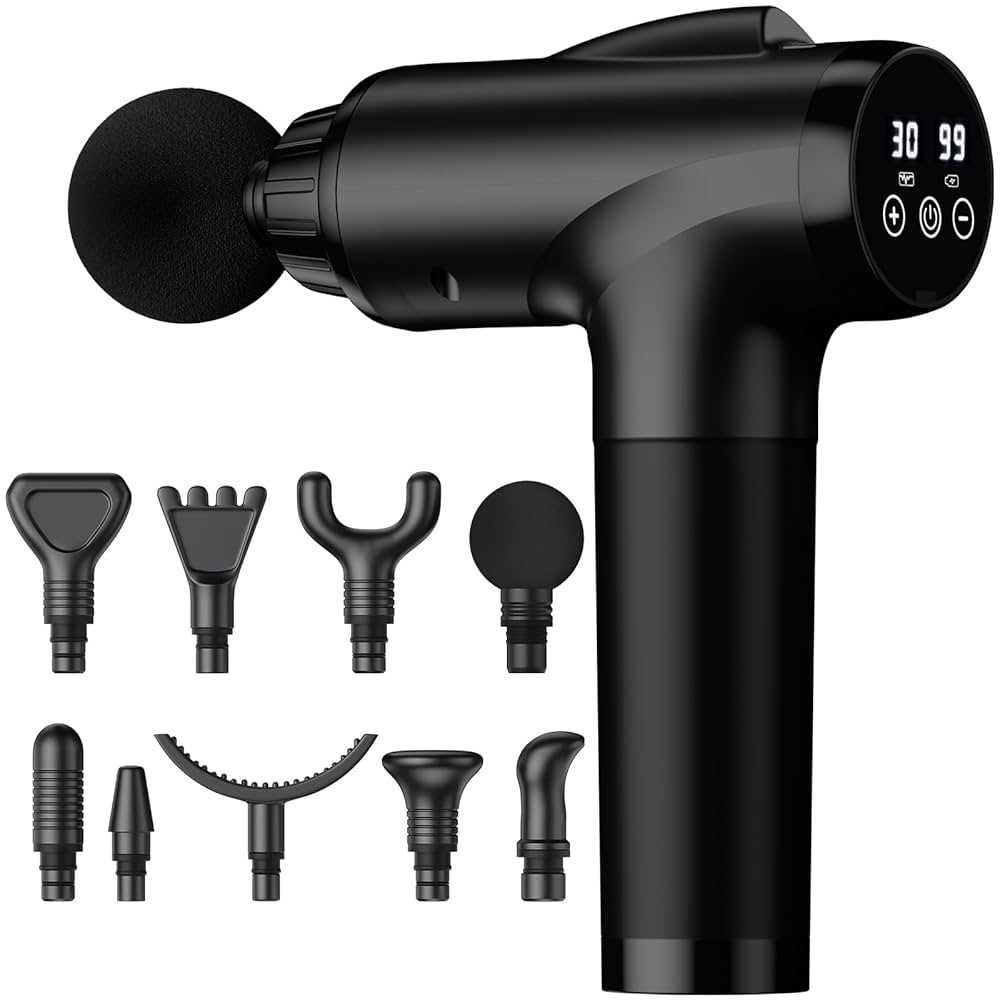
Using a massage gun is an effective way to target deep muscle knots and speed up recovery after a workout. It delivers rapid, percussive pulses that loosen tight tissues and improve circulation, providing quick relief from soreness. If used correctly, it can be a game-changer in managing muscle tension and enhancing overall flexibility.
In brief, a massage gun helps break down adhesions and reduce muscle stiffness by applying deep, targeted vibrations. It’s a convenient, non-invasive tool that can be used at home to promote muscle healing and prevent injuries. When used properly, it offers immediate comfort and long-term benefits for muscle health.
Tackling deep tissue pain can feel overwhelming, especially when muscle knots and soreness refuse to go away after stretching or foam rolling. Fortunately, a massage gun can be your best friend in these situations, delivering percussive therapy directly to affected areas. This device uses rapid, targeted pulses that penetrate deep into the muscle layers, helping to release tension, improve blood flow, and accelerate recovery. Whether you’re an athlete, someone with chronic pain, or simply looking for a way to unwind after a long day, incorporating a massage gun into your routine can make a significant difference. Not only does it provide immediate relief, but it also supports long-term muscle health by reducing scar tissue and preventing future tightness. With consistent use, it becomes a powerful tool for maintaining flexibility and easing deep muscle discomfort.

Using a Massage Gun for Deep Tissue Relief
Understanding Deep Tissue Massage and Its Benefits
Deep tissue massage targets the inner layers of muscles and connective tissues. It helps reduce chronic muscle pain, stiffness, and tension that regular massages might not reach. Many athletes and active individuals use deep tissue massage to recover faster and prevent injuries.
Using a massage gun is an effective way to deliver this type of massage at home. It applies rapid, targeted pulses to specific muscles, helping to break up knots and improve blood flow. Regular use can lead to better flexibility and less discomfort after workouts.
How a Massage Gun Works
A massage gun uses a motor to drive a reciprocating or oscillating head that moves rapidly back and forth. This movement creates percussive therapy. The gun’s intensity and speed can usually be adjusted to match personal comfort levels.
The primary mechanism behind the deep tissue effect is the vibration that penetrates deep into muscle layers. This vibration helps loosen tight muscles and fascia, the connective tissue around muscles. By doing so, it relieves pain and promotes quicker healing.
Key Features to Look for in a Massage Gun
Choosing the right massage gun makes a big difference in effectiveness and comfort. Some important features include:
- Adjustable Speed and Intensity: Allows personalized treatment for different muscle groups and pain levels.
- Interchangeable Heads: Provides versatility for targeting various muscle areas like shoulders, legs, or back.
- Battery Life: Longer battery life ensures longer sessions without frequent recharging.
- Portability: Compact, lightweight models are easier to carry during travel or outdoor activities.
A high-quality device will also be quieter and durable, ensuring consistent performance over time. Consider reading reviews and comparing brands to find the best fit for your needs.
Using a Massage Gun Safely
Safety is essential when using a massage gun for deep tissue relief. Always start at the lowest setting to gauge your comfort level. Avoid using the device directly over bones, joints, or areas with skin infections or wounds.
Limit sessions to about ten minutes per muscle group. Excessive use can cause soreness or bruising. If you experience sharp pain or discomfort, stop immediately and consult a healthcare professional.
Targeted Areas for Deep Tissue Relief with a Massage Gun
Certain muscles benefit most from deep tissue massage techniques. Focus on areas such as:
- Neck and Shoulders: Relieves tension caused by poor posture or stress.
- Back Muscles: Easier than traditional massage, especially for lower back pain.
- Hamstrings and Quadriceps: Helps reduce tightness after running or cycling.
- Calves: Improves circulation and eases soreness from standing or walking.
Using the massage gun on these areas can significantly decrease muscle knots and increase blood flow, helping muscles recover faster.
Techniques for Effective Deep Tissue Relief
Applying proper technique enhances the benefits of deep tissue massage. Some tips include:
- Start with gentle pressure to warm up the muscles.
- Slowly increase intensity as you feel comfortable.
- Maintain contact with the muscle while moving the device in circular or longitudinal motions.
- Spend about two minutes on each muscle group, focusing on tight or tender spots.
- Use slow, deliberate strokes to penetrate deep tissues without causing pain.
Remember to breathe deeply and relax during the session, allowing your muscles to respond better to the treatment.
Integrating Massage Gun Sessions into Your Routine
Consistency yields the best results. Incorporate deep tissue massage with your regular fitness or recovery routine. Use the massage gun after workouts to soothe sore muscles or before bed to relax tense areas.
For ongoing relief, dedicate sessions on rest days or during stretching routines. Combining massage therapy with hydration, stretching, and proper nutrition boosts recovery and prevents future injuries.
Additional Tips for Maximizing Deep Tissue Relief
– Stay Hydrated: Water helps flush out toxins released during massage sessions.
– Stretch After Massage: Improves flexibility and maintains the benefits of muscle relaxation.
– Listen to Your Body: Adjust speed and pressure based on how your muscles respond.
– Consult Professionals: If you have underlying health conditions or persistent pain, seek advice before using a massage gun.
Related Topics to Explore
Besides using a massage gun, consider exploring:
- Foam Rolling for Deep Tissue Work: A manual alternative to enhance flexibility and reduce soreness.
- Stretching Techniques: Targeted stretches complement massage therapy for optimal recovery.
- Post-Workout Recovery Strategies: Combining nutrition, sleep, and massage for best results.
Employing a massage gun for deep tissue relief offers a convenient and effective way to alleviate muscle pain, improve flexibility, and support recovery. Proper selection, safe usage techniques, and regular sessions can make a significant difference in your overall muscle health. Whether you’re an athlete or someone who experiences daily stiffness, integrating deep tissue massage into your routine helps maintain comfort and mobility.
UltraGun – A Powerful Massage Gun | UltraCare PRO
Frequently Asked Questions
How can I effectively target tight muscles with a massage gun?
To effectively target tight muscles, start by selecting the appropriate attachment and setting for deep tissue work. Apply the massage gun directly to the area, moving slowly and steadily to allow the device to penetrate deep layers. Focus on tender spots or knots, applying gentle pressure and gradually increasing intensity as your comfort allows. Consistent, controlled use helps loosen tension and improve flexibility over time.
What is the recommended duration for using a massage gun on deep tissues?
For deep tissue relief, it is best to limit each session to about 1 to 2 minutes per muscle group. Overusing the device can cause discomfort or bruising. Keep sessions brief initially, then gradually increase duration if needed. Be attentive to your body’s response and avoid applying excessive pressure to prevent strain or injury.
Are there specific techniques for using a massage gun to alleviate chronic muscle pain?
Yes. Focus on slow, deliberate passes over the affected areas, targeting muscles that experience chronic pain or tightness. Use the device on tender spots for shorter periods, applying moderate pressure. Combine the massage with gentle stretching afterward to enhance relief. Regular use, along with proper hydration, can help reduce ongoing discomfort and improve muscle health.
Can I incorporate a massage gun into my post-workout routine for better recovery?
Absolutely. Using a massage gun after exercise helps reduce lactic acid build-up, decreases muscle soreness, and promotes blood flow. Apply it to major muscle groups that you have engaged during your workout, moving steadily and covering all relevant areas. This can accelerate recovery and prepare your muscles for future activity.
Are there any precautions I should take when using a massage gun on deep tissues?
Always start with lower intensity settings and shorter sessions to gauge your body’s response. Avoid using the device on swollen, bruised, or injured areas, and consult a healthcare professional if you have underlying health conditions. Do not press excessively hard; let the device do the work. If you experience pain or discomfort, discontinue use and seek advice from a medical expert.
Final Thoughts
Using a massage gun for deep tissue relief provides targeted muscle relaxation and reduces soreness efficiently. It enhances blood flow, speeding up recovery and easing tension in tight muscles. Incorporating it into your regular routine can improve overall muscle health and prevent injury.
By applying the massage gun correctly, you can experience immediate relief and long-term benefits, making it a valuable tool for anyone seeking effective muscle care. Remember to follow safety guidelines for optimal results. Using a massage gun for deep tissue relief proves to be a practical solution for aching muscles.
As an Amazon Associate, We earn from qualifying purchases. When you purchase a product through Amazon links on pulsefitguide.com, we may earn a small commission at no extra cost to you. This helps support the site and keep our content free.