
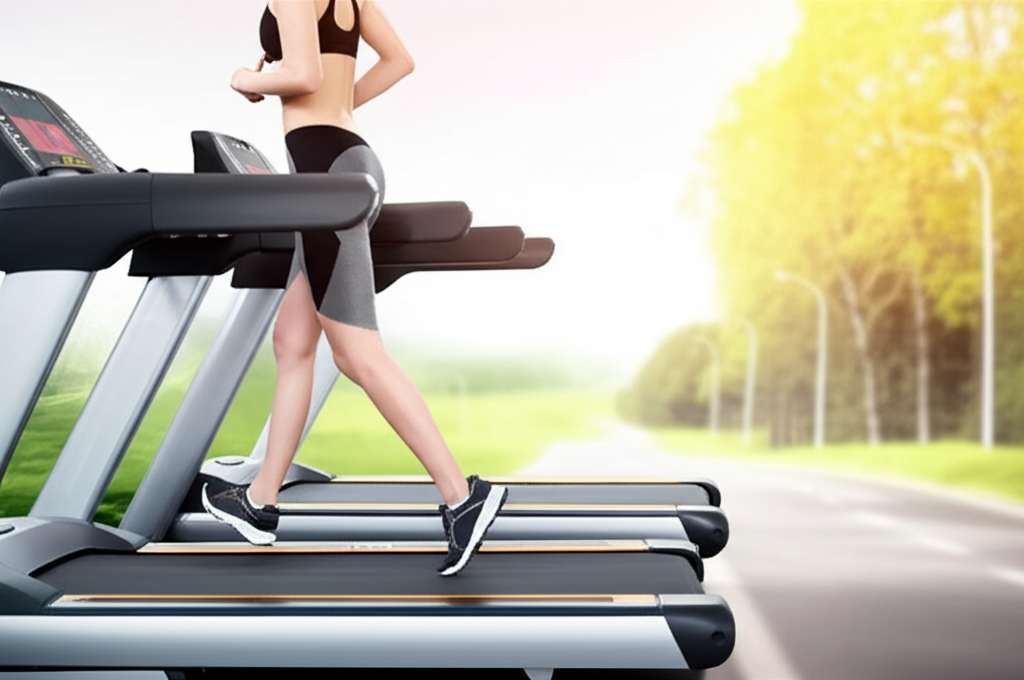
Treadmill vs. outdoor running for beginners? Both are great for starting! Treadmills offer controlled environments for consistency, while outdoor running provides fresh air and varied terrain. The best choice depends on your goals, preferences, and access. Start with what feels most comfortable and achievable for you.
Deciding how to start your running journey can feel a bit overwhelming, right? You see people running everywhere, and you wonder, “Where do I even begin?” One of the first big questions many beginners ask is about the running location: should I use a treadmill or head outside?

It’s a common point of confusion, and the truth is, there’s no single “right” answer for everyone. Both options have their own unique benefits and challenges. But don’t worry, we’re going to break it all down in a simple, step-by-step way so you can make the best decision for you.
We’ll explore the pros and cons of each, look at how they stack up for beginners, and help you figure out which path will lead to your running success. Ready to lace up and find your stride?
Treadmill vs. Outdoor Running For Beginners: A Clear Choice
Starting a new fitness routine, especially running, is a fantastic step towards a healthier you! As a beginner, the most important thing is to find a way to run that you enjoy and can stick with. This is where the treadmill vs. outdoor running debate comes in. Let’s get a clear picture of what each offers so you can confidently choose your starting point.
Think of this as your personal coaching session, designed to make this decision as easy and stress-free as possible. We’ll cover everything you need to know without any confusing jargon. By the end, you’ll feel ready to hit the ground (or belt!) running.
Understanding the Treadmill Experience
The treadmill is like your personal, indoor running track. It’s a machine designed to mimic outdoor running, but with some key differences. For beginners, it offers a very controlled environment, which can be a huge advantage when you’re just starting out and building your confidence and endurance.
You have complete control over speed, incline, and even the weather! This predictability can be incredibly helpful when you’re learning to pace yourself and avoid overexertion. Plus, it’s always accessible, rain or shine, day or night, making it a super convenient option.
Pros of Treadmill Running for Beginners
- Controlled Environment: You can set the exact speed and incline, allowing you to gradually increase the challenge as you get fitter. This is perfect for building a consistent running routine without unexpected difficulties.
- Weather Independent: No matter if it’s pouring rain, scorching hot, or freezing cold outside, your treadmill is always ready to go. This eliminates excuses and ensures you can stick to your schedule.
- Impact Reduction: Most modern treadmills have cushioned decks designed to absorb shock. This can be gentler on your joints, which is a big plus for beginners or those with previous injuries.
- Built-in Metrics: Treadmills track distance, time, speed, and calories burned, providing instant feedback on your workout. This data can be motivating and help you see your progress.
- Safety: You’re running in a safe, familiar environment, free from traffic, uneven surfaces, or potential hazards you might encounter outdoors.
Cons of Treadmill Running for Beginners
- Monotony: Running in the same spot can become boring for some people. The lack of changing scenery can make workouts feel longer.
- Less Natural Gait: The moving belt can slightly alter your natural running stride. Your body doesn’t have to work as hard to propel itself forward compared to outdoor running.
- Cost and Space: Treadmills can be expensive and take up significant space in your home. If you’re using one at a gym, there might be membership fees.
- No Varied Terrain: You miss out on the benefits of running on different surfaces like trails, grass, or hills, which can help build different muscle groups and improve balance.
- Potential for Over-Reliance: Some beginners might become too dependent on the treadmill’s consistent pace, finding it harder to run at a consistent pace outdoors.
Exploring the Outdoor Running Experience
Hitting the pavement, trails, or even a park path offers a completely different running experience. Outdoor running connects you with your surroundings, providing a dynamic and engaging workout that engages more of your body and mind.
It’s an adventure every time you step out! The changing scenery, fresh air, and the feel of different surfaces can make running feel more exciting and less like a chore. Plus, it’s a fantastic way to explore your local area and get some much-needed vitamin D.
Pros of Outdoor Running for Beginners
- Engaging and Scenic: Running outdoors allows you to experience new places, enjoy nature, and see the world around you. This can make workouts more mentally stimulating and enjoyable.
- Full Body Workout: Your body works harder outdoors to adapt to different terrains, inclines, and wind resistance. This can lead to better overall strength, balance, and coordination.
- Natural Gait: Running on natural surfaces helps you develop a more natural and efficient running form, as your body has to react to the ground beneath you.
- Cost-Effective: Once you have a good pair of running shoes, outdoor running is essentially free! No gym memberships or expensive equipment are required.
- Mental Health Benefits: Studies show that spending time in nature and exercising outdoors can significantly reduce stress, anxiety, and improve mood. A great bonus for overall well-being.
Cons of Outdoor Running for Beginners
- Weather Dependent: Unpredictable weather can force you to skip a run. Extreme heat, cold, rain, or snow can make outdoor running uncomfortable or even dangerous.
- Uneven Surfaces: Sidewalks, trails, and roads can have potholes, cracks, or roots that pose a tripping hazard. This requires more focus and can increase the risk of ankle sprains.
- Traffic and Safety Concerns: Running near roads requires awareness of traffic. Navigating busy areas or running in the dark can raise safety concerns for some beginners.
- Pacing Challenges: It can be harder to maintain a consistent pace outdoors due to wind, hills, and varied terrain. This might be frustrating for beginners trying to track their progress.
- Air Quality: Depending on your location, air pollution can be a concern, especially in urban areas.
Treadmill vs. Outdoor Running: A Direct Comparison for Beginners
When you’re just starting out, the differences between treadmill and outdoor running can seem significant. Let’s put them side-by-side to see how they compare across key factors important for beginners.
This comparison table will help you visualize the strengths of each option for someone new to running. It’s all about finding the best fit for your current needs and preferences.
| Feature | Treadmill Running | Outdoor Running |
|---|---|---|
| Control & Consistency | High. Perfect pace, incline, and distance control. | Low. Varies with terrain, weather, and effort. |
| Impact on Joints | Lower due to cushioned deck. | Higher, but varies greatly with surface (roads are harder than trails). |
| Weather Dependency | None. Run anytime, anywhere indoors. | High. Can be impacted by rain, heat, cold, snow. |
| Cost | Can be high (machine cost, gym membership). | Low (primarily running shoes). |
| Motivation & Enjoyment | Can be monotonous for some; requires self-discipline. | High engagement with scenery; more varied and exciting for many. |
| Muscle Engagement & Gait | May lead to less natural gait; less varied muscle use. | Promotes natural gait; engages more stabilizing muscles and varied muscle groups. |
| Safety | High (controlled environment). | Moderate (requires awareness of traffic, terrain, and surroundings). |
| Convenience | Very high (always accessible at home or gym). | Requires leaving home; depends on available routes. |
Which is Better for Your First Steps?
For many beginners, the treadmill often presents a slightly easier entry point into running. The ability to control every variable – speed, incline, and the lack of external distractions – can be incredibly reassuring when you’re just learning to build your running endurance and confidence.
You can focus purely on your breathing, stride, and how your body feels without worrying about tripping, traffic, or getting lost. This controlled environment helps you gradually build up your running time and distance safely. Think of it as training wheels for your running journey!
However, if you crave fresh air and scenery, and you have safe, accessible outdoor routes, don’t be afraid to start there! The key is to choose what makes you feel most excited and least intimidated to get out there and move.
Making Your Choice: Key Factors for Beginners
Choosing between a treadmill and outdoor running isn’t just about picking a location; it’s about setting yourself up for success. Let’s look at the practical things you should consider as a beginner to make the best choice for your unique situation.
Your personal preferences, available resources, and even your immediate environment play a big role. We’ll guide you through these considerations so you can feel confident in your decision.
Consider Your Environment and Access
What does your world look like? If you live in a bustling city with heavy traffic and limited safe sidewalks, a treadmill might offer a much safer and more convenient starting point. On the other hand, if you live near a beautiful park or quiet, well-maintained paths, outdoor running becomes a much more appealing and accessible option.
Think about what’s readily available to you. Do you have a gym membership with access to treadmills? Or do you have a safe, flat park or quiet street right outside your door? Your answer here can heavily influence your decision.
Assess Your Motivation and Personality
Are you someone who thrives on variety and needs changing scenery to stay engaged? If so, outdoor running might be more motivating for you. The sights, sounds, and fresh air can make your runs feel less like a workout and more like an exploration.
Conversely, if you prefer structure, predictability, and the ability to focus solely on your physical effort without external distractions, a treadmill could be a better fit. The controlled environment allows you to zone in on your performance and progress without unexpected interruptions.
Think About Your Goals
Are you training for a specific outdoor race, like a 5K or 10K? In that case, you’ll eventually want to spend time running outdoors to get used to varied terrain and conditions. However, a treadmill can be an excellent tool for building your initial base fitness before you transition more heavily outdoors.
If your primary goal is general fitness, weight management, or improving cardiovascular health, both options are effective. The best goal is the one you can consistently work towards, so choose the method that helps you achieve that consistency.
Budget and Resources
As mentioned, treadmills can be a significant investment. If buying a treadmill isn’t feasible, consider if you have access to a gym or community center with one. Outdoor running, on the other hand, is very budget-friendly. Your main expense will be a good pair of running shoes, which are essential for both options.
Don’t let cost be a barrier! Many community centers offer affordable gym access, and walking or jogging in a local park is completely free. Focus on what you can manage sustainably.
Getting Started: Tips for Treadmill Runners
So, you’ve decided the treadmill is your starting point? Great! Here’s how to make your treadmill runs effective, enjoyable, and safe, especially for beginners.
The key is to use the treadmill’s features to your advantage and to make your workouts engaging. We’ll walk through how to set it up for success.
Setting Up Your Treadmill Workout
- Start Slow: Begin with a brisk walk for 5-10 minutes to warm up. This prepares your muscles and heart for exercise.
- Gradual Progression: For your first few runs, aim for a comfortable jogging pace. If you’re unsure, start with the treadmill’s pre-set “beginner” or “walk/jog” programs.
- Incline for Variety: Once you’re comfortable with a flat surface, start incorporating a slight incline (1-2%). This mimics outdoor running more closely and engages different muscles without significantly increasing impact.
- Intervals for Challenge: As you progress, try simple intervals. For example, jog for 1 minute, then walk for 1 minute, and repeat. This is a great way to build endurance and burn more calories.
- Stay Hydrated: Keep a water bottle nearby. Even though you’re indoors, you’ll still sweat.
- Mindset Matters: To combat boredom, listen to music, podcasts, or audiobooks. Watch a TV show or a movie. Some treadmills even have built-in screens or virtual running programs.
- Don’t Hold On: Resist the urge to hold onto the handrails constantly. This reduces the effectiveness of your workout and can alter your posture. Let your arms swing naturally.
Remember, the treadmill is a tool to help you build fitness. Don’t be afraid to experiment with speed and incline as you get stronger, but always listen to your body and don’t push too hard too soon. For more on cardiovascular exercise, the American Heart Association offers excellent guidelines.
Getting Started: Tips for Outdoor Runners
Ready to embrace the great outdoors? Running outside can be incredibly rewarding. Here’s how to make your outdoor running experience safe, enjoyable, and effective as a beginner.
Focus on preparation and smart choices to make your outdoor adventures a success. We’ll cover the essentials to get you started.
Preparing for Your Outdoor Run
- Invest in Good Shoes: This is the most crucial piece of equipment. Visit a specialized running store where they can analyze your gait and recommend shoes that fit your foot type and running style. Proper shoes protect your feet and joints.
- Choose Safe Routes: Stick to well-lit areas, sidewalks, or dedicated running paths. Avoid running on busy roads or in isolated areas, especially when you’re new. If you run early or late, wear reflective gear.
- Warm-Up and Cool-Down: Always start with a 5-10 minute brisk walk and dynamic stretches (like leg swings). After your run, cool down with a gentle walk and static stretches (holding stretches for 20-30 seconds).
- Pace Yourself: Don’t try to keep up with experienced runners. Focus on running at a conversational pace – you should be able to speak in short sentences. If you need to walk, that’s perfectly okay! A run-walk strategy is excellent for beginners.
- Stay Hydrated: Carry water, especially on longer runs or in warm weather. For runs under an hour, water is usually sufficient.
- Be Aware of Your Surroundings: Pay attention to the ground for uneven surfaces, potholes, or other hazards. Be mindful of traffic and other people. Consider leaving your headphones at home or using only one earbud so you can hear what’s happening around you.
- Check the Weather: Dress appropriately for the conditions. Layers are your friend in cooler weather. In hot weather, wear light, breathable clothing and consider running earlier or later in the day to avoid the peak heat.
Outdoor running is a fantastic way to explore your community and enjoy the benefits of nature. According to the Environmental Science & Technology journal, running in natural environments can have significant positive impacts on mental well-being.
Can You Combine Treadmill and Outdoor Running?
Absolutely! Combining treadmill and outdoor running is not only possible but often a smart strategy for beginners and experienced runners alike. It allows you to leverage the benefits of both worlds.
Think of it as creating a well-rounded running program that suits your life and helps you achieve your fitness goals more effectively. This flexible approach can keep things interesting and help you overcome any limitations of sticking to just one method.
Benefits of a Hybrid Approach
- Variety: Switching between treadmill and outdoor running keeps your routine fresh and exciting, reducing the risk of boredom and burnout.
- Consistency: On days when the weather is bad or you can’t get outside, the treadmill ensures you don’t miss a workout.
- Targeted Training: You can use the treadmill for specific workouts, like hill training with the incline feature or speed intervals, while enjoying the natural feel and scenery of outdoor runs on other days.
- Injury Prevention: By varying the surfaces and impact levels, you can reduce the repetitive stress on your body that might occur from always running on the same surface.
- Adaptability: This approach allows you to adapt your training based on your schedule, energy levels, and available resources.
For instance, you might use the treadmill for your speed work during the week when time is short or weather is uncertain, and then enjoy a longer, scenic run outdoors on the weekend. This balanced approach can help you build a strong, sustainable running habit.
Frequently Asked Questions (FAQ)
Q1: Is it okay for beginners to start running on a treadmill?
Yes, absolutely! Treadmills are an excellent starting point for beginners because they offer a controlled environment. You can set your own pace and incline, making it easier to build endurance and confidence without worrying about uneven surfaces or traffic.
Q2: What’s the biggest difference between treadmill and outdoor running for beginners?
The main difference is control versus variability. Treadmills offer complete control over speed and incline, while outdoor running involves adapting to the natural environment (hills, wind, surface changes). For beginners, the treadmill’s control can be very helpful.
Q3: Will running on a treadmill make my running form worse?
Potentially, yes. The moving belt on a treadmill does some of the work for you, which can slightly alter your natural stride. However, with conscious effort to maintain good posture and arm swing, and by incorporating outdoor runs, you can develop good form for both.
Q4: Which is better for weight loss, treadmill or outdoor running?
Both are highly effective for weight loss! The key is consistency and the calorie expenditure. Outdoor running might burn slightly more calories due to natural resistance (wind, hills), but a treadmill allows for precise control to maximize calorie burn. Choose the one you’ll do more often.
Q5: How long should a beginner run on a treadmill or outdoors?
For beginners, start with shorter durations, around 20-30 minutes, 2-3 times per week. Focus on consistency rather than intensity. You can gradually increase the time or distance as you feel fitter. A run-walk program is a great way to start.
Q6: Should I use incline on the treadmill when I’m a beginner?
It’s generally recommended to start with a flat or very low incline (1-2%) when you’re a beginner. Once you feel comfortable and your endurance improves, you can gradually increase the incline. This helps mimic outdoor hills and engages more muscles, but start slowly to avoid injury.
Q7: What are the best running shoes for beginners, regardless of where they run?
The best running shoes for beginners are those that fit well, are comfortable, and provide adequate support for your foot type. Visiting a specialty running store for a gait analysis is highly recommended, as they can help you find shoes suited for your biomechanics, whether you plan to run on a treadmill or outdoors.
Conclusion: Your Running Journey Starts Now!
So, treadmill or outdoor running for beginners? The fantastic news is that both are wonderful ways to start your fitness journey. There’s no single “winner” because the best choice is the one that fits your life, your preferences, and your goals.
If you value control, consistency, and a predictable environment, the treadmill is an excellent starting point. It’s your reliable partner for building foundational fitness without external pressures. If you crave fresh air, ever-changing scenery, and a more dynamic, full-body workout, embrace the great outdoors!
And remember, you don’t have to pick just one! A hybrid approach can offer the best of both worlds, keeping your workouts engaging and adaptable. The most important step is simply to start. Lace up, head out the door or step onto the belt, and begin building that healthy habit. You’ve got this!
As an Amazon Associate, We earn from qualifying purchases. When you purchase a product through Amazon links on pulsefitguide.com, we may earn a small commission at no extra cost to you. This helps support the site and keep our content free.