

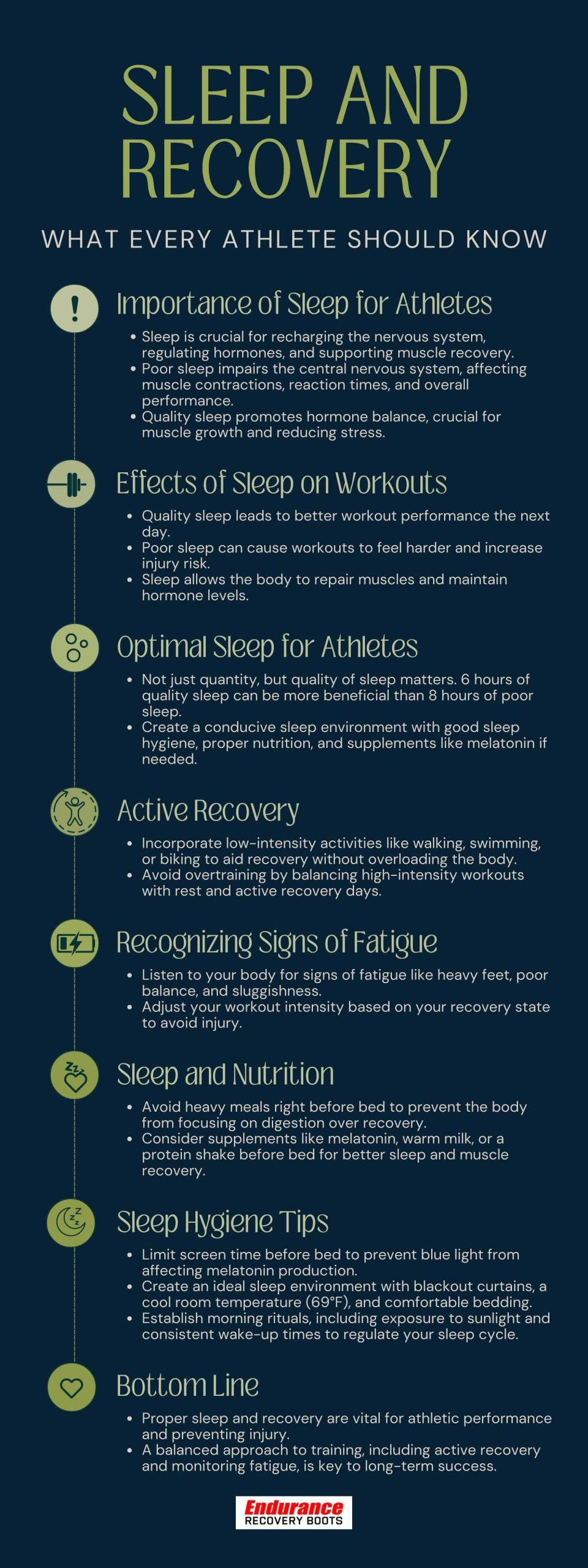
Monitoring your recovery time and tweaking your workout intensity can be game changers for reaching your fitness goals faster and safer. By paying attention to how quickly you bounce back from workouts, you can better tailor your exercise routine to prevent overtraining and boost performance. Adjusting workout intensity based on recovery status helps maximize gains while minimizing injury risk. Essentially, tracking recovery data allows you to find the perfect balance between pushing yourself and resting enough, ensuring continuous progress without burnout. It’s an effective strategy to optimize results and maintain motivation over the long term. Whether you’re a beginner or seasoned athlete, understanding when to rest and when to push harder can make all the difference in your fitness journey.
**Tracking your recovery time helps you identify when your body is ready for the next workout, and adjusting your workout intensity ensures you’re not overtraining or undertraining. Using tools like heart rate monitors, sleep tracking, and subjective fatigue assessments can assist in making these adjustments accurately.** This proactive approach keeps you energized, prevents setbacks, and accelerates your progress.

Tracking Recovery Time and Adjusting Workout Intensity
The Importance of Monitoring Recovery Time
Keeping track of recovery time helps you understand how your body responds to different workouts. If you rest enough between sessions, your muscles will repair, and your energy levels will improve. Poor recovery can lead to fatigue, injuries, and setbacks in your fitness journey.
How to Recognize When You Need More Rest
Signs that you should rest longer include persistent soreness, muscle weakness, and a decrease in performance. Feelings of exhaustion or trouble sleeping also indicate overtraining. Listening to your body helps prevent injuries and ensures steady progress.
Methods to Track Recovery
- Enjoying Sleep Data: Sleep quality affects recovery. Use sleep trackers or apps to monitor duration and restfulness.
- Using Heart Rate Variability (HRV): HRV measures your nervous system balance. Higher HRV suggests good recovery, while lower indicates need for rest.
- Keeping a Recovery Journal: Record how you feel after workouts, noting soreness, energy, and mood.
- Monitoring Muscle Soreness: Assess soreness levels daily to decide if you need more recovery time or can push harder.
The Role of Technology in Tracking Recovery
Wearable devices like fitness trackers and smartwatches provide real-time data on heart rate, sleep, and activity levels. Apps can analyze this data to recommend whether you should train or rest. Utilizing these tools makes recovery tracking more precise and easier to manage daily.
Adjusting Workout Intensity Based on Recovery Data
Adjusting workout intensity keeps your training effective and safe. If recovery indicators show you’re ready, you can increase the difficulty. Conversely, if you’re still fatigued, scale back to avoid overtraining and injury.
Why Balance Is Key
Training too hard without proper recovery can cause burnout. Too little intensity, however, limits progress. Finding a balance ensures continuous improvement while safeguarding your health.
Strategies to Modify Workout Intensity
- Reducing Volume: Shorten the number of sets and reps when recovery is limited.
- Lowering Intensity: Use lighter weights or slower speeds to decrease stress on muscles and joints.
- Incorporating Active Rest: Engage in low-impact activities like walking or yoga instead of strenuous exercises.
- Spacing Out High-Intensity Sessions: Plan intense workouts with enough rest days in between to allow full recovery.
Gradually Progressing Workout Intensity
Increase workout difficulty gradually to let your body adapt safely. Use data from recovery tracking to decide when to push harder. A slow, steady increase minimizes injury risks and enhances strength gains.
Progression Guidelines
- Follow the 10% Rule: Increase training load by no more than 10% per week.
- Monitor Your Response: If recovery markers decline, reduce the load or take additional rest.
- Prioritize Form and Technique: Proper movement reduces injury risk during increased intensity.
Balancing Rest and Work for Optimal Results
A well-designed plan combines workout days with adequate rest. Cycling between high and lower intensity sessions allows your body to recover while maintaining progress. Remember, rest days are just as important as training days.
The Impact of Nutrition on Recovery and Workout Adjustment
Good nutrition supports recovery and helps you adapt your training intensity. Protein intake aids muscle repair, while carbohydrates replenish energy stores. Staying hydrated also plays a crucial role in recovery.
Additional Tips for Effective Recovery and Progress
- Stay Consistent: Regular training with proper recovery yields better results.
- Listen to Your Body: Pain and fatigue are signals to rest or adjust intensity.
- Prioritize Sleep: Aim for 7-9 hours of quality sleep each night for optimal recovery.
- Adjust Based on Goals: Tailor your recovery and workout plans to focus on strength, endurance, or flexibility.
Related Topics You Might Explore
- Understanding Overtraining Symptoms
- Designing Personalized Workout Plans
- Using Heart Rate Zones to Guide Intensity
- Benefits of Active Recovery Activities
Tracking recovery time and adjusting your workout intensity are vital steps in making consistent progress while preventing injuries. By paying attention to your body’s signals and using technology wisely, you can tailor your training to meet your goals safely. Remember, patience and listening to your body are key to long-term success in fitness.
Cut Your Workouts In Half (Trust Me)
Frequently Asked Questions
How can I accurately determine when my body is ready for the next workout session?
Listen to your body’s signals, such as reduced soreness and steady energy levels. Take note of your physical and mental state, and consider factors like sleep quality and nutrition. Using wearable devices or recovery apps can also provide insights into your readiness for the next workout.
What are effective methods to track my recovery progress over time?
Maintain a workout journal to record how you feel after each session, track sleep patterns, and monitor soreness levels. Incorporate regular assessments like heart rate variability and mood checks. Consistently reviewing this data helps identify trends and adjust your training accordingly.
In what ways should I modify workout intensity based on recovery data?
If recovery indicators suggest fatigue or incomplete repair, reduce workout intensity or volume. Focus on lighter exercises, such as stretching or low-impact activities, until your body shows signs of full recovery. Gradually increase intensity as your recovery improves to prevent overtraining.
How do overtraining signs influence my recovery tracking and workout adjustments?
Signs of overtraining, including persistent fatigue, decreased performance, and irritability, indicate that your recovery needs more attention. Track these symptoms actively and prioritize rest or lighter activities. Adjust your schedule to include longer recovery periods and avoid pushing through discomfort.
Final Thoughts
Tracking recovery time and adjusting workout intensity helps optimize performance and prevent injuries. Monitoring how quickly you recover signals when to ease or increase your efforts. This approach ensures steady progress without overtraining. Consistently evaluating your recovery allows you to fine-tune your routine effectively. Ultimately, paying attention to these factors promotes a balanced and sustainable fitness journey.
As an Amazon Associate, We earn from qualifying purchases. When you purchase a product through Amazon links on pulsefitguide.com, we may earn a small commission at no extra cost to you. This helps support the site and keep our content free.