

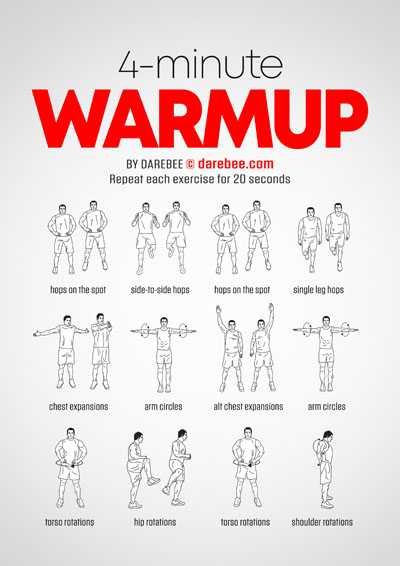
Start your workout with a quick stretch to boost circulation and prepare your muscles, then unwind with gentle stretching afterward to prevent soreness and enhance flexibility. Proper stretching routines can significantly improve your performance and recovery, making workouts more effective and enjoyable.
In short, incorporating targeted stretching before your workout helps warm up your muscles and reduces injury risk, while post-workout stretches aid in muscle recovery and maintain flexibility. Consistently following these routines can lead to better results and a more comfortable exercise experience.
Stretching routines before and after workouts are essential for anyone looking to optimize their fitness. Starting with dynamic stretches, like leg swings or arm circles, helps warm up the muscles and increase blood flow, setting the stage for a productive session. After exercising, static stretches—such as hamstring stretches or shoulder stretches—help relax the muscles, reduce tightness, and promote better flexibility. Incorporating these routines doesn’t take much time but offers great benefits, including less soreness, improved range of motion, and a lower chance of injuries. Whether you’re a seasoned athlete or a casual exerciser, a consistent stretching habit can elevate your workout experience and promote long-term muscle health.

Stretching routines before and after workouts
Understanding the importance of stretching
Stretching helps prepare your muscles for exercise and promotes recovery afterward. It can improve flexibility, decrease the chance of injury, and reduce muscle soreness. Including stretching in your workout routine makes your sessions safer and more effective.
Benefits of stretching before workouts
Before exercising, stretching warms up your muscles, making them less prone to strains. It increases blood flow, helping your muscles get ready for activity. Proper pre-workout stretching can also improve your range of motion, enhancing your exercise performance.
Types of stretching before exercise
There are mainly two types: dynamic and static stretching. Dynamic stretches involve movement and are ideal before workouts. Static stretches involve holding a stretch and are better after exercising.
Examples of dynamic stretches
- Leg swings – swing your leg forward and back
- Arm circles – rotate your arms in large circles
- Walking lunges – step into a lunge with each stride
- High knees – march or jog in place lifting knees high
Dynamic stretches should last about 5 to 10 minutes and focus on the muscles you will use during your workout.
Stretching after workouts
Static stretching after exercising helps relax muscles and reduce tightness. It encourages muscles to cool down gradually and maintain or improve flexibility over time. Stretching post-workout can also lessen muscle soreness the next day.
Benefits of static stretching after exercise
Hold stretches for longer durations (usually 15-30 seconds) to elongate muscles. This aids in decreasing muscle stiffness and enhances joint mobility. It also promotes relaxation and mental calmness after a workout session.
Effective post-workout stretches
- Hamstring stretch – sit with one leg extended, reach toward your toes
- Quadriceps stretch – stand and pull one foot towards your buttock
- Calf stretch – lean against a wall with one leg back and straighten it
- Shoulder stretch – extend one arm across your body and pull it closer with the other hand
Always breathe deeply and avoid bouncing during static stretches to prevent injury.
Creating a balanced stretching routine
Incorporate both dynamic and static stretches appropriately into your workout plan. Start with dynamic stretches to warm up, then perform your workout. Finish with static stretches to cool down and enhance flexibility.
Timing your stretching sessions
Scheduling stretching in your workout is crucial. Dedicate 5-10 minutes before your session to dynamic stretches. Reserve another 10-15 minutes after your session for static stretches.
Stretching tips for safety and effectiveness
- Never stretch to the point of pain; comfort is key
- Maintain steady, deep breathing throughout
- Do not bounce or use jerky movements during static stretching
- Focus on major muscle groups involved in your workout
Special considerations for different activities
Stretching routines may vary based on your workout type. For example, runners should focus on leg muscles, while weightlifters need to target arms, shoulders, and back. Customize your stretching to benefit your specific activity.
Stretching for runners
Target hamstrings, calves, hip flexors, and quadriceps to prevent common running injuries. Dynamic stretches like leg swings and high knees are ideal before runs. Post-run stretches should include deep hamstring and calf stretches.
Stretching for weightlifters
Focus on shoulders, triceps, chest, and back to improve lifting performance. Include shoulder rolls, chest stretches, and spinal twists in your routine. Proper stretching can also help prevent strains and improve posture.
Common mistakes to avoid during stretching
Avoid overextending, bouncing, or stretching to the point of pain. Jumping into deep stretches without warming up can cause injury. Remember, gentle and controlled movements are always safer and more effective.
Additional tips for a successful stretching routine
Stay consistent with your stretching schedule and listen to your body. Set aside dedicated time before and after workouts. Incorporate stretching into your regular fitness routine for long-term benefits.
Incorporating stretching into your weekly fitness plan
Aim to stretch at least three to five times per week. Use a mix of dynamic and static stretches based on your workout schedule. Consistent stretching boosts flexibility and supports overall health.
Related topics to enhance your stretching knowledge
- Foam rolling for muscle recovery
- Yoga poses for flexibility
- Proper warm-up and cool-down routines
- Nutrition to support muscle recovery
Overall, adopting a proper stretching routine before and after workouts can significantly improve your fitness journey. It helps prevent injuries, increases flexibility, and promotes faster recovery. Make stretching a consistent part of your training, and you’ll notice positive changes in your overall physical health.
POST-WORKOUT STRETCH for Injury Prevention & Flexibility
Frequently Asked Questions
What are the key benefits of incorporating stretching into my workout routine?
Including stretching in your workout offers several advantages. It helps improve flexibility, reduces muscle tension, and enhances overall range of motion. Additionally, stretching can decrease the risk of injuries by preparing muscles for activity and promote better circulation, which supports quicker recovery after exercise.
How should I structure my stretching routine to maximize its effectiveness?
Start with dynamic stretches before your workout to warm up your muscles and increase blood flow. Focus on movements that target the muscle groups you plan to work during your session. After exercising, switch to static stretches, holding each stretch for 15-30 seconds to lengthen muscles and reduce stiffness.
Are there specific stretches that are better suited for certain types of workouts?
Yes, different workouts benefit from targeted stretching. For cardio sessions, focus on stretching leg muscles like calves and hamstrings. Strength training routines benefit from stretching areas like shoulders, back, and arms. Yoga or flexibility-focused workouts include a mix of stretches that enhance overall mobility and relaxation.
Can stretching after a workout help with muscle soreness?
Stretching after exercise helps release muscle tension and supports circulation, which can reduce delayed onset muscle soreness (DOMS). While it may not eliminate soreness entirely, consistent post-workout stretching promotes better recovery and decreases stiffness.
How frequently should I include stretching in my weekly exercise schedule?
Aim to incorporate stretching into your routine at least 3-5 times a week. Perform dynamic stretches before workouts to prepare your body, and static stretches afterward to aid recovery. Regular stretching can improve flexibility and reduce injury risk over time.
Final Thoughts
Stretching routines before and after workouts help prevent injuries and improve flexibility. Proper stretching prepares muscles for activity, reducing strain and enhancing performance. Post-workout stretching cools down the body, easing muscle soreness and promoting recovery. Consistently practicing these routines ensures a safer and more effective fitness journey. Incorporate stretching routines before and after workouts into your routine for optimal results and sustained health benefits.
As an Amazon Associate, We earn from qualifying purchases. When you purchase a product through Amazon links on pulsefitguide.com, we may earn a small commission at no extra cost to you. This helps support the site and keep our content free.