

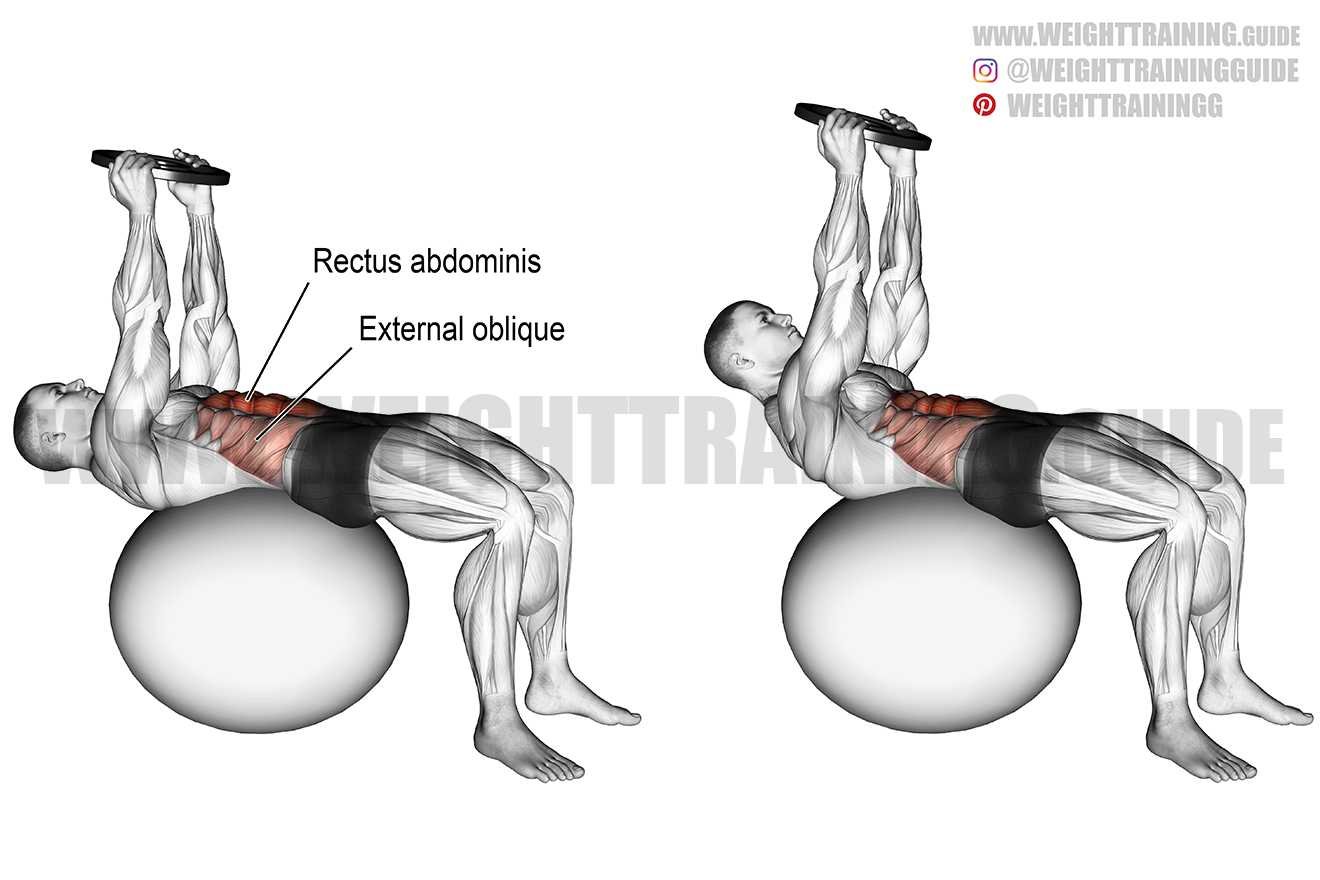
To maximize your core strength with stability crunches, focus on slow, controlled movements and proper posture to engage your deep abdominal muscles effectively. Incorporating this exercise regularly not only improves stability but also reduces the risk of lower back injury through enhanced muscle control. Start with gentle repetitions and gradually increase intensity for the best results.
Stability crunches are an excellent way to strengthen your core while minimizing strain on your neck and back. They emphasize controlled movement, helping you build stability and endurance in your abdominal muscles. By maintaining proper form, you can effectively target your deep core muscles, leading to better posture and overall strength. This exercise is perfect for anyone looking to improve core stability, whether you’re a beginner or more advanced in your fitness journey.
Getting a toned, strong core isn’t just about aesthetics—it’s crucial for overall health, posture, and functional movement. Stability crunches stand out because they focus on core activation without putting excessive pressure on your spine. Instead of traditional crunches that can be rough on your neck and back, stability crunches promote mindful engagement, making them a safe and effective addition to your workout routine. This simple yet powerful exercise can be done anywhere, making it accessible for everyone aiming to boost their core strength and stability.

Stability Crunches Exercise: A Comprehensive Guide to Strengthening Your Core
Understanding the Importance of Core Strength
Core strength plays a vital role in overall fitness and daily movement. Your core includes muscles in your abdomen, back, hips, and pelvis, supporting your spine and allowing you to move safely and efficiently. A strong core also reduces the risk of injury and improves posture.
What Are Stability Crunches?
Stability crunches are a variation of traditional crunches that emphasize balance and core activation. Unlike regular crunches, they require engaging additional stabilizer muscles to maintain proper form. This exercise blends traditional abdominal work with stability training, making it highly effective.
Benefits of Stability Crunches Exercise
- Enhanced Core Stability: Strengthens deep abdominal muscles that support your spine.
- Improved Balance and Coordination: Engages muscles responsible for maintaining stability.
- Better Posture: Helps correct misalignments and promotes proper spinal alignment.
- Injury Prevention: Stabilizes surrounding muscles, reducing strain during activities.
- Increased Functional Fitness: Prepares your body for everyday movements and sports.
How Stability Crunches Differ from Traditional Crunches
Traditional crunches focus solely on flexing the spine and targeting the rectus abdominis. Stability crunches challenge your balance by requiring activation of stabilizer muscles. This makes them more effective for building a resilient core.
Proper Technique for Stability Crunches
This section guides you through the correct steps to perform stability crunches safely and effectively.
Step-by-Step Instructions
- Start by lying on your back on an exercise mat with knees bent and feet flat on the ground.
- Cross your arms over your chest or place hands behind your head, keeping elbows wide.
- Engage your core by pulling your belly button toward your spine.
- Slowly lift your shoulders off the ground, focusing on abdominal contraction.
- Maintain balance and avoid pulling on your neck or head.
- Pause at the top, then slowly lower your shoulders back down.
Tips for Effective and Safe Performance
- Keep movements controlled to maximize muscle engagement.
- Avoid using momentum; focus on abdominal muscles doing the work.
- Breathe steadily, exhaling during the crunch and inhaling as you lower.
- Maintain a neutral neck position to prevent strain.
- Ensure your lower back stays in contact with the floor throughout.
Common Mistakes and How to Avoid Them
- Pulling on the neck: Use your abs to lift, not your hands.
- Using momentum: Perform slow, controlled movements.
- Arching the lower back: Keep your pelvis neutral and avoid overarching.
- Not engaging the core: Focus on tightening your abdominal muscles during each repetition.
- Overextending the neck: Keep your head aligned with your spine.
Progressions and Variations to Challenge Your Core
To keep improving, try these variations of stability crunches.
Adding Resistance
Use light weights or resistance bands to increase intensity. Holding a small weight on your chest during crunches forces your core to work harder.
Unstable Surfaces
Perform crunches on a stability ball or cushion to increase challenge. An unstable platform forces more muscles to engage for balance.
Single-Leg Stability Crunches
Lift one leg off the ground while performing crunches. This variation challenges your stability and activates additional core muscles.
Incorporating Movement
Combine crunches with other movements, such as twists or leg raises, to target different core areas and improve your functional strength.
Integrating Stability Crunches into Your Fitness Routine
Incorporate stability crunches into your workout three to four times a week for best results. Pair them with other core exercises like planks, bridges, and leg lifts for a comprehensive core workout.
Myth Busting: Common Misconceptions about Stability Crunches
Many believe that crunches alone can flatten your belly. While they strengthen core muscles, combining them with cardio and a healthy diet is essential for visible results. Also, some think stability crunches are risky for neck or back pain; performing proper form minimizes this risk.
Safety Precautions Before Starting
Always consult with a healthcare provider if you have existing back or neck issues. Warm up properly before exercising, and stop if you experience pain or discomfort. Focus on controlled movements to avoid strain.
Who Should Perform Stability Crunches?
Anyone looking to strengthen their core and improve balance can benefit. Beginners should start slowly and focus on form. Advanced exercisers can increase difficulty with variations or added resistance.
Stability Crunches as Part of a Total Fitness Plan
Combine stability crunches with full-body workouts, cardio, and flexibility exercises. This holistic approach promotes overall health, functional strength, and injury prevention.
Additional Tips for Maximizing Results
Stay consistent and patient. Incorporate proper nutrition and hydration. Track progress by noting repetitions, sets, or difficulty level to stay motivated.
Related Topics to Explore
Interested in expanding your core routine? Consider exploring:
- Plank exercises: For total core strength and stability.
- Leg raises: Target lower abdominal muscles.
- Back extensions: Balance your core by strengthening back muscles.
- Flexibility routines: For better movement and injury prevention.
Stability crunches offer a safe and effective way to build core strength and improve your balance. By focusing on proper technique and incorporating variations, you can enhance your workout and achieve your fitness goals. Remember to perform exercises consistently and combine them with a well-rounded fitness plan for best results.
Stability Ball Crunches
Frequently Asked Questions
How can I perform stability crunches safely to avoid strain or injury?
To perform stability crunches safely, start by lying on a stable, non-slip surface. Keep your neck relaxed and avoid pulling on it with your hands. Engage your core muscles as you lift your upper back off the ground, focusing on controlled movements rather than speed. If you experience discomfort, stop immediately and consult a fitness professional for guidance. Incorporating proper breathing techniques and avoiding overextension will further reduce the risk of strain or injury.
What are common mistakes to watch out for during stability crunches?
Many people tend to use their neck or arms excessively, which can lessen the effectiveness of the exercise and cause discomfort. Lifting with momentum rather than core engagement is another common mistake. Additionally, arching or overextending the lower back can lead to strain. Focus on controlled, deliberate movements, keep your neck relaxed, and ensure your lower back remains in contact with the ground throughout the exercise to prevent these issues.
How do stability crunches differ from traditional crunches in targeting core muscles?
Stability crunches involve engaging your core muscles while maintaining balance, often using an exercise ball or unstable surface. This added challenge activates deeper core muscles more effectively than traditional crunches. Traditional crunches are performed on a flat surface with less emphasis on balance, primarily targeting the superficial abdominal muscles. Stability crunches promote better engagement of stabilizer muscles, leading to improved overall core strength and stability.
Can I modify stability crunches for beginners or those with limited mobility?
Yes, beginners or individuals with limited mobility can modify stability crunches by reducing the range of motion or performing the exercise on a stable, flat surface without equipment. For added support, keep feet flat on the ground and lift only your shoulders off the floor, focusing on small, controlled movements. As strength and confidence build, gradually introduce equipment like stability balls or increase the difficulty gradually to enhance core engagement.
What are some effective ways to incorporate stability crunches into my workout routine?
Incorporate stability crunches into your routine by pairing them with other core exercises such as planks or leg raises. Perform them 2-3 times per week, starting with 2-3 sets of 10-15 repetitions. Maintain proper form throughout each set, emphasizing slow, controlled movements. As your core strength improves, increase repetitions or add resistance to challenge your muscles further. Combining stability crunches with overall strength and cardio workouts can improve your core stability and fitness level overall.
Final Thoughts
In summary, the stability crunches exercise offers a highly effective way to strengthen your core muscles. By engaging your abdominal muscles in a controlled manner, you improve overall stability and balance. Incorporate this exercise into your routine regularly for noticeable results. Focus on proper form and consistency to maximize benefits.
As an Amazon Associate, We earn from qualifying purchases. When you purchase a product through Amazon links on pulsefitguide.com, we may earn a small commission at no extra cost to you. This helps support the site and keep our content free.