

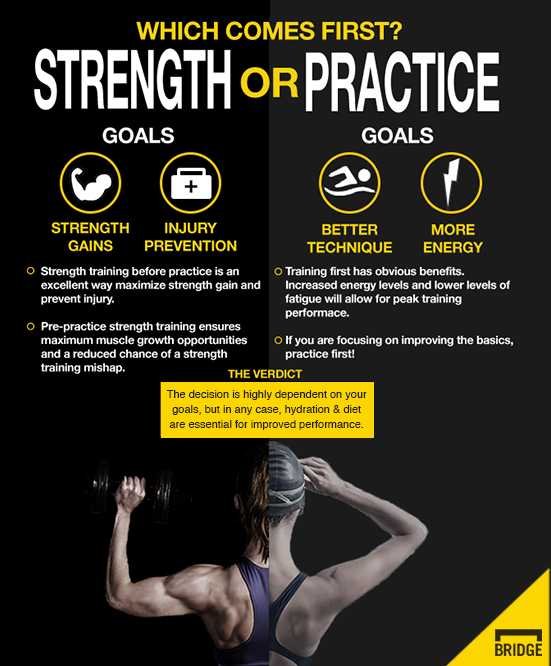
Lifting weights before or after cardio can impact your workout results and energy levels, but the best approach depends on your fitness goals. If you’re aiming for strength and muscle gain, lifting weights beforehand might be more effective. Conversely, if your goal is endurance or fat burning, doing cardio first could be better. Ultimately, it’s about what you want to prioritize.
In short, there’s no one-size-fits-all answer. For most people, it’s best to tailor the order based on their specific goals, energy levels, and preference. Some find that doing cardio first helps warm up the muscles, while others prefer to lift weights first when they’re freshest. Keep experimenting to discover what works best for your body and objectives.

Should You Lift Weights Before or After Cardio?
Understanding the Basics of Cardio and Weight Training
Cardio exercises like running, cycling, or swimming focus on improving your heart health and burning calories. Weight training involves lifting weights or using resistance to build muscle strength. Both types of workouts are important for overall fitness, but the order in which you do them can impact your results.
How Doing Cardio First Affects Your Workout
Starting with cardio warms up your muscles and increases your heart rate. This can make your muscles more flexible and ready for lifting, but it also uses up some energy reserves. If you choose to do cardio first, expect to have less energy for lifting heavy weights.
Pros of Doing Cardio First
- Warms up your body, reducing injury risk
- Prepares your heart and lungs for the workout
- Helps with calorie burning right from the start
Cons of Doing Cardio First
- Potentially reduces strength and power during lifting
- May lead to fatigue, decreasing workout effectiveness
- Could cause muscle exhaustion before weight training
Benefits of Lifting Weights Before Cardio
Starting with weights allows you to lift with maximum strength and energy. Your muscles are fresh, so you can lift heavier weights and perform more reps. Doing weights first can help improve muscle growth and strength gains.
Advantages of Doing Weights First
- Maximum strength and energy for lifting
- Better focus on proper form and technique
- Increased muscle stimulation, helping with growth and tone
Possible Drawbacks
- Muscle fatigue might limit cardio performance
- Less effective calorie burning during the cardio session
- Risk of overtraining if not careful
Impact on Fat Loss and Endurance
If your main goal is fat loss, doing cardio first can help burn more calories early on. However, lifting weights afterward helps preserve muscle mass and boost metabolism. For endurance, starting with cardio might be better to maximize stamina.
Cardio First for Fat Burning
This approach helps you burn more calories during your workout. It can be especially effective if your aim is to shed pounds quickly.
Lifting First for Muscle Preservation
Lifting weights first ensures you have enough energy to challenge your muscles, which aids in muscle retention while losing fat.
Timing and Personal Goals
Your workout order should align with your goals—whether building muscle, losing weight, improving endurance, or a mix of these.
For Building Muscle
Lift weights first when energy levels are high. This optimizes muscle growth and strength development.
For Weight Loss
Start with cardio to burn more calories early, then do weights to maintain muscle mass during weight loss.
For Endurance Training
Combine both based on your specific stamina goals, possibly alternating the focus on different days.
Practical Tips for Combining Both Workouts
If you want to include both cardio and weights in your routine, consider the following:
- Perform a light warm-up before starting your main workout.
- If lifting weights first, do a 5-minute cardio cool-down afterward.
- Alternate the order on different days to balance benefits.
- Ensure proper rest and recovery to avoid overtraining.
Sample Workout Structures
Here’s how you might structure your workouts depending on your goals:
Strength Focused
- Warm-up with light cardio (5 minutes)
- Weights session (45–60 minutes)
- Optional cool-down with stretching
Fat Loss Focused
- Warm-up with dynamic movements
- Cardio session (20–30 minutes)
- Weights training (20–30 minutes)
- Stretching and cool-down
Endurance Focused
- Alternate days between cardio and weights or combine both within a session based on your endurance level.
Considering Your Energy Levels and Preferences
Listen to your body when choosing workout order. If you feel energized enough for weights after cardio, it might be suitable. Conversely, if lifting weights first helps you focus, start with that, then finish with cardio.
Nutrition and Hydration Tips
Fuel your workout with a light snack containing carbs and protein before exercising. Stay hydrated throughout your session to maintain energy and performance. Proper nutrition supports your workout order choice and recovery.
Monitoring Progress and Adjusting
Track your performance and how you feel after different routines. Adjust your workout order based on progress towards your goals and personal preferences for the best results.
Additional Factors to Consider
Other elements like time constraints, injury history, and fitness level influence whether you should lift weights before or after cardio. Choose what fits your lifestyle and keeps you motivated.
Time Constraints
If you’re short on time, combining both in a single session might be best, focusing on the order that aligns with your goals.
Injury and Health Considerations
People with joint issues or injuries should consult with a trainer or health professional to determine the safest workout order.
Fitness Level and Experience
Beginners might prefer starting with weights to ensure proper form and prevent fatigue. More experienced exercisers can experiment with different sequences to find what works best.
Summary: The Best Approach for You
There is no one-size-fits-all answer. The decision depends on your goals, energy levels, and personal preferences. Both approaches have benefits, so feel free to switch things up to keep your workouts effective and engaging.
In the end, consistency and enjoyment are key. Choose the order that motivates you most and aligns with your fitness ambitions to stay committed and see progress.
How To Do Cardio (Without Losing Muscle)
Frequently Asked Questions
How does doing cardio before lifting weights affect my energy levels?
Performing cardio before weightlifting may deplete your glycogen stores, which can reduce your overall energy and strength during your weight session. This might make it harder to lift as much weight or perform high-intensity lifts, potentially limiting your gains. If your goal is to maximize strength, consider doing weight training first when your energy levels are highest.
Can lifting weights before cardio improve my cardiovascular endurance?
Starting with weight training can help build muscular strength and endurance without tiring your cardiovascular system beforehand. This allows you to maintain proper form and intensity during your weight session. If you aim to improve cardiovascular endurance, doing cardio first might be more suitable, but for strength purposes, lifting weights first works better.
What are the benefits of combining both workouts in a single session?
Including both cardio and weight training in one session can boost overall fitness, improve metabolic rate, and save time. Alternating the order based on your specific goals can optimize results. For example, doing cardio first can serve as a warm-up, while lifting weights first can help build strength before fatiguing your muscles with cardio.
How should I plan my workout if I want to focus on both strength and endurance?
Prioritize your primary goal by starting with that type of exercise. If gaining strength is your focus, do weight training first, then follow with cardio. If building endurance or weight loss is your priority, start with cardio to maximize calorie burn and performance. Keep sessions balanced by adjusting the intensity and duration of each workout based on your objectives.
Does the order of workouts impact muscle recovery?
Yes, the order can influence recovery, especially if you combine intense cardio and lifting sessions. Doing cardio first may cause muscle fatigue, making it harder to lift heavy weights and potentially leading to increased soreness. Conversely, lifting weights first allows you to train with maximum effort, which can enhance muscle growth, followed by moderate cardio for recovery and endurance.
Final Thoughts
Choosing whether to lift weights before or after cardio depends on your goals. If you prioritize strength building, lifting first allows you to train with maximum energy. Conversely, doing cardio first can warm up your muscles and improve endurance.
For fat loss, performing cardio before weights may help burn more calories initially. Ultimately, consistency matters most, so select the order that motivates you to stay active.
Should you lift weights before or after cardio? Consider your goals and preferences, and tailor your routine accordingly. Both approaches can be effective when integrated thoughtfully.
As an Amazon Associate, We earn from qualifying purchases. When you purchase a product through Amazon links on pulsefitguide.com, we may earn a small commission at no extra cost to you. This helps support the site and keep our content free.