

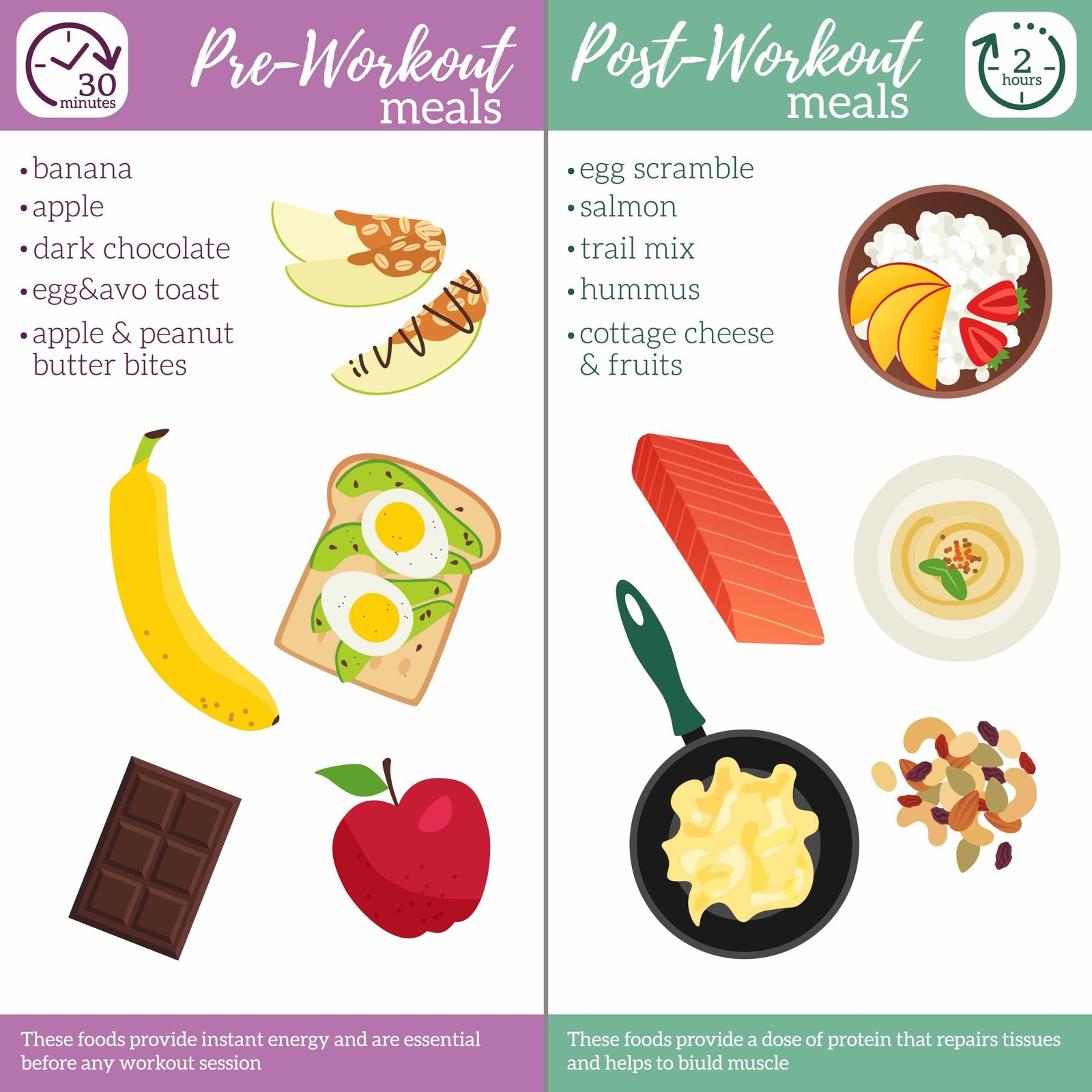
Yes, you should eat either before or after cardio depending on your goals, but timing is key. Eating a light snack before can boost your energy and performance, while having a meal afterwards helps with recovery and muscle repair. The right choice depends on your workout intensity and your personal preferences.
Most people wonder whether they should eat before or after exercising to maximize their results. The truth is, it depends on what you want to achieve. If your goal is to boost endurance and energy levels during your workout, a small snack beforehand is beneficial. On the other hand, if you’re aiming to lose weight or build muscle, focusing on post-workout nutrition might be more effective. Finding the right balance can enhance your fitness journey, making your cardio sessions more effective and enjoyable.

Should I Eat Before or After Cardio?
Understanding the Importance of Nutrition Around Cardio
Eating at the right times can have a big impact on your workout and recovery. Knowing whether to eat before or after your cardio session depends on your goals, body type, and the type of exercise you do. Proper nutrition helps boost energy, improve performance, and support muscle recovery.
Should You Eat Before Cardio?
Many people wonder if eating before cardio is necessary or if it can hinder performance. Generally, eating before exercise can provide the energy needed to do your best. However, the timing and type of food matter a lot.
Benefits of Eating Before Cardio
Eating before cardio can improve stamina and endurance, especially during longer sessions. It helps prevent low blood sugar levels that might cause fatigue or dizziness. Well-chosen snacks can also keep your energy levels stable during exercise.
Ideal Foods to Eat Before Cardio
Choose easily digestible foods rich in complex carbs and moderate in protein. Examples include:
- Bananas with a small spoon of peanut butter
- Oatmeal with berries
- Whole grain toast with honey
- Low-fat yogurt with fruit
Avoid heavy, greasy foods that can cause discomfort or sluggishness.
Timing Matters
Eat these foods about 30 to 60 minutes before starting your workout. This allows enough time for digestion without feeling too full. If you’re short on time, opt for a quick snack like a banana or an energy bar.
Should You Skip Food Before Cardio?
Some people prefer exercising on an empty stomach, especially during fasted cardio. This can be effective for those aiming to burn fat. However, it might not be suitable for everyone, particularly if you feel weak or dizzy without eating.
Fasted Cardio and Fat Loss
Exercising without eating can increase fat burning because your body uses stored fat for energy. Studies suggest fasted cardio can help reduce body fat, but it might also lower workout intensity for some.
Risks of Exercising Without Eating
Running on empty can lead to muscle loss or low energy, especially during intense or prolonged sessions. You might also feel dizzy, weak, or nauseous.
Who Should Avoid Fasted Cardio?
If you have health conditions like diabetes or tend to get low blood sugar, it’s better to eat before exercising. Always listen to your body and consult a healthcare professional if unsure.
What to Eat After Cardio?
Refueling after your workout is just as important as what you eat before. It helps repair muscles, replenish energy stores, and reduce soreness. The focus should be on consuming both carbs and protein.
Why Post-Workout Nutrition Matters
Eating soon after cardio helps jump-start recovery. It replaces glycogen, the storage form of carbs in your muscles, and supplies amino acids needed for muscle repair.
Best Foods for Recovery
Choose foods rich in carbs and high-quality protein. Some good options include:
- Grilled chicken with brown rice
- Egg and vegetable scramble
- Protein smoothies with fruit and yogurt
- Sweet potatoes with lean meat
Stay hydrated by drinking plenty of water or electrolyte drinks.
Timing of Post-Workout Meals
Aim to eat within 30 to 60 minutes after exercise for optimal recovery. This window enhances nutrient absorption and muscle rebuilding processes.
Balancing Your Meals for Optimal Performance
Your meal choices around cardio should complement your fitness objectives. For weight loss, focus on light, nutrient-dense foods before and after exercise. For muscle gain, prioritize higher protein intake.
Sample Meal Plans
Depending on your schedule and goals, here are simple ideas:
- Before cardio: Whole grain toast with banana and almond butter
- After cardio: Grilled chicken salad with mixed vegetables and quinoa
Adjust portion sizes based on your energy needs and activity intensity.
Additional Tips for Effective Cardio Nutrition
- Stay hydrated: Drink water before, during, and after your workout.
- Listen to your body: If you feel hungry or low on energy, eat a small snack.
- Experiment: Find what foods and timing work best for your body and goals.
- Avoid high-sugar snacks: These can cause energy spikes and crashes.
Related Topics to Consider
Other factors influence how you should eat around cardio, such as:
- Hydration strategies during exercise
- Best types of cardio for fat loss or muscle building
- Supplements to support your workout
- Meal timing for overall fitness goals
By understanding your body’s needs and experimenting with different foods and timing, you can find the best routine for your cardio sessions. Whether you choose to eat before, after, or both times, proper nutrition plays a crucial role in your fitness journey.
The Best Pre & Post-Workout Meals (According To Science)
Frequently Asked Questions
What factors should influence my decision to eat before or after cardio?
Your choice depends on your fitness goals, how your body responds to exercising on an empty stomach, and the intensity of your workout. If you aim to burn fat efficiently, some people prefer fasted cardio, while those focusing on performance might need to fuel up beforehand. Listening to your body’s cues and considering your daily schedule can also help determine the best timing for eating around your workouts.
How does eating before cardio impact my energy levels during exercise?
Is it better to wait after cardio to eat, or should I refuel immediately?
Can I improve my workout results by timing my meals specifically around cardio sessions?
Yes, intentionally timing your meals can optimize your performance and recovery. Eating a small carbohydrate-rich snack before exercise provides energy, while refueling with nutrients afterward promotes muscle repair and replenishes energy stores. Adjusting your meal timing based on your workout intensity and personal response can make a noticeable difference in your progress.
What are some signs I should listen for to decide if I need to eat before or after my workout?
Pay attention to your body’s signals. If you feel dizzy, weak, or unusually tired during cardio, eating beforehand might help. Conversely, if you’re overly full or uncomfortable during exercise, consider waiting until after your workout to eat. Feeling excessively hungry afterward indicates your body needs nutrients to recover, so plan to eat shortly after completing your session.
Final Thoughts
Deciding whether to eat before or after cardio depends on your personal goals and comfort. Eating lightly beforehand can boost energy and improve performance, while waiting until after may help maximize fat burn.
If your priority is endurance and energy, have a small snack before your workout. Conversely, if fat loss is your goal, exercising on an empty stomach might be more effective.
Ultimately, should I eat before or after cardio? Listen to your body and choose what feels best. Proper timing can support your fitness journey without causing discomfort or fatigue.
As an Amazon Associate, We earn from qualifying purchases. When you purchase a product through Amazon links on pulsefitguide.com, we may earn a small commission at no extra cost to you. This helps support the site and keep our content free.