

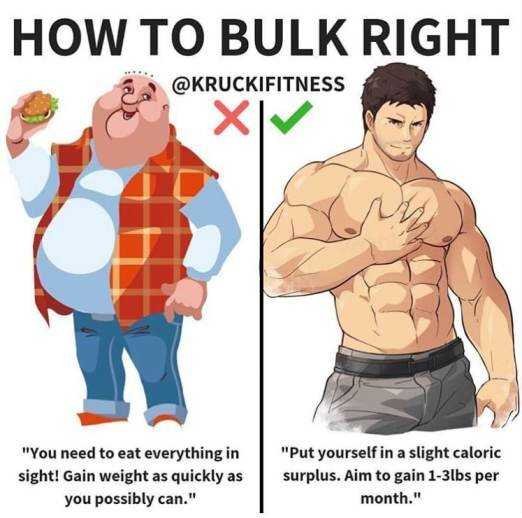
Absolutely, yes—incorporating cardio during bulking can be beneficial if done properly. Cardio helps improve cardiovascular health, aids in fat management, and boosts overall fitness without necessarily compromising muscle gains. The key is balancing it so that it enhances your bulking process rather than hindering it.
In short, doing some cardio while bulking can be a smart move if you focus on moderate sessions that support your goals. It’s all about integrating cardio into your routine thoughtfully, ensuring it helps with recovery, stamina, and fat control, while still allowing your muscles to grow. Now, let’s dive into the reasons why cardio might be a good idea during your bulking phase and how to make it work for you.

Should I Do Cardio When Bulking?
Understanding the Purpose of Cardio During Bulking
Many people wonder if doing cardio while bulking is necessary or even beneficial. The main goal of bulking is to gain muscle mass, but cardio can play an important role in overall health and body composition. Typically, cardio helps improve cardiovascular fitness, increase stamina, and manage fat gain. However, some worry that cardio might interfere with muscle growth if not managed properly.
The Benefits of Cardio During Bulking
Engaging in cardio offers several advantages even when bulking. It boosts heart health and increases blood flow, which supports muscle recovery. Cardio also helps in maintaining metabolic health, reducing the risk of excess fat gain, and improving endurance.
- Enhances cardiovascular health
- Improves recovery between workouts
- Helps control body fat levels
- Increases overall stamina and energy
What Are the Risks of Doing Too Much Cardio While Bulking?
Overdoing cardio can lead to problems like muscle loss, fatigue, or hindered muscle gains. Excessive cardio may also increase cortisol levels, which can negatively impact muscle growth. The key is to balance cardio sessions so they support your bulking goals rather than hinder them.
Muscle Loss and Cardio
Too much cardio can cause muscle breakdown if you’re not eating enough calories or protein. This is especially true with high-intensity or long-duration cardio sessions. To prevent this, ensure your diet supports your activity and muscle repair needs.
Fatigue and Overtraining
Excessive cardio can lead to fatigue, making weight training less effective. It might also impair recovery, leading to overtraining symptoms. Incorporate rest days and listen to your body to avoid burnout.
How Much Cardio Should You Do During Bulking?
The ideal amount of cardio varies based on your goals, body type, and training intensity. Generally, moderate cardio 2 to 4 times a week can be enough to promote health without compromising muscle gain.
| Frequency | Intensity | Duration |
|---|---|---|
| 2 to 4 times per week | Moderate to low | 20 to 30 minutes per session |
Keep sessions at moderate intensity to prevent excessive calorie burning that could hinder muscle growth. If your goal is to minimize fat gain, integrate some cardio after weights or on rest days.
Choosing the Right Type of Cardio for Bulking
Not all cardio exercises are created equal, and selecting the right type can affect your progress. Some forms of cardio are more muscle-friendly than others.
Steady-State Cardio
This involves maintaining a consistent moderate pace, such as brisk walking or cycling. It is effective for increasing endurance and burning fat with less muscle stress. Steady-state cardio is ideal during bulking because it doesn’t deplete glycogen stores significantly.
High-Intensity Interval Training (HIIT)
HIIT alternates between short bursts of intense effort and recovery periods. It burns a lot of calories in a short time and boosts metabolism. However, it can be taxing and might interfere with muscle recovery if overdone.
Low-Impact Cardio
Activities like swimming or rowing provide cardiovascular benefits without excessive joint stress. These are good options for longer sessions or for individuals recovering from injury.
Timing Your Cardio Workouts
When you do cardio matters just as much as how much you do. Proper timing can help maximize muscle gains while keeping fat gain under control.
Cardio Before or After Weight Training?
Most experts recommend doing cardio after weights to ensure you have enough energy for lifting heavy. Doing cardio beforehand might tire your muscles and decrease lifting performance.
Separating Cardio and Weight Sessions
Alternatively, scheduling cardio on separate days can allow full recovery for strength training. This approach also helps in maintaining high energy levels for each workout.
Nutrition Strategies to Support Cardio and Bulking
Eating the right foods plays a crucial role when adding cardio to a bulking routine. Focus on sufficient protein intake and calorie surplus to support muscle growth.
Protein Intake
Aim for at least 1.2 to 2 grams of protein per kilogram of body weight daily. Protein helps repair muscles and prevents muscle loss during cardio sessions.
Calorie Surplus
Ensure you’re consuming more calories than you burn. This surplus will fuel muscle growth and offset some calorie expenditure from cardio.
Hydration and Electrolytes
Stay well-hydrated and replenish electrolytes lost during cardio. Proper hydration supports performance and recovery.
Monitoring Progress and Adjusting Your Routine
Track your muscle gains, fat levels, and energy to see how cardio fits into your bulking plan. Adjust frequency, intensity, and timing based on your results.
Signs You Need to Modify
– Lack of muscle growth despite training
– Excessive fatigue or soreness
– Unexpected fat gain or loss
– Decreased performance in lifts
Depending on these signs, either increase rest, decrease cardio, or adjust your diet to better support your goals.
Related Topics to Consider
To optimize your bulking and cardio routine, consider exploring related topics like:
- Best exercises for muscle gain
- Meal timing and nutrient timing during bulking
- Recovery strategies for bulking athletes
- Balancing cardio and strength training for optimal results
Understanding how these variables interact will help you develop a balanced, effective muscle-building plan.
While incorporating cardio into your bulking routine can seem counterintuitive, doing it smartly offers many benefits. It supports heart health, keeps fat gain in check, and improves overall stamina without sacrificing muscle growth. The key lies in moderation, thoughtful exercise selection, and good nutrition.
Should You Do Cardio While Bulking?
Frequently Asked Questions
How can cardio affect muscle gain during a bulking phase?
Cardio can influence muscle gain by increasing calorie expenditure, which may make it harder to maintain a calorie surplus necessary for muscle growth. However, moderate cardio can help improve your cardiovascular health and aid in recovery without significantly hindering muscle development, especially if you adjust your diet to compensate for the extra calories burned.
What type of cardio is best to include while bulking?
Opt for low to moderate-intensity cardio such as brisk walking, cycling, or swimming. These activities help maintain your cardiovascular fitness without excessively taxing your recovery or muscle-building efforts. Avoid high-intensity cardio or long sessions that could lead to unnecessary fatigue and calorie deficits.
How should I time my cardio sessions during a bulking cycle?
Schedule cardio sessions on separate days from your heavy weightlifting to minimize interference with your strength training. If you perform cardio on the same day as lifting, do it after your weight workout or at a different time of day. Keep sessions brief and focus on maintaining consistency to support overall health without impacting muscle gain.
Should I increase my calorie intake if I add cardio during bulking?
Yes, you should increase your calorie intake to account for the calories burned during cardio. Tracking your daily intake and adjusting as needed will ensure you remain in a surplus, allowing muscle growth to continue while incorporating cardio to improve fitness and health.
Is it beneficial to include cardio in a bulking routine?
Including cardio can benefit your overall health, improve endurance, and help manage body fat levels. As long as you balance it properly with your nutrition and training, cardio can complement your bulking process without disrupting your muscle-building goals.
Final Thoughts
Doing cardio during bulking can help maintain cardiovascular health and prevent excessive fat gain. However, too much cardio may interfere with muscle growth if it creates a calorie deficit.
Striking a balance is key. Incorporate moderate cardio sessions a few times a week, and adjust based on your progress and goals.
In conclusion, should i do cardio when bulking? Yes, but keep it moderate and aligned with your appetite and muscle-building plan.
As an Amazon Associate, We earn from qualifying purchases. When you purchase a product through Amazon links on pulsefitguide.com, we may earn a small commission at no extra cost to you. This helps support the site and keep our content free.